Quick answer
Choose fine bone china when you want the lightest possible teacup with a warm, creamy translucency and you are willing to hand wash and handle it gently. Choose porcelain when you need a tea set that shrugs off daily dishwasher cycles, stacking, and the occasional knock. If you brew delicate white or high-grown teas, either material works; the deciding factor is how you plan to use and care for the set.
What actually separates bone china from porcelain
Bone china and porcelain are both fired clay bodies, but the recipe and firing temperature change the finished cup. Bone china includes bone ash, which allows a lower firing temperature and produces a thinner, more translucent wall. Porcelain is fired hotter without bone ash, giving it a denser, harder body that resists chipping and thermal shock. That single difference drives almost every practical trade-off you will notice at the tea table: weight, glow, heat retention, and how loudly you wince when a cup meets the sink.
Weight and balance in the hand
A fine bone china teacup feels almost weightless, which makes it a pleasure for slow sipping but also means it can feel fragile to anyone used to stoneware. Porcelain teacups carry more heft, and that extra mass helps them sit steadier on a saucer and stay put when you set them down in a hurry. If you host tea for guests who are not gentle with glassware, porcelain's weight is a quiet advantage. If you savor a single cup and want the cup to disappear in your hand, bone china wins.
Translucency, color, and how tea looks in the cup
Hold a bone china teacup to a window and you will see light pass through the wall; porcelain is more opaque. That translucency is purely aesthetic, but it changes how a pale liquor reads. A delicate white tea or a light Ceylon looks luminous in bone china and slightly more muted in porcelain. Neither material alters flavor, so treat this as a presentation choice, not a brewing one. If you serve tea to guests who notice the look of the cup, bone china gives you a small theatrical edge.
Durability, chipping, and thermal shock
Porcelain's higher firing temperature makes it denser and more resistant to chipping and thermal shock, so it tolerates quick temperature changes and stacking better than bone china. Bone china is not weak, but its thin walls and lower firing temperature mean it is less forgiving of knocks against a faucet or a crowded drying rack. For a set that lives on an open shelf and gets used every morning, porcelain is the lower-stress choice. For a set that comes out for afternoon tea and is washed by hand, bone china's fragility is manageable.
Dishwasher and microwave reality check
Most porcelain tea sets are dishwasher safe, and many are microwave safe for reheating water or tea. Bone china is often labeled hand wash only, and metallic trim or gilding on either material should never go in a microwave. If your routine involves loading the dishwasher after breakfast, porcelain removes a daily chore. If you enjoy the ritual of washing a few cups by hand, bone china's care requirements are part of the experience, not a burden.
How to match the set to the tea you brew
The material does not change extraction, so match the set to your brewing style instead. A high-grown Ceylon like Lover's Leap Estate Tea benefits from a preheated cup, and porcelain's denser wall holds heat a little longer than thin bone china. Delicate white teas such as Organic Pai Mu Tan White Tea look best in a pale, translucent cup that shows off the liquor color. If you brew rooibos or flavored blends, a sturdy porcelain cup is the practical daily driver. Buy the material that fits your cleaning habits first, then choose the cup shape that suits your teas.
Trade-offs at a glance
- Bone china: weight and glow vs. care: You get the lightest, most translucent cup and a warm, creamy look, but you give up dishwasher convenience and some knock resistance. Best if you hand wash and store cups where they will not be jostled.
- Porcelain: durability vs. delicacy: You get a denser, chip-resistant body that handles dishwasher cycles and stacking, but the cup is heavier and more opaque. Best if the set will be used daily and cleaned in a machine.
- Presentation vs. routine: Bone china flatters pale white teas and high-grown Ceylon in the cup; porcelain quietly survives the morning rush without special handling. Choose based on your cleaning routine first, then on how much you care about translucency.
Teas that pair well with either set
- Lover's Leap Estate Tea - Loose Leaf: Lover's Leap Estate Tea is a medium-bodied orthodox Orange Pekoe from the high-altitude Nuwara Eliya gardens of Sri Lanka. A structured high-grown Ceylon rewards a preheated cup; porcelain's denser wall holds heat slightly longer, while bone china shows off the bright liquor color.
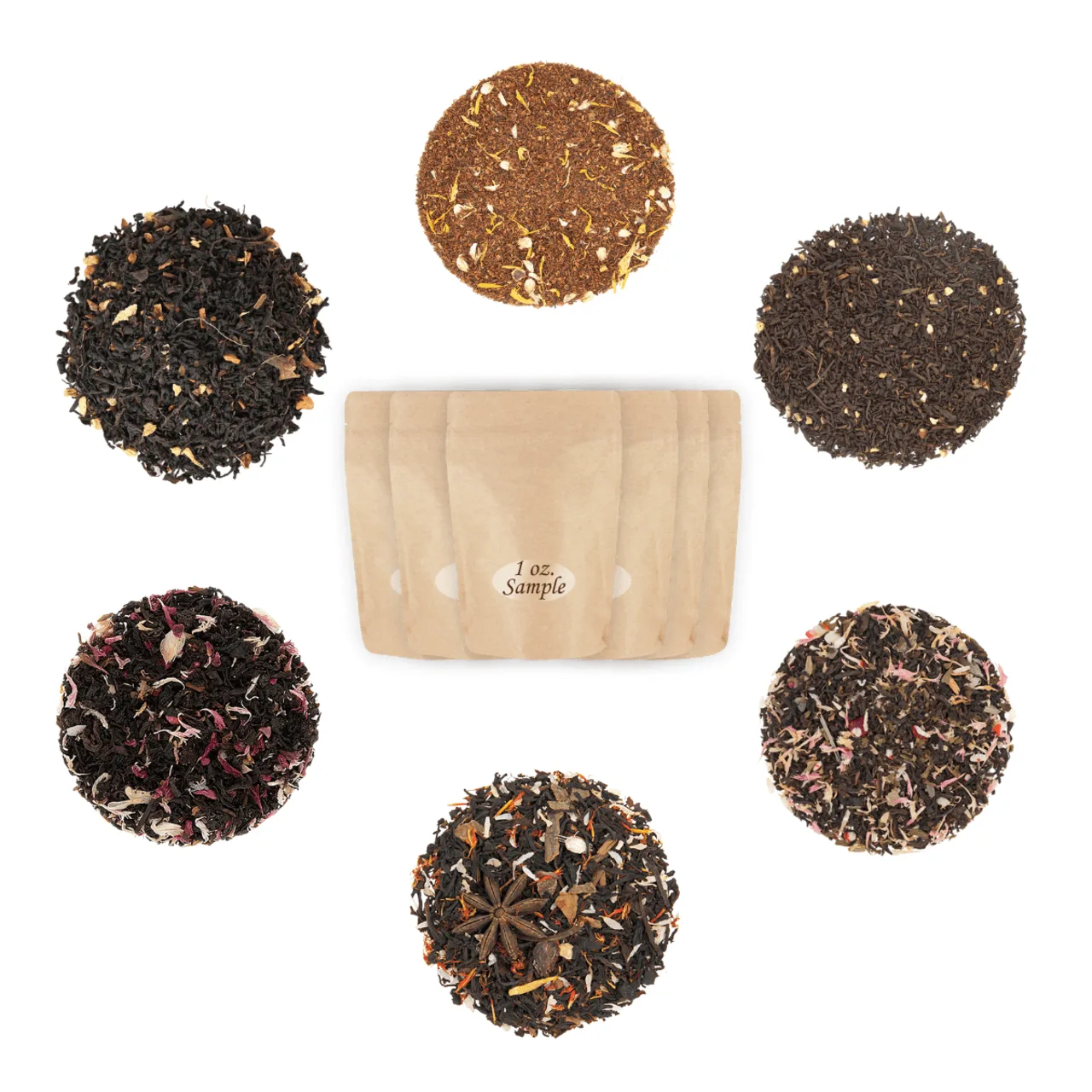
- Organic Pai Mu Tan White Tea - Loose Leaf - Sampler Size - 1oz: Organic Pai Mu Tan White Tea is a clear, slightly pale cup with a fresh aroma and a smooth velvety flavor, available in a 1-ounce sampler. The sampler lets you test a delicate white tea in both bone china and porcelain before committing to a full set, since the pale liquor looks noticeably different in each material.
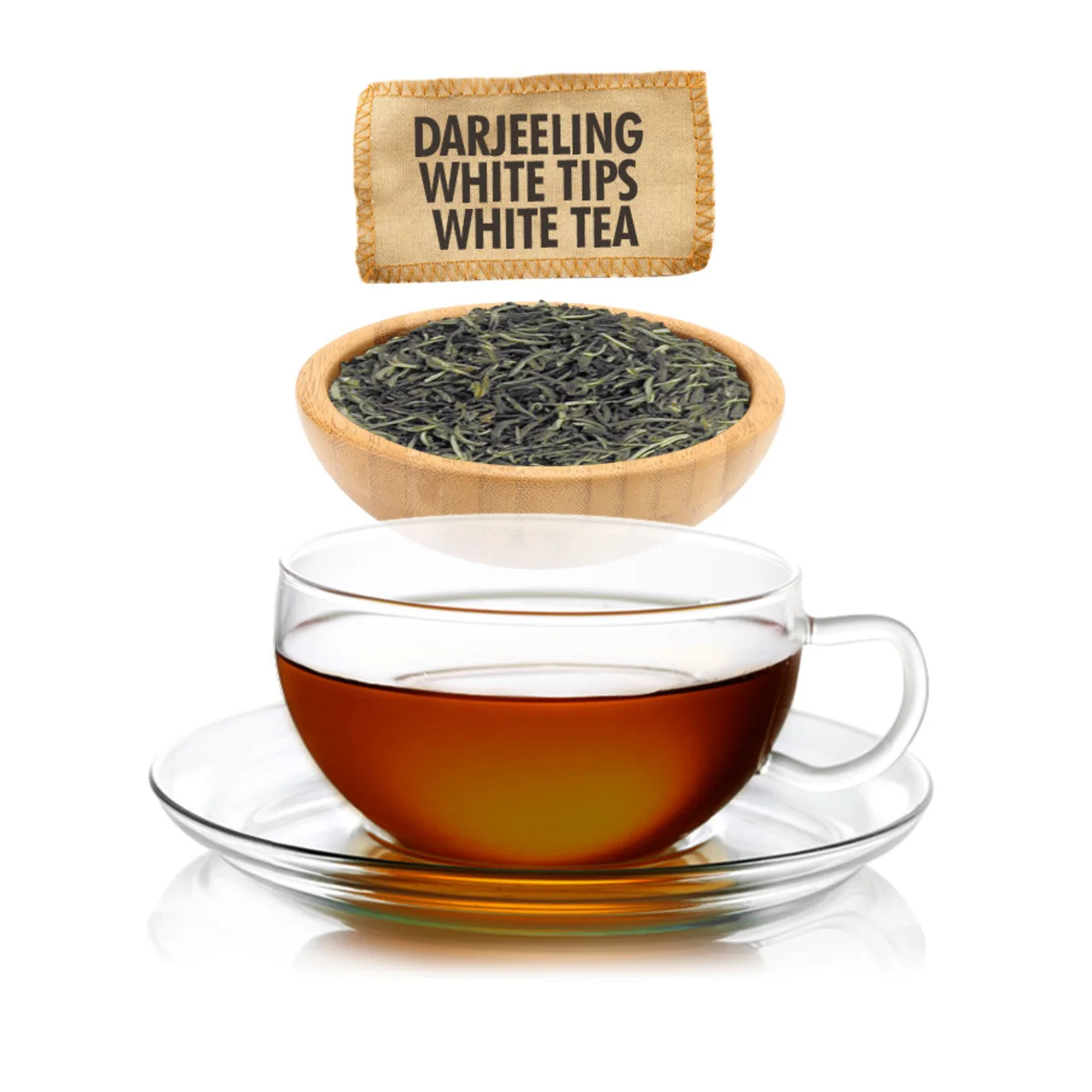
- Darjeeling White Tips White Tea - Loose Leaf: Darjeeling White Tips White Tea is made from the two leaves around a new tea shoot, hand sorted and gently steamed, with mild muscatel notes. An exceptionally light tea like this is best served in a cup that does not visually overwhelm it, making translucent bone china a strong presentation match.
- Godiva Roche Flavored Rooibos Tea - Loose Leaf: Godiva Roche Rooibos Tea is built on Choice Grade #1 South African rooibos with rich vanilla, sweet caramel, and roasted cocoa notes. A bold, caffeine-free rooibos stands up to a sturdy porcelain cup for daily brewing and is forgiving of dishwasher cleaning.
Which tea set material fits you?
Choose this if
- You host afternoon tea and want the lightest, most elegant cup for delicate white teas or high-grown Ceylon.
- You are comfortable hand washing and storing cups with padding or on a closed shelf.
- You want a fine bone china tea set as a gift or display piece that looks luminous when held to the light.
Skip this if
- You need a set that goes in the dishwasher every day and gets stacked in a crowded cabinet.
- You regularly brew bold rooibos or flavored blends and want a cup you can treat roughly without worry.
- You prefer a heavier cup that feels stable in the hand and resists chipping from everyday knocks.