Quick Answer
For maximum situational awareness, bone conduction headphones sit outside the ear canal and transmit sound through cheekbones, leaving ears fully open. Open ear earbuds rest gently over the ear opening, blending ambient noise with audio. If you run or cycle near traffic, bone conduction offers the most unblocked awareness. If you want a featherlight feel for all-day wear or gym sessions, open earbuds like the Essential Open Earbuds are a strong pick. Both keep you safer than traditional in-ear buds.
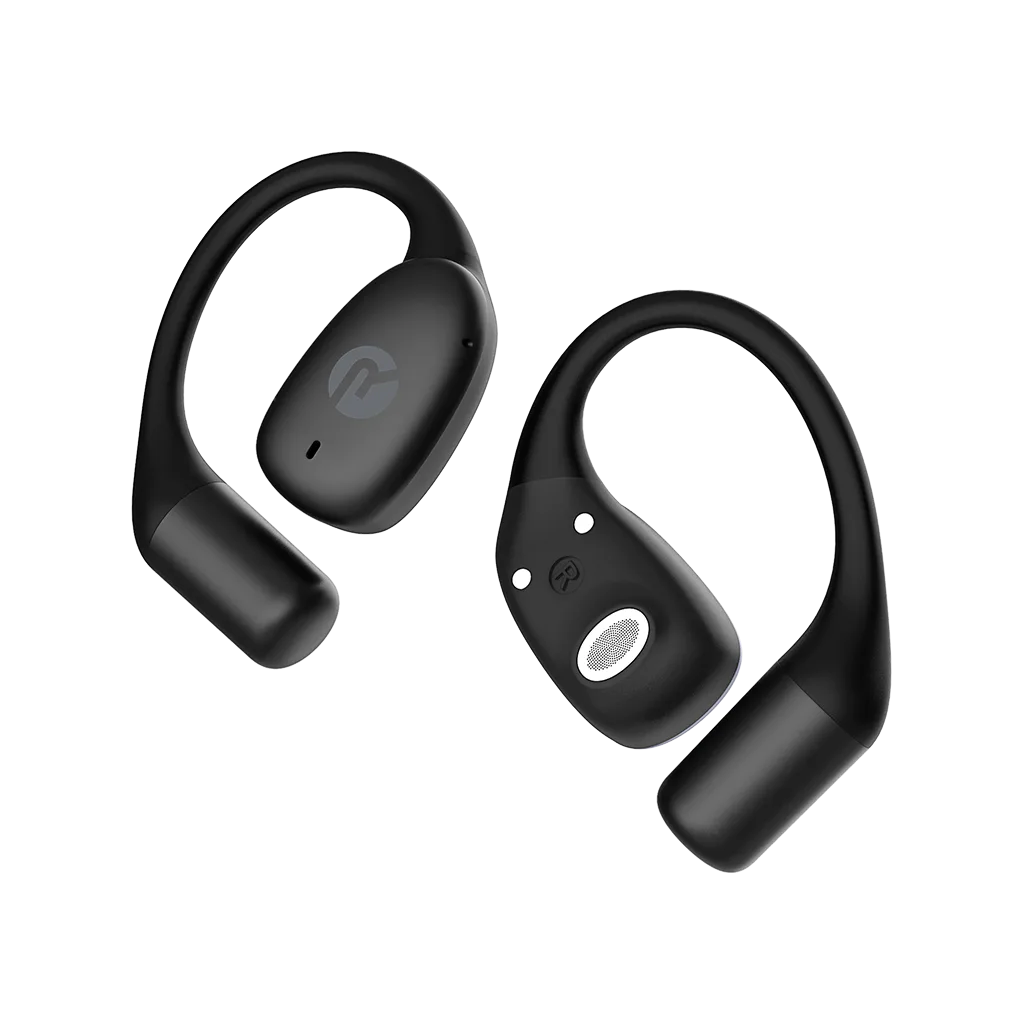
Essential Open Earbuds
If you run, ride, or train outdoors, you already know the dilemma: you want music or podcasts, but you also need to hear cars, cyclists, and other people. Traditional earbuds seal off your ear canal, which can feel risky on busy roads or trails. That's where bone conduction headphones and open ear earbuds come in. Both designs promise situational awareness, but they do it differently, and the right choice depends on how you move and what you prioritize.
This comparison breaks down the real trade-offs between these two open-listening styles using concrete product examples from Raycon. You'll learn how each design affects awareness, fit, comfort, and safety so you can pick the best headphones for outdoor workouts without second-guessing.
How Bone Conduction Headphones Keep You Aware
Bone conduction headphones bypass your eardrums entirely. They rest on your cheekbones and send vibrations through the bone directly to your inner ear. Because nothing enters or covers your ear canal, your ears stay completely open to the world around you. You hear traffic, voices, and warning sounds as clearly as if you weren't wearing headphones at all. This makes them a top choice for road running, cycling, and any activity where split-second awareness matters.
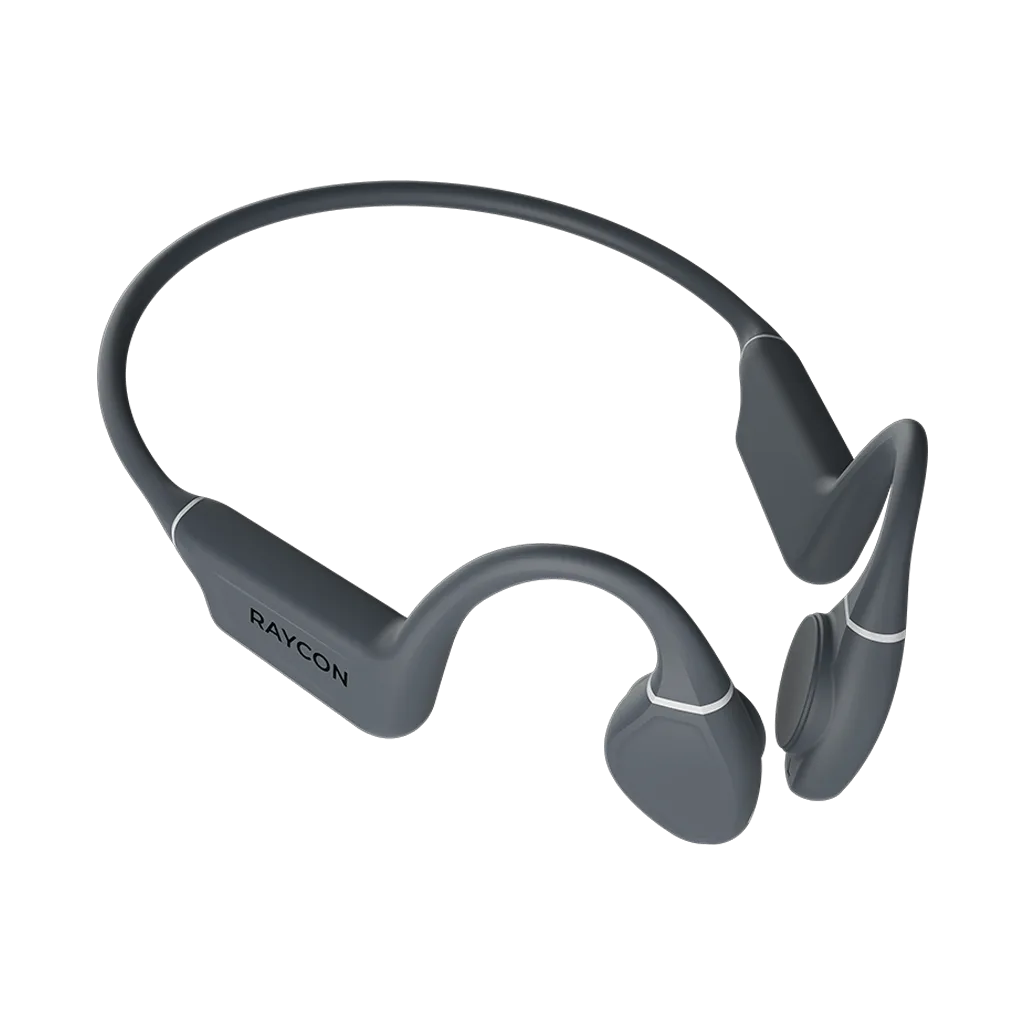
The Raycon Bone Conduction Headphones are built for total awareness with bud-free listening. They come in multiple sizes and colors, so you can get a secure fit without stuffing anything into your ears. The trade-off is that bone conduction can feel different from traditional audio—bass is often lighter, and in very noisy environments, ambient sound can compete with your music. But for pure situational awareness, nothing beats the open-ear promise of bone conduction.
- Best for: road running, cycling, and busy urban environments where you need to hear everything.
- Fit tip: adjust the band so the transducers sit firmly on your cheekbones—too loose and volume drops.
How Open Ear Earbuds Balance Awareness and Comfort
Open ear earbuds take a different approach. Instead of vibrating through bone, they rest gently over or just outside your ear opening, directing sound into your ear while leaving the canal unblocked. You still hear your surroundings, but the audio feels more like traditional earbuds because it's aimed at your ear. This design often delivers richer sound and deeper bass than bone conduction, making it a good middle ground for people who want awareness without sacrificing audio quality.
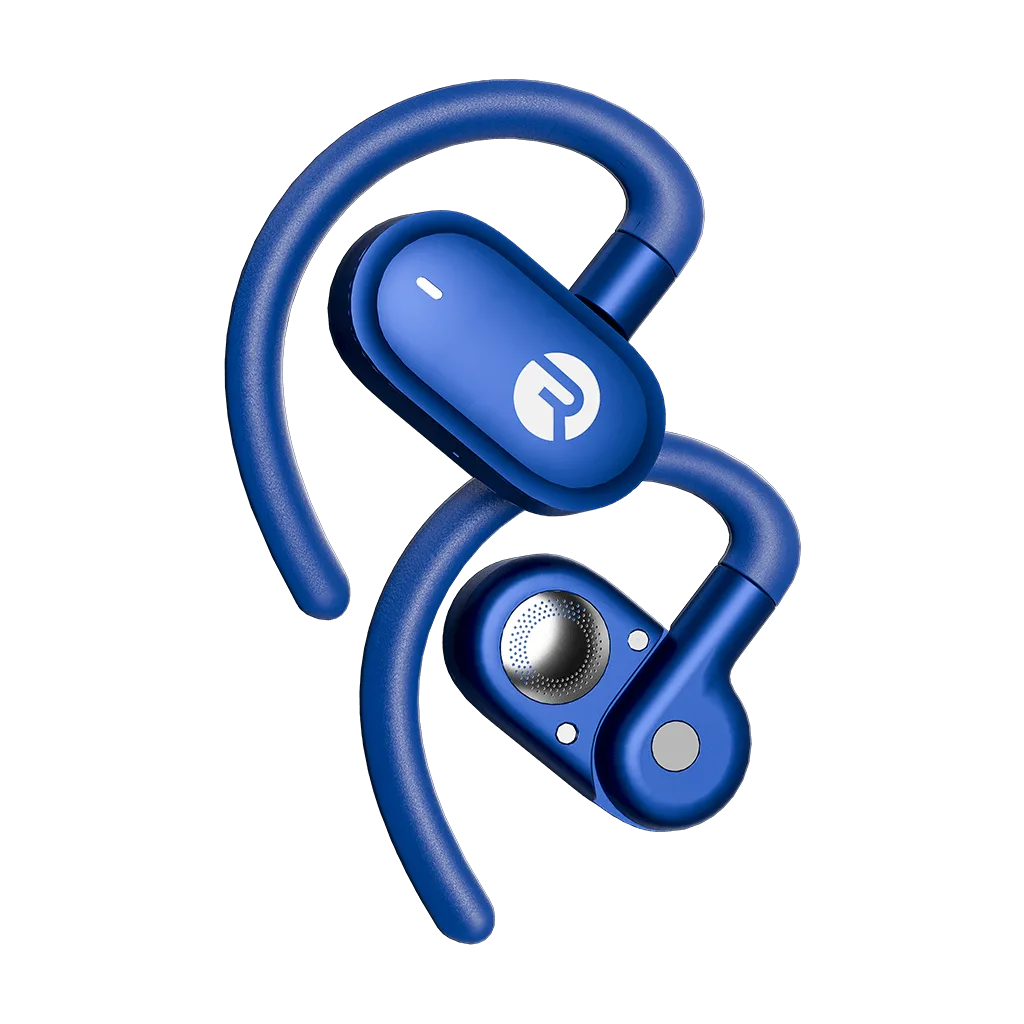
Raycon's open earbud lineup includes the Essential Open Earbuds, which are featherlight and minimalist for all-day comfort, and the Fitness Open Earbuds, built with a secure fit that won't quit during intense workouts. Both let ambient sound in, but the Fitness model adds stability for running and jumping. The trade-off is that open earbuds sit closer to your ear, so in very loud traffic, you might still miss some subtle cues compared to bone conduction.
- Best for: gym sessions, casual runs, and all-day wear where comfort and sound quality matter.
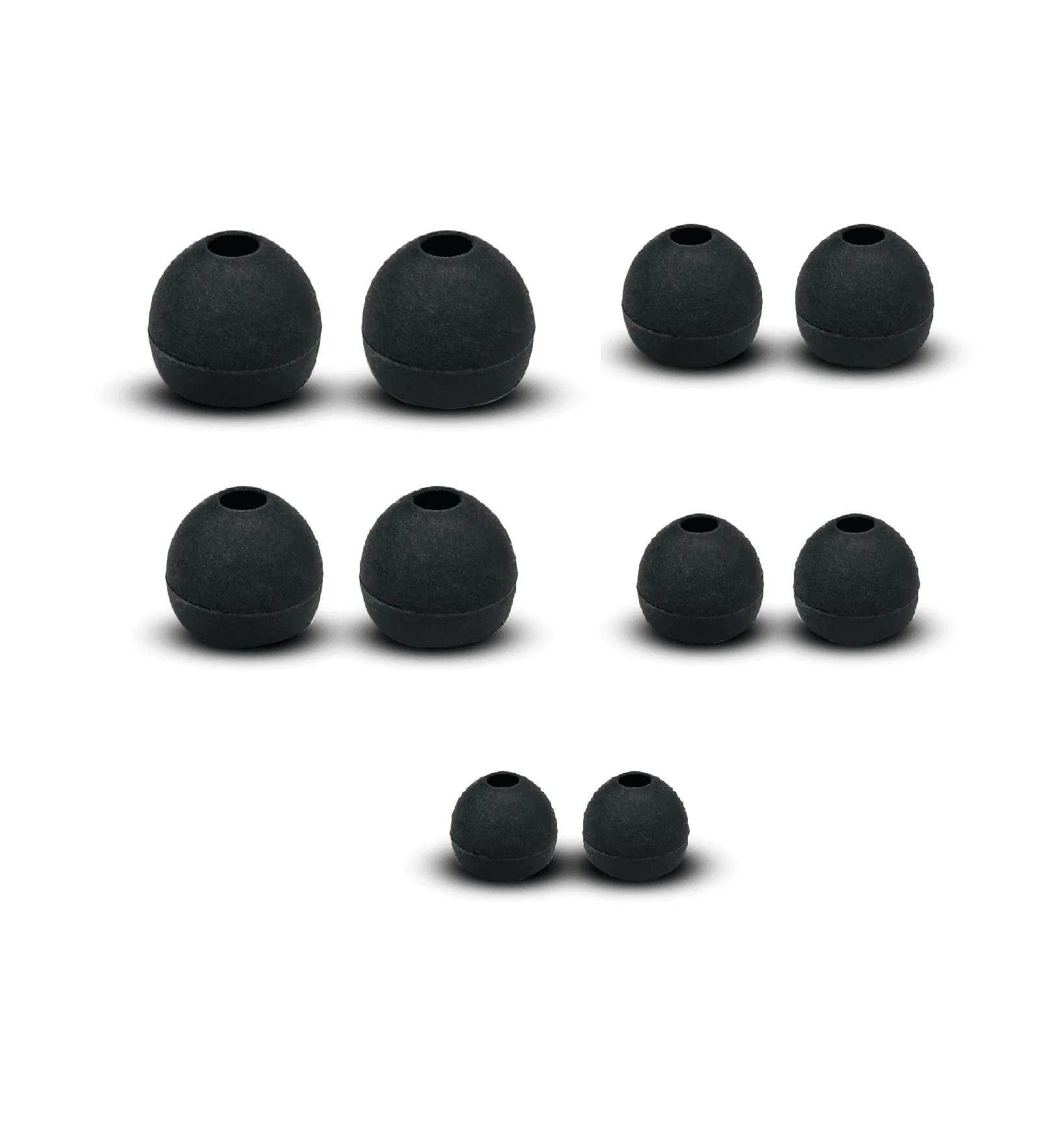
- Fit tip: choose the right ear tip size—if it feels loose, try a different size or consider gel tips for a snugger fit.
Awareness, Safety, and Real-World Trade-Offs
When it comes to open ear earbuds safety, both designs are far better than sealed in-ear buds. Bone conduction keeps your ears completely unobstructed, so you hear every car, bell, and footstep. Open earbuds also let sound in, but because they rest near the ear opening, they may slightly muffle very high-frequency sounds like bike bells or car tires on wet pavement. If you ride in heavy traffic, bone conduction gives you the most raw awareness.
For bone conduction headphones for running, the main drawback is audio quality—bass is limited, and you may need to raise volume in noisy areas, which can drain battery faster. Open earbuds for cycling offer better sound but can feel less secure if you sweat heavily or hit rough terrain. The Fitness Open Earbuds address this with a secure fit, but no open design is completely immune to movement. Your priority—maximum awareness or richer audio—should guide your choice.
- Test your setup: wear your chosen headphones in a safe area and check if you can hear a friend call your name from 10 feet away.
- Volume matters: keep volume low enough that you can still hear ambient sounds—most safety guidelines suggest below 60%.
Which Should You Choose for Outdoor Workouts?
If your top priority is staying aware of your surroundings at all times, especially on roads shared with cars, bone conduction headphones are the safer bet. They leave your ears fully open and are ideal for cycling, road running, and commuting. The Raycon Bone Conduction Headphones deliver that awareness in a bud-free design with size and color options for a personalized fit.
If you want a blend of awareness and better sound quality, or you mainly work out in gyms and parks with less traffic, open ear earbuds are more versatile. The Essential Open Earbuds are incredibly light for all-day comfort, while the Fitness Open Earbuds lock in for high-intensity sessions. For sleep or relaxation, the Sleep Earbuds offer a different kind of comfort with built-in soothing sounds—but they're not designed for outdoor awareness. Ultimately, the best headphones for outdoor workouts are the ones you'll actually wear consistently and safely.
- Consider accessories: Gel Tips for The Everyday Earbuds or Gel Tips for The Fitness Earbuds can improve fit and comfort if you go the open earbud route.
- Try before you commit: if possible, test both styles in a store or buy from a retailer with a good return policy.
Trade-Offs at a Glance
- Awareness level: Bone conduction leaves ears fully open; open earbuds rest near the ear opening and may slightly muffle high-frequency sounds. Choose bone conduction if you ride in heavy traffic; open earbuds are fine for parks and quiet roads.
- Audio quality: Open earbuds generally deliver richer sound and deeper bass; bone conduction prioritizes awareness over bass. If sound quality is your top priority, open earbuds like the Essential Open Earbuds are the better pick.
- Fit and stability: Bone conduction uses a band around the head; open earbuds rely on ear tips and sometimes stabilizer fins. For high-intensity workouts, the Fitness Open Earbuds offer a more secure fit than standard open earbuds.
- Comfort for long wear: Open earbuds are often lighter and less noticeable; bone conduction can feel pressure on cheekbones after hours. For all-day wear, the featherlight Essential Open Earbuds are more comfortable.
Key Product Facts
- Bone Conduction Headphones: Total awareness with bud-free listening. Leaves ears completely open so you hear traffic and surroundings clearly—ideal for road cycling and running.
- Essential Open Earbuds: Featherlight, minimalist design for all day comfort. Great for long wear without pressure, but slightly less raw awareness than bone conduction in loud traffic.
- Fitness Open Earbuds: Go further with a secure fit that won’t quit. Stays put during intense workouts, making them a strong choice for running and gym sessions where stability matters.
- Sleep Earbuds: Ultra-comfortable earbuds deliver soothing built-in sounds, Bluetooth streaming, and hours of calm. Not for outdoor awareness, but a good option for sleep and relaxation when you want to block out noise.
Which Is Right for You?
Choose bone conduction if you:
- Run or cycle on roads with traffic and need maximum awareness
- Want zero ear canal obstruction for safety
- Prefer a bud-free design that stays put during movement
Choose open earbuds if you:
- Prioritize richer sound quality and deeper bass
- Work out mainly in gyms or quiet parks
- Want featherlight comfort for all-day wear
Both bone conduction headphones and open ear earbuds keep you aware, but they serve different priorities. Bone conduction wins for raw safety in traffic, while open earbuds offer better sound and comfort for less risky environments. Pick the one that matches how and where you move, and you'll stay safer and more entertained.