Quick answer
A bone folder is a shaping and marking tool, not just a seam presser. Use it to set sharp creases in waxed canvas and leather, fold seam allowances flat before stitching, burnish leather edges, and score fold lines on cardstock or pattern pieces. It gives you more control and a crisper result than finger pressing, especially on thick or coated fabrics.
What exactly does a bone folder do that your fingers cannot?
Finger pressing relies on body heat and moisture to soften fibers, which works on thin cotton but fails on waxed canvas, leather, and multiple layers of denim. A bone folder applies concentrated pressure along a narrow edge, compressing fibers and coating without stretching the surrounding fabric. That means you can open a seam and press it flat without distorting the seam line—critical when you are topstitching or installing hardware later. The tool also protects your fingertips from hot seams and sharp zipper teeth.
How do you use a bone folder to crease leather without cracking it?
Leather creasing works best when the leather is dry and at room temperature. Place the leather on a firm, smooth surface, then draw the bone folder along the fold line with steady, moderate pressure. Do not bear down on the first pass; make two or three lighter passes instead. For thick veg-tan leather, you can lightly dampen the fold line with water and let it sit for a minute before creasing, but avoid over-wetting because it can darken or weaken the leather. Always test on a scrap piece first. If the leather is chrome-tanned or very soft, a bone folder may leave a shine mark, so use a scrap to check.
Can you burnish edges with a bone folder?
Yes, but only as a preliminary step. Burnishing leather edges properly requires friction and a burnishing agent like gum tragacanth or water, followed by a wood or plastic burnisher. A bone folder can help you press the edges flat and align layers before you burnish, and it can slick the edge slightly if you rub it vigorously. However, for a glass-smooth finished edge, you still need a dedicated burnisher. Think of the bone folder as a prep tool: it compresses the edge fibers so your final burnish takes less time and looks more even.
How does a bone folder help when folding fabric seams on bags?
Bag seams often involve bulky intersections, curves, and multiple layers. After sewing, finger press the seam open, then run the bone folder along the seam line from the wrong side. The flat, rigid edge lets you press right up to the stitching without crushing the seam allowance. For curved seams, work in short strokes and follow the curve; the bone folder will not stretch the fabric like an iron can. On waxed canvas, the folder also re-fuses the wax coating along the fold, which helps the crease hold without heat.
When should you choose a bone folder over finger pressing?
Choose the bone folder when you need a sharp, permanent crease, when you are working with leather or waxed canvas, or when you are folding a seam that will be topstitched. Finger pressing is fine for quick, temporary folds on quilting cotton or when you are basting. But for bag making, where structure and durability matter, the bone folder gives you repeatable results. If you are making a kit like the Naito, which has a sit-flat base and pleated closure, a bone folder helps you set those folds precisely before sewing.
Do you need a bone folder for every bag project?
No. If you only sew simple tote bags from lightweight cotton, finger pressing or a seam roller may be enough. But once you start adding zippers, leather tabs, or waxed canvas, a bone folder becomes one of the most-used tools on your table. It is also inexpensive and lasts for years, so it is a low-risk addition. If you are unsure, start with a basic bone folder and see how often you reach for it.
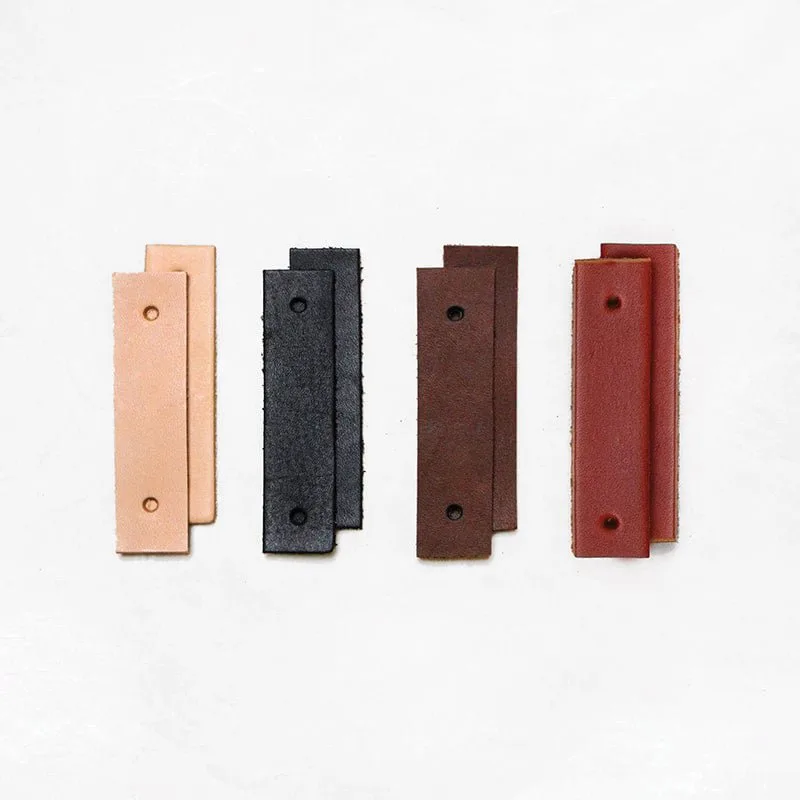
leather tabs
Bone folder FAQ
Can I use a bone folder on paper patterns?
Yes. Use it to crease pattern paper along fold lines instead of a ruler and pencil. It leaves no graphite marks and gives a crisp fold that lies flat. Keep a separate bone folder for paper if you also work with leather, to avoid transferring oils.
How do I clean a bone folder?
Wipe it with a dry or slightly damp cloth. Avoid soaking it in water or using solvents, which can dry out or crack the bone over time. A quick wipe after each project keeps it smooth and ready.
Will a bone folder scratch leather?
It can leave a light burnish mark on some leathers, especially chrome-tanned or oily ones. Test on a scrap first and use light pressure. If you see marks you do not want, switch to a Teflon folder or place a piece of paper between the tool and the leather.
Tools that pair with a bone folder
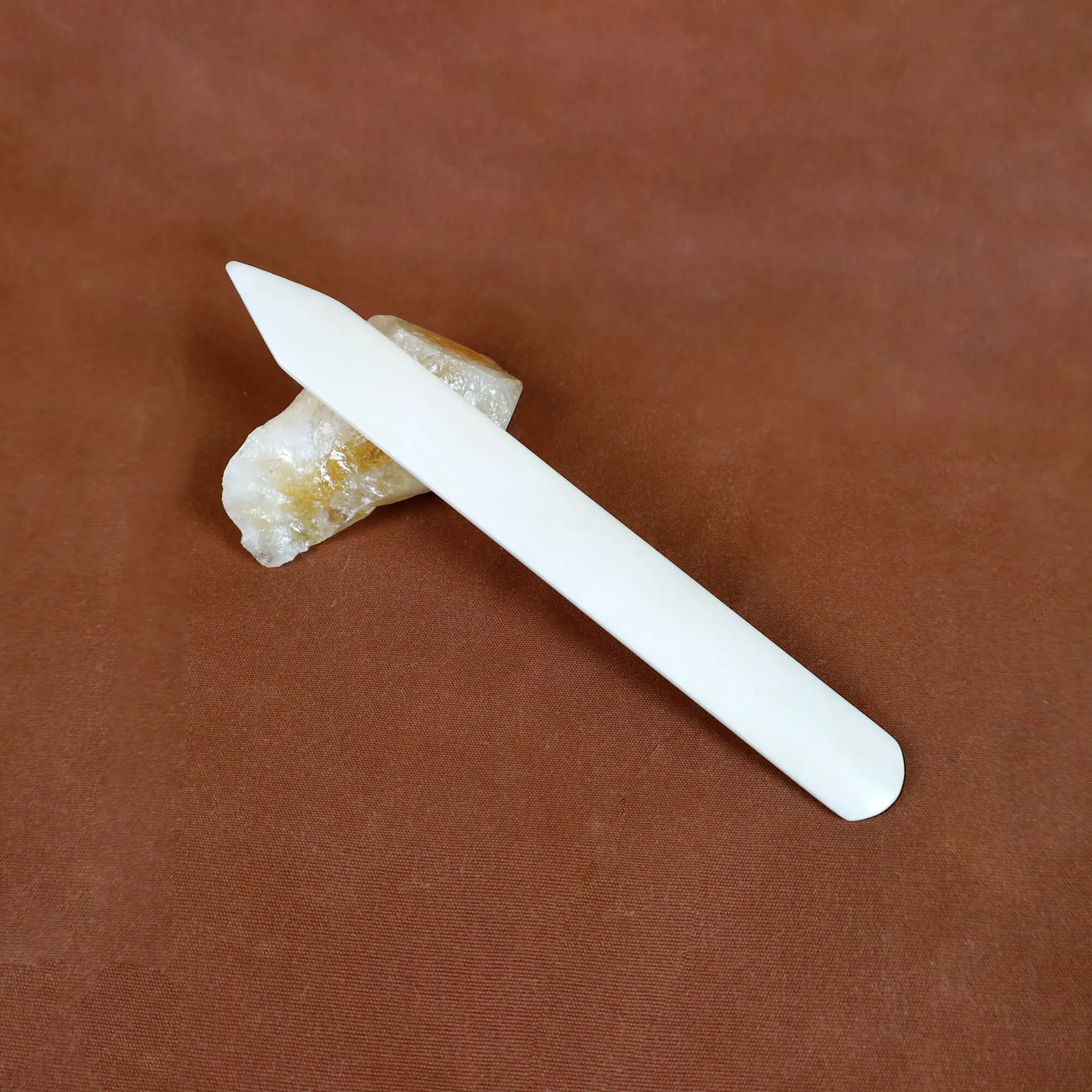
- Bone Folder: This Bone Folder is a genuine ox bone tool designed for creasing and marking on waxed canvas and leather. Ox bone is hard, smooth, and non-porous, so it will not snag waxed canvas or leave dark marks on leather like some wooden tools can.
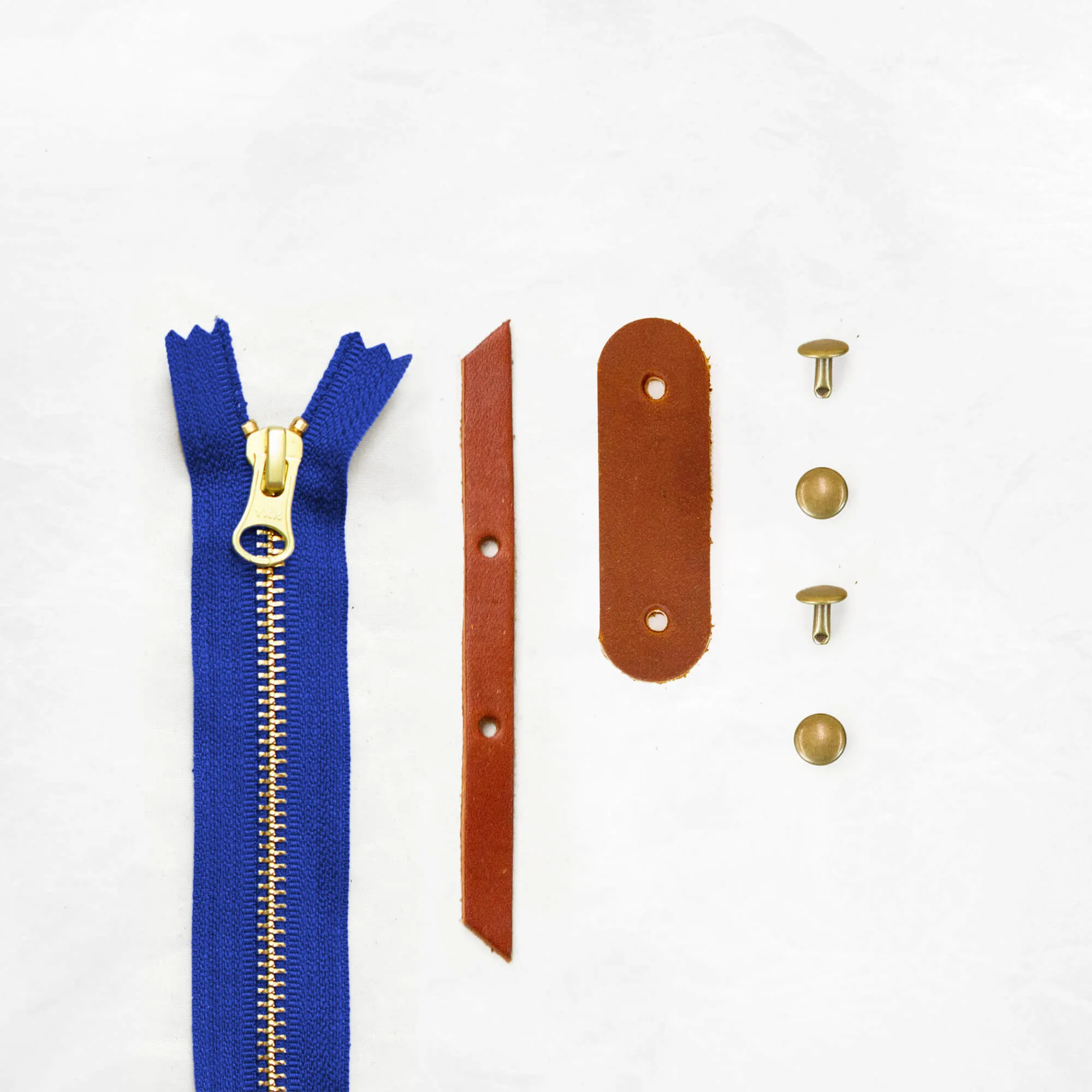
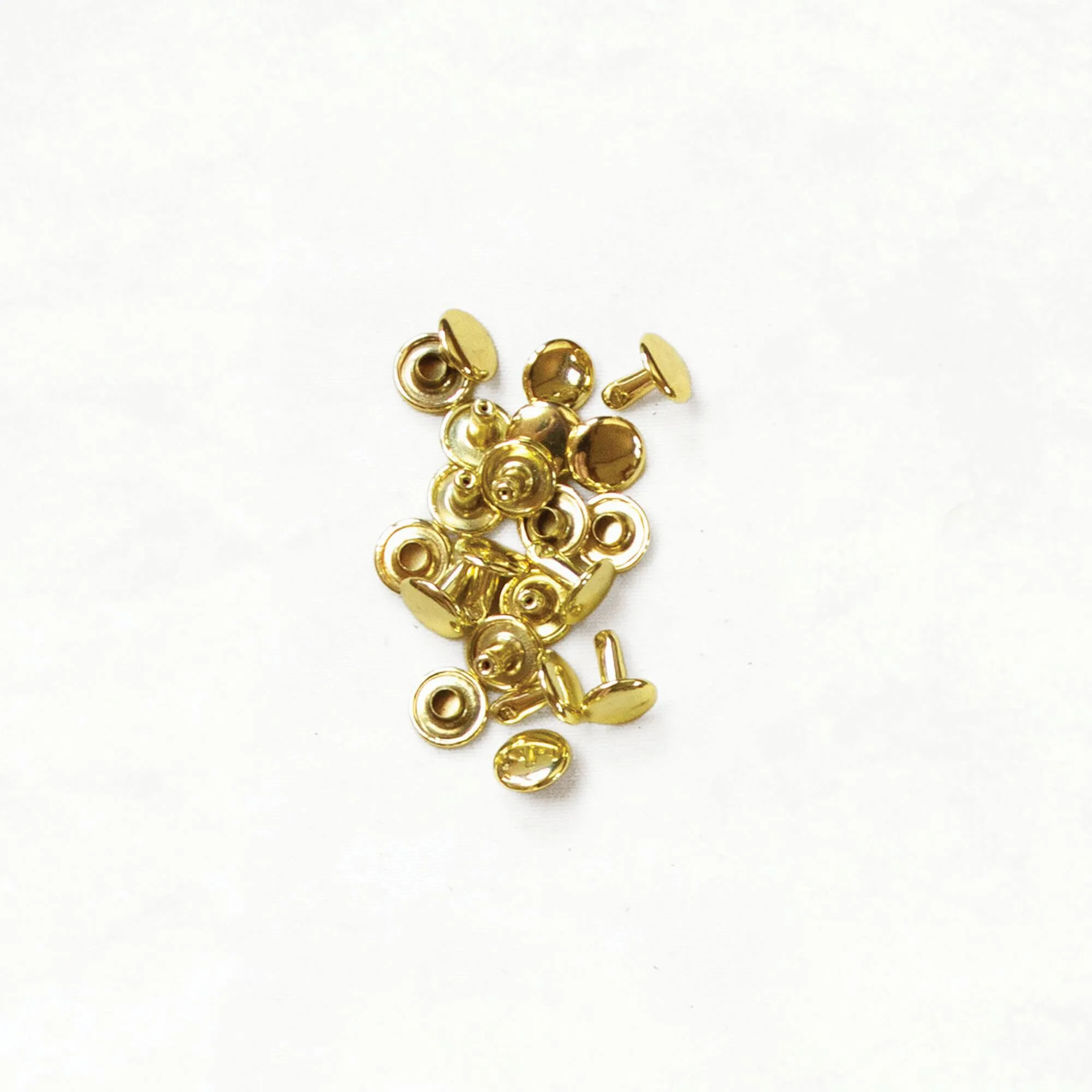
- Portsmith - Chestnut Zipper Closure Kit: The Portsmith Chestnut Zipper Closure Kit includes a 14-inch brass zipper, leather zipper pull, leather end tab, and double-cap rivets. Installing a zipper closure involves folding and creasing leather tabs and the zipper opening; a bone folder helps you press those folds flat before riveting.