Quick answer
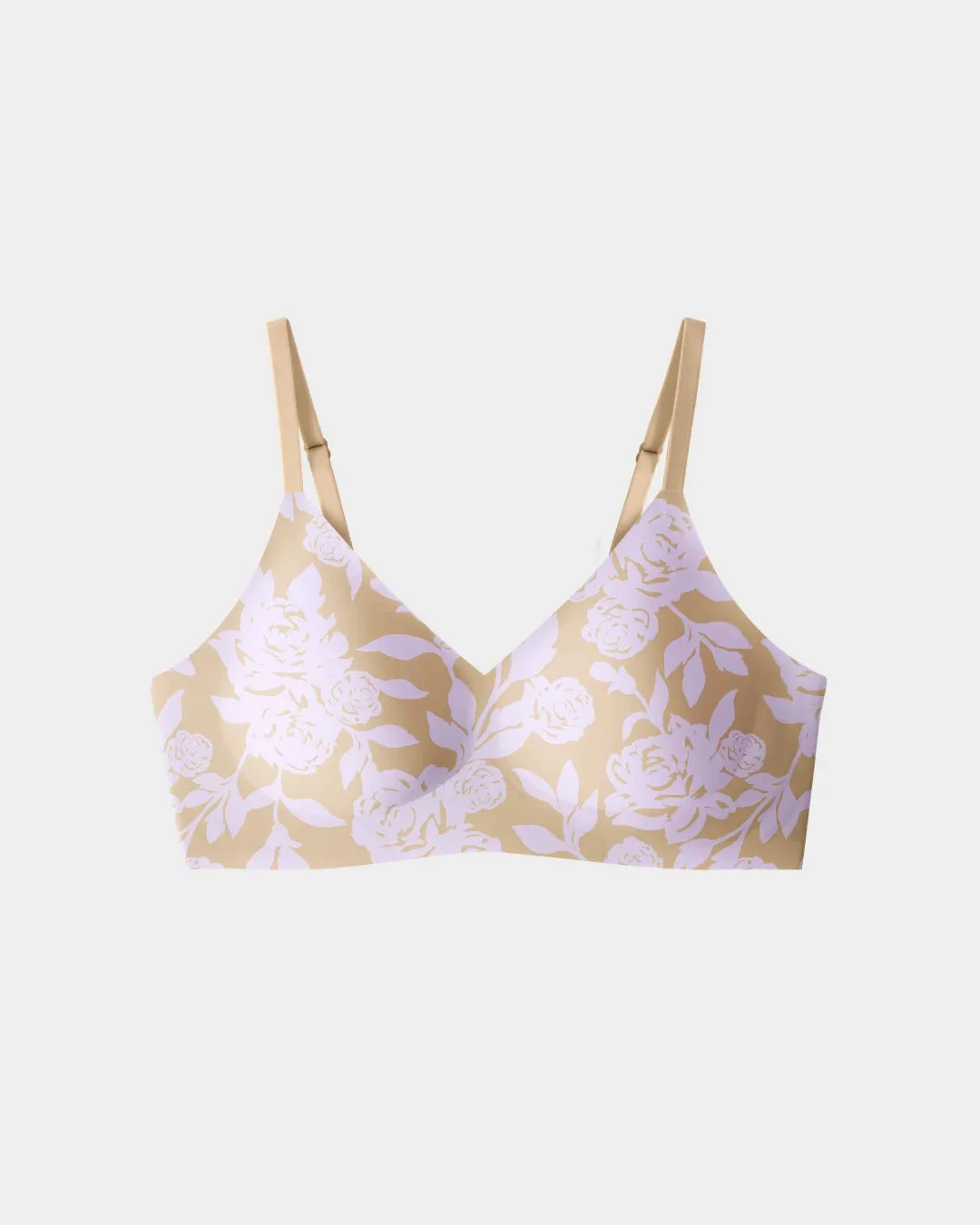
For most of recovery, wear a soft, wire-free bra that holds without digging, and keep it clean and correctly sized as swelling changes. Start with your surgeon's post-op instructions, then use comfort signals — pressure marks, rib pain, or incision rubbing — to decide when to adjust fit or switch styles. A seamless wire-free option such as the Lila Relief Bra can work well once your surgeon clears you for a less structured bra.
Match the symptom to the cause before you buy anything
Post-op discomfort is usually not one problem but several, and each has a different fix. Swelling that shifts from day to day is a sizing problem. A band that leaves red marks is a pressure problem. Itching or pulling along the incision is a fabric and seam problem. Naming which one you have keeps you from buying a bra that solves the wrong thing.
A practical first step is to check your bra at the end of the day, not the morning. Swelling often peaks later, so a bra that felt fine at 8 a.m. can be the one causing evening rib pain. If you can, note where the marks land: under the band, along the side, or across the front. That location tells you which adjustment to make first.
Adjust fit in this order: band, cup, then straps
The band carries most of the support, so fix it first. It should sit level and snug without leaving deep grooves. If it rides up, it is too loose; if it presses into your ribs, it is too tight — and during recovery, sizing up in the band is often more comfortable than sizing up in the cup. Next, check the cup: if the wire or seam presses into breast tissue, the cup is too small or the shape is wrong for your swelling. Straps come last. They should hold the cup in place, not lift the bra; tightening straps to compensate for a loose band is a common cause of shoulder and neck ache.
Because swelling changes, a single bra may not fit for the whole recovery. Many people keep two sizes on hand: one for the first weeks and one for later, when swelling settles. If your surgeon gave you a specific compression or support requirement, follow that over general comfort advice.
Choose fabrics and seams that respect healing skin
Incisions and numb or sensitive areas can react to seams, lace, and rough edges. A smooth, seamless inner surface reduces friction, and a soft mesh or stretch fabric moves with you instead of against you. Look for a bra with no underwire if your surgeon has not required one, and check that the band edges are covered rather than raw.
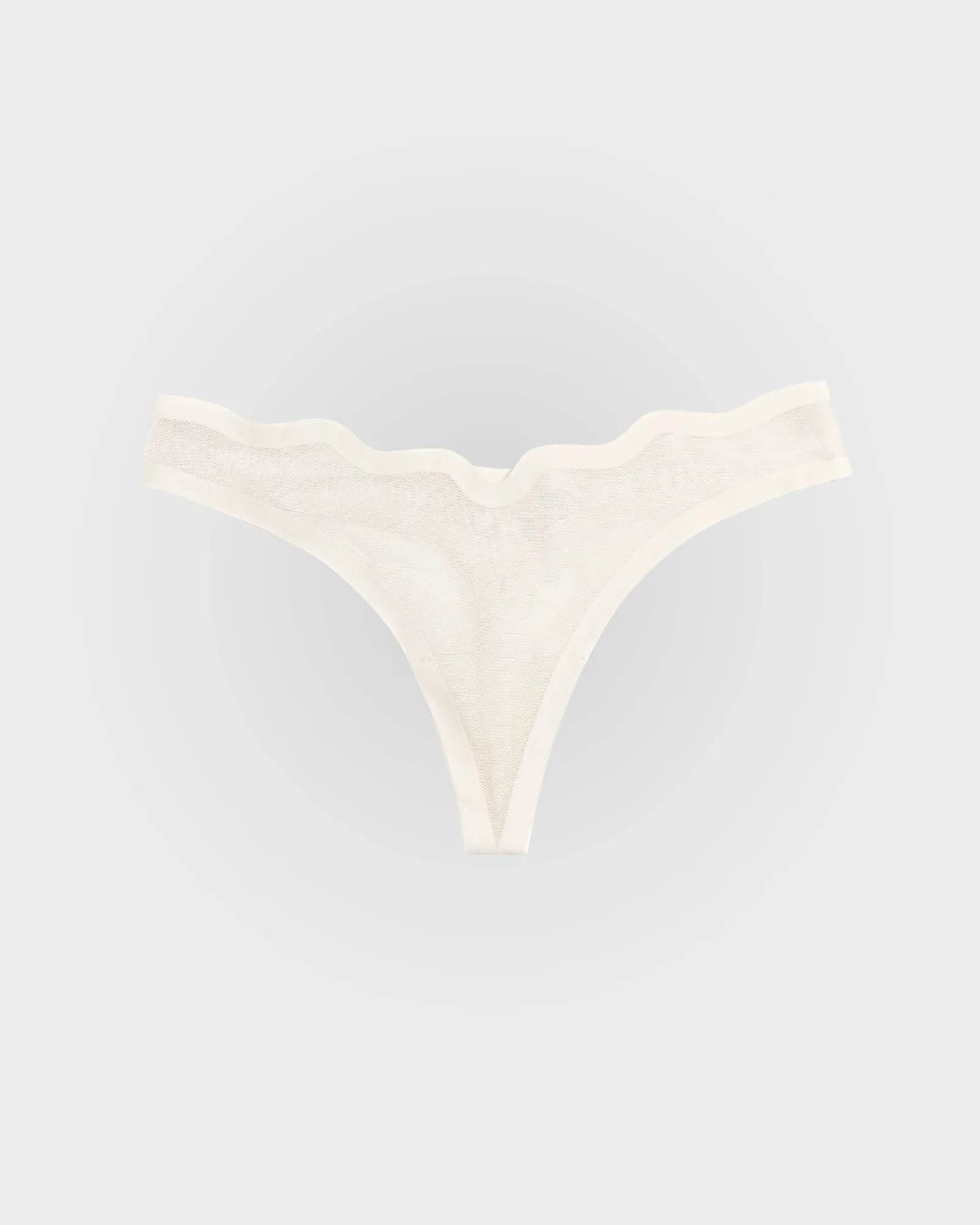
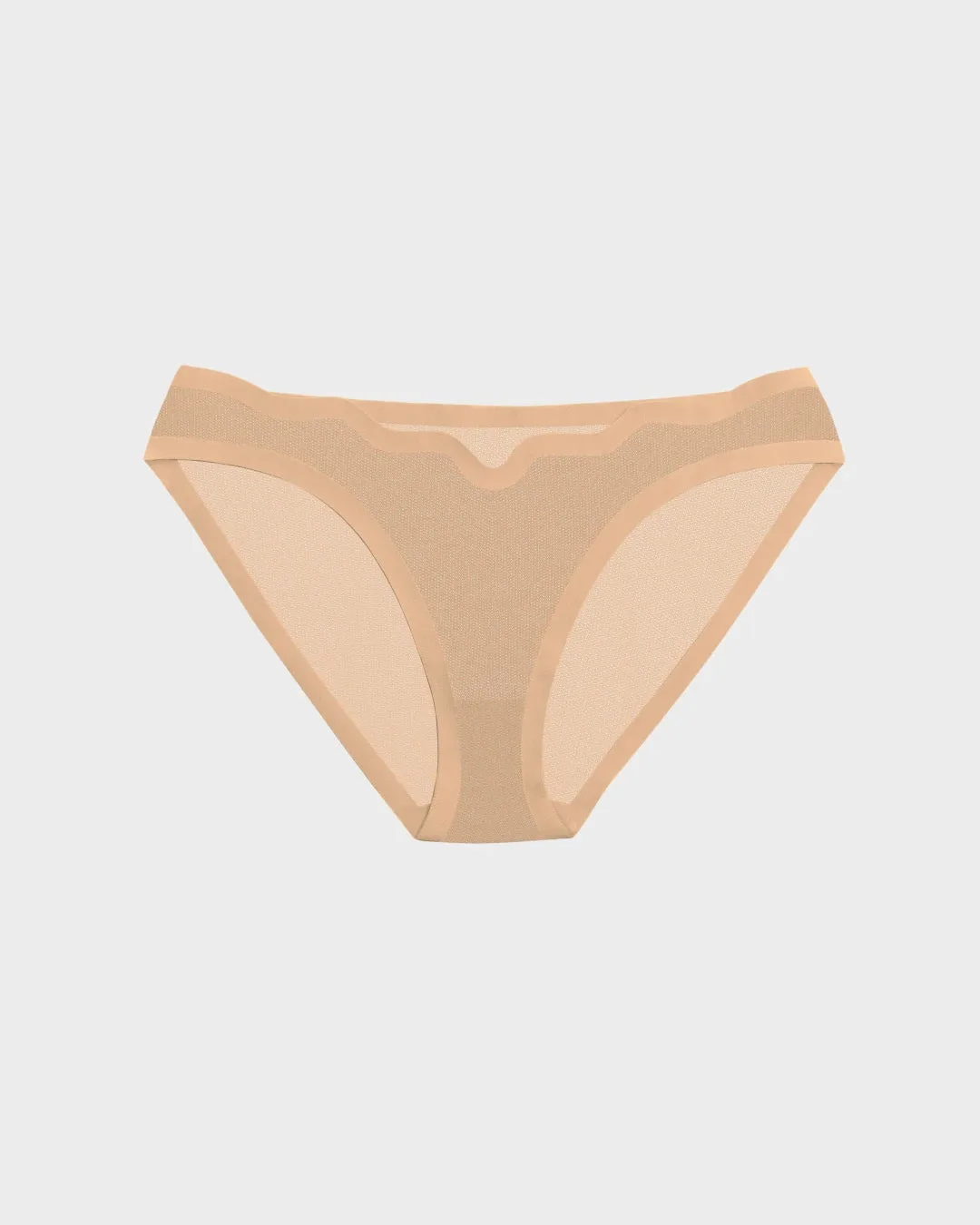
If you are also choosing underwear for recovery, the same logic applies: soft mesh and a comfortable cut matter more than a decorative finish. The Cookie Dough Lucy Bikini and Marshmallow Lucy Thong are both mesh styles designed to be comfortable enough for all day, which makes them a reasonable match for the low-friction, easy-wearing phase of recovery. Wash new pieces before wearing them, and use a gentle, fragrance-free detergent if your skin is reactive.
Know when to stop and call your surgeon instead
Bra adjustments help with comfort, not with medical problems. Stop self-adjusting and contact your surgeon if you have increasing pain, heat, redness, swelling that keeps getting worse, drainage, or a fever. Those are not fit issues, and no bra change will fix them.
Also stop and ask before switching to a less structured bra. Some surgeons want consistent support for a set period; others clear you earlier. If you are unsure whether a wire-free style is allowed yet, keep wearing the bra you were given until you get an answer. Comfort is the goal, but your surgeon's timeline sets the limits.
Symptom, cause, and what to do next
- Red marks or grooves under the band: The band is too tight or has shifted as swelling changed. Size up in the band or loosen the back closure by one hook, and recheck at the end of the day when swelling is highest. If marks fade within an hour of removing the bra, the fit is close; if they persist, change size.
- Itching or pulling along the incision: Seams, lace, or rough edges are likely rubbing healing skin. Switch to a seamless, wire-free bra with a smooth inner surface and covered band edges. If irritation continues after switching, stop and ask your surgeon before trying another style.
- Rib or side pressure that builds through the day: The band or side structure is pressing on tissue that is still swollen. Try a style with a softer wing and no underwire, and avoid tightening straps to compensate. If pressure turns into sharp pain, numbness, or skin changes, that is a call-your-surgeon moment, not a fit fix.
Recovery-friendly pieces worth knowing
- Lila Relief Bra: The Lila Relief Bra is designed to ditch underwire discomfort without sacrificing support, lift, or shape, using SoftWire 3D Wing Suspension. A wire-free structure can reduce pressure on tender ribs and incisions while still holding shape, which is often the balance people want mid-recovery.
- Cookie Dough Lucy Bikini: The Cookie Dough Lucy Bikini is a mesh brief in a classic brief cut, available in panty sizes XS through XL. A soft mesh brief with a full-coverage cut is easier on sensitive skin than a tighter or more decorative style, and the size range helps you match changing fit.
- Marshmallow Lucy Thong: The Marshmallow Lucy Thong is a mesh thong designed to be comfortable enough for all day and sexy enough for all night. If you prefer less fabric, a mesh thong can work during recovery as long as it does not rub the incision area or press on swollen tissue.