Quick Answer
The best books for bag makers combine clear instructions, detailed illustrations, and a variety of projects that match your skill level. For a hands-on start, consider pattern books like the Lamont Mini Sling Bag Kit, which includes a full pattern and coordinated materials. That way, you learn by sewing a complete project rather than just reading about techniques.
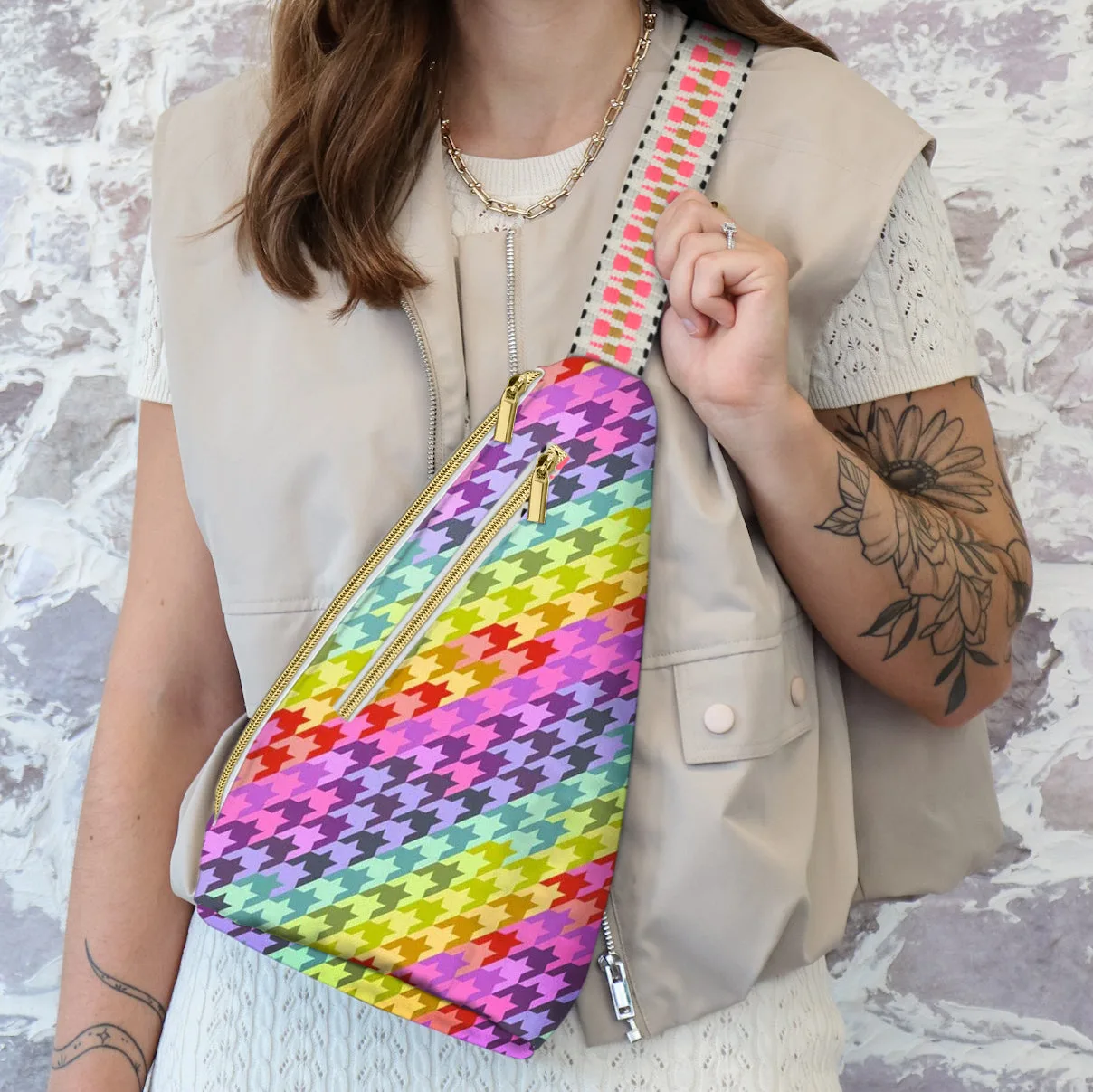
Lamont Mini Sling Bag Kit
Building a reference library of bag making books is one of the smartest investments you can make in your craft. Unlike random online tutorials, a well-chosen book offers structured lessons, reliable techniques, and inspiration that you can return to again and again. Whether you're just starting out or you've been sewing for years, the right books can help you master new skills and refine your process.
But with so many options available, it's easy to feel overwhelmed. Some books focus on pattern drafting, others on construction techniques, and many are simply collections of projects. This guide will help you sort through the options, identify what you need based on your skill level and goals, and choose books that will genuinely support your bag making journey.
Why Books Are Still Essential for Bag Makers
In an age of video tutorials and downloadable PDFs, you might wonder if physical books are still worth the shelf space. For bag making, the answer is a resounding yes. A good book provides a structured curriculum that builds skills progressively. It allows you to flip back and forth between techniques, make notes in the margins, and have a reliable reference on your worktable without needing a screen.
Books also offer a depth of information that's often missing from quick online guides. They cover the 'why' behind techniques, helping you understand not just how to sew a seam but why certain methods produce stronger, more professional results. This foundational knowledge makes it easier to troubleshoot problems and adapt patterns to your own designs.
- Look for books that include detailed photographs or diagrams for each step.
- Check if the book covers the specific types of bags you want to make, such as tote bags, clutches, or backpacks.
- Consider the author's teaching style—some are more conversational, others are highly technical.
Types of Bag Making Books to Consider
Bag making books generally fall into three categories: pattern books, technique guides, and design references. Pattern books provide full-size patterns or templates for specific projects. They're perfect for beginners who want to complete a bag without the pressure of drafting their own design. The Lamont Mini Sling Bag Kit is a great example of a project-based approach, offering a coordinated kit with pattern and materials.
Technique guides focus on skills like inserting zippers, working with hardware, or using interfacing. These are invaluable for intermediate sewists who want to refine their craft. Design references, on the other hand, explore the principles of bag construction and materials, helping you create your own patterns. Many sewists find that a mix of all three types serves them best.
- If you're new, start with a pattern book or kit that includes everything you need.
- As you gain confidence, add technique guides to improve specific skills.
- Design references are best for those who want to create original bags.
How to Evaluate a Bag Making Book
Before you buy, consider the book's level of detail and whether it matches your current skill set. Look at the table of contents and sample pages if possible. Does it include clear instructions for the types of bags you want to make? Are the illustrations or photos helpful? Does the author explain not just what to do but why? These are signs of a quality resource.
Also consider the book's physical format. A spiral-bound book lies flat on your worktable, which is a major advantage when you're following instructions. Some books include pattern sheets in a pocket at the back, which can be more durable than loose pages. Check whether the patterns are in multiple sizes and if they include seam allowances.
- Check the publication date—techniques and materials evolve, but classic books remain useful.
- Read reviews from other bag makers to see if the book lives up to its promises.
- Look for books that include a list of required tools and materials for each project.
The Role of Hardware and Notions in Bag Making Books
Many bag making books assume you have a basic stash of hardware and notions, but they often don't tell you exactly which ones to buy. That's where a good reference library includes not just books but also a well-organized hardware collection. For example, understanding how zipper ends work is crucial when you're sewing a bag with a zipper that hangs loose. The Four Zipper Cord Ends are a small but essential notion that prevents the zipper pull from sliding off.
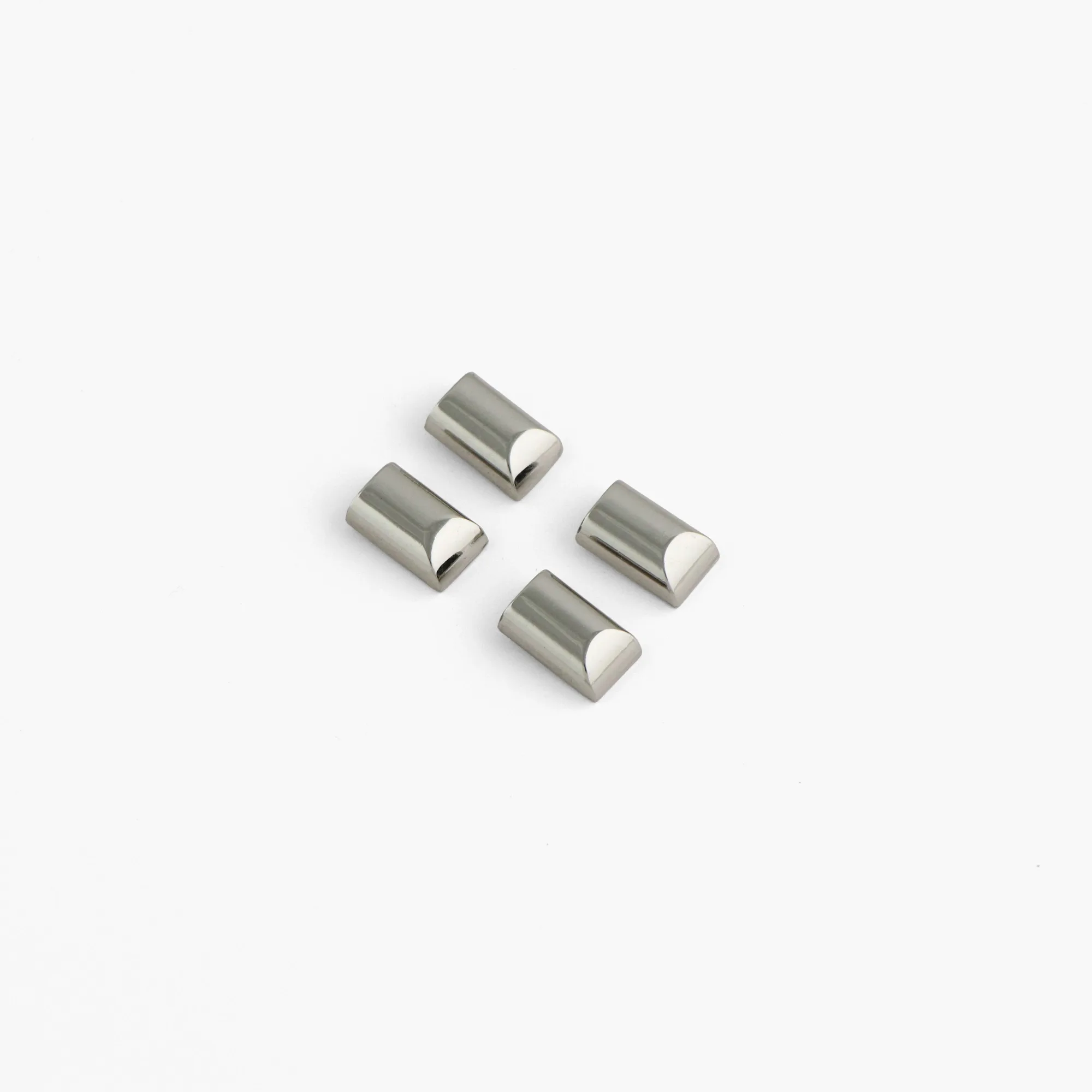
Four Zipper Cord Ends
Similarly, knowing when to use rectangle rings or swivel hooks can elevate your bag's functionality and appearance. Books that explain how to attach hardware properly will save you from frustration and ensure your bags are durable. Pair your book learning with a basic hardware kit, and you'll be ready to tackle most projects.
- Invest in a few versatile hardware pieces like rectangle rings and zipper ends to practice the techniques you learn.
- Store your hardware in a clear, organized container so you can easily find what you need.
Decision Rules for Choosing Bag Making Books
- Skill Level: If you're a beginner, choose books labeled 'easy' or 'beginner' that have step-by-step photos and simple projects. Intermediate sewists can opt for books that cover advanced techniques like zipper installation or working with vinyl. Advanced makers might prefer books on pattern drafting. Match the book's difficulty to your current skills to avoid frustration.
- Project Type: Think about the kind of bags you want to make. If you love sling bags, look for books that feature that style. If you're into wallets and pouches, find books with smaller projects that use zippers and hardware. Choose books that align with your preferred bag styles.
- Learning Style: Some sewists learn best from visual diagrams, others from written instructions. Flip through the book to see if the format makes sense to you. Also consider whether you prefer physical books or digital formats for portability. The best book is one you'll actually use and enjoy reading.
Products That Complement Your Book Library
- Four Zipper Cord Ends: This hardware has multiple uses including covering the raw end of your zipper or drawstring cord. This hardware will also help prevent the pull of your zipper from sliding off the teeth at the end. When you're learning to sew zippers from a book, having these ends on hand lets you finish off zippers neatly and prevents frustrating malfunctions. They're especially helpful for projects where the zipper tail hangs loose, like clutches and handbags.
- Lamont Mini Sling Bag Kit: Create a Sling bag with this coordinated sewing kit, designed for the Lamont Pattern! This kit includes pre-selected materials to help you confidently sew a hands-free, everyday bag perfect for life on the go with a polished, professional finish. This kit is a perfect companion to a pattern book because it eliminates the guesswork of choosing fabric and hardware. You can focus on learning the construction steps from your book while using high-quality materials that are guaranteed to work together.
Who Should Buy What
Best for
- Beginners who want a structured, project-based approach to learning bag making.
- Sewists who want to expand their skills with technique-focused guides.
- Anyone who enjoys having a physical reference to flip through while sewing.
Not for
- Those who prefer video tutorials and interactive learning.
- Sewists who only want to download patterns and don't need extra guidance.
Building a reference library of bag making books is a rewarding investment that pays off in every project. By choosing books that match your skill level and interests, and pairing them with quality hardware and kits, you'll have the knowledge and tools to create beautiful, functional bags. Start with a few well-chosen titles, and let your library grow as your skills do.