Quick answer
Choose a high chair if your child still needs full support, a footrest, and a tray at every meal. Choose a booster chair if your child can sit upright, your table height works, and you want to save floor space. Many families use both: a high chair for the early messy stage, then a booster seat with tray for toddler meals and travel.
The real difference: support vs. portability
A high chair is a standalone piece of furniture. It gives a young child full back support, a footrest, and a tray at a fixed height. A booster chair sits on a dining chair and raises your child to table height. That makes it smaller and easier to move, but it depends on your dining chair and table for stability and fit.
The trade-off is simple: high chairs offer more built-in support and a contained eating zone, while boosters save space and adapt to meals away from home. If your child still slumps or needs a footrest to stay comfortable, a high chair is the better tool. If your child sits steadily and can reach the table, a booster is usually enough.
When to switch to a booster seat
There is no single age that fits every child. Look for signs instead: your child sits upright without slumping, keeps their head up through the meal, and can get in and out of a dining chair with help. Most families make the switch somewhere between 18 months and 3 years, but readiness matters more than the birthday.
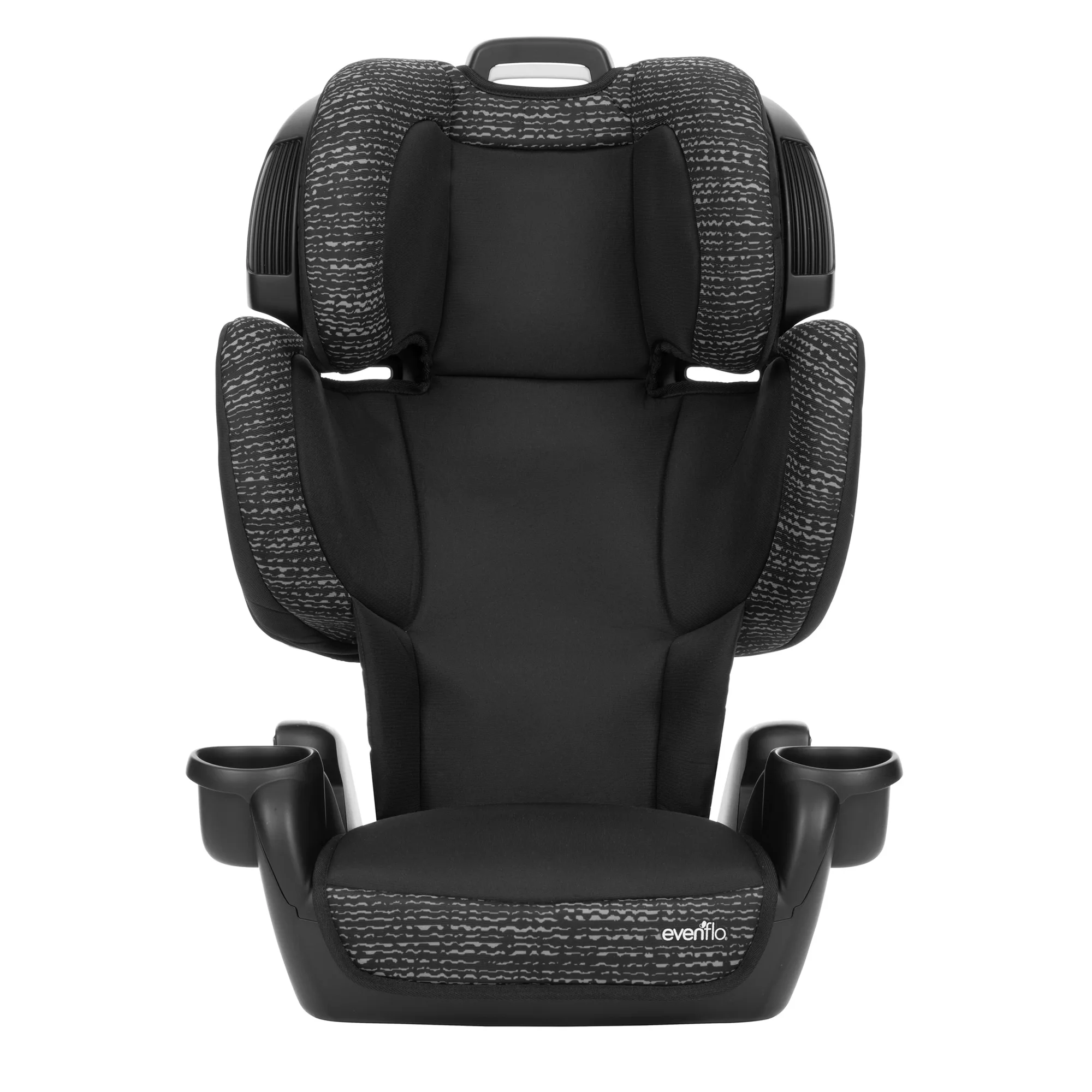
If you want a booster that also works as a car seat later, a 2-in-1 booster car seat can bridge the gap. The Evenflo Chase Plus 2-in-1 Booster Car Seat adjusts from a forward-facing harnessed booster to a high back booster with vehicle belt for children 22 to 120 lbs. That range means one seat can cover multiple stages, though it is a car seat first and not a feeding chair.
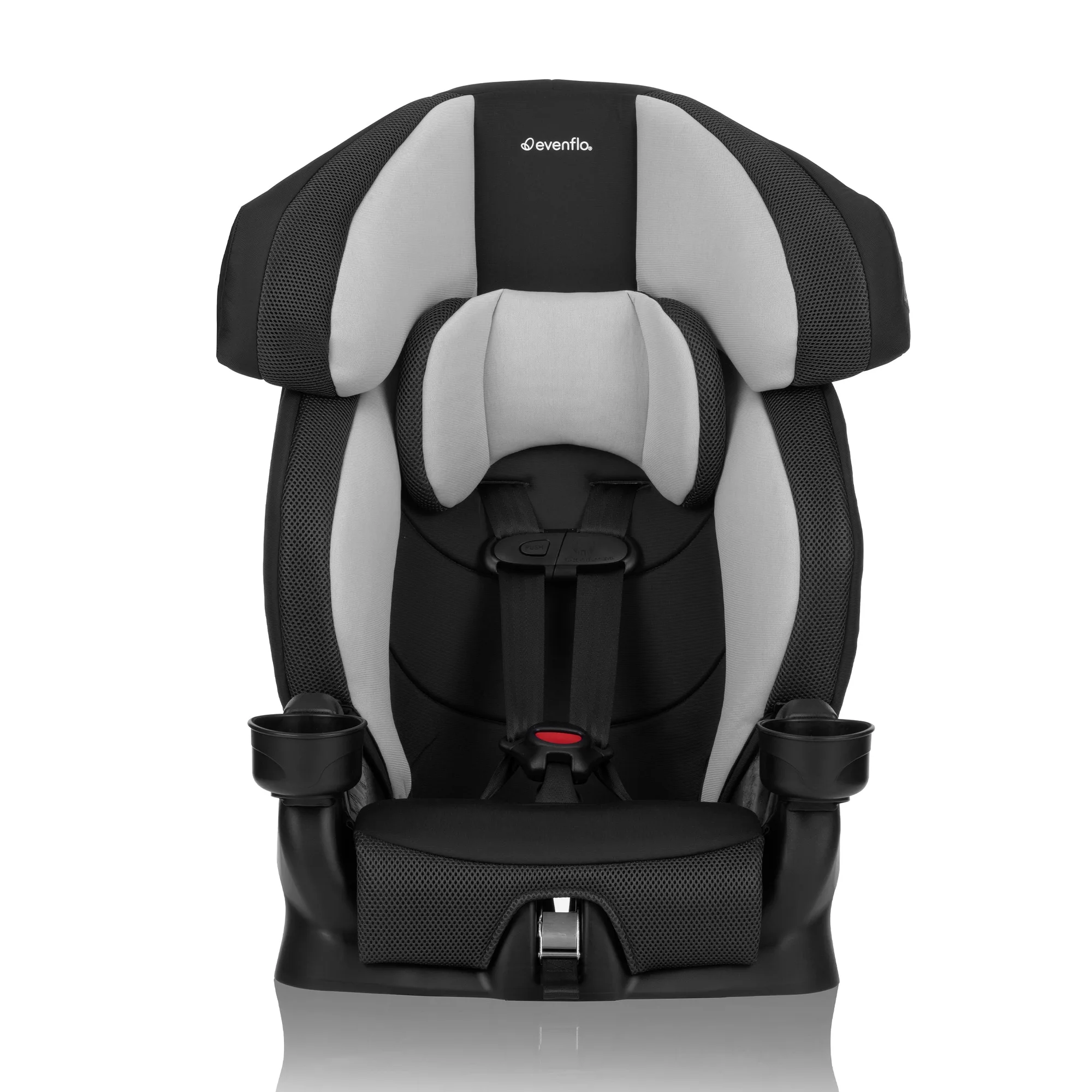
Chase Plus 2-in-1 Booster Car Seat
Tray or no tray: what changes at the table
A high chair tray keeps food contained and lets you clean one surface. A booster seat with tray gives you some of that containment while still being portable. The trade-off is that trays add bulk and need washing, while table feeding means your child eats from your dishes and shares your table height.
If you use a stroller for meals on the go, a stroller snack tray can serve a similar purpose. The Evenflo BPA-Free Child Snack Tray with Snack Cup attaches to your stroller, provides space for snacks and toys, and keeps a sippy cup within reach. Its angled design helps beginner eaters pick up finger foods, and the snack cup is removable for cleaning. This is not a high chair replacement, but it solves the same problem, keeping food and drink accessible during outings.
Space-saving high chair alternatives
If your kitchen is tight, a full high chair can feel like an obstacle. A booster chair that straps to a dining chair takes up almost no extra floor space and can be stored on the chair or in a closet. The catch is that you need a stable dining chair and a table that lets your child sit at a safe height.
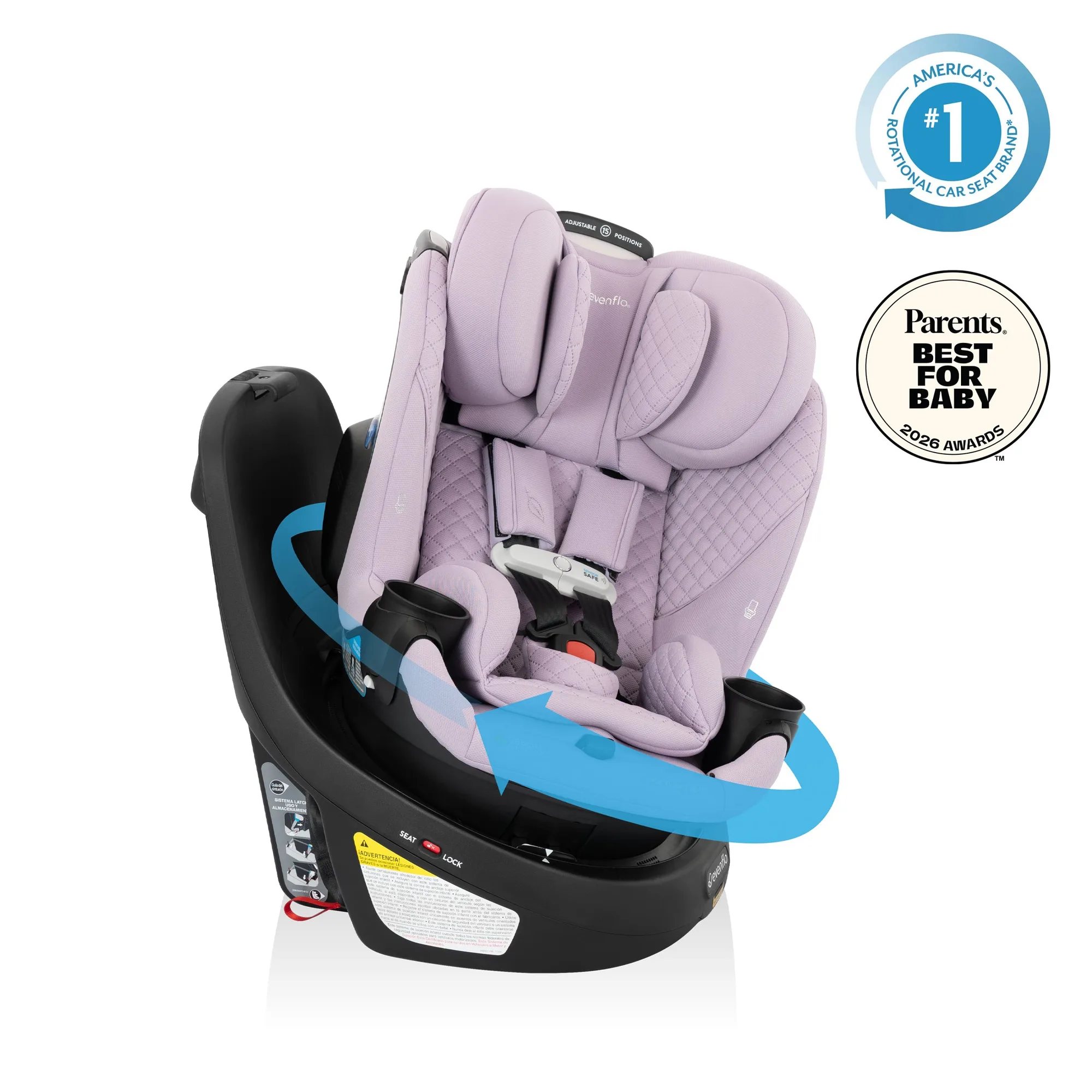
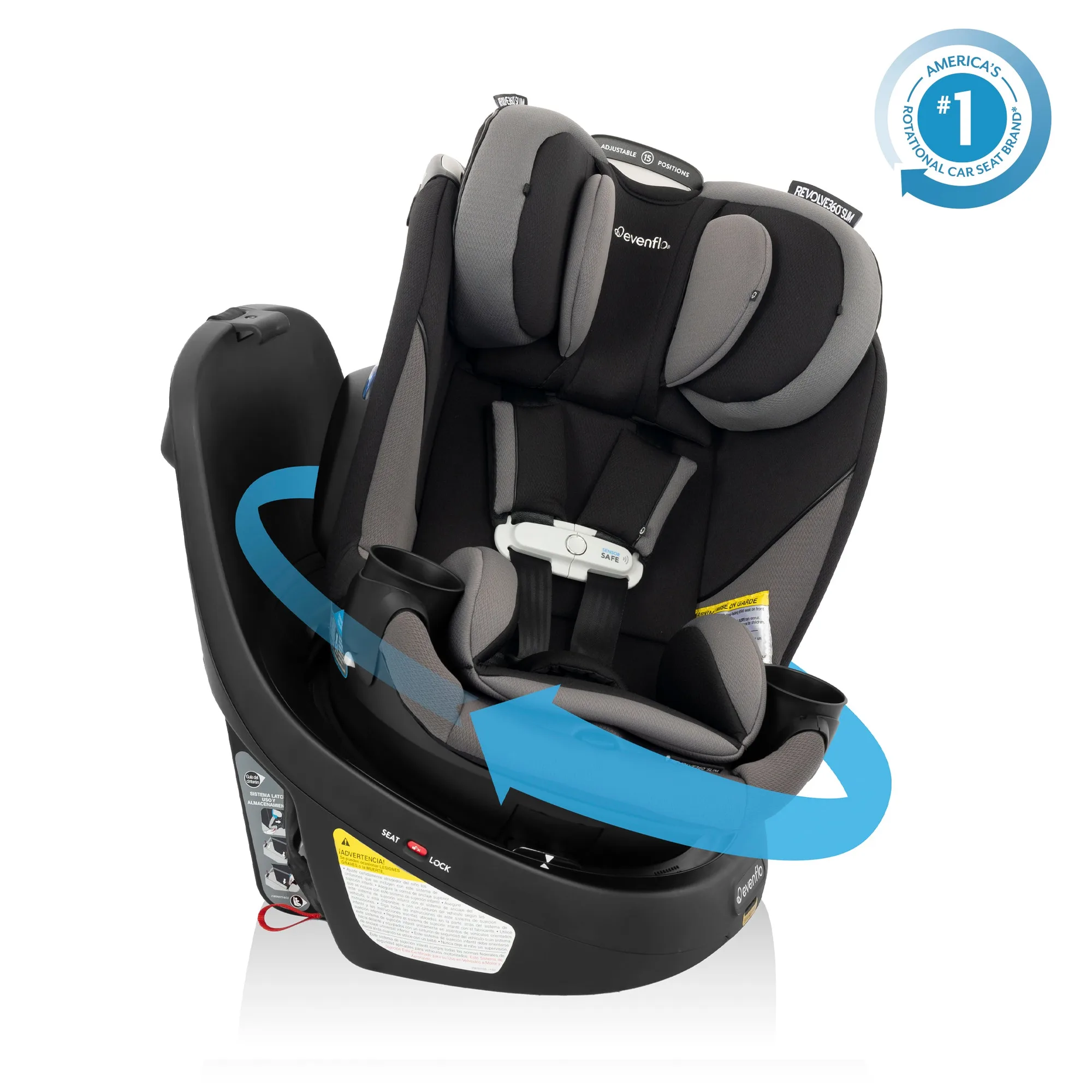
Some convertible car seats also rotate to make loading easier, which matters if you are moving a child in and out of the house. The Evenflo Revolve360 Slim 2-in-1 Rotational Car Seat with Quick Clean Cover has a 16.9-inch footprint, designed for compact vehicles. It is a car seat, not a feeding seat, but the slim profile and rotating design can simplify the daily transition between car and table.
What to check before you buy
Measure your dining chair seat and your table height before choosing a booster. A booster that is too tall can put your child's knees above the table, and one that is too wide may not sit securely. Check the weight range and whether the booster requires a back support or a tray for your child's stage.
For high chairs, look at the footprint, the tray removal method, and how easy the seat cover is to wipe down. A high chair that is hard to clean will make you avoid using it. For boosters, check the strap system and whether the seat has a non-slip base. If you plan to travel, a booster that folds or is lightweight will get more use.
Trade-offs at a glance
- High chair: support and containment: Gives full back support, a footrest, and a tray for messy meals. Takes up floor space and is harder to move between rooms. Best for babies and young toddlers who still need postural support.
- Booster chair: space and portability: Sits on a dining chair, saves floor space, and travels easily. Depends on your table height and chair stability, and may not have a footrest. Best for steady sitters who can reach the table and for small kitchens.
- Booster seat with tray: a middle path: Adds a tray to a booster for containment without a full high chair footprint. The tray adds bulk and needs washing. Good for toddlers who are ready to sit at the table but still need a defined eating zone.
Products that fit this comparison
- BPA-Free Child Snack Tray with Snack Cup: BPA-free child snack tray with snack cup, angled to help beginner eaters pick up finger foods; removable snack cup. Useful for stroller meals and snacks when you are not at a table, but it does not replace a high chair or booster for full meals.
- Chase Plus 2-In-1 Booster Car Seat - Support: 2-in-1 booster car seat that adjusts from forward-facing harnessed booster to high back booster with vehicle belt for children 22 to 120 lbs. Covers a wide weight range and two car seat stages, so it can be a long-term purchase, but it is not a feeding chair.
- Stratos Convertible Car Seat Support: Convertible car seat with rear-facing weight rating up to 40 lbs and forward-facing up to 65 lbs, plus 6-position adjustable headrest and 6 shoulder harness heights. Keeps a child harnessed longer as they grow, which is a separate decision from feeding seats but part of the same transition period.
Which should you choose?
Choose this if
- You have a baby or young toddler who needs full support and a footrest: high chair.
- You have a steady sitter, limited floor space, and a table that fits a booster: booster chair.
- You want a tray for snacks and travel but not a full high chair: booster seat with tray or a stroller snack tray.
Skip this if
- Your child still slumps or cannot sit upright without help: skip the booster for now.
- You need a car seat, not a feeding seat: choose a convertible or booster car seat instead.
- You want one seat for every stage from birth through booster: no single feeding seat covers that range.