Quick answer
Most toddlers need a highchair until they can sit independently and eat without slumping, usually around 18 to 24 months. After that, a booster seat that straps to a dining chair gives them a proper seat at the table. If your child still needs head and neck support or tends to slide forward, keep the highchair longer. There is no rush to switch.
When to move from a highchair to a booster seat
The move to a booster seat depends on your child's physical readiness, not a birthday. Signs your toddler is ready include sitting upright without slouching, keeping their head steady, and being able to bring food to their mouth with some control. If they still lean to one side or need the tray close to their chest for support, they are not ready. A booster seat works best once your child can sit safely in a regular dining chair with the booster's straps holding them in place. Most children reach this stage between 18 and 30 months, but every child is different.
Key differences between a highchair and a booster seat
A highchair is a standalone piece of furniture with its own legs, seat, and tray. It gives full support and keeps your child at a comfortable height for feeding. A booster seat is a smaller, portable seat that attaches to an adult dining chair, raising your child to table height. Neither is inherently better; they serve different stages. Highchairs offer more containment and are easier to clean after messy meals, while booster seats save space, travel easily, and help your toddler feel like part of the family at the table.
Safety checks before you switch
Before using a booster seat, check that your dining chair is stable and has a backrest. Always use the booster's safety straps to secure it to the chair, and use the harness or lap belt to secure your child. Never place a booster seat on a stool or a chair without a back. If your child can unbuckle themselves or tries to climb out, they are not ready. For highchair users, make sure the harness is snug and the chair is on a flat, stable surface away from walls or tables they can push against.
Practical tips for the transition
Start by using the booster seat for short meals or snacks while keeping the highchair available. This lets your child get used to the new setup without pressure. If your toddler resists, let them help choose the booster seat colour or model, which can make it feel like a big-kid upgrade. Keep mealtimes calm and consistent. If your child is not ready, wait a few weeks and try again. There is no benefit to rushing, and a highchair that still fits is perfectly fine.
Toddler feeding seat FAQ
Can my toddler use a booster seat at 12 months?
Only if they can sit independently and hold their head steady without support. Most 12-month-olds still need the full support of a highchair. Check the booster seat's minimum age and weight requirements. Wait until your child meets the seat's safety criteria, not just a birthday.
Do I need a highchair if I already have a booster seat?
Yes, for many families. A highchair is safer and more supportive for younger toddlers who slump or need a tray. A booster seat is a later-stage seat, not a replacement from day one. Use both during the transition: highchair for main meals, booster for practice.
How do I clean a booster seat versus a highchair?
Highchairs often have removable trays and wipeable covers. Booster seats are smaller and can be wiped down or spot-cleaned, but check if the cover is machine washable. For fabric seats, a damp cloth and mild soap usually works. Choose a seat with a removable, washable cover if mess is a concern.
Product facts to consider
- Cot Jersey Fitted Sheets Compatible With Baby Elegance Mattress 120x60cm - Pack Of 4: Pack of 4 jersey fitted sheets compatible with Baby Elegance mattress 120x60cm. Soft, breathable, and machine washable. If your toddler still naps or sleeps in a cot, having spare sheets makes middle-of-the-night changes quick and easy.
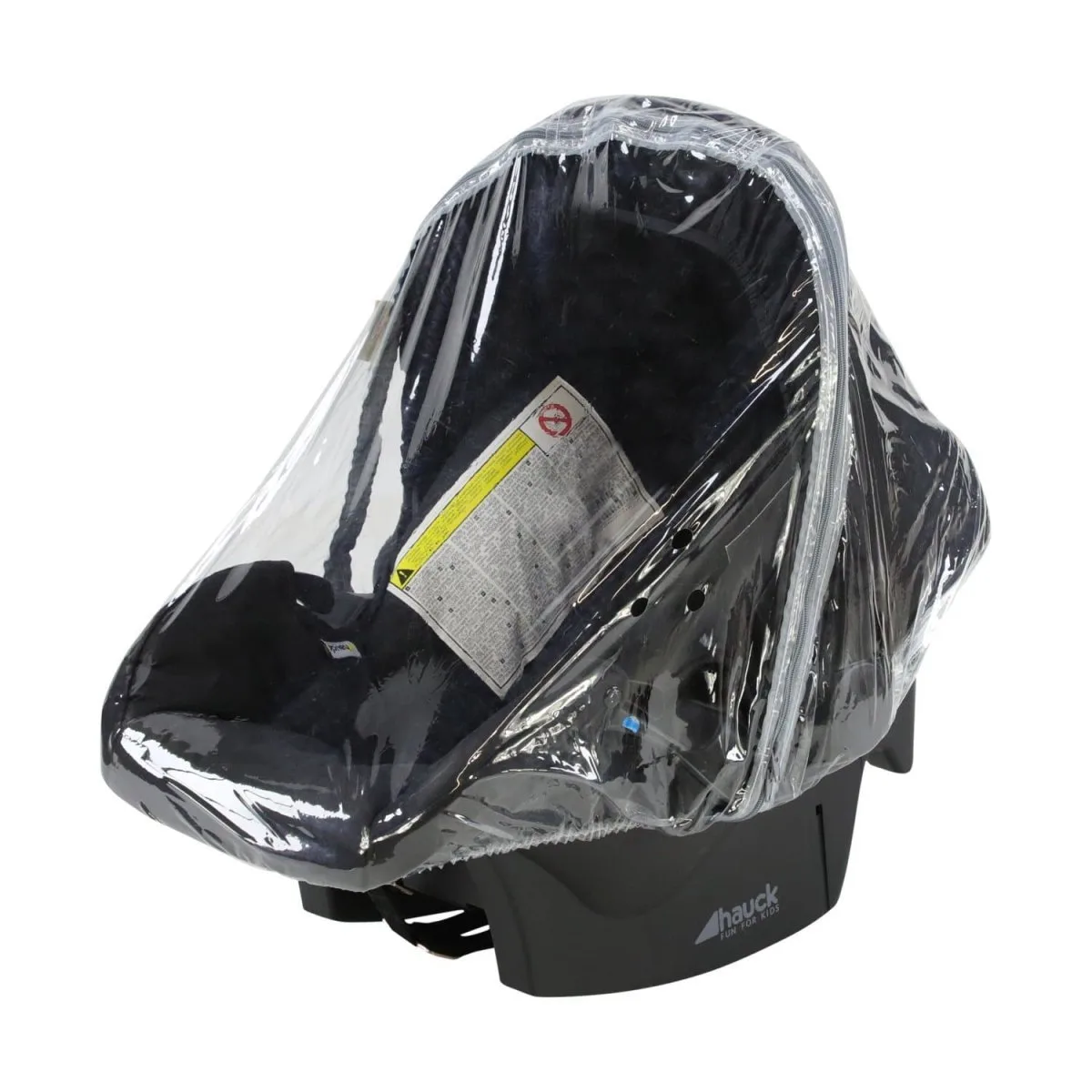
- Buggy Rain Cover Compatible with Obaby: Buggy rain cover compatible with Obaby, made from 250-micron PVC for durability and visibility. Useful for keeping your toddler dry if you are transitioning between car, highchair, and pushchair on rainy days.
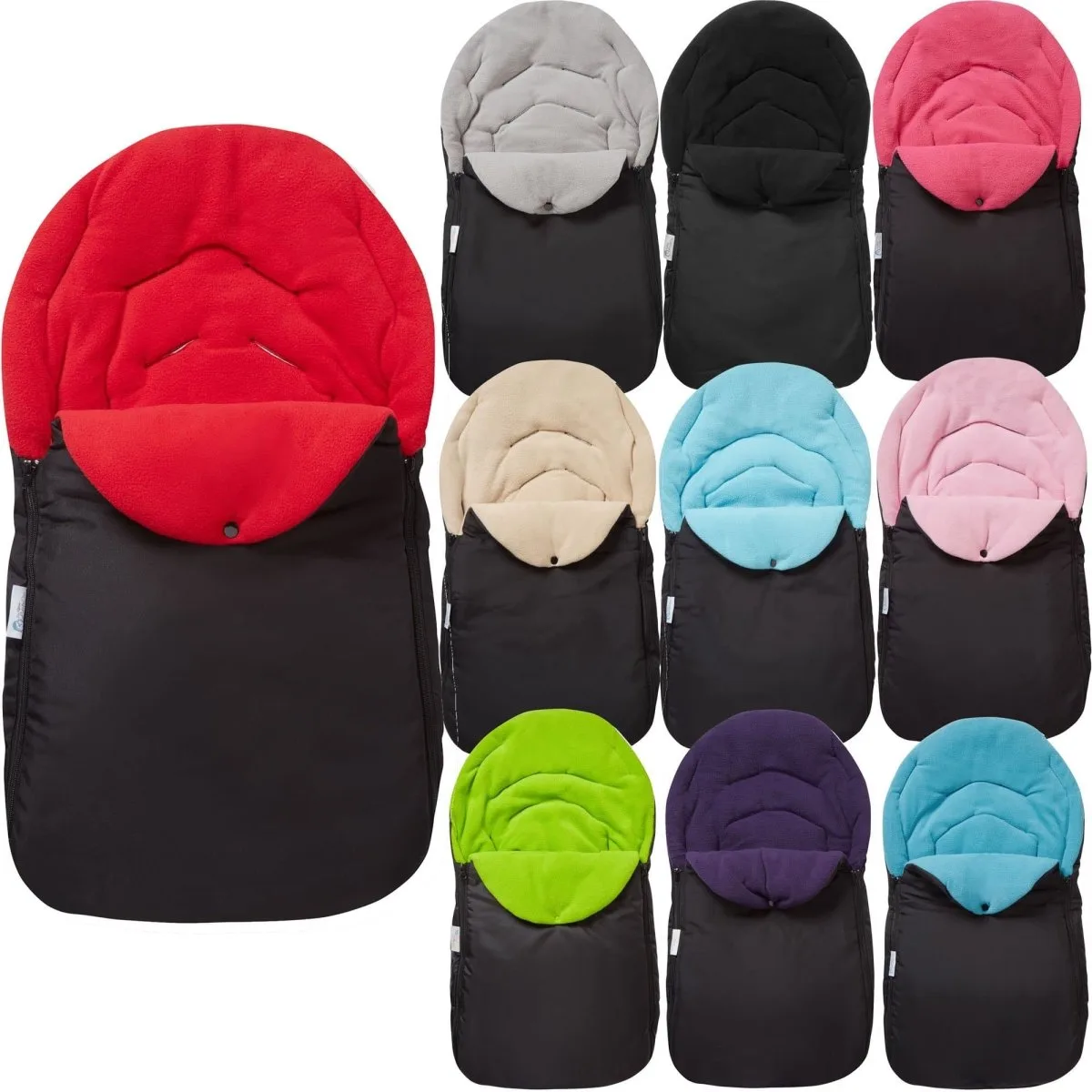
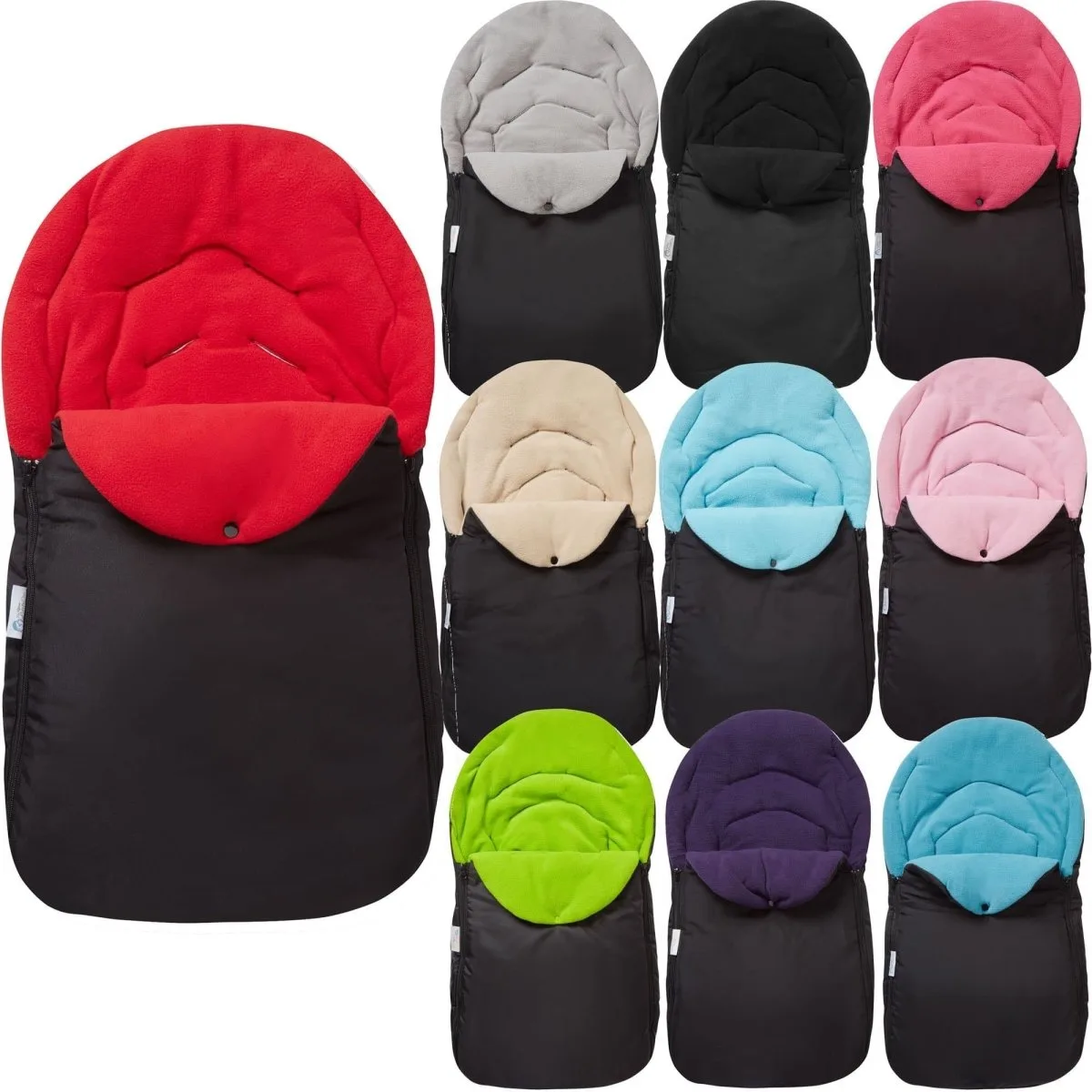
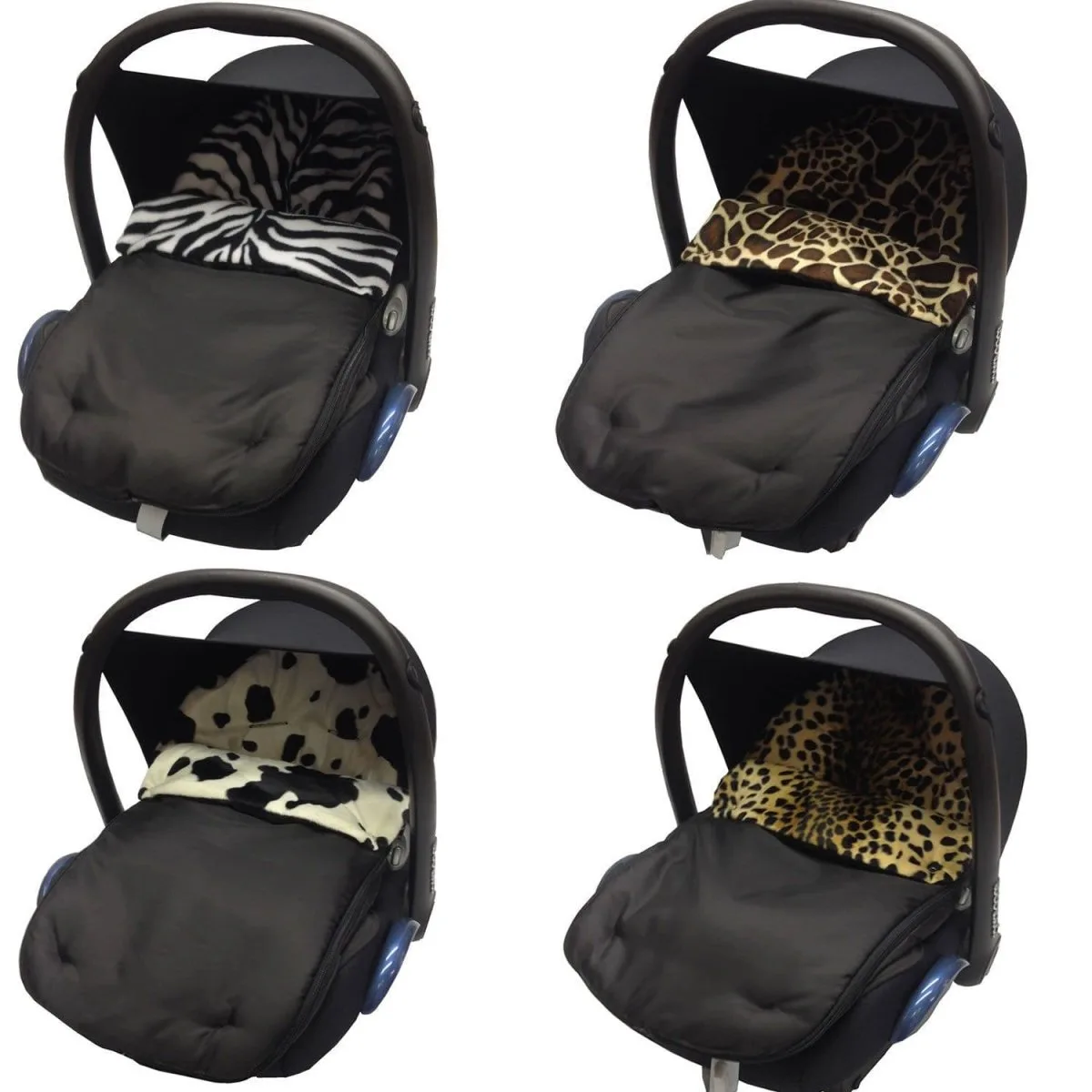
- Car Seat Footmuff / Cosy Toes Compatible with Mee-Go: Car seat footmuff / cosy toes compatible with Mee-Go, available in multiple colours and models. Keeps your toddler warm during car journeys, especially if you are moving them from a highchair to a booster seat in the car.