Quick answer
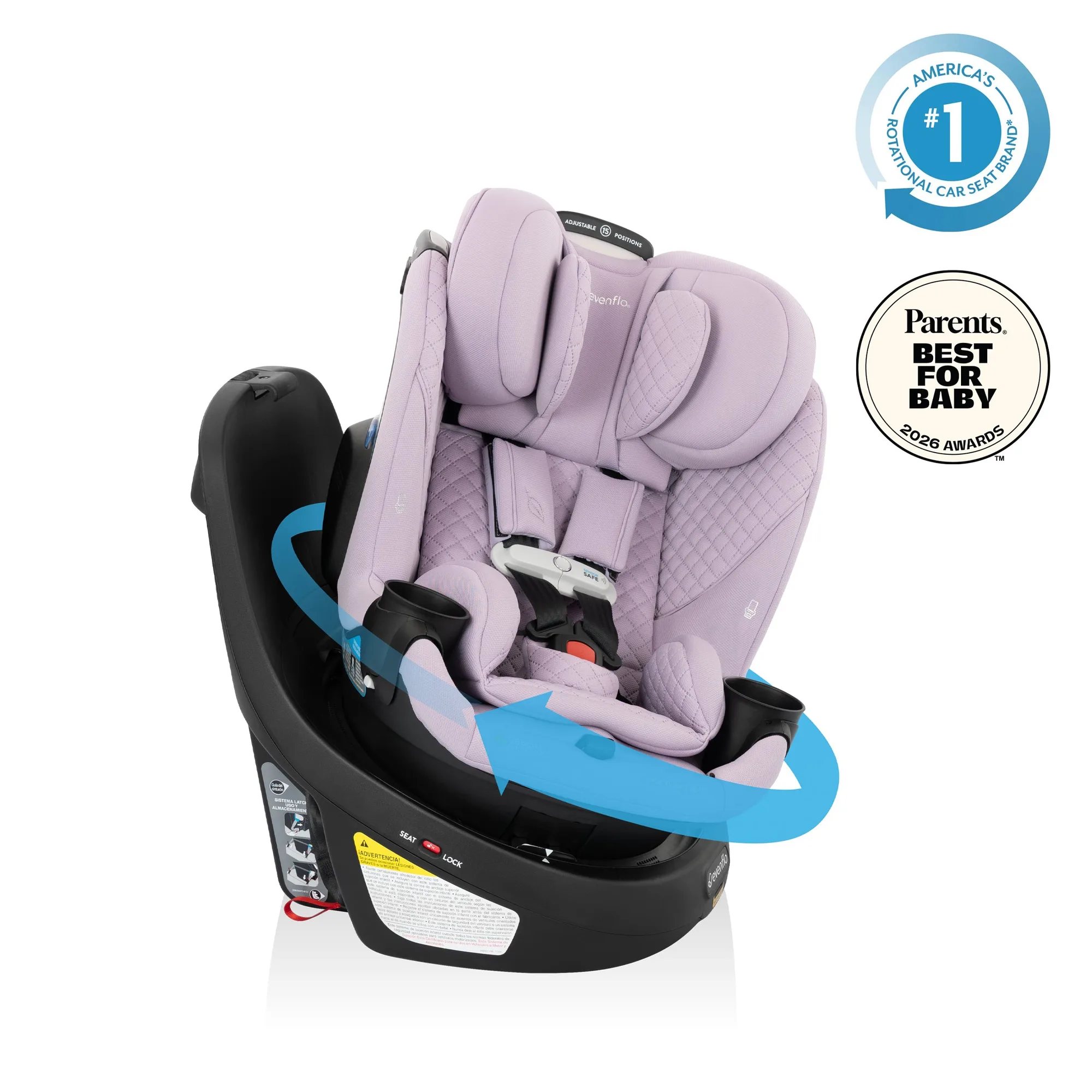
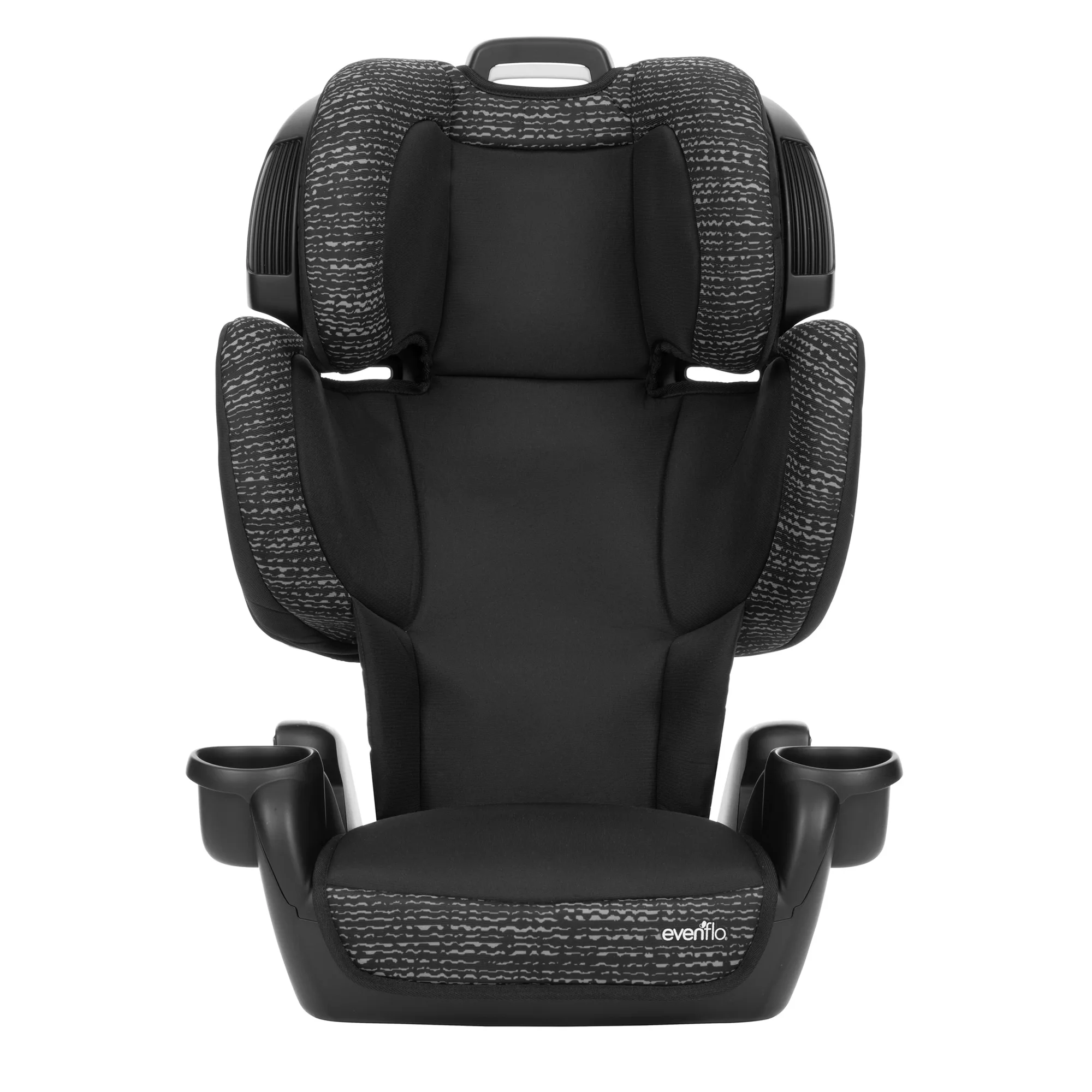
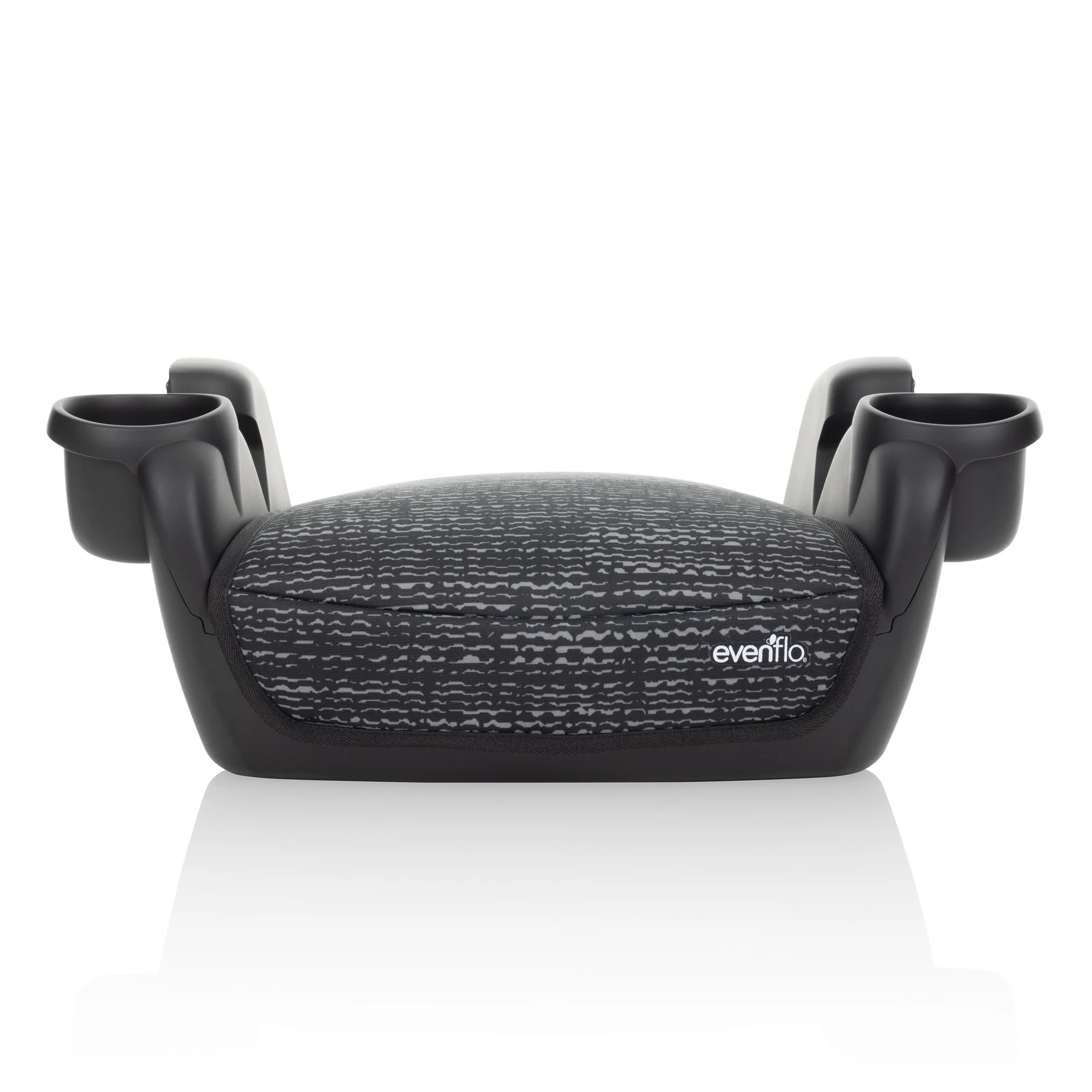
Choose a high-back booster when your vehicle’s seat back is low or your child still needs head and neck support; choose a backless booster when the vehicle headrest supports your child’s head and the seat belt fits across the strongest parts of the body. The Evenflo GoTime No Back Booster is a dedicated backless option for kids at least 5 years old and 40–120 lb, while the Evenflo All4Stages Slim 4-in-1 Convertible Car Seat can be used from birth to booster stage, giving you one seat for multiple stages.
What "booster seat" and "no-back booster" mean in practice
A booster seat raises your child so the vehicle’s lap and shoulder belt fit correctly. A high-back booster adds a backrest that can provide head and neck support and may help route the shoulder belt. A no-back booster, also called a backless booster seat, is just the base—it relies on the vehicle seat and headrest for upper-body support.
Weight and age: the first filter
Booster seat weight requirements vary by model. The GoTime No Back Booster is designed for older kids at least 5 years old and weighing 40 to 120 lb. The All4Stages Slim 4-in-1 Convertible Car Seat is a convertible that can be used from birth to booster stage, so it covers a much wider range. Always check your specific seat’s manual for the exact minimum and maximum weights and height limits.
When to switch to a booster seat
Move to a booster only when your child has outgrown the forward-facing harness limits of their convertible seat. That usually means reaching the top weight or height allowed by the harness. If your child still fits the harness, keep using it—it provides more consistent upper-body restraint. Once you switch, the vehicle belt becomes the primary restraint, so correct fit is critical.
How to check child booster seat fit
The lap belt should sit low across the hips, touching the thighs, not the soft stomach. The shoulder belt should cross the middle of the shoulder and chest, away from the neck. Your child’s knees should bend comfortably at the edge of the vehicle seat, and they should be able to sit still for the whole ride. If the shoulder belt cuts across the neck or the lap belt rides up, a high-back booster with a belt-positioning guide may help, or you may need a different seating position.
Vehicle headrests and backless booster safety
A backless booster seat requires a vehicle seat with a headrest that supports your child’s head at least to the top of their ears. If the vehicle’s seat back is low or the headrest cannot be adjusted high enough, a high-back booster can provide that missing support. Evenflo’s GoTime No Back Booster is a backless design, so it depends on the vehicle headrest for head support.
Cost and convenience: one seat vs. two
A dedicated backless booster is typically lighter and easier to move between cars, which helps for carpools or travel. A 4-in-1 convertible like the All4Stages Slim can replace multiple seats over time, but it stays installed and is heavier to transfer. If you need a simple booster for a child who already meets the weight and age minimum, a backless model costs less and takes up less space. If you are still managing multiple stages, a convertible may save you from buying separate seats later.
Trade-offs at a glance
- High-back booster: Provides head and neck support and can help position the shoulder belt, but it is bulkier and may cost more than a backless model. Best if your vehicle seat back is low or your child still needs help keeping the belt off the neck.
- Backless booster: Lightweight and easy to move, but it relies on the vehicle headrest for head support and offers no backrest for sleeping. Best for older kids who meet the weight minimum and ride in vehicles with adjustable headrests.
- Convertible 4-in-1: Covers from birth to booster stage, so you may not need a separate booster later, but it stays installed and is heavier to transfer. Best if you want one seat for multiple stages and do not need to move it often.
Key product facts
- GoTime No Back Booster Car Seat: Designed for older kids at least 5 years old and weighing 40 to 120 lb who can use an extra boost in the vehicle. This gives you a clear starting point for the booster stage, but it is not for children below those limits.
- All4Stages Slim 4-in-1 Convertible Car Seat: Allows you to seamlessly transfer between family cars or rentals for an easy, on-the-go solution. If you often move a seat between vehicles, a convertible that is easy to transfer can simplify daily routines.
- Pivot Xplore Stroller Wagon Toddler Second Stroller Seat Support: For a child up to 55 lb, this second seat provides more flexibility to your existing Pivot Xplore by offering a modular design. If you already own the Pivot Xplore wagon, this add-on seat can carry a younger sibling without buying a separate stroller.
- LiteMax NXT Accessory Load Leg Support: Compatible with the Revolve180 LiteMax NXT Rotational Infant Car Seat and LiteMax NXT Infant Car Seat, this adjustable support leg helps stabilize the seat base. This accessory is only for those specific infant seats, so check your model before buying.
Which booster fits your child?
Best for
- Children at least 5 years old and 40–120 lb who ride in a vehicle with a proper headrest
- Families who need a lightweight, low-cost booster for carpools or travel
- Kids who can sit still and keep the seat belt properly positioned for the whole ride
Not for
- Children who still fit the harness limits of their forward-facing convertible seat
- Vehicles without a headrest that supports the child’s head to the top of the ears
- Children who need a backrest for head support or to route the shoulder belt