Quick answer
Choose a dog figure when you want a familiar pet that fits small hands, shelf displays, and family-play scenes. Choose a horse figure when you want a larger, breed-specific farm model with a more complex silhouette. Neither is better overall; the right pick depends on whether your scene is a backyard, a stable, or a mixed collection.
When you are building a collection or a play scene, the Border Collie and the horse are two of the most requested animal figures. They look similar in photos but serve different purposes once they are out of the box. One is a household pet with a compact body and a familiar face. The other is a farm animal with a long neck, deep chest, and a history tied to specific breeds.
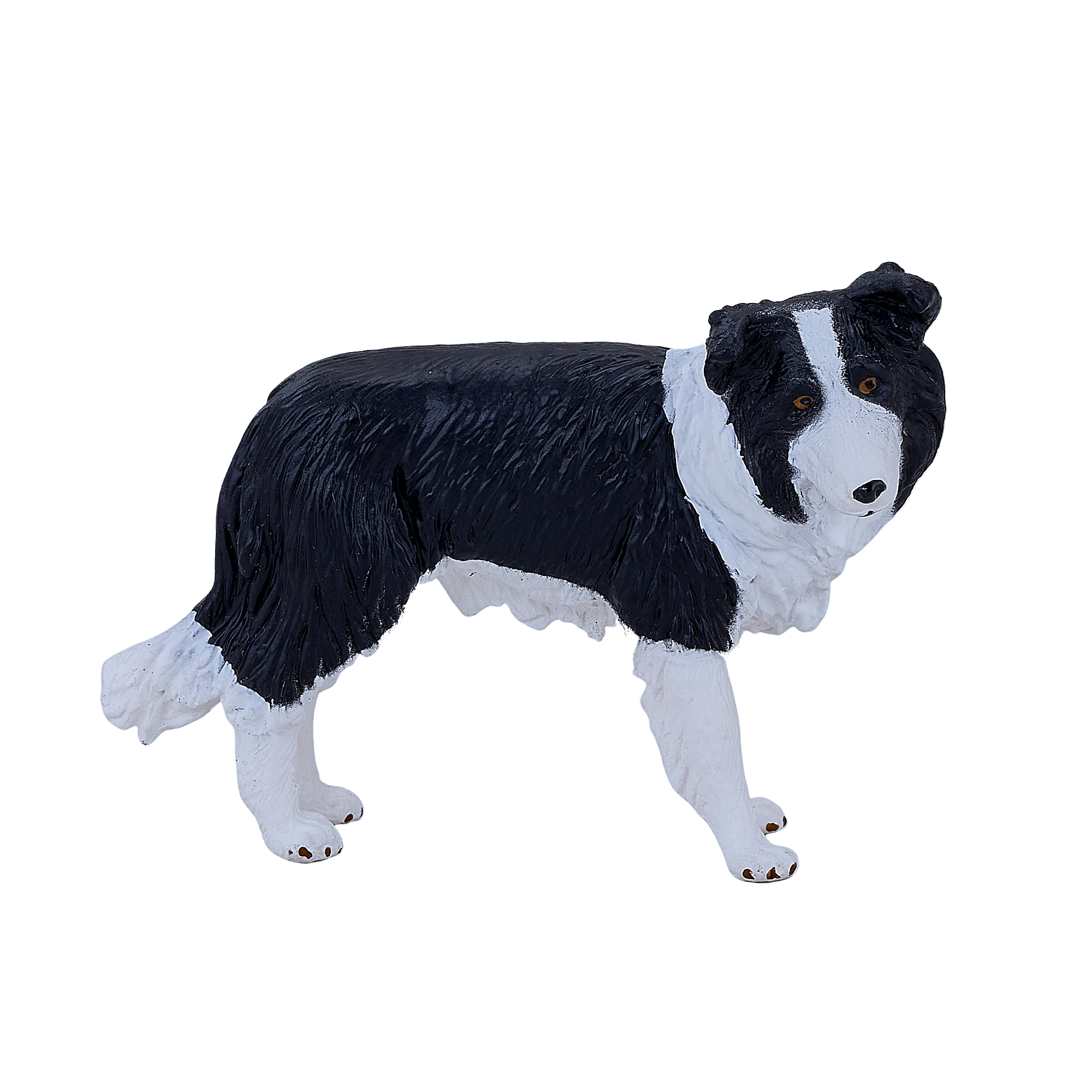
Border Collie
This comparison looks at how a dog figure and a horse figure differ in detail, scale, and use, so you can decide which one earns a spot on your shelf or in your child's hands. It focuses on what the models actually offer rather than which animal is more popular.
What each model brings to a scene
A dog figure like the Border Collie works well in small, intimate settings. It sits naturally beside a house, a garden, or a child's hand, and its size makes it easy to pair with other pet figures. A horse figure, by contrast, anchors a scene. Its longer body and taller stance make it a focal point in a stable, field, or farm diorama, and it often needs more space around it to look right.
If your scene is a backyard or a living room floor, the dog is the easier fit. If your scene is a barn, a paddock, or a riding lesson, the horse gives you the scale and presence that a smaller animal cannot.
- Place a dog figure near buildings or people for a lived-in look.
- Give a horse figure open space so its silhouette reads clearly.
Detail and breed character
Both models are hand-painted and designed to show recognizable features. The Border Collie's expression and coat pattern are the main draw, while a horse model like the Dutch Warmblood highlights conformation, gait, and breed type. That difference matters if you are teaching animal identification or comparing breeds in a classroom.
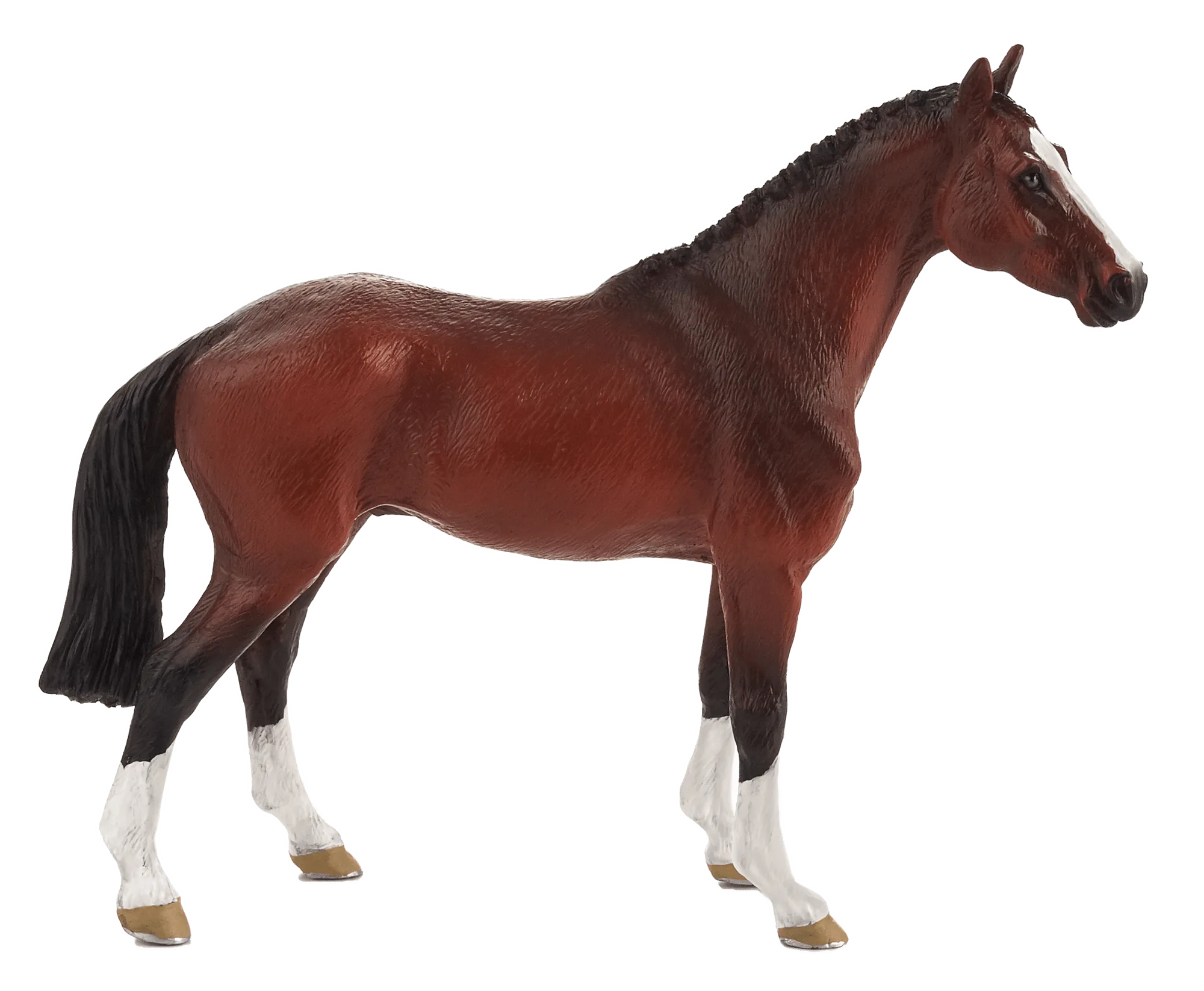
Dutch Warmblood
For a child learning about pets, the dog's familiar face is easier to connect with. For a student studying farm animals or equine breeds, the horse's breed-specific traits offer more to talk about.
- Use the dog figure for lessons about pets and companionship.
- Use the horse figure for lessons about breeds, work, and agriculture.
Scale, space, and storage
Dog figures tend to be compact and easy to store in a bin or on a narrow shelf. Horse figures take up more room and often need a stable or a dedicated display area. If your collection is already crowded, adding a horse means rearranging; adding a dog usually does not.
Neither choice is wrong, but planning for space before you buy saves frustration. Measure your shelf or storage box first, then pick the animal that fits without forcing it.
- Check shelf depth before buying a horse figure.
- Keep dog figures in a small bin for quick play access.
Trade-offs to weigh before you choose
- Space versus presence: A dog figure is compact and easy to store, while a horse figure takes up more room but commands attention in a scene. Pick the dog for tight shelves; pick the horse for open displays.
- Familiarity versus breed detail: Dog figures connect quickly with children because the animal is familiar, while horse figures reward closer study of conformation and breed traits. Choose based on whether you want instant recognition or deeper learning.
- Play versus display: Dog figures handle frequent handling well and fit small hands, while horse figures are often better suited to a stable spot on a shelf or diorama. Match the model to how often it will be picked up and moved.
Model facts at a glance
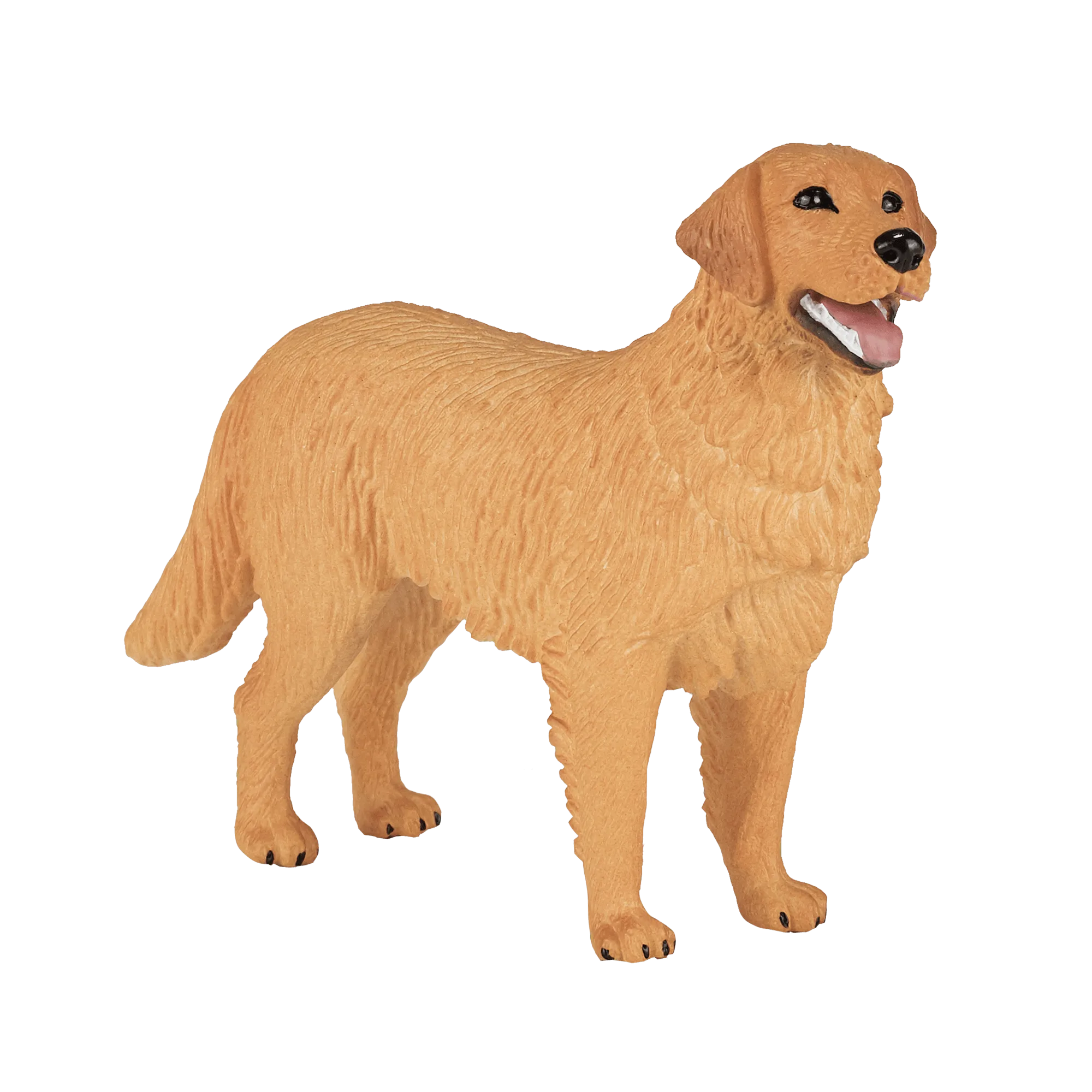
- Golden Retriever: The breed standard describes the Golden Retriever as kindly, friendly, and confident, and generally equally amiable with strangers and familiar people. If you want a dog figure that fits a warm, family-friendly scene, this temperament makes it an easy choice for play and display.
- Dutch Warmblood: The Dutch Warmblood was selectively bred for soundness, good conformation and gaits, along with an excellent character and top performance ability. If your scene is about sport horses or farm work, this breed background gives the model a clear role beyond decoration.
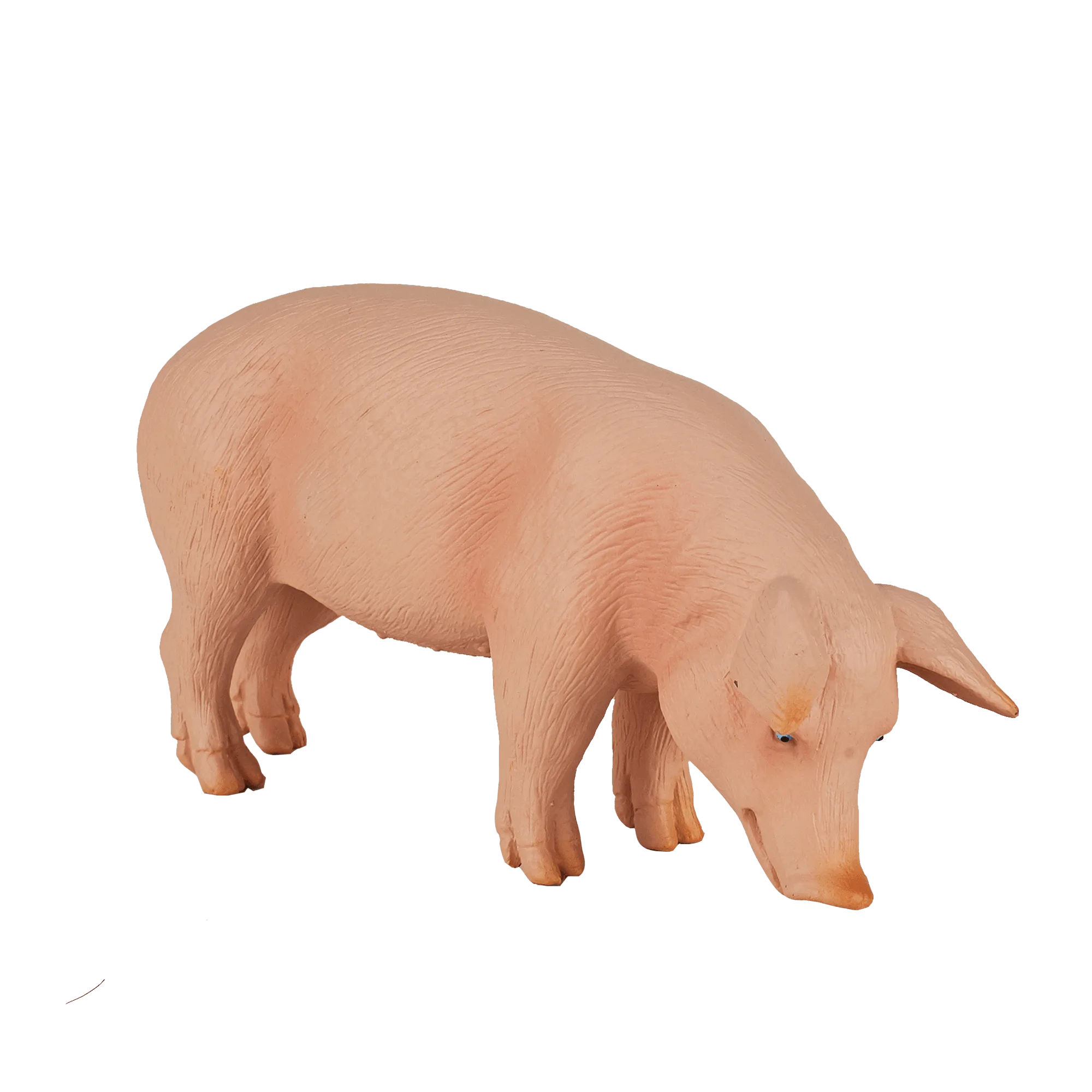
- Pig (Boar): Pigs are very peaceful animals, rarely showing aggression, except when a mother with her young offspring is provoked or threatened. This makes the pig figure a calm addition to a farm set, especially if you are building a mixed-animal scene with dogs and horses.
Which one fits your plan
Best for
- Families building a pet-themed play scene with dogs and other small animals
- Collectors who want a compact, familiar figure that fits narrow shelves
Not for
- Buyers who need a large, breed-specific farm centerpiece
- Scenes that require a tall silhouette and open space
There is no single winner between a dog figure and a horse figure. Let the scene decide: a Border Collie or Golden Retriever suits backyard and family play, while a Dutch Warmblood or similar horse model suits farm, stable, and breed-study displays. Pick the one that fits your space and your purpose, and the collection will feel right.