Quick answer
The Boss Fight Features Bundle (Unpainted) is for GMs who want a dedicated, reusable centerpiece for climactic encounters and are happy to paint it themselves. Buy it if your campaign regularly ends arcs with a big fight and you already own core dungeon walls and floors. Skip it if you need table coverage first, or if you will not paint terrain within a few weeks of buying.
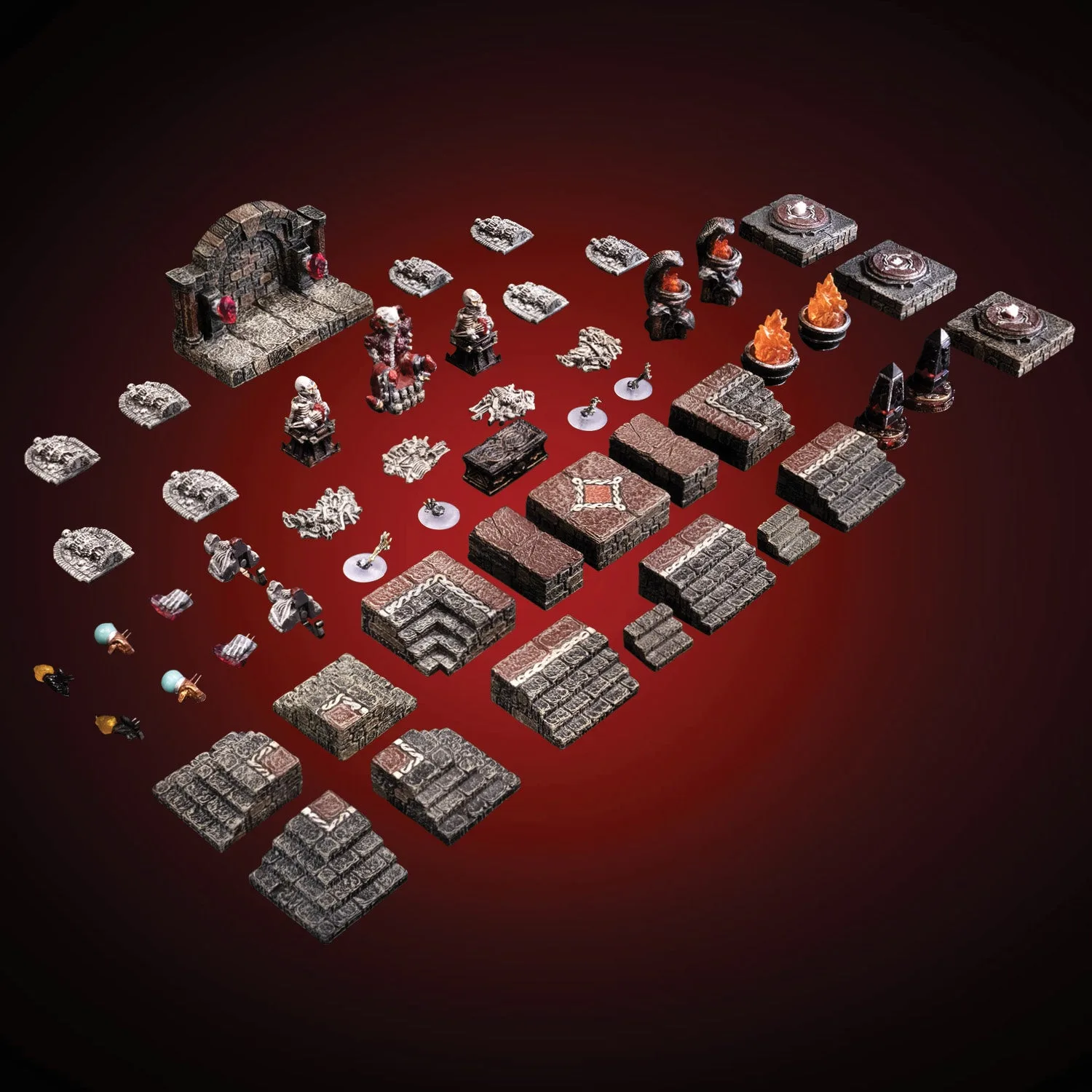
Boss Fight Features Bundle (Unpainted)
A boss fight lives or dies on the room around it. The Boss Fight Features Bundle (Unpainted) gives you the dramatic, specialized pieces that turn a normal dungeon layout into a stage for a climactic encounter, without duplicating the basic walls and floors you probably already own.
This guide covers what the bundle is for, how to paint it, and how to set it up. It also explains who should buy it, who should not, and which alternatives make more sense depending on your table.
What the Boss Fight Features Bundle is for
The bundle exists to solve a specific problem: most dungeon sets are built for corridors and rooms, not for the moment the party finally meets the villain. Boss fight terrain needs focal points, elevation, and pieces that read clearly from across the table. That is what this bundle is designed to provide.
Because the pieces are unpainted, you control the color scheme. That matters for boss rooms, where a strong palette (bone, ember, cold stone) does more work than generic gray. If you want a painted version, buy painted terrain instead; if you enjoy painting, the unpainted bundle is the better value and the better fit.
- Treat the bundle as a layer on top of your existing walls and floors, not as a complete dungeon by itself.
- Decide your boss room palette before you prime anything; it is much harder to change later.
How to paint the bundle without losing detail
Unpainted Dwarvenite takes paint well, but the order of operations matters. Prime first with a thin coat, then block in your base colors, then drybrush highlights, and finish with a wash in the recesses. Rushing the wash step is the most common way to muddy sculpted detail on boss pieces.
Paint in batches. Group pieces by material or theme, paint all the base coats at once, then move to highlights. This saves time and keeps your color consistency across the set. If you are new to painting terrain, start with the largest, simplest pieces before the detailed focal points.
Seal the finished pieces once the paint is fully cured. A matte varnish protects the work and keeps the table glare down, which helps the boss miniature stand out.
- Prime thin, not thick; heavy primer fills in the sculpted detail you paid for.
- Test your wash on one piece before applying it across the whole bundle.
Setting up boss fight terrain at the table
Build the room around the boss, not the other way around. Place your focal piece first, then add walls and floors to frame it. Leave open lanes so melee characters can reach the boss and ranged characters have something to hide behind. A boss room with no cover turns into a damage race, which is usually less interesting.
Use elevation to create decisions. A raised platform gives ranged characters a reason to move and gives the boss a defensible position. If you own elevation pieces, place them before you finalize the layout, because they change line of sight and movement costs.
Finally, keep the setup reusable. Photograph the layout after the session and note which pieces you used. Rebuilding a proven boss room takes minutes instead of an hour.
- Place the boss focal point first, then build walls around it.
- Leave at least two approach lanes so the fight does not stall in a single choke point.
Where the bundle fits with the rest of your terrain
The Boss Fight Features Bundle is a specialty purchase. It works best when you already own a core dungeon set that provides walls, corners, floors, and doors. If you are starting from zero, buy the core coverage first and add the boss bundle later.
If you want to expand the boss room into a larger complex, individual pieces let you fill specific gaps without buying another full set. That is often cheaper than a second bundle, especially when you only need a few extra walls or a single elevation piece.
- Core coverage first, specialty boss pieces second.
- Use individual pieces to patch gaps instead of buying a second full bundle.
Decision rules for buying the Boss Fight Features Bundle (Unpainted)
- Buy it if you already own core dungeon coverage: The bundle is a specialty layer, not a starter set. It assumes you have walls, corners, floors, and doors from a core set or similar. No core coverage yet? Buy the Dungeon Core Set - Classic (Unpainted) first.
- Buy it if you will paint within a month: Unpainted terrain that sits in a box helps no one. If you enjoy painting and can commit a few evenings, the unpainted bundle gives you a custom boss room at a lower price than painted. If painting feels like a chore, buy painted terrain instead.
- Buy it if your campaign has recurring boss encounters: The value comes from reuse. A bundle used once is expensive; a bundle used every arc is cheap per session. One-shot GMs should borrow or proxy instead.
- Skip it if you need table coverage: Boss features do not replace walls and floors. Buying this before coverage leaves you with a dramatic room and no dungeon around it. Coverage first, drama second.
- Skip it if you only need one or two pieces: Individual pieces let you buy exactly the wall, cliff, or prop you need without paying for a full bundle. Check individual pieces before committing to the bundle.
Product facts that affect your decision
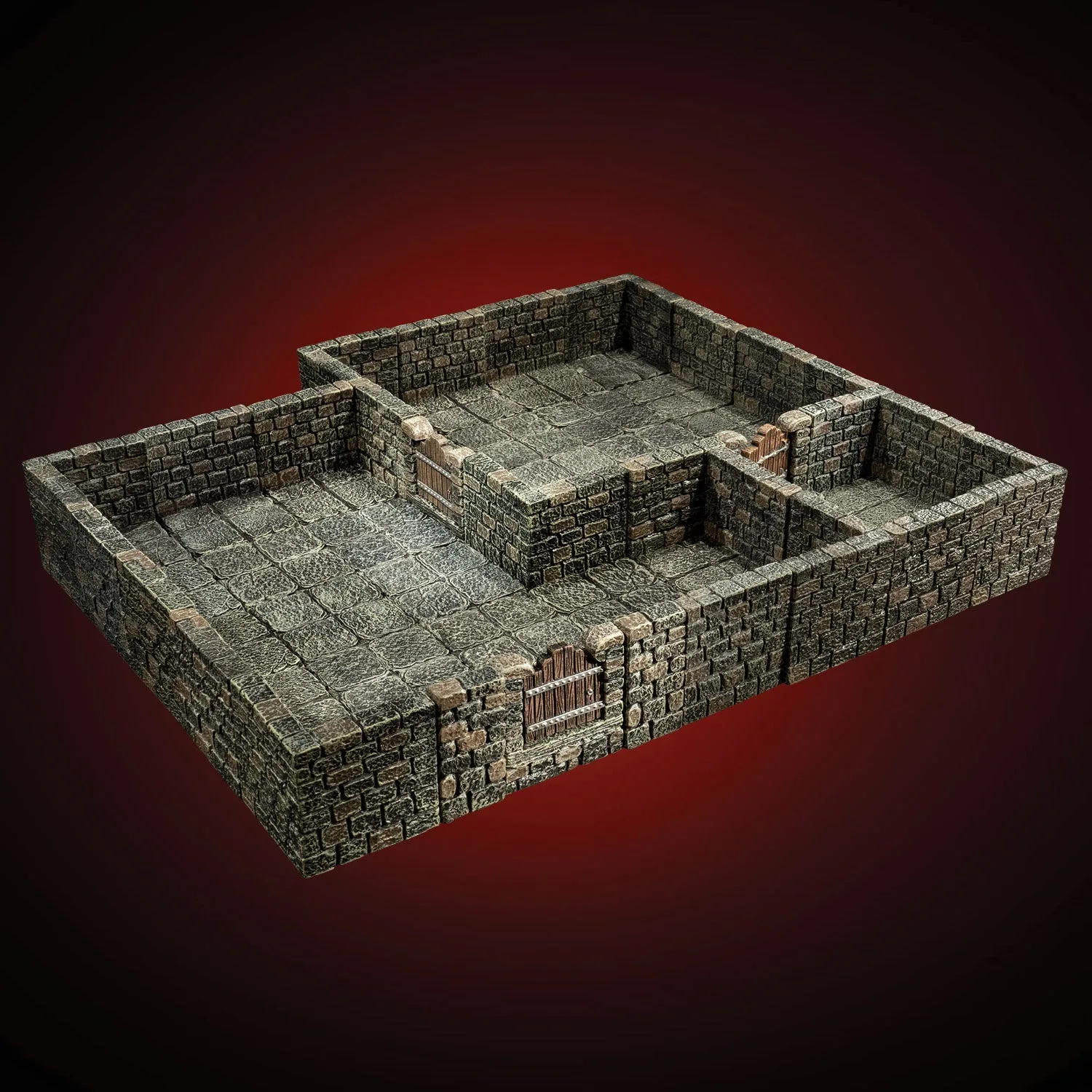
- Dungeon Core Set - Classic (Unpainted): The backbone of any dungeon collection, our Core Set builds endless dungeon encounters. It maximizes versatility and table coverage through an optimal mix of essential walls, corners, floors, and doors, rather than specialty pieces. This is the coverage layer the boss bundle sits on top of. If you do not own a core set yet, buy this first so your boss room has walls and floors to frame it.
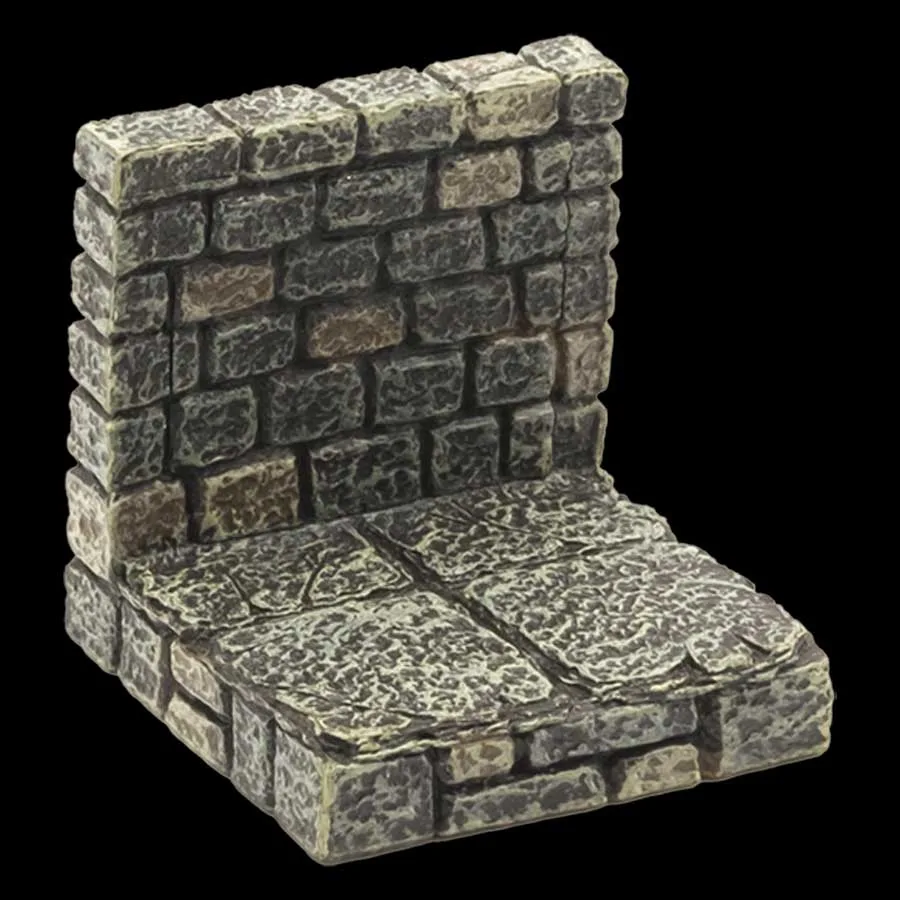
- Classic Dungeon Wall (Unpainted): An unpainted individual piece in the Individual Piece category. Useful for extending a boss room by a few squares without buying a full set. Buying individual walls is the cheaper way to close small gaps in a layout.
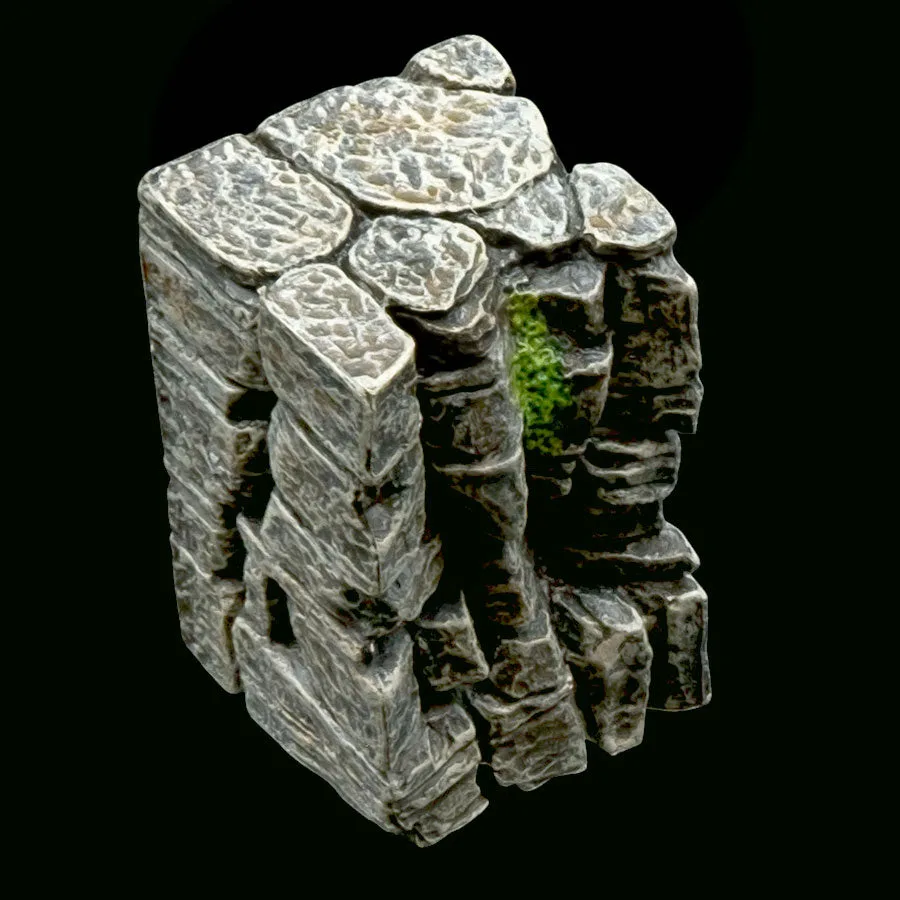
- 1x1 Tiered Cliff (Unpainted): The 1x1 Tiered Cliff is an unpainted individual piece from Dwarven Forge, designed for building elevation and bridges in tabletop terrain setups. As part of the Wilderness line, it fits organic scatter builds and can be combined with other pieces to shape cliffside and tiered landscapes. Elevation changes the boss fight. A tiered piece gives you a raised platform for the boss or a vantage point for ranged characters, and it can be combined with other pieces for larger builds.
- The Serpent's Trove (NO Anchor Magnets) (Unpainted): All the implements necessary to prepare your dungeon for dark rites and forbidden rituals. Ritual props give a boss room a purpose beyond combat. If your villain is performing a ritual, this set supplies the visual justification for the encounter.
Who should buy this bundle
Best for
- GMs running long campaigns with recurring climactic encounters
- Players who already own core dungeon walls and floors and want a dedicated boss room
- Hobbyists who enjoy painting and want a custom palette for their villain's lair
Not for
- New GMs who still need basic table coverage
- Anyone who will not paint unpainted terrain
- One-shot groups that will use the pieces once and shelve them
The Boss Fight Features Bundle (Unpainted) is a focused purchase: it makes your climactic encounters look and play better, but only if you already have coverage and are willing to paint. Buy it for the drama, not for the basics.