Quick Answer
Both a bottle brush and a drying rack are essential for a hygienic and efficient baby feeding routine, but they serve different purposes. A bottle brush is necessary for thorough cleaning, while a drying rack ensures proper air circulation to prevent bacterial growth. If you must choose one, start with a bottle brush for cleaning, but a drying rack is a close second for maintaining cleanliness.
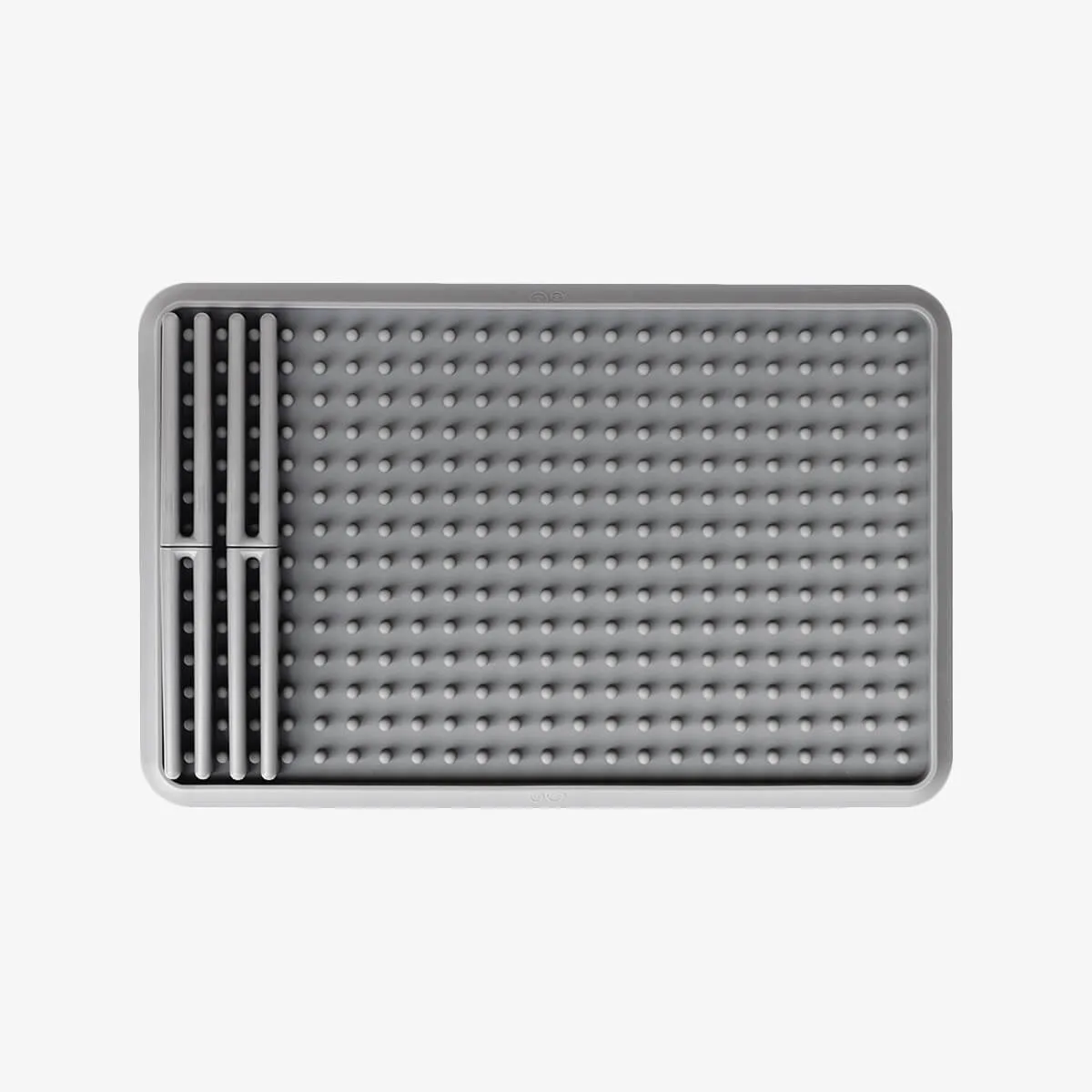
drying rack
When you're a new parent, every baby product seems essential, and cleaning supplies are no exception. Among the must-haves for bottle-fed or pumped-milk babies, a bottle brush and a drying rack are often at the top of the list. But are both truly necessary? This comparison breaks down the roles, benefits, and trade-offs of each to help you decide what belongs in your kitchen.
In this guide, we'll explore the functions of bottle brushes and drying racks, discuss their importance in your baby's feeding routine, and provide practical advice on how to choose based on your lifestyle and space. By the end, you'll know which one to prioritize—and why both might be worth the investment.
The Role of a Bottle Brush in Cleaning
A bottle brush is designed to scrub the inside of bottles, nipples, and other feeding accessories that are difficult to reach. Its bristles dislodge milk residue and bacteria that can linger on surfaces, ensuring a thorough clean. Without a dedicated brush, you risk leaving behind residue that could harbor germs, especially in the crevices of nipples and bottle threads.
When choosing a bottle brush, look for one with durable bristles and a comfortable handle. Some brushes come with a built-in nipple cleaner or a small brush at the tip for hard-to-reach spots. A good bottle brush should be easy to sanitize and dry quickly to prevent mold growth on the brush itself.
- Consider a bottle brush with a suction base or hanging loop for convenient storage and drying.
The Purpose of a Drying Rack
A drying rack is designed to hold bottles, nipples, and other feeding items upright so they can air dry completely. Proper air circulation prevents moisture from lingering, which is crucial because damp environments encourage the growth of bacteria and mold. A drying rack also helps keep your countertop organized and free from water puddles.
Many drying racks are versatile, with pegs and compartments to accommodate various sizes of bottles and accessories. Some even come with removable parts for easy cleaning. When selecting a drying rack, consider the space you have and the number of items you typically dry at once.
- Look for a drying rack that is easy to clean and has good drainage to prevent water from pooling.
Bottle Brush vs. Drying Rack: Key Differences
The primary difference lies in their function: a bottle brush is for cleaning, while a drying rack is for drying. You can't substitute one for the other—a brush won't dry your bottles, and a rack won't scrub them. However, they complement each other in a complete cleaning routine.
If you're short on space or budget, you might wonder which is more essential. A bottle brush is non-negotiable for hygiene because without it, you cannot effectively clean bottles. A drying rack, while important for preventing bacterial growth, can be temporarily substituted with a clean towel or dish drainer, though not as effectively.
- Prioritize a bottle brush for hygiene, then add a drying rack for convenience and safety.
Trade-Offs to Consider
- Hygiene vs. Convenience: A bottle brush ensures thorough cleaning, which is critical for hygiene. A drying rack offers convenience by speeding up the drying process and keeping things organized. If hygiene is your top priority, invest in a high-quality bottle brush first.
- Space vs. Functionality: Drying racks take up counter space, but they can hold multiple items at once. Bottle brushes are compact but only serve a single purpose. If you have limited counter space, a compact drying rack or a foldable bottle brush might be a better fit.
- Cost vs. Longevity: Bottle brushes are generally inexpensive but need replacing every few months. Drying racks are a one-time purchase but can be bulky. Consider the long-term cost: a durable drying rack might save money over time, but a bottle brush is a recurring expense.
Products That Enhance Your Cleaning Routine
- Drying Rack Pegs: The Drying Rack Pegs pair with the ezpz Drying Rack. The removable pegs make the rack customizable to suit your drying needs. This allows you to adjust the rack to fit different bottle sizes and accessories, maximizing drying efficiency and saving space.
- https://ezpzfunez.com/products/baby-led-weaning-food-cutters-5-pack-127e986b0ecf58d04e680b17-576937Baby-Led Weaning Food Cutters (5-Pack): The ezpz food cutters make baby-led weaning food prep ezpz! Start with the food cutter for food strips (6m+) to promote the palmar grasp. At 9m+ layer in the cubed food cutter to promote the pincer grasp. While not directly related to cleaning, these cutters are part of a feeding routine that requires thorough cleaning of all utensils, reinforcing the need for effective cleaning tools.
Which One Should You Choose?
Best for
- Parents who bottle-feed or pump and need to clean multiple bottles daily
- Families with limited counter space who need a compact cleaning solution
Not for
- Parents who exclusively breastfeed and rarely use bottles
- Those who prefer disposable bottle liners and don't need extensive cleaning or drying
In the battle of bottle brush vs. drying rack, both have their place in a well-equipped feeding station. A bottle brush is essential for thorough cleaning, while a drying rack ensures your items dry safely and efficiently. If you're just starting out, prioritize a bottle brush for hygiene, then add a drying rack to streamline your routine. For a customizable drying solution, consider the Drying Rack Pegs to adapt your rack to your needs.