Quick answer
Use bottom lashes when you want to open up the lower lash line without adding weight, and top lashes when you need volume and lift. The choice comes down to the eye area you want to define and the overall effect you are after.
The key difference: placement and impact
Top lashes sit along the upper lash line and are designed to add length, curl, and volume. They lift the eye and create a more dramatic or open look. Bottom lashes attach below the lower lash line and work to define the eye without overshadowing the upper area. They are ideal for balancing a heavy top lash or for a more subtle, natural enhancement.
Because the lower lash line is smaller and more delicate, bottom lashes are typically shorter and finer. They require a lighter touch during application and are often used in pairs or as individual accents.
When to choose bottom lashes
Bottom lashes shine when you want to draw attention to the lower part of the eye. They can make your eyes appear larger and more defined, especially if you have sparse lower lashes. They are also a great choice for doll-eye or anime-inspired makeup looks.
If you already have dramatic top lashes, adding bottom lashes can create a more balanced, cohesive frame around the eye. On their own, bottom lashes offer a softer, more natural alternative to full top lash sets.
When to choose top lashes
Top lashes are the go-to for creating lift, volume, and drama. They are essential for evening looks, photo shoots, or any time you want your eyes to stand out. A 3D volumizing style, for example, adds noticeable fullness and helps define the eye shape.
If you have hooded or monolid eyes, top lashes can help create the illusion of a crease and make the eye appear more open. They also pair well with eyeliner to create a seamless, polished finish.
Can you wear both at once?
Yes, but with caution. Wearing both top and bottom lashes can create a very full, dramatic look that may overwhelm smaller eyes. If you combine them, choose a lighter bottom lash style and keep the top lash moderate. The key is balance: the bottom lash should complement, not compete with, the top.
Bottom vs Top Lashes: Quick Tradeoffs
- Effect on eye shape: Top lashes lift and open the eye; bottom lashes define and widen the lower lash line.
- Application difficulty: Top lashes are easier to apply because the lash line is more defined. Bottom lashes require precision and a steady hand to avoid sticking to lower lashes. If you are new to bottom lashes, start with a multi-style pack to practice without pressure.
- Best makeup pairing: Top lashes work with winged liner and eyeshadow. Bottom lashes look best with minimal lower lash makeup and a clean waterline.
- Reusability: Both types can be reused if cleaned and stored properly. Bottom lashes tend to be more delicate and may wear out faster. Store bottom lashes in their original tray to preserve shape.
Products that make the choice easier
-
10 different types of Bottom Eyelashes: Includes 10 different designs of lower lashes in one box, ranging from natural to more dramatic. You can experiment with different bottom lash looks without committing to a full set, making it easier to find your preferred style.
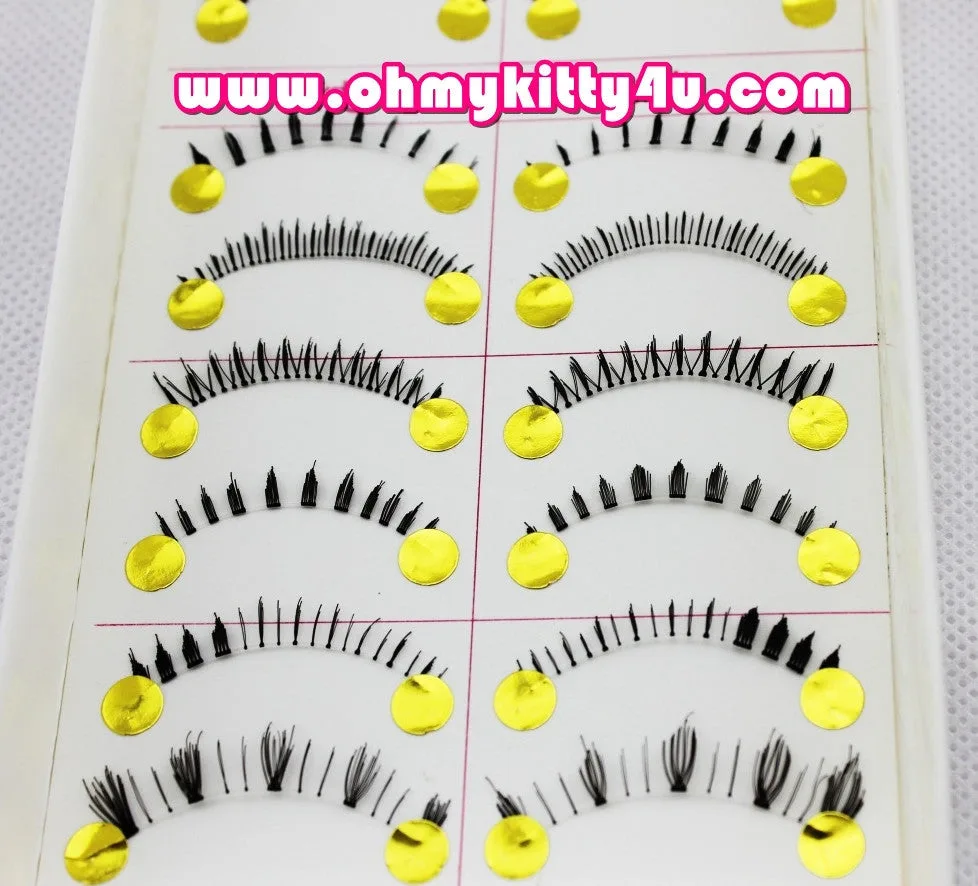
10 different types of Bottom Eyelashes
-
3D Volumizing Top Eyelashes (3 pairs) Type Y01: Set of three pairs of 3D volumizing top lashes, handmade from 100% cruelty-free synthetic hair. Multiple pairs mean you can practice application or reuse them for different occasions, while the volumizing effect gives a noticeable lift.
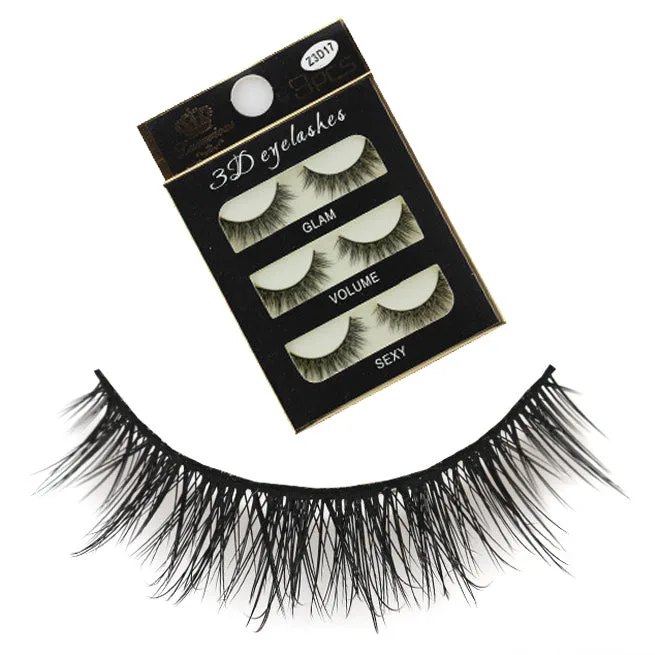
3D Volumizing Top Eyelashes (3 pairs) Type Y01
Which one should you choose?
Best for
- Bottom lashes: natural definition, doll-eye looks, balancing heavy top lashes
- Top lashes: volume and lift, dramatic evening makeup, hooded or monolid eyes
Not ideal for
- Bottom lashes: if you want dramatic lift or have very sparse lower lashes (they may not provide enough coverage)
- Top lashes: if you prefer a barely-there look or have very small eyes (they can overwhelm)