Quick answer
Choose blister carded figures if you want to see the sculpt and paint without opening the package, or if you plan to hang your collection on a wall. Choose boxed figures if you value extra accessories, diorama potential, or packaging that doubles as a display backdrop. There is no universal winner: match the format to how you display, store, and enjoy your figures.
Display: blister cards show the figure, boxes tell a story
Blister carded figures seal the toy under a clear plastic bubble on a printed cardboard back. You see the actual figure and its paintwork without opening anything, which makes them ideal for wall-mounted or pegboard displays. The trade-off is that the card art is usually flat and the plastic bubble can yellow or crack over time.
Boxed figures, especially window-boxed ones, enclose the toy in a cardboard box that often includes a window or full-color artwork. The box can stand on a shelf as a backdrop, and some boxes are designed to be opened and reclosed for access. Boxes protect from dust better than open blisters, but they take up more shelf depth and can hide paint flaws unless there is a window.
Protection and storage: what each format does well
Blister cards are lightweight and stack flat, so they store efficiently in bins or comic boxes. The plastic bubble is the weak point: drops or pressure can crack it, and sunlight accelerates yellowing. If you keep carded figures in a climate-controlled room away from direct sun, they hold up well.
Boxed figures resist dust and impact better because the cardboard shell absorbs minor bumps. However, cardboard can warp in humid conditions, and box corners crush if stacked carelessly. For long-term storage, add a acid-free backing board or keep boxes upright in a sturdy bin. Neither format is airtight, so avoid damp basements for either.
Accessories and play: boxes often include more
Blister cards usually include the figure and a small accessory tree, but space is limited. If a figure comes with large wings, multiple heads, or a diorama piece, a box is more likely to hold everything without cramping. That said, some carded figures include surprising extras, so check the product description rather than assuming.
For collectors who open their figures, the packaging format matters less after opening, but the box can become a storage tray for spare parts. Blister cards are harder to reuse once opened because the bubble is destroyed. If you rotate accessories often, a boxed figure gives you a better container for keeping track of small pieces.
Value and condition: what buyers check
In the secondary market, condition drives value for both formats. A carded figure with a dented bubble or creased card loses appeal to mint-on-card collectors. A boxed figure with crushed corners or torn flaps similarly drops in grade. If you buy to resell later, inspect high-resolution photos or ask for condition notes before committing.
Some collectors prefer blister cards because the figure is visible and grading is straightforward. Others prefer boxes because the packaging is part of the display and can be protected with a plastic case. Neither format guarantees value; scarcity, character popularity, and overall condition matter more than the box versus blister choice alone.
How to choose based on your collecting style
If you are a loose collector who opens everything, buy whichever format offers the best price or accessories. If you keep figures sealed, decide whether you want to see the figure (blister card) or enjoy the box art and sturdiness (boxed). If you have limited wall space, boxed figures can stand on a shelf; if you have limited shelf depth, blister cards hang flat.
Consider the specific figure. A deluxe set with large wings or a diorama piece usually comes boxed because it needs the space. A basic figure with a single accessory often comes carded. Let the contents guide you rather than a blanket rule.
Trade-offs at a glance
- Visibility vs. protection: Blister cards let you see the figure but expose the bubble to yellowing and cracks. Boxes hide the figure unless windowed but shield it from dust and light. If you want to see the paint before buying, choose a blister card or a window box. If you prioritize long-term protection, choose a solid box.
- Storage footprint: Blister cards stack flat and hang on pegs, saving shelf depth. Boxes take more space but stand upright and can be shelved like books. Measure your shelf depth and wall space before deciding. A small room favors carded figures.
- Accessory capacity: Boxes typically accommodate larger or more numerous accessories, such as wings or diorama parts. Blister cards are limited by the bubble size. Check the product description for included accessories. If the set is large, expect a box.
Examples from our catalog
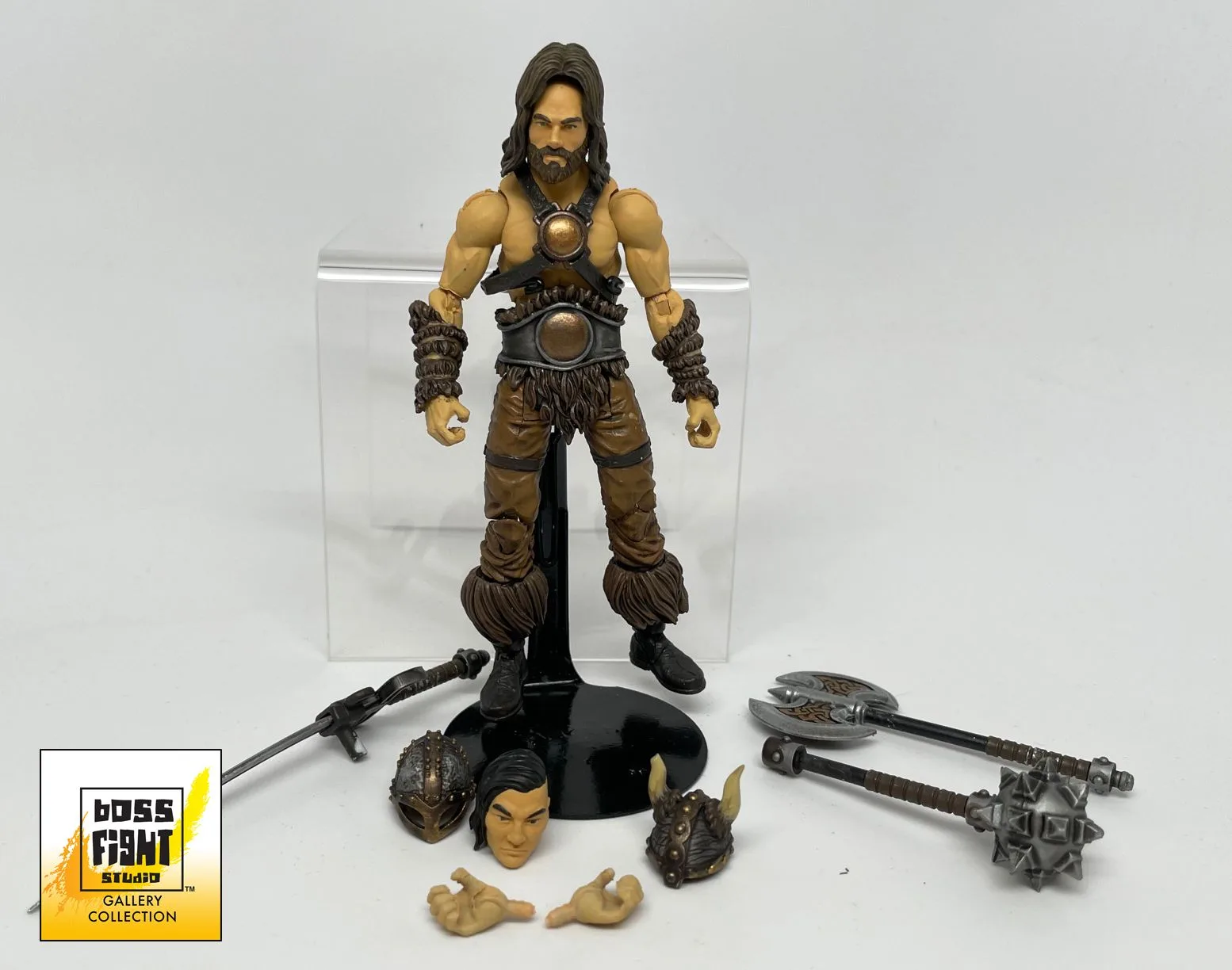
- Vitruvian H.A.C.K.S. Fantasy Series Vandar Paint Master: Vitruvian H.A.C.K.S. Fantasy Series Vandar Paint Master is a blister carded figure. It is a paint master, not production material, and is very fragile. Sold as-is. This is a collector-grade item where the blister card protects a fragile, one-of-a-kind piece. If you want to display it, keep it sealed and away from handling.
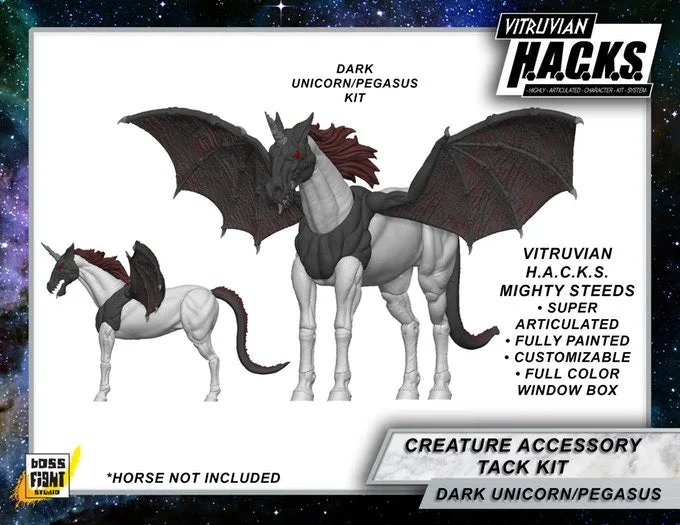
- MIGHTY STEEDS - DARK PEGASUS AND UNICORN CREATURE KIT - ACTION FIGURE ACCESSORIES: MIGHTY STEEDS - DARK PEGASUS AND UNICORN CREATURE KIT is a boxed action figure accessory set. It includes a full-color box, demon unicorn head, bat wings, long mane, demon tail, and interchangeable withers. Basic horse not included. The box holds multiple large accessories and keeps them organized. If you plan to use the kit, the box doubles as storage for the extra parts.
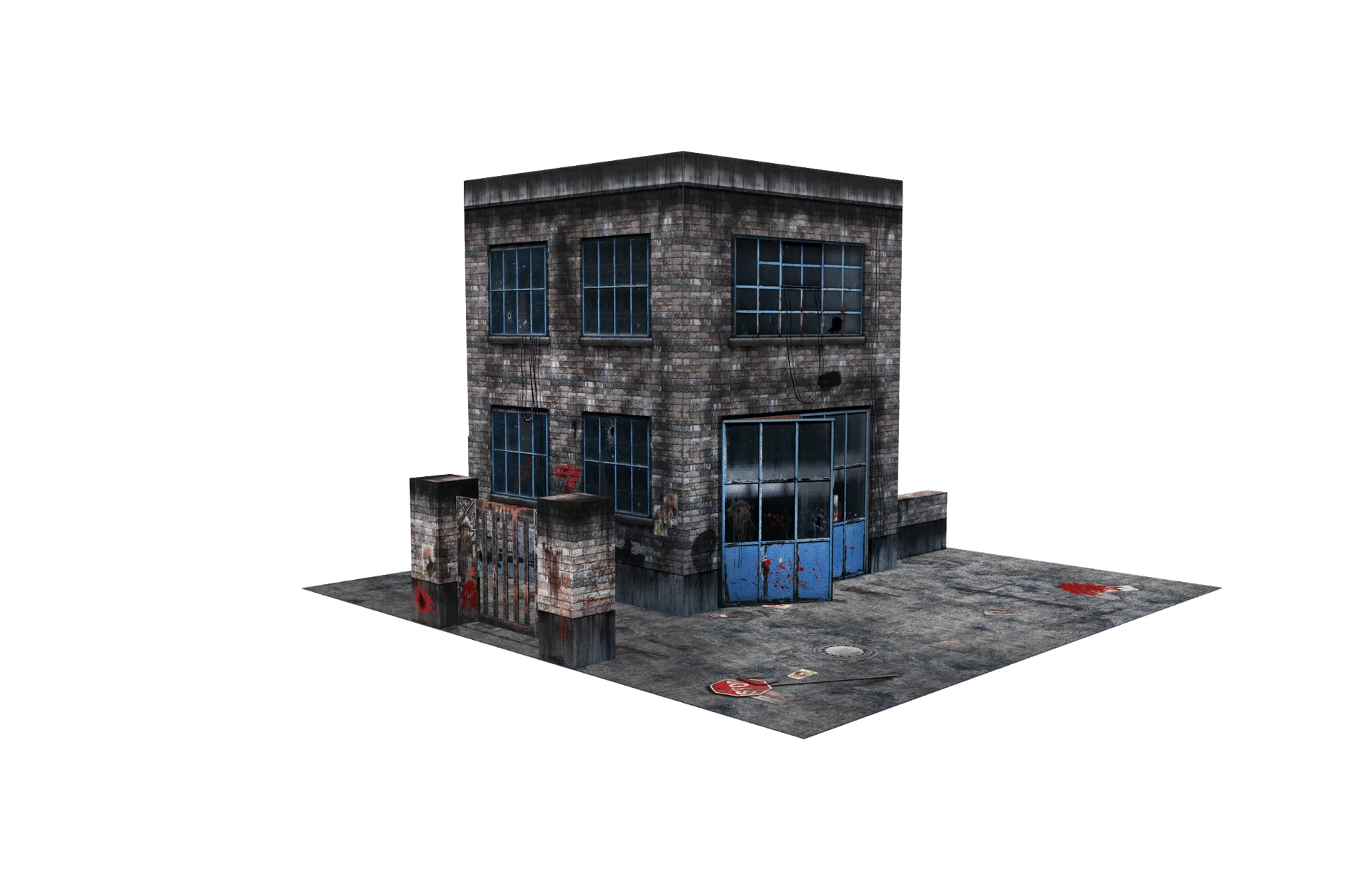
- Series Z Extreme Sets Diorama (action figures sold separately): Series Z Extreme Sets Diorama is a 1/18 scale pop-up diorama. Action figures sold separately. This is a boxed display environment, not a figure. It shows how boxed packaging can include large, buildable pieces that would not fit on a blister card.
Which packaging should you buy?
Best for
- Collectors who want to see the figure without opening it
- Wall or pegboard displays with limited shelf depth
- Buyers who prefer lightweight, stackable storage
Not for
- Collectors who need extra space for large accessories
- Those who want a sturdy box that doubles as a display backdrop
- Buyers who plan to open and repack figures frequently