Quick answer
Choose a boyshort when you want a longer, straighter leg that stays put under skirts and dresses. Choose a shorty when you want the same low, square-ish shape but a shorter leg and a closer fit under trousers. If you are unsure, start with a shorty in your usual size and size up only if the leg band digs in.
What actually separates a boyshort from a shorty
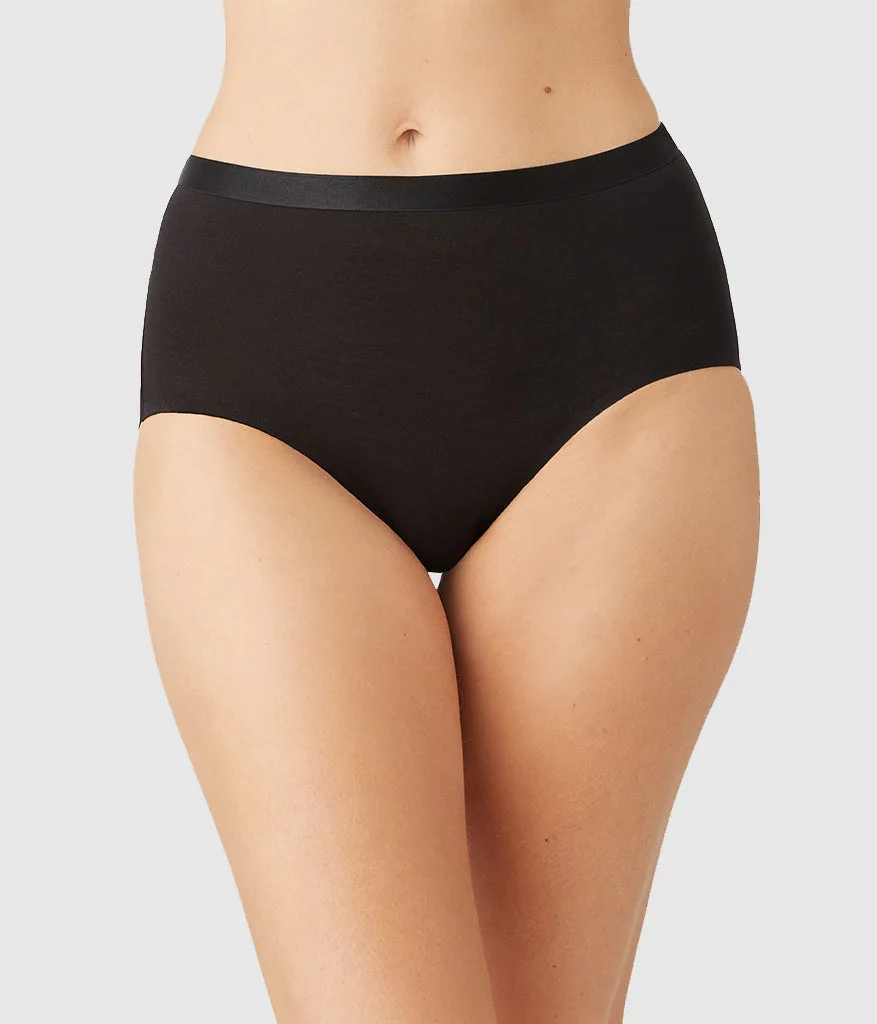
The two cuts share a low, square leg line, but the boyshort extends farther down the thigh and often sits slightly higher at the waist. A shorty trims that leg length so the hem ends closer to the crease of the leg. That difference changes how the pair behaves under clothing: a longer boyshort leg can peek out under short skirts, while a shorty stays hidden under fitted trousers but may ride up more.
Neither cut is inherently more supportive. Support comes from the fabric and the waistband, not the name on the label. Look at the fiber content and the band construction before you assume a boyshort will hold you in.
Match the cut to the outfit, not the trend
Under a loose dress or a skirt that moves, a boyshort gives you a stable leg line and reduces the chance of the hem twisting. Under slim trousers or a pencil skirt, a shorty's shorter leg creates less bulk and less chance of a visible ridge. If you wear both styles of clothing in the same week, keep one of each rather than forcing a single cut to do everything.
Check the rise before you check the size
A boyshort that sits too low will slide down; a shorty that sits too high will roll at the waist. Measure your natural waist and compare it with the rise stated on the product page. If no rise is listed, treat that as a decision limitation and choose a retailer with a clear return policy. Wacoal's product pages list size and color options, so confirm those before ordering.
Decision rules for boyshort vs shorty
- You wear skirts and dresses most days: Pick a boyshort with a leg that ends below the crease so it will not ride up when you walk or sit. Longer leg, fewer adjustments.
- You wear slim trousers or leggings: Pick a shorty so the hem stays inside the leg line and does not create a ridge. Shorter leg, smoother line.
- You want no panty line under thin fabric: Neither cut guarantees a invisible line; check for a flat leg band and avoid lace trim at the leg opening. Band construction matters more than the cut name.
- You are between sizes: Size up in a boyshort if the leg band leaves marks; stay at your usual size in a shorty unless the waistband rolls. Fit the band, not the label.
Wacoal pairs that show the difference in practice
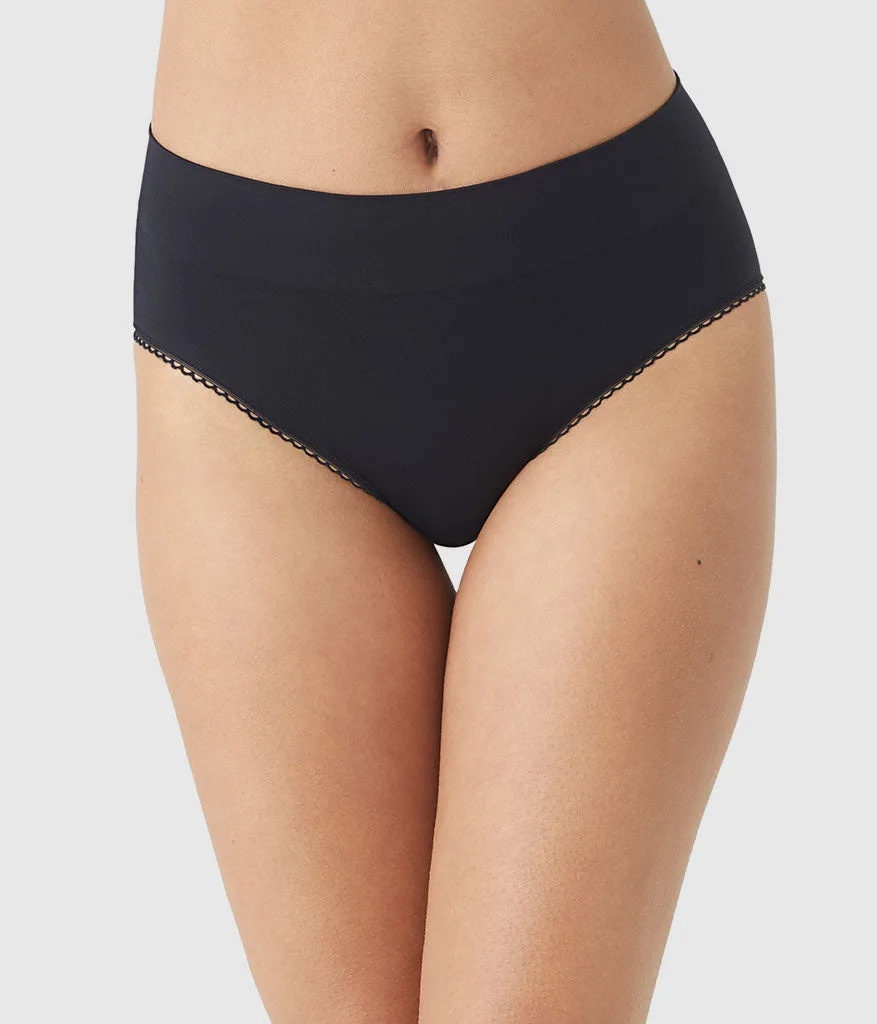
- Feeling Flexible Hi-Cut: Lightweight stretch panties with a no-pinch waistband. The no-pinch band matters most in a boyshort-style cut, where a tight waistband is the usual reason people size up unnecessarily.
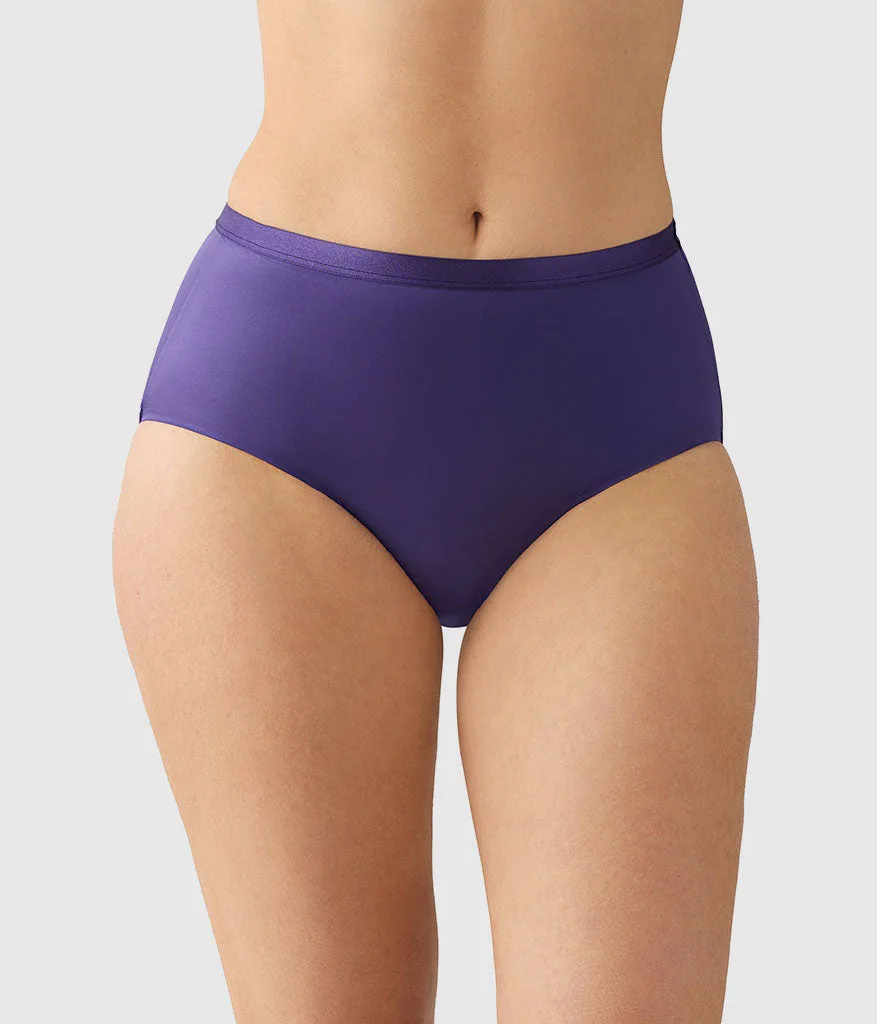
- Inner Sheen Brief: Mulberry Purple: Full coverage design in a fabric with a subtle sheen. Full coverage in a brief cut gives you a benchmark for how much coverage you actually want before you move to a shorter leg.
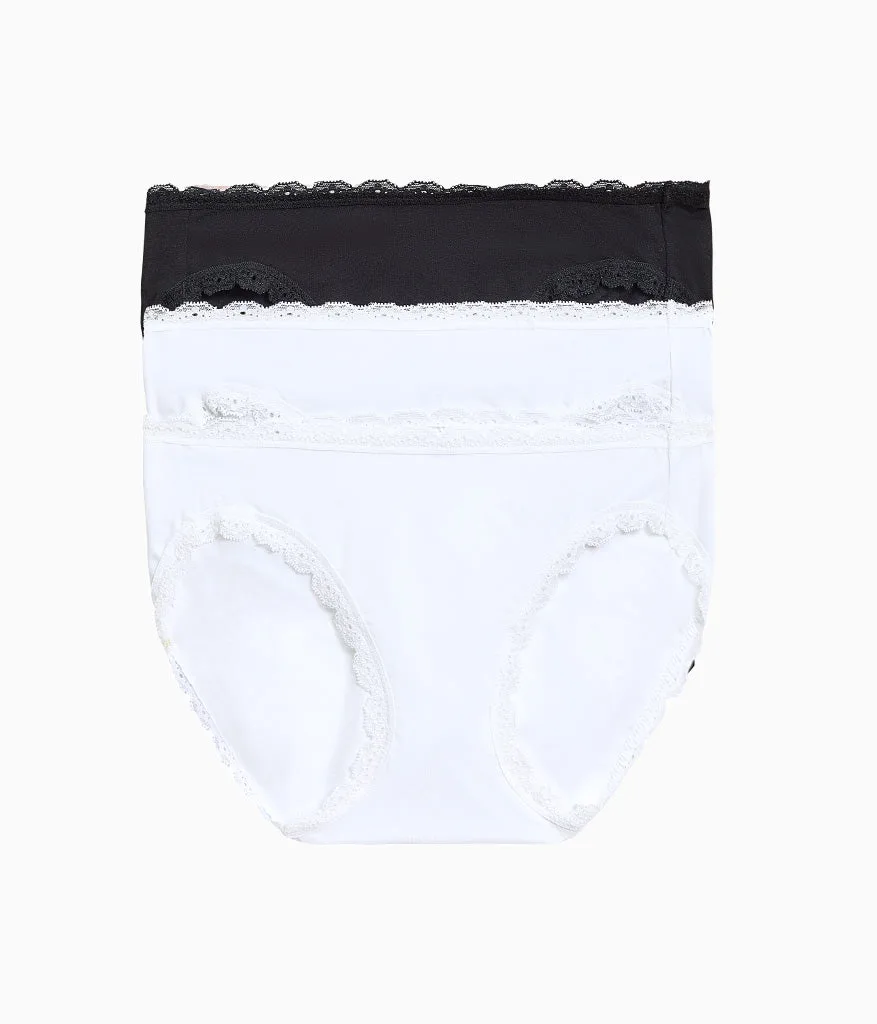
- Inspired Eyelet Bikini Panty Pack: White/White/Night: Three stretch cotton bikinis with scalloped lace at the waist and legs. The lace leg trim shows how a decorative edge changes the feel of a low cut; if lace irritates you, a plain shorty is the safer choice.
Who each cut suits
Best for
- People who want a stable leg line under skirts and dresses
- Shoppers who prefer a low, square shape with more thigh coverage
Not for
- Anyone wearing very slim trousers who wants the least bulk at the leg
- Shoppers who dislike any fabric extending down the thigh