Quick Answer
Remeasure your bra size every six months, and immediately after any weight change of about 5 pounds, pregnancy, or a shift in hormonal cycle. If your band rides up, straps dig in, or cups gap or spill, those are the clearest signs you need a new bra size. A bra that fit perfectly last year may not fit today, and that's normal.
Does Bra Size Actually Change Over Time?
Yes, and more often than most people expect. Bra size is not a permanent number. It shifts with weight fluctuations, muscle gain or loss, pregnancy, breastfeeding, menopause, and even monthly hormonal changes that cause temporary breast swelling. Age also plays a role: as skin loses elasticity and breast tissue changes, the band and cup that once fit well can start to feel loose or tight in different places. A bra that was perfect two years ago may now sit differently, and that does not mean anything is wrong with the bra.
How Often Should You Measure Your Bra Size?
Measure every six months as a baseline. Add a measurement after any of these events: a weight change of roughly 5 pounds or more, starting or stopping hormonal birth control, pregnancy, breastfeeding, or menopause. If you wear bras daily, also check the fit of your favorite styles every few months, since elastic stretches with wear. A quick at-home measurement takes five minutes and saves you from months of discomfort.
Signs You Need a New Bra Size
Your body gives clear signals when a bra no longer fits. Watch for these: the band rides up in the back, straps fall off your shoulders or dig in deeply, the center gore does not lie flat against your chest, cups gap at the top or spill over the edges, or you find yourself constantly adjusting. Underwire that leaves red marks or pokes your ribs is another sign. Any one of these means it is time to remeasure, not just tighten the straps.
How Weight Change Affects Bra Size
Weight gain or loss rarely changes your band and cup size in a perfectly even way. You might drop a band size but need the same cup, or stay in the same band while going up a cup. Because cup size is relative to band size, a 34C and a 36B hold a similar volume but fit different bodies. After a weight change, measure both your band and your bust, then use the difference to find your cup. Do not assume your old size still works.
Bra Size by Age: What to Expect
Bra size often changes across life stages. In the teen years and twenties, size may still be settling. In the thirties and forties, pregnancy and weight shifts are common triggers. During perimenopause and menopause, hormonal changes can alter breast tissue and band size, often making the band feel tighter or the cup feel different. There is no single timeline, but paying attention to comfort at each stage helps you adjust without guesswork.
How to Remeasure at Home
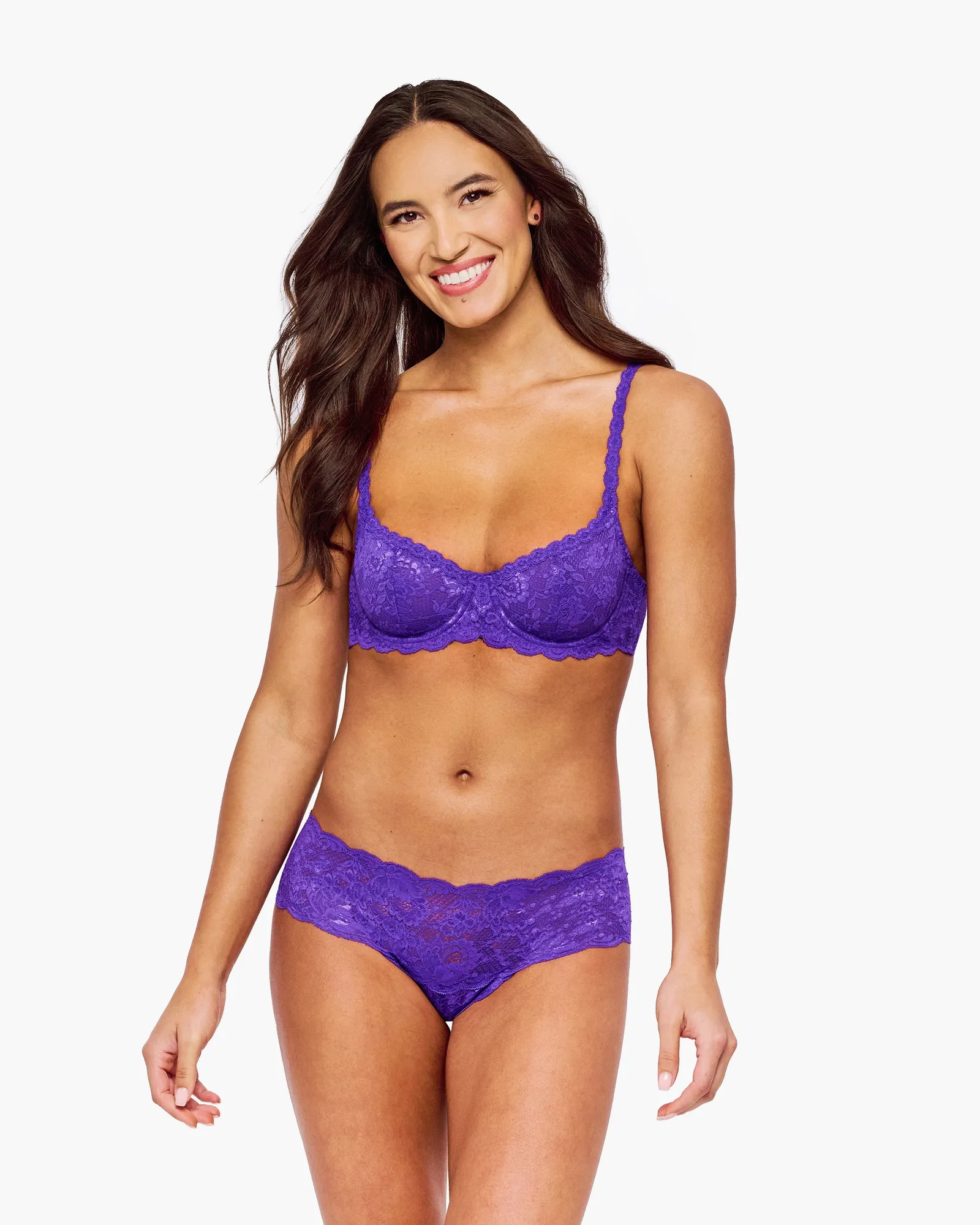
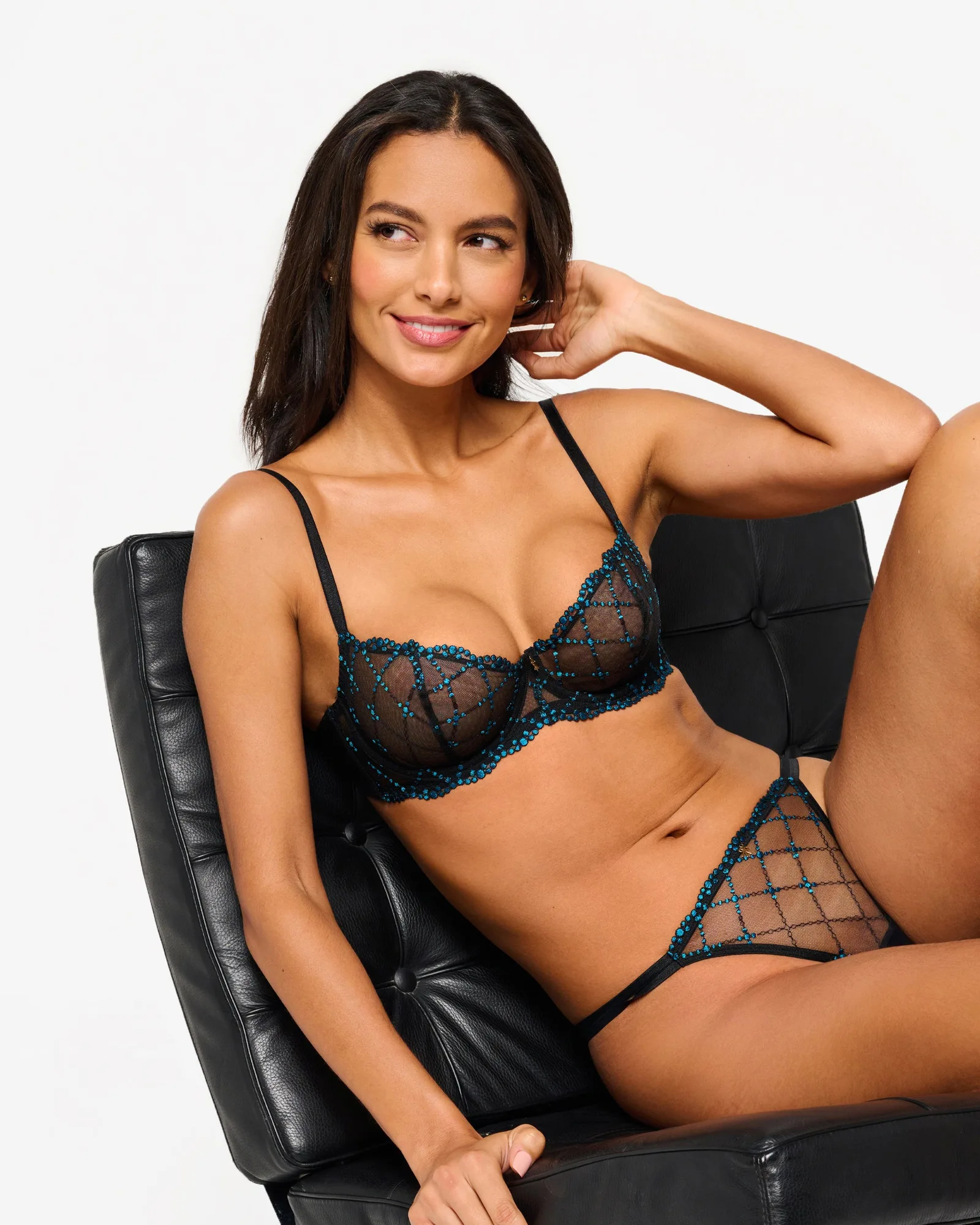
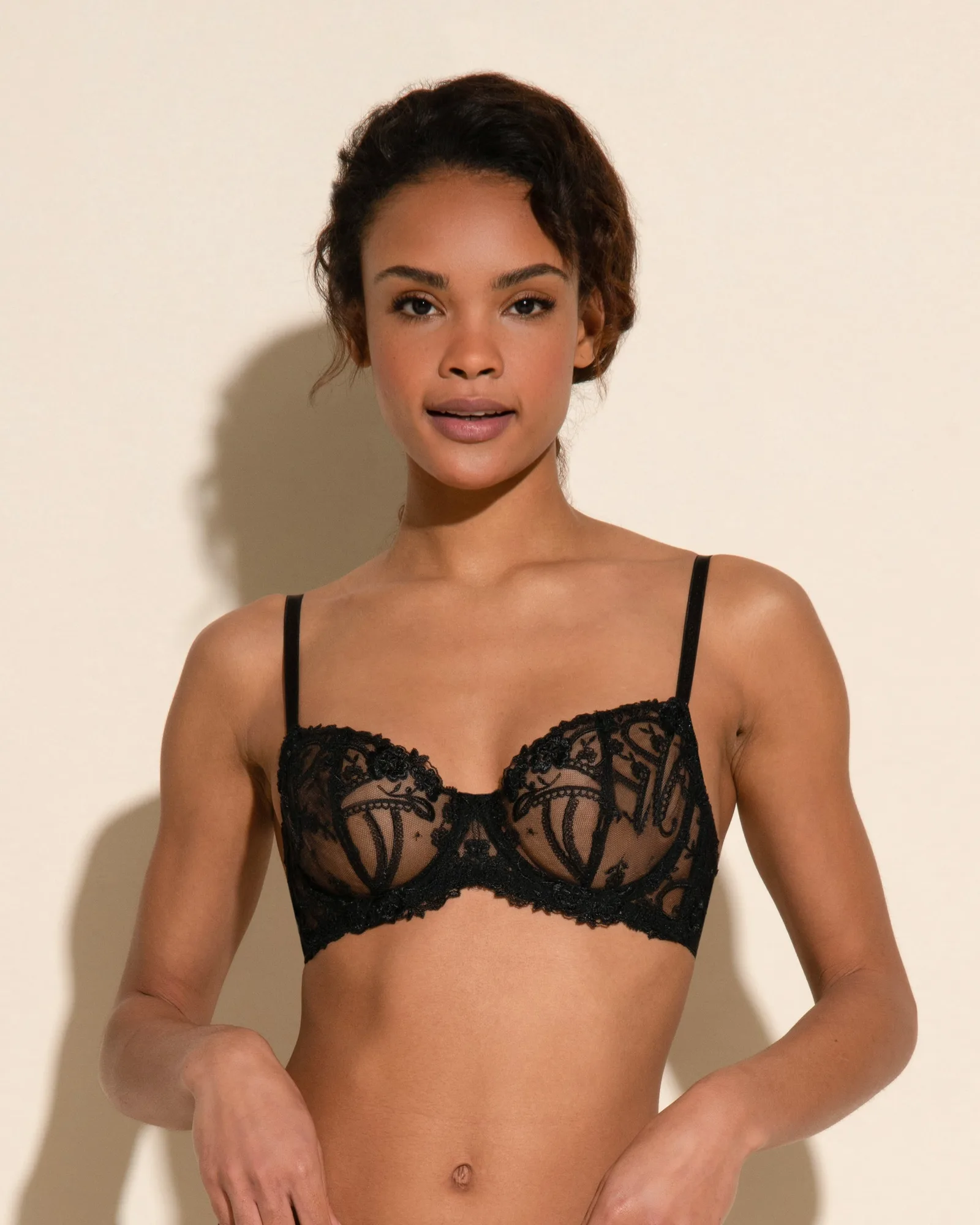
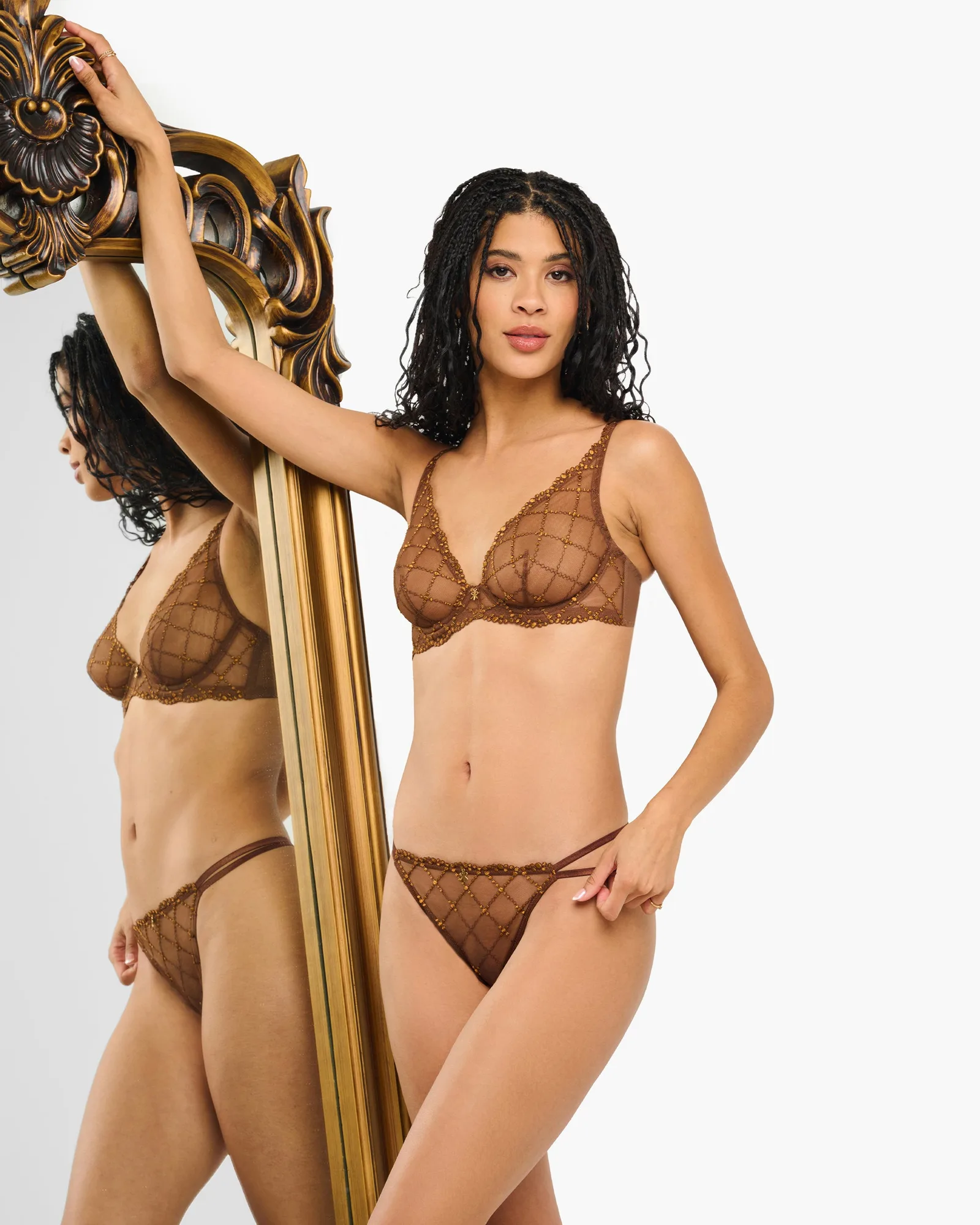
Wear an unpadded bra or no bra. Use a soft measuring tape. For the band, measure snugly around your ribcage directly under your bust, rounding to the nearest even number. For the bust, measure around the fullest part of your chest, keeping the tape level. Subtract the band from the bust: 1 inch equals A, 2 inches B, 3 inches C, and so on. If you are between sizes, try both. For a bra like the Cosabella https://cosabellaec.com/products/avventura-balconette-bra-black-lago-en-afed969e4c15059e0c848dfb-929656https://cosabellaec.com/products/dolce-underwire-bra-black-en-6f112082296477053e5c4acd-930321https://cosabellaec.com/products/dolce-balconette-bra-cappero-en-f52485339fbe7da25ce5ec32-930331https://cosabellaec.com/products/never-say-never-ombre-balconette-bra-agrumi-moon-ivory-e65808d8c424e35a9245679d-930344Balconette Bra, the non-padded cups and refined wing mean the band fit is especially important, so start there.
Bra Size Change FAQ
How often should I measure my bra size?
Every six months, plus after any weight change of about 5 pounds, pregnancy, breastfeeding, or menopause. If you wear the same bra daily, check its fit more often because elastic stretches. Set a calendar reminder every six months.
Can bra size change without weight change?
Yes. Hormonal shifts, aging, and changes in muscle tone can alter your band and cup even if the scale stays the same. Monthly cycle swelling can also change fit temporarily. Remeasure if your bra feels different for more than a few days.
What if I am between sizes?
Try both sizes. A bra with an adjustable hook-and-eye closure, like the Cosabella Balconette Bra, gives you three band settings to bridge a small gap. If one size digs in and the other gaps, the band is likely the issue. Prioritize band comfort; cups can be adjusted with the band.
Do I need a new bra size after weight loss?
Often yes. Weight loss typically reduces band size first, but cup size may stay similar or drop slightly. Remeasure both band and bust rather than guessing. Measure, then try your new size in a style you already like.
Products That Adapt to Changing Sizes
- Balconette Bra: Balconette underwire bra with non-padded cups for natural lift and enhanced cleavage, plus an adjustable hook-and-eye closure with 2 rows and 3 settings. The multiple hook settings let you fine-tune the band as your size shifts slightly, and the non-padded cups accommodate natural changes without gaping.
- Plunge Bra: Unpadded underwire bra with a deep plunge front, soft stretch scalloped Never Say Never lace, and adjustable straps. Adjustable straps and stretch lace help the bra adapt to minor fluctuations, while the plunge shape works well if your cup size changes but you still want a low neckline.