Quick Answer
Remeasure whenever your weight shifts by about 5 to 10 pounds, your band rides up or digs in, or your cups gap or spill. Measure your underbust snug and your bust at the fullest point, then compare to your current size. If the band changes but the cup volume stays similar, adjust the band size and keep the same cup letter to start.
Your bra size is not a permanent label. Weight change, hormonal shifts, pregnancy, training cycles, and even posture changes can redistribute tissue and alter your underbust and bust measurements. The bra that fit perfectly last year may now sit differently, and that is normal.
This FAQ answers the most common questions about bra size fluctuation and body changes bra fit, so you can decide when to remeasure, what to measure, and how to adjust your size without guessing.
How do I know my bra size has changed?
The clearest signs are band movement and cup fit. If the band rides up in back, digs in at the sides, or needs to be fastened on the tightest hook when it used to fit on the loosest, your underbust measurement has likely changed. If the cups gap at the top or spill over the edge, your bust volume has shifted.
You can also check the center gore. It should rest flat against your sternum. If it floats away or presses hard, the cup or band size is off. Straps that fall repeatedly or leave deep marks are another signal that the proportions no longer match.
- Band rides up or digs in
- Cups gap or spill
- Center gore floats or presses
- Straps fall or dig in
When should I remeasure my bra size?
Remeasure after any weight change of about 5 to 10 pounds, or after a noticeable shift in how your clothes fit. Hormonal changes, pregnancy, and menopause can also change breast tissue and ribcage measurements even without a scale change. If you have started or stopped a workout routine, your band size may shift before your cup size does.
As a practical rule, remeasure every six to twelve months, and sooner if you notice any of the fit signs above. There is no need to remeasure after every minor fluctuation, but do not wait until a bra becomes painful.
- Weight change of 5–10 pounds
- Pregnancy, hormonal shifts, or menopause
- New or stopped exercise routine
- Any persistent discomfort
How do I measure myself correctly?
Use a soft tape measure and wear a non-padded bra or no bra. For the underbust, wrap the tape snugly around your ribcage directly under your bust, keeping it level. For the bust, measure around the fullest part of your bust, usually at nipple level, without compressing tissue. Write both numbers down in inches or centimeters and keep them together.
If the underbust is an odd number, round down to the nearest even number for most sizing systems. The difference between bust and underbust helps determine cup size, but cup fit also depends on breast shape and bra style. Use the measurements as a starting point, not a final verdict.
- Measure underbust snug, bust at fullest point
- Keep tape level and parallel to the floor
- Round underbust down to nearest even number
- Treat the result as a starting size, then try it on
What if my band size changes but my cup size stays the same?
If your underbust measurement increases by about 2 inches, your band size typically goes up one size, and you may need to go down one cup letter to keep the same cup volume. The reverse is also true: if your band size decreases by 2 inches, go up one cup letter. This is called sister sizing, and it helps you keep the same fit when only the band changes.
For example, if you wore a 34C and your band feels tight but the cups still fit, try a 36B. If the band feels loose but the cups fit, try a 32D. Always check the center gore and band tension after switching, because sister sizes are a starting point, not a guarantee.
- Band up one size, cup down one letter
- Band down one size, cup up one letter
- Recheck gore and band after switching
Can weight loss or weight gain affect cup size differently than band size?
Yes. Breast tissue is not uniform, and fat distribution varies from person to person. Some people lose or gain weight primarily around the ribcage, which changes the band size first. Others notice cup volume changes before the band feels different. There is no universal pattern, so relying on your old size can lead to discomfort.
If you lose weight, your band may become loose and your cups may gap. If you gain weight, your band may dig in and your cups may spill. In either case, remeasure and try the sister size before assuming you need a completely different bra style.
- Band and cup can change at different rates
- Do not assume the same size still works
- Try sister sizes before changing styles
How do I adjust my bra collection without replacing everything?
Start with the bras you wear most often. If only the band has changed, a bra extender can add an inch or two of length and keep the cups you already like. If the cups have changed but the band is fine, a different bra style with more or less stretch may bridge the gap. For significant changes, replace the everyday bras first and keep the special-occasion ones until they no longer fit.
Wire-free and shaping styles often accommodate minor fluctuations more gracefully than rigid underwire styles, because their fabrics and construction allow more give. When you do replace, prioritize fit over the number on the tag.
- Use a bra extender for minor band changes
- Replace everyday bras first
- Consider wire-free styles for flexibility
Do wire-free bras make size changes easier to manage?
Wire-free bras can be more forgiving because they rely on fabric tension and shaping panels rather than a fixed wire frame. That said, they still need to fit correctly. A wire-free bra that is too small will ride up or dig in, and one that is too large will not lift or shape. The advantage is that minor fluctuations may be less noticeable between remeasurements.
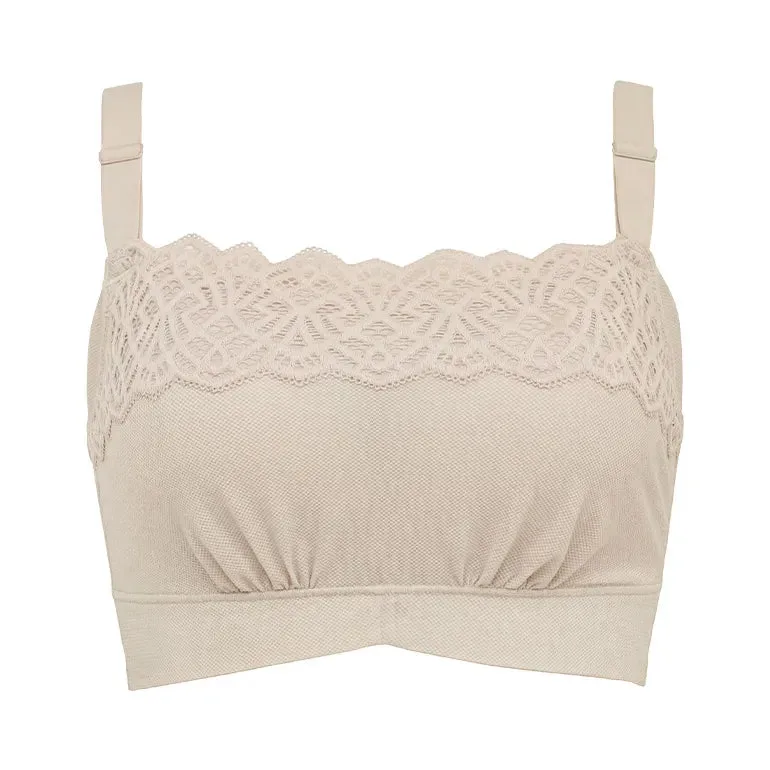
If you are in a transition period, such as after pregnancy or during a weight change, a wire-free shaping bra or bra camisole can be a practical bridge while you settle into a new size.
- Wire-free styles have more give
- Still check band and cup fit
- Good for transitional periods
Bra Size Change Checklist
Measure underbust and bust
Use a soft tape measure, keep it level, and write down both numbers. Round the underbust down to the nearest even number. Use this as your starting size, not a final answer.
Check band tension and gore
The band should be snug but not painful, and the center gore should rest flat against your sternum. If either is off, adjust band or cup size.
Try a sister size
If the band changed but the cup volume still feels right, go up one band size and down one cup letter, or the reverse. Recheck the fit after switching.
Replace everyday bras first
Prioritize the bras you wear most often, and use extenders or wire-free styles to bridge minor changes. Fit matters more than the number on the tag.
Products That Adapt to Size Changes
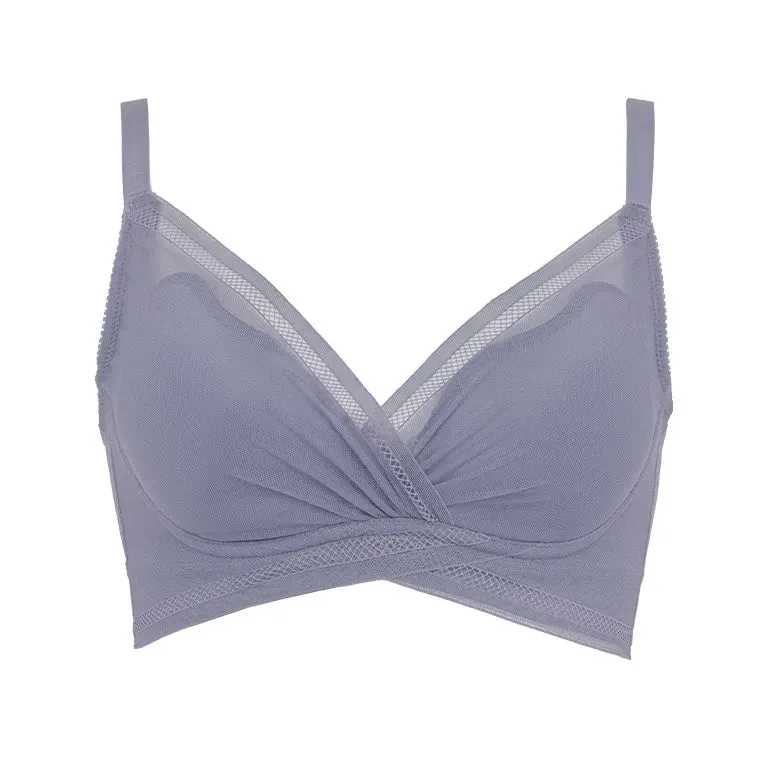
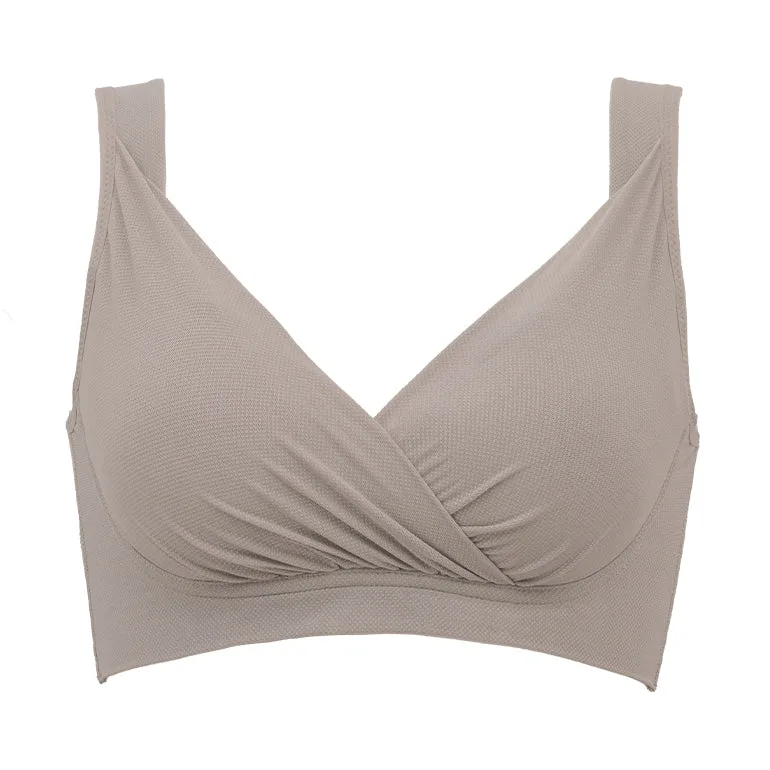
- Soft Comfort Shaping Wireless Bra 26: The Soft Comfort Shaping Wireless Bra 26 is a shaping wire-free bra with mesh tricot main fabric that offers breathability, a Cool Touch Function, and moisture-wicking and quick-dry properties. The wire-free construction and stretch mesh can accommodate minor size fluctuations more comfortably than a rigid underwire, making it a practical choice during weight shifts.
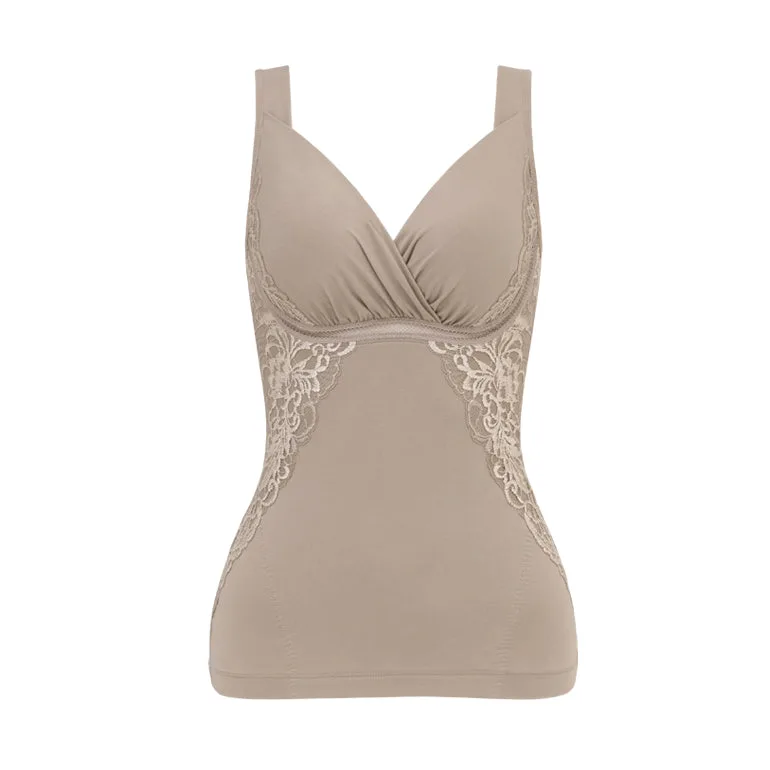
- Cotton Wireless Lace Bra Camisole 24: The Cotton Wireless Lace Bra Camisole 24 offers lifted and supported comfort with patented mesh tape, and its lace and power net combo helps enhance the waistline and gently lift and shape the bust. If your band size has changed but you still want shaping support, this camisole style provides wire-free lift without a fixed underwire, so it can adapt to a changing ribcage.
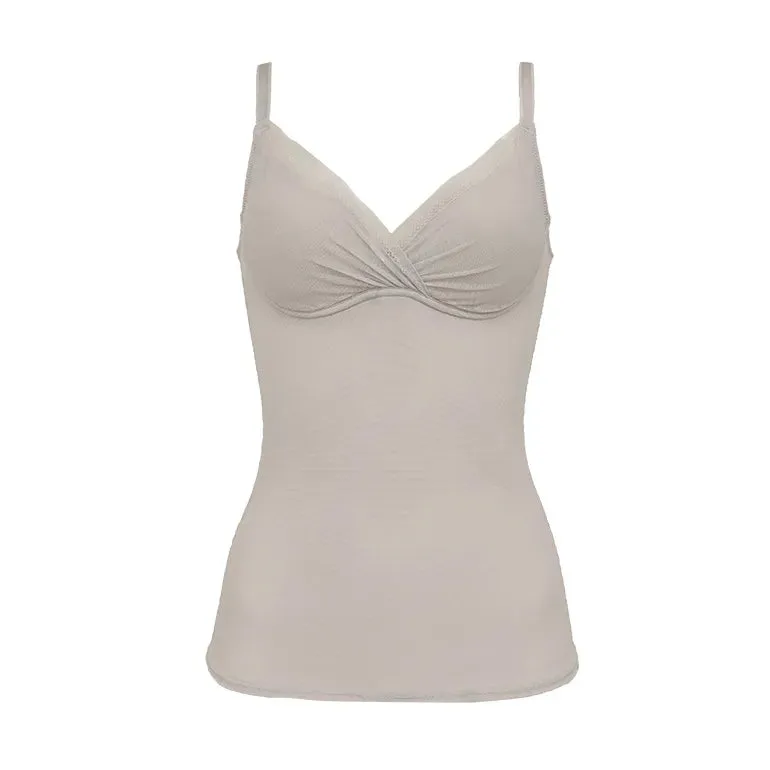
- https://bradelisnewyorkecv.com/products/me525301-cdf240396fd612aa92e03a3c-1320226LiftMeUp Wireless Shaping Bra Camisole: The LiftMeUp Wireless Shaping Bra Camisole is a shaping wire-free bra camisole ideal for everyday wear, designed with seamless, less-visible cups and a straight hemline. Seamless cups and a wire-free design reduce pressure points when your size is in transition, and the camisole style stays in place even if your underbust measurement shifts slightly.
Your bra size is a snapshot, not a permanent label. Remeasure after any noticeable weight or body change, start with the sister size when only the band shifts, and choose wire-free or shaping styles when you need flexibility during transitions. A comfortable fit is always worth the adjustment.