Quick Answer
Most bra sizing myths come from treating size as a fixed number rather than a starting point. Cup size does not tell you everything about fit, sister sizes are a useful tool rather than a rule, and the only real test is how the bra feels and supports you. Use the size chart as a guide, then adjust based on the actual fit.
Bra sizing is one of those topics where everyone has an opinion, and a lot of those opinions are wrong. The myths stick because they sound logical, but they often lead to uncomfortable bras and unnecessary frustration. Let's separate the facts from the fiction so you can shop smarter.
We'll walk through the most common bra size misconceptions, give you a clear verdict on each, and explain what actually matters when you're choosing a bra. No jargon, no judgment, just practical guidance you can use.
Myth: Cup Size Is a Fixed Volume
This is one of the biggest bra fitting myths: that a D cup is always the same size, no matter the band. In reality, cup volume changes with band size. A 34D and a 36C can hold a similar volume, which is why sister sizing exists. Cup size is not an absolute measurement; it is relative to the band.
So does cup size matter? Yes, but not in isolation. The cup must match your breast shape and the band must provide the right level of support. If you focus only on the letter, you might miss a better fit in a different combination. Always consider the band and cup together.
- If the band feels too tight but the cup fits, try going up a band size and down a cup size.
- If the band feels loose but the cup fits, try going down a band size and up a cup size.
Myth: Sister Sizes Are Interchangeable
Sister sizing is a helpful guideline, not a magic swap. The idea is that if you go up a band size, you go down a cup size to maintain a similar volume. But it does not guarantee the same fit because band length and cup shape vary between styles and brands. A sister size might work in one bra and not another.
Use sister sizes as a starting point when your usual size is unavailable or when a specific style runs differently. Always check the fit: the band should be snug but not tight, and the cups should lie flat without gaping or digging. If the sister size does not feel right, it is not the right size for you.
- Sister sizing is most useful when you are between sizes or trying a new brand.
- Do not assume your sister size will fit the same in every bra style.
Myth: You Should Always Wear the Same Size
Your bra size is not a permanent label. Body changes, weight fluctuations, hormonal cycles, and even different bra styles can affect the size you need. A bra that fit perfectly last year might not feel the same today. That does not mean you measured wrong; it means your body is not static.
Instead of clinging to a number, pay attention to how the bra feels. The band should sit level and snug, the center gore should lie flat against your chest, and the cups should contain your breast tissue without spillage or empty space. If any of these are off, try a different size.
- Re-measure yourself every six months or after any significant body change.
- Different bra styles may require different sizes, so always try before you buy.
Myth: A Loose Band Means You Need a Smaller Cup
A loose band is usually a sign that the band size is too big, not that the cup is too small. If you go down a cup size to compensate, you might end up with cups that are too small and a band that still rides up. The band provides most of the support, so it needs to be firm and level.
If your band rides up in the back, try a smaller band size and adjust the cup accordingly. Remember the sister size rule: go down a band and up a cup. That often solves the problem without sacrificing cup fit.
- Check the band: it should be snug on the loosest hook when new.
- If the band rides up, go down a band size and up a cup size.
Myth Verdicts
- Cup size is fixed: Cup volume changes with band size. A 34D is not the same volume as a 36D. Verdict: Myth. Always consider band and cup together.
- Sister sizes always work: Sister sizing is a guideline, not a guarantee. Fit varies by style and brand. Verdict: Partly true. Use it as a starting point, then check the fit.
- Your size never changes: Body changes, hormones, and style differences can all affect the size you need. Verdict: Myth. Re-measure regularly and prioritize fit over the number.
- A loose band means smaller cup: A loose band usually means the band size is too big, not the cup. Verdict: Myth. Go down a band and up a cup instead.
Real Bras, Real Fit
- Pamela Bra - Black: Underwire bra with nude illusion mesh and stretch lace, adjustable straps, and sheer mesh panels. Adjustable straps let you fine-tune the fit, while the mesh and lace provide a flexible, forgiving fit that adapts to your shape.
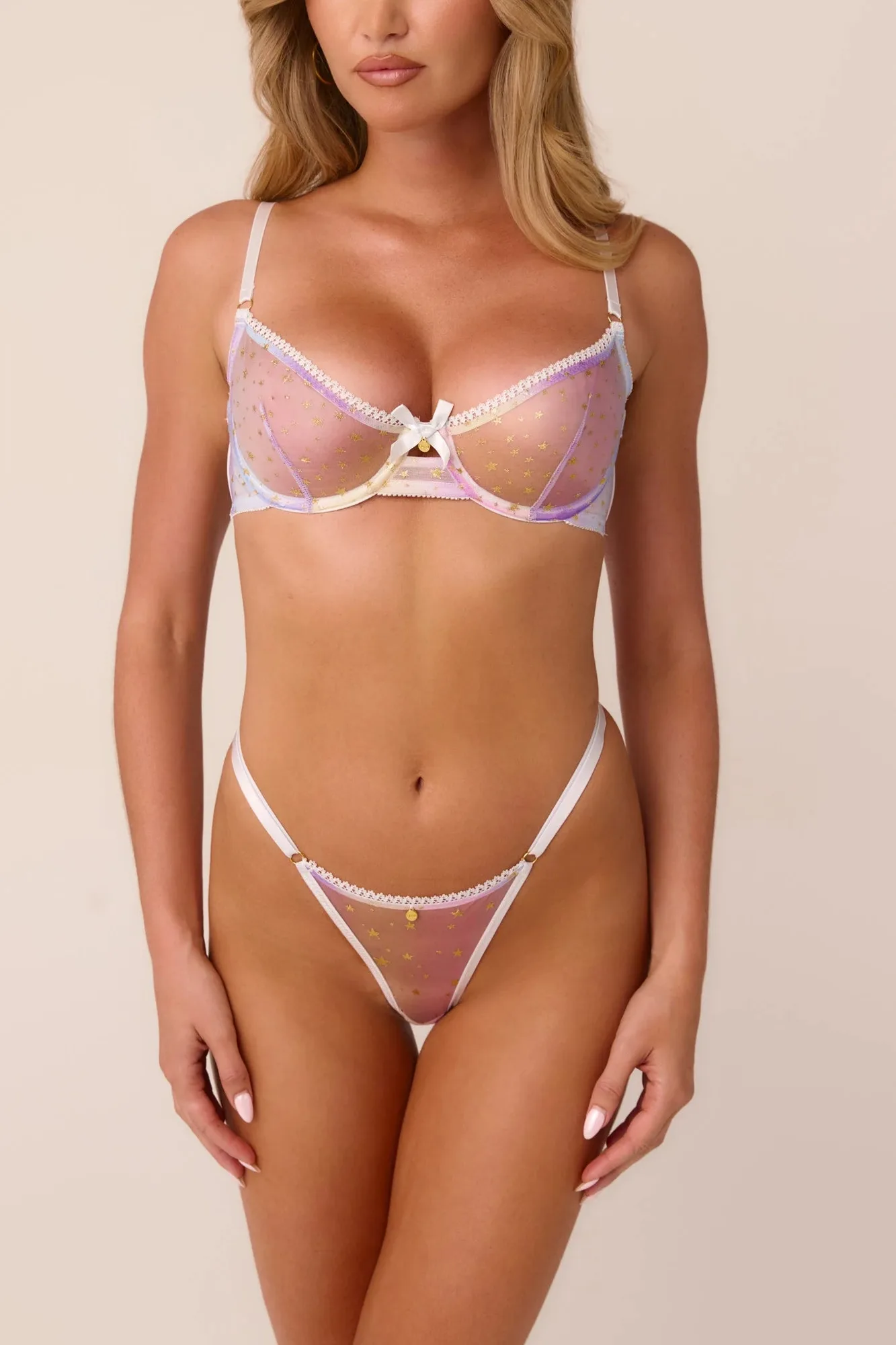
- Aubrey Set Stars: Bra set with a fully adjustable bra top and thong, adjustable back straps, and adjustable thong side straps. Multiple adjustment points mean you can customize the fit of both the bra and the panty, which is especially helpful if you are between sizes.
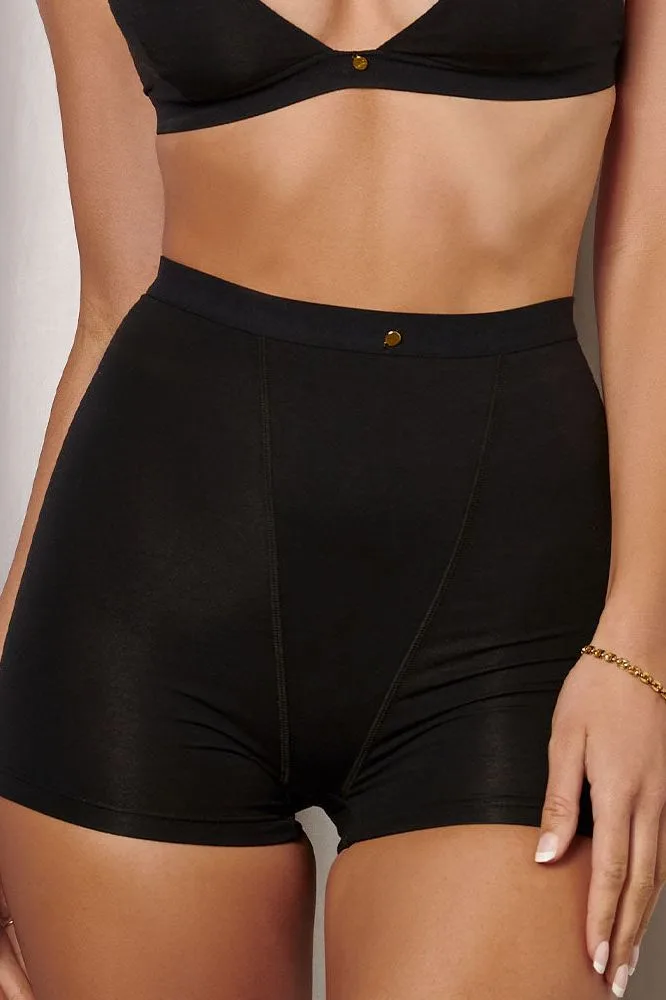
- Lennox Underwear Black: Boxer style underwear with high waisted support, made from soft bamboo fabric. High-waisted bamboo underwear offers a comfortable, supportive alternative to traditional panties, and the fabric content is clearly stated so you know what to expect.
Bra sizing is not about memorizing a number; it is about understanding how band and cup work together and being willing to adjust. Use these myth verdicts as your guide, and remember that the best bra is the one that feels comfortable and supportive on you. If you are unsure, start with your measurements, try a few sizes, and trust the fit over the label.