Quick answer
For everyday wear, choose a cotton or cotton-blend bralette for breathability and a soft feel against the skin. For shape and a dressier look, choose lace. For hot weather, workouts, or layering under sheer tops, choose mesh. If you want one bralette that stretches and recovers without losing shape, look for a nylon-spandex blend. Match the fabric to the job first, then check the size chart.
A bralette's fabric decides how it feels, how it moves, and how long it keeps its shape. Two bralettes in the same size can behave completely differently if one is cotton and the other is lace over mesh. That is why the material matters more than the label on the tag.
This guide breaks down the common bralette fabric types, explains the trade-offs honestly, and gives you decision rules you can use before you add anything to your cart.
Why bralette fabric matters more than you think
Fabric controls three things: breathability, stretch, and structure. Cotton breathes well and feels soft, but it has less stretch on its own, so it is often blended with a small amount of spandex. Lace adds texture and visual interest, but it can be scratchy if the lining is thin. Mesh is lightweight and airy, which makes it a strong choice for heat and layering, though it offers less coverage.
Stretch and recovery matter just as much. A bralette that stretches but does not bounce back will sag by mid-afternoon. Blends with a higher spandex percentage tend to hold their shape better, while all-cotton styles may relax over time. Check the fabric content before you buy, not after.
- Look for the fiber percentages, not just the fabric name.
- If you run hot or sweat easily, prioritize breathable fibers.
- If you want a bralette to last, prioritize stretch recovery.
Cotton bralettes: best for sensitive skin and everyday wear
A cotton bralette is the easiest place to start if your priority is comfort. Cotton is breathable, soft, and generally gentle on sensitive skin. It works well for lounging, working from home, and days when you want light support without pressure points. The trade-off is stretch: pure cotton does not move with you the way a synthetic blend does, so many cotton bralettes include a small amount of spandex.
Cotton also holds up well to repeated washing, which makes it a practical choice for a daily rotation. If you want a cotton bralette to keep its shape, wash it in cold water and air dry it. Heat is the main enemy of stretch fibers.
- Choose cotton when comfort and breathability come first.
- Check the spandex percentage if you want more give.
- Air dry to protect the stretch.
Lace bralettes: best for shape, texture, and dressing up
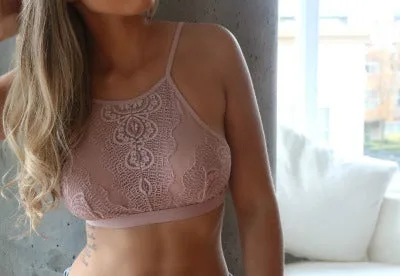
A lace bralette earns its place when you want the bralette to be part of the outfit, not hidden under it. Lace adds texture and a more polished look, which is why it works well under blazers, low-cut tops, and sheer layers. The trade-off is care: lace can snag on jewelry, zippers, and rough edges, and it often needs a lingerie bag in the wash.
Lace also varies a lot in feel. Some lace is soft and flat; other lace has raised edges that can irritate skin. If you are sensitive, look for a lace bralette with a soft lining or a smooth band. If you want structure, look for lace layered over mesh or a firmer cup shape.
- Choose lace when you want the bralette to be visible.
- Use a lingerie bag to prevent snags.
- Check whether the lace is lined if your skin is sensitive.
Mesh bralettes: best for heat, workouts, and layering
A mesh bralette is the lightest option in most drawers. Mesh is airy, quick to dry, and excellent for hot weather or layering under sheer tops where you want a subtle texture rather than a solid block of color. It is also a common choice for active days because it does not trap heat the way thicker fabrics can.
The trade-off is coverage. Mesh is often semi-sheer, so it may show more than you expect under bright light. If coverage matters, look for a double-layer mesh or a mesh style with a solid front panel. Mesh also has less structure on its own, so it works best when you want light support rather than shaping.
- Choose mesh for heat, travel, and layering.
- Check the opacity in daylight before wearing it out.
- Pair mesh with a solid layer if you want more coverage.
Blends and specialty fabrics: what nylon and spandex add
Most bralettes are not one fiber. A nylon-spandex blend is common because nylon adds durability and spandex adds stretch and recovery. That combination is what lets a bralette move with you and return to shape. If you see a high spandex percentage, expect more stretch; if you see mostly nylon, expect more durability and a smoother feel.
Specialty fabrics like satin or microfiber can feel luxurious, but they behave differently. Satin is smooth and dressy but can be less breathable. Microfiber is soft and often moisture-wicking, which makes it a good middle ground for everyday wear. Read the care label before you commit, because specialty fabrics often need gentler washing.
- Nylon-spandex blends offer the best balance of stretch and durability.
- Higher spandex means more give, but check the size chart.
- Follow the care label for satin and microfiber.
How to choose the best bralette material for your day
Start with the activity, not the aesthetic. If you are lounging or working from home, cotton or a soft blend is the comfortable pick. If you are going out and want the bralette to show, lace gives you texture and shape. If you are facing heat, traveling, or layering, mesh keeps you cool and light. If you need one bralette that does a bit of everything, a nylon-spandex blend is the most versatile starting point.
Then check the fit details. A bralette that fits well in a fabric you like will outperform a beautiful bralette that sits wrong. Use the size chart, and if you are between sizes, size up in lace and mesh, which have less stretch, and stay true to size in blends with more spandex.
- Match the fabric to the activity first.
- Size up in lace and mesh if you are between sizes.
- When in doubt, choose a blend with spandex for recovery.
Decision rules for choosing a bralette fabric
- If comfort is the priority: Choose cotton or a cotton-rich blend. It breathes, feels soft, and is gentle on sensitive skin. Check for a small amount of spandex if you want more give. Best for lounging, work-from-home days, and sensitive skin.
- If you want the bralette to be seen: Choose lace. It adds texture and shape, and it works as part of the outfit under a blazer or low-cut top. Use a lingerie bag to prevent snags. Best for nights out and styled layers.
- If you run hot or layer often: Choose mesh. It is the lightest and most breathable option, and it dries quickly. Check the opacity in daylight if coverage matters. Best for summer, travel, and sheer tops.
- If you want one do-it-all bralette: Choose a nylon-spandex blend. It balances durability, stretch, and recovery better than a single-fiber fabric. Best for everyday rotation and unpredictable days.
Product facts that show these materials in practice
- Lucia: 92% nylon 8% spandex, available in Black, White, Grey and Rose, with a versatile back that converts to a racerback-style. This is a clear example of a nylon-spandex blend: the nylon adds durability and the spandex adds stretch and recovery, so it holds shape while moving with you. The convertible back also lets you change the look without changing the fabric.
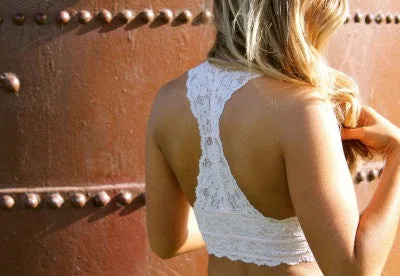
racerback
- https://thebralettecoenc.com/products/any-occasion-robe-1-8243cf039f7aced07f87e6fb-1493649Any Occasion Robe: Lace trimmed, mini-length, wrap closure with belt, V-neckline. Shows how lace trim is used as a design detail rather than the whole garment. If you like the look of lace but not the feel against your skin, a lace-trimmed piece gives you the visual effect with a smoother main fabric.
- Bralette Overlay Top: Available in Small (2/4), Medium (6/8), and Large (10/12). A layered overlay is a practical way to add coverage over a mesh or lace bralette without changing the bralette itself. Use the size range to decide whether the overlay will sit smoothly over your base layer.
Fit guidance by fabric
Best for
- Everyday comfort and sensitive skin: cotton or cotton-blend bralettes
- Dressing up and visible texture: lace bralettes
- Heat, travel, and layering: mesh bralettes
- All-day stretch and shape recovery: nylon-spandex blends
Not for
- High-impact support: bralettes are not a substitute for a structured sports bra
- Heavy shaping: mesh and lace have limited structure on their own
- Snag-prone environments: lace needs extra care around jewelry and zippers
Pick the fabric for the job, then check the size chart. Cotton for comfort, lace for looks, mesh for heat, and a nylon-spandex blend when you want one bralette to handle most days.