Quick answer
For everyday wear, a bralette is better when comfort, breathability, and an easy fit matter most, while a bra is better when you want shaping, lift, or structured support. Many people keep both: a bralette for relaxed days and a bra for outfits or activities that need more hold. If you are choosing just one, pick based on how much support your day actually requires, not on which style sounds more flattering.
Most people asking which is better, a bralette or a bra, are really asking a more specific question: which one will I actually want to put on tomorrow morning? The honest answer depends on support needs, outfit, and how long you will be wearing it.
This comparison breaks down the real difference between a bralette and a bra using fit and construction facts, not marketing language. You will see where each style wins, where it falls short, and how to choose for everyday wear without buying more than you need.
The core difference: construction, not just style
A bralette is typically wireless and made from stretch fabric, which is why it feels light and forgiving. A bra usually adds structure through underwire, molded cups, or adjustable band and strap systems. That construction difference drives everything else: support level, shape, and how precisely the piece has to fit.
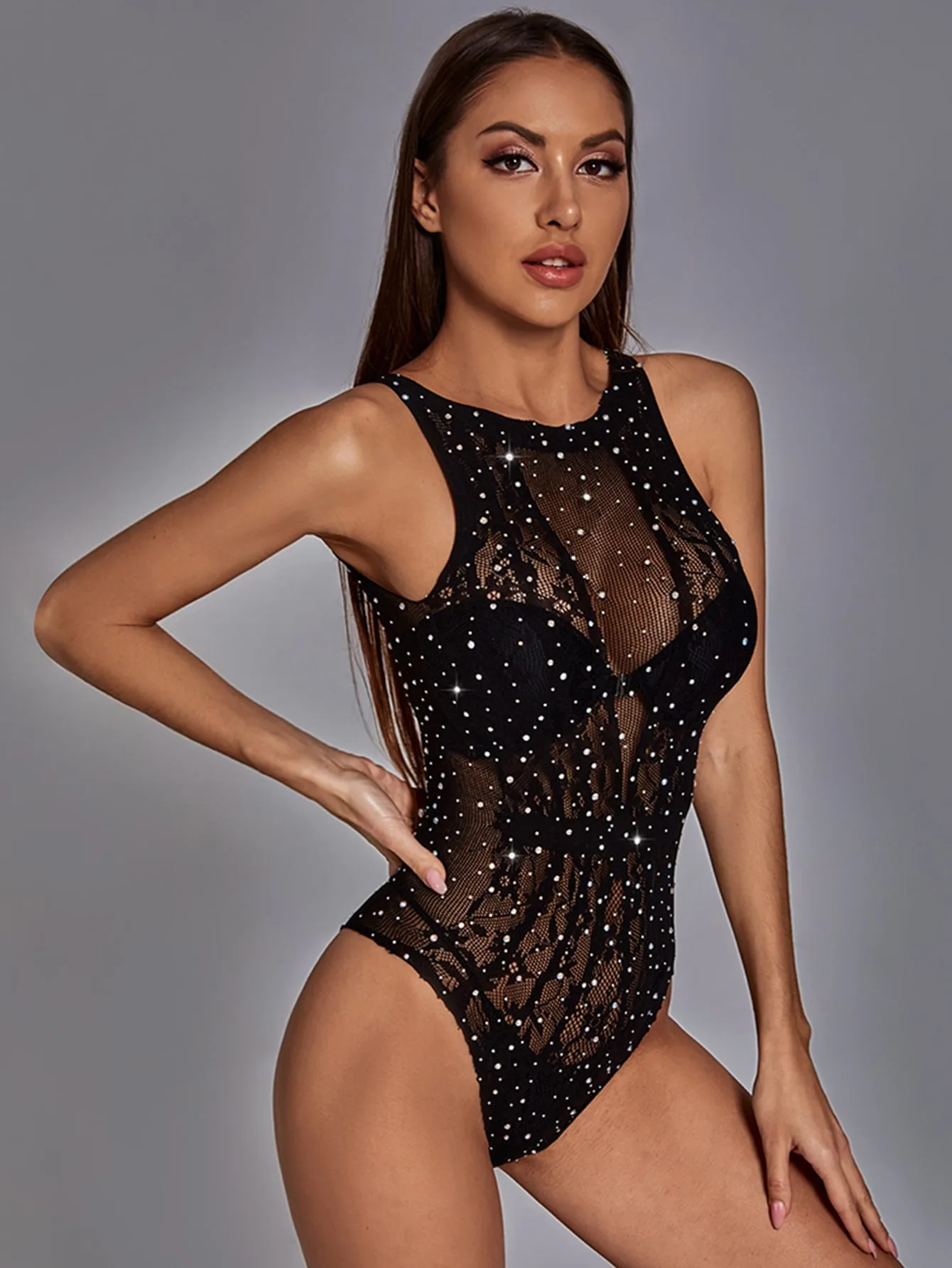
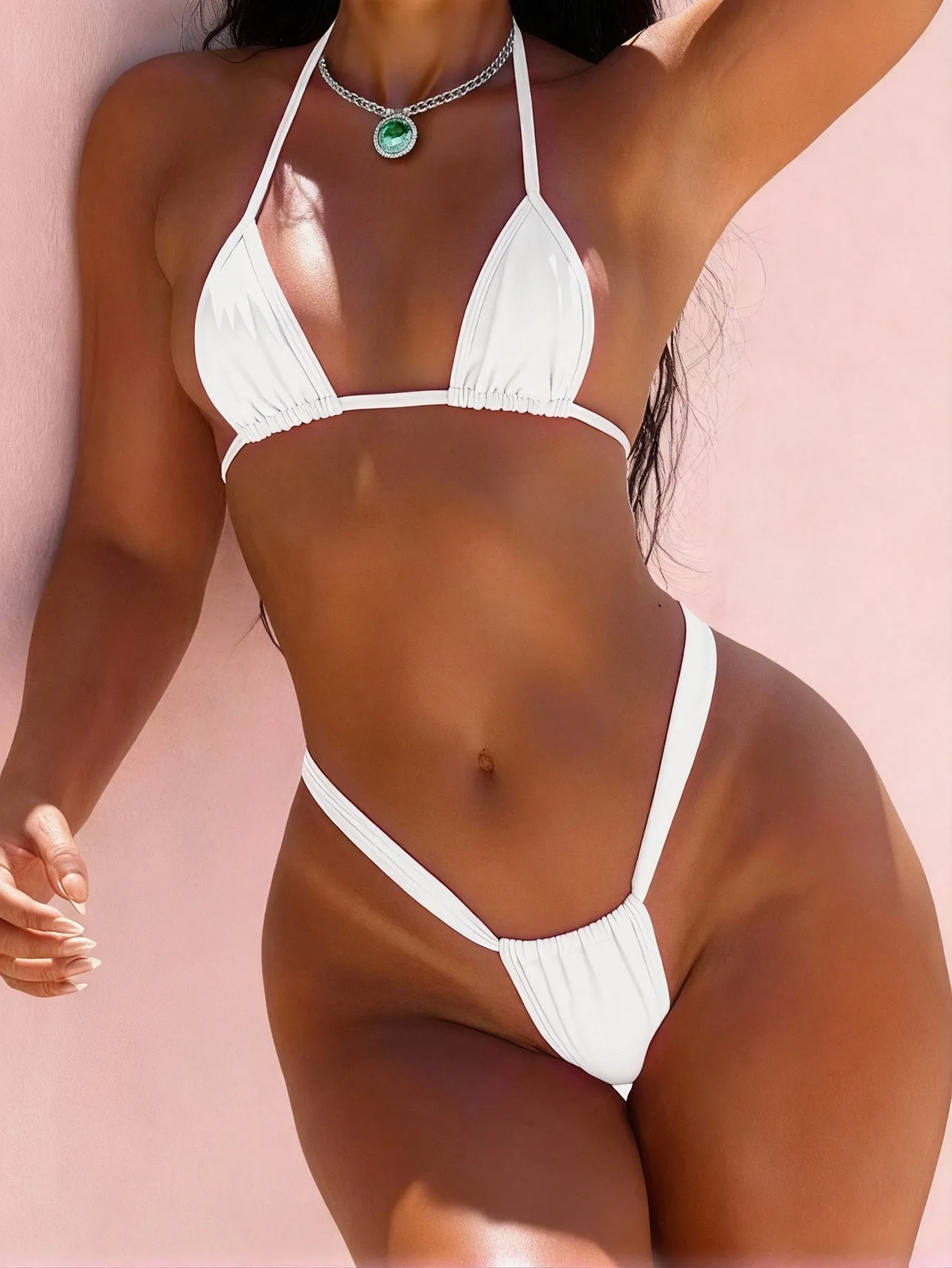
You can see this in real product details. The Barely Sweet Bikini uses a mouldless wireless micro top in high-stretch fabric, a construction that prioritizes a natural shape over lift. On the structured end, the Lights Off lists specific bra-size equivalents across US, UK, EU, and other sizing systems, which is what you expect from a piece designed to hold and shape.
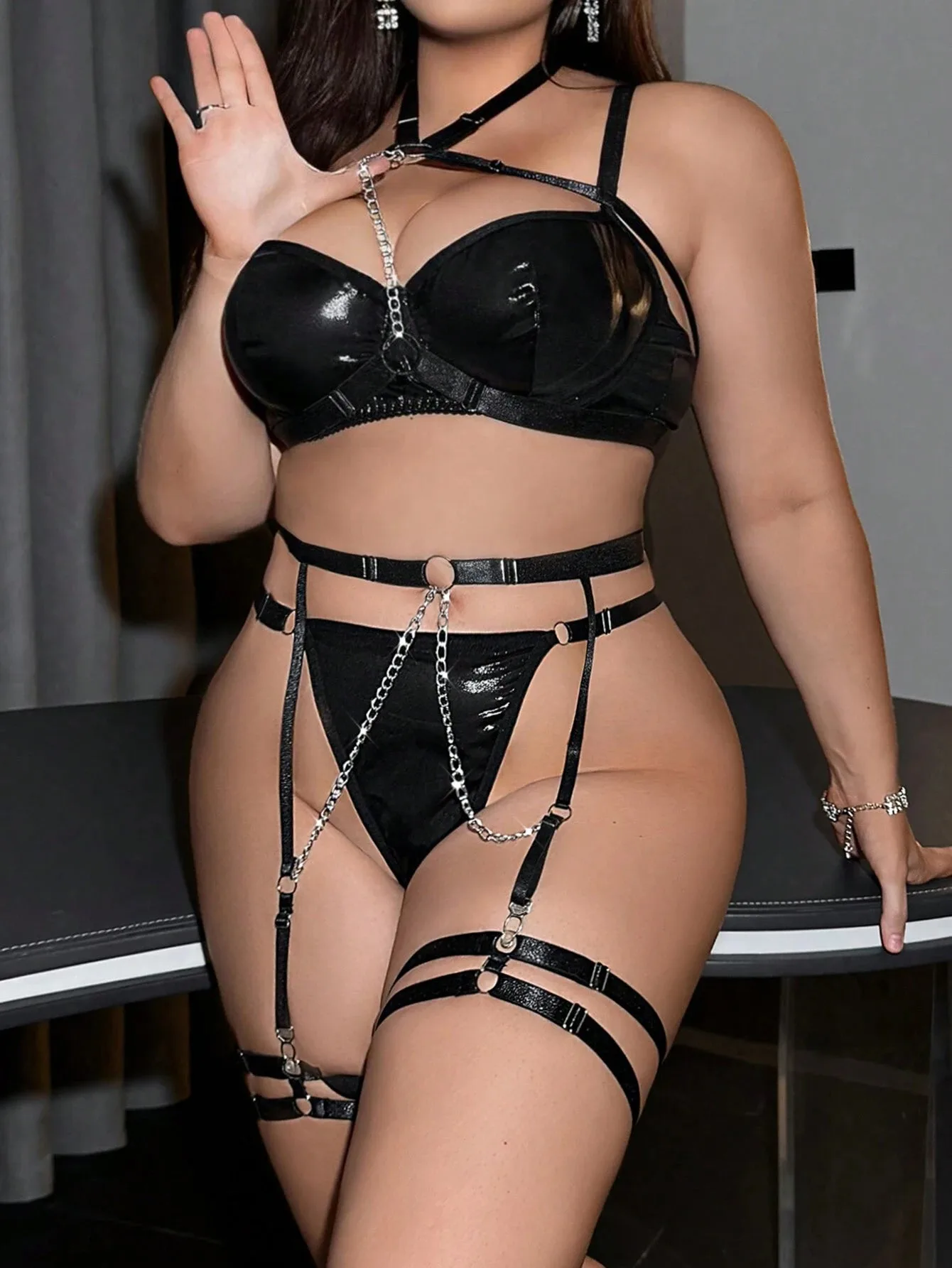
Lights Off
- Wireless and stretch equals comfort and flexibility; underwire and sizing bands equal structure and hold.
Bralette vs bra comfort for everyday wear
Bralettes generally win on comfort because there is no underwire pressing into the ribcage and less hardware against the skin. Stretch fabric moves with you, so a bralette tolerates small fit variations and stays comfortable through long days, travel, and lounging.
Bras can still be comfortable, but comfort depends on getting the band and cup size right. A well-fitted bra distributes weight through the band rather than the straps, which is why size accuracy matters far more with a bra than with a bralette. If your bra feels uncomfortable, the size is usually the problem, not the category.
- If you hate adjusting straps all day, start with a wireless bralette and size by your underbust measurement.
Support and shaping: where a bra pulls ahead
Support is the clearest trade-off. A bra with underwire or structured cups lifts and separates, which reads better under tailored clothing and holds up during movement. A bralette offers light support and a more natural silhouette, which is a feature for some outfits and a limitation for others.
Size range also changes the equation. The Lights Off covers 1XL through 4XL with mapped cup equivalents, showing that structured support can extend across fuller sizes when the brand does the sizing work. If you are above a C cup and want real lift, a structured bra is the more reliable choice.
- For high-impact activity or formal outfits, choose structure. For errands and desk days, wireless is usually enough.
Coverage, modesty, and outfit pairing
Coverage is a separate question from support. A bralette can offer less coverage by design, which is why some styles work as visible layering under an open shirt while others disappear under a tee. Structured bras tend to offer more predictable coverage because the cups are shaped rather than stretched.
Think about the neckline before you buy. A halter-style bralette suits backless or low-back tops, while a standard bra with a smooth cup is easier under fitted knits. Matching the piece to the outfit prevents the common mistake of buying a bralette for support it was never built to give.
- Lay the bra or bralette under the actual top you plan to wear before deciding.
Cost, care, and how many you actually need
Bralettes usually cost less and are simpler to care for because there is no underwire to bend or poke through. Bras cost more per piece and need more careful washing to keep the band elastic and cup shape intact, but they last through more structured wear.
A practical everyday wardrobe is often two or three bralettes for relaxed days plus one or two well-fitted bras for work, events, or exercise. That mix covers most weeks without overbuying, and it lets each style do the job it is actually good at.
- Wash wireless bralettes in a mesh bag and air dry to protect the stretch.
Trade-offs at a glance
- Comfort: Bralettes skip underwire and hardware, so they tolerate long days and small fit shifts. Bras can be comfortable too, but only when the band and cup size are correct. Choose a bralette for all-day ease; choose a bra only after confirming your size.
- Support and shaping: Structured bras lift, separate, and hold during movement. Bralettes give light support and a natural silhouette, which is a limitation under tailored clothing. If lift is the priority, structure wins. If ease is the priority, wireless wins.
- Sizing precision: Bralettes rely on stretch and forgiving fits, while bras depend on accurate band and cup measurements. Extended structured sizing, like the 1XL to 4XL range on Lights Off, shows how much sizing detail support requires. Measure your underbust and bust before buying a structured bra; bralettes are more forgiving.
- Cost and care: Bralettes cost less and survive simple washing. Bras cost more and need gentler care to keep elastic and cup shape intact. A small mix of both usually costs less than replacing one style that never fit your routine.
Product facts that show the trade-off
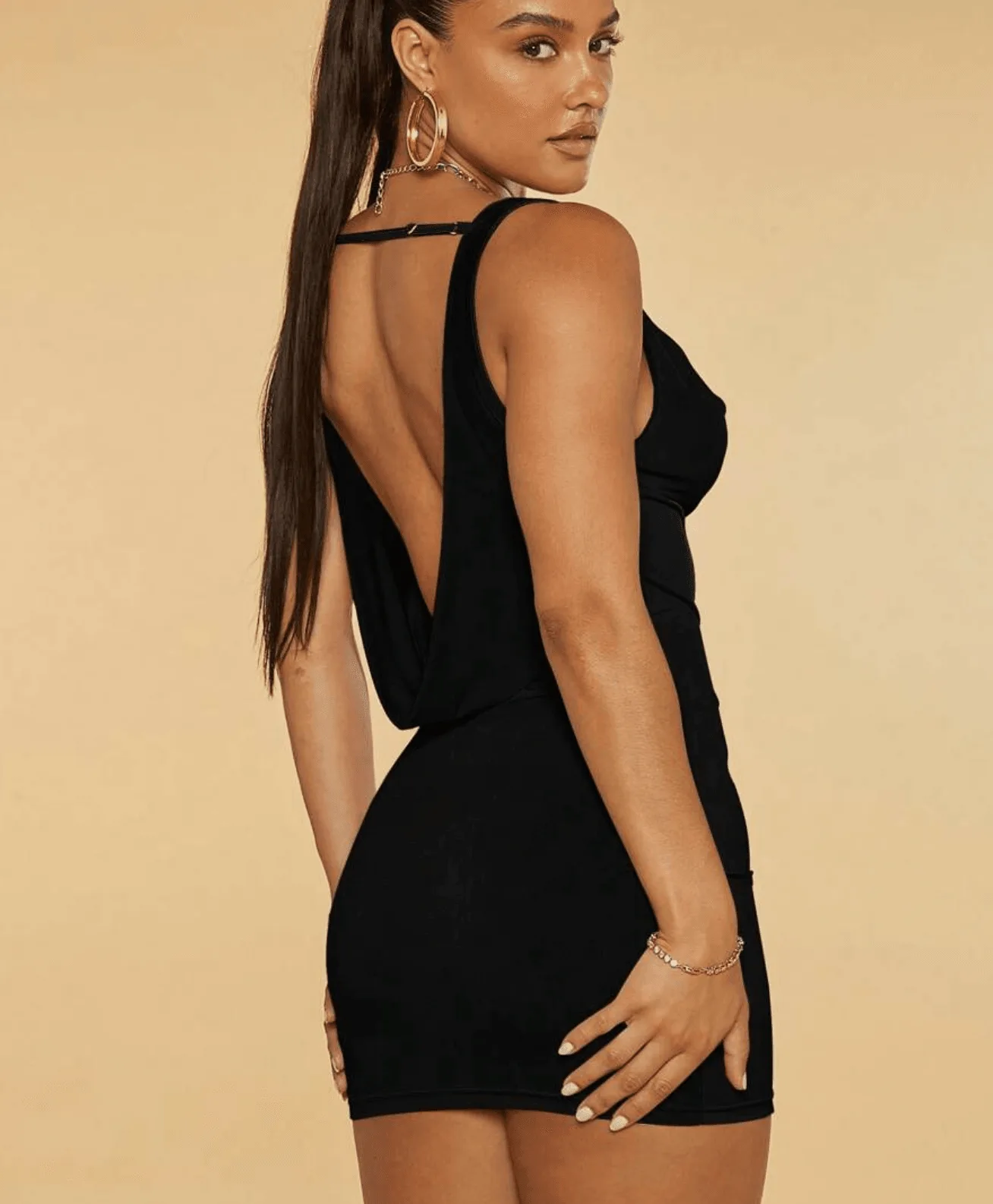
- Barely Sweet: Two-piece set with a backless halter silhouette and a mouldless wireless micro top in high-stretch fabric. This is the bralette side of the comparison: natural shape and freedom of movement, with light rather than structured support.
- Lights Off: Sizes 1XL to 4XL with mapped bra-size equivalents across US, UK, EU, FR, ASIA, IT, AU, and BR systems. This is the bra side: extended sizing and cross-system conversion make it easier to get the structured fit that support depends on.
- Casino Nights: Sizes XS to L with bust, waist, and hip ranges listed for each size. Range-based sizing helps you match a piece to your measurements instead of guessing, which matters more as support increases.
- Shine On: One-size fit with a 34.6 inch bust, 26.8 inch waist, and 20.5 inch length. One-size pieces suit stretch-led, low-structure styles; they are a poor fit if you need precise band and cup support.
How to decide for your everyday wear
Choose a bralette if you
- Want comfort for long desk days, travel, or lounging
- Prefer a natural shape and light support under relaxed or layered outfits
- Are between sizes or want a forgiving stretch fit
Choose a structured bra instead if you
- Need lift, separation, or hold during movement
- Wear tailored or fitted clothing where a smooth, shaped cup matters
- Have a fuller cup size and want reliable support rather than light coverage
There is no single winner in the bralette vs bra question, only a better match for the day ahead. Keep a wireless bralette for comfort-led wear and a well-fitted structured bra for support-led wear, and you will stop forcing one style to do both jobs.