Quick answer
Brass bookmarks outlast paper bookmarks by decades because solid brass resists bending, tearing, and moisture, while paper bookmarks fray at the edges and lose shape after a few months of regular use. If you read daily and want a bookmark that stays flat and intact, choose brass. If you prefer lightweight, inexpensive, and easily replaceable markers, paper is the practical choice.
Durability: how each material handles daily reading
Paper bookmarks are typically made from cardstock or coated paper. They can be beautiful and lightweight, but the same qualities that make them flexible also make them vulnerable. The top and bottom edges crease when you close a book, and repeated sliding in and out of pages causes the corners to soften and fray. Moisture from humid air or a spilled drink can warp the paper and smear the ink. Most paper bookmarks last a few months to a year with gentle use, and they are rarely worth repairing once they start to split.
Brass bookmarks are cut from solid metal, so they do not tear, bend easily, or absorb water. A brass bookmark can survive being dropped, sat on, or left in a book for years without losing its shape. The surface may develop a natural patina over time, which many people find attractive, but it will not disintegrate the way paper does. If you want a durable bookmarks comparison, brass wins on lifespan by a wide margin.
Care and maintenance: what each material asks of you
Paper bookmarks need almost no care, but they also cannot be cleaned effectively. Once they are stained or bent, they are usually destined for the recycling bin. You can extend their life by storing them flat and keeping them away from moisture, but you cannot restore them.
Brass bookmarks may need occasional attention. Handling leaves natural oils on the metal, which can dull the shine. A quick wipe with a soft dry cloth keeps them looking their best. If you prefer a polished finish, a gentle brass cleaner can remove tarnish, but many owners embrace the aged look. The key trade-off is that brass requires a few seconds of care to stay pristine, while paper requires none but has a short lifespan.
Cost and value: when brass is worth it
Paper bookmarks are cheap, often free, and easy to replace. If you lose them regularly or like to switch designs with your mood, paper is a low-commitment option. However, replacing paper bookmarks every few months adds up, and the environmental cost of disposable paper products is worth considering.
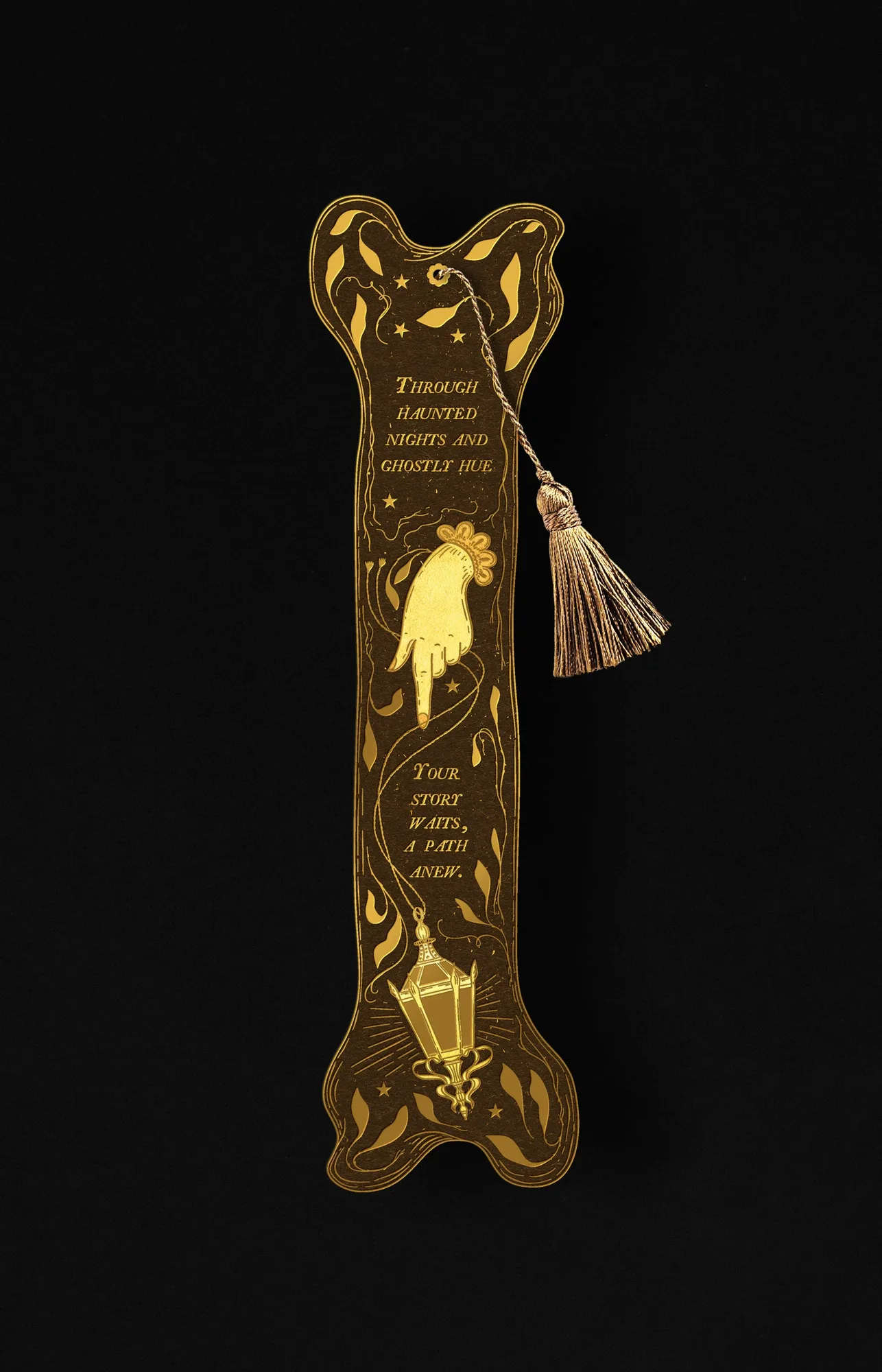
Brass bookmarks cost more upfront, but they are a one-time purchase for many readers. When you divide the price over years of use, the cost per reading session becomes very low. For example, the Samhain Night Bookmark at USD 10.55 is a small investment that will outlast dozens of paper alternatives. Larger brass art pieces, like the Evergreen - Large Brass Legacy at USD 252.00, are heirloom objects rather than everyday markers, but they demonstrate the same material longevity. If you are asking yourself whether brass bookmarks are worth it, consider how often you read and how much you value a tool that stays functional and beautiful.
Aesthetic and tactile differences
Paper bookmarks offer limitless printed designs and can be very lightweight, so they do not add bulk to a book. They feel soft and flexible in the hand. Brass bookmarks have a solid, cool weight that many readers find satisfying. They can be engraved, embossed, or cut into intricate shapes, and they often feature gold foil or patina finishes that catch the light. The trade-off is that brass is heavier and may be too thick for very small or tightly bound books. Paper slides in easily but can fall out if the book is jostled.
Trade-offs at a glance
- Lifespan: Brass can last decades; paper typically lasts months to a year with regular use. Choose brass if you want a bookmark that stays intact without replacement.
- Care: Paper needs no maintenance but cannot be repaired; brass may need occasional wiping to remove oils or tarnish. Brass rewards a tiny bit of care with years of service.
- Cost: Paper is cheap and often free; brass costs more upfront but spreads the cost over many years. Brass is worth it if you read often and dislike replacing worn-out markers.
- Weight and feel: Paper is lightweight and flexible; brass is heavier and solid, which some readers love and others find bulky. Consider the size of your books and your personal preference for heft.
Brass bookmark examples from Cocorrina
- Samhain Night Bookmark: Samhain Night Bookmark, USD 10.55, inspired by Tales & Legends: Samhain, with gold foil design and a gentle spell honoring the unseen. An affordable entry point into brass bookmarks that shows how metal can carry detailed artwork without sacrificing durability.
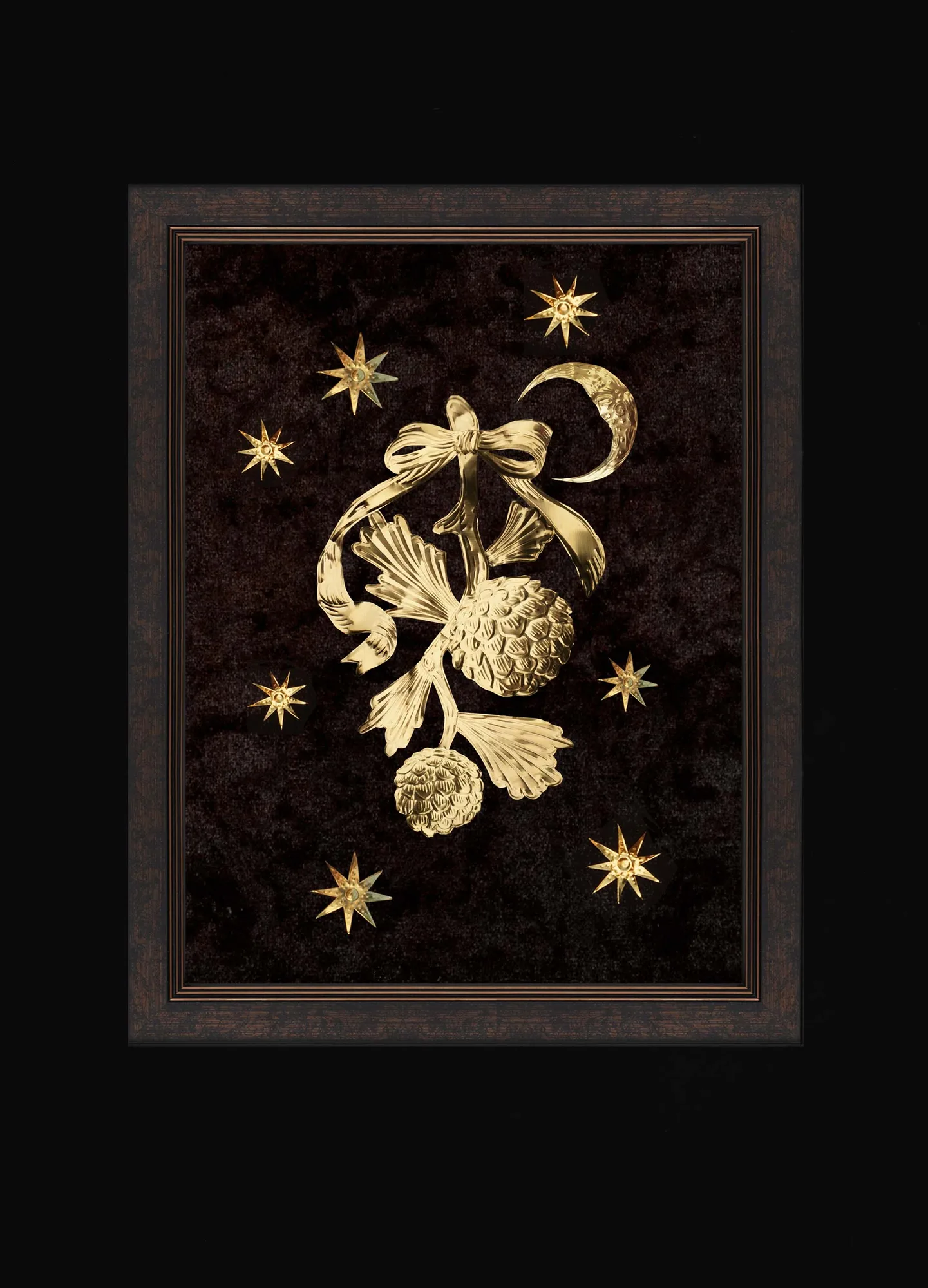
- Evergreen - Large Brass Legacy: Evergreen - Large Brass Legacy, USD 252.00, hand-cut, embossed, and assembled by Corina in her island studio, framed in dark brown wood and resting on brown velvet. Ships approximately 4 weeks after purchase. A large-scale brass art piece that demonstrates the longevity of brass as a material for heirloom objects, though it is not intended as a daily bookmark.
- Bad Moon Rising Large - Large Brass Legacy: Bad Moon Rising Large - Large Brass Legacy, USD 283.50, hand-cut and embossed, framed in dark brown wood. Ships approximately 3 weeks after purchase. Another example of brass craftsmanship where the metal is expected to last for generations, reinforcing the material's durability compared to paper.
Which should you choose?
Brass is best for
- Daily readers who want a bookmark that stays flat and intact for years
- People who appreciate patina and see bookmarks as small collectibles
- Gift-givers looking for a durable, meaningful present
Paper is best for
- Readers who lose bookmarks frequently and prefer low-cost replacements
- Those who need an ultra-thin marker for delicate or tightly bound books
- Anyone who wants to change designs often without spending much