Quick answer
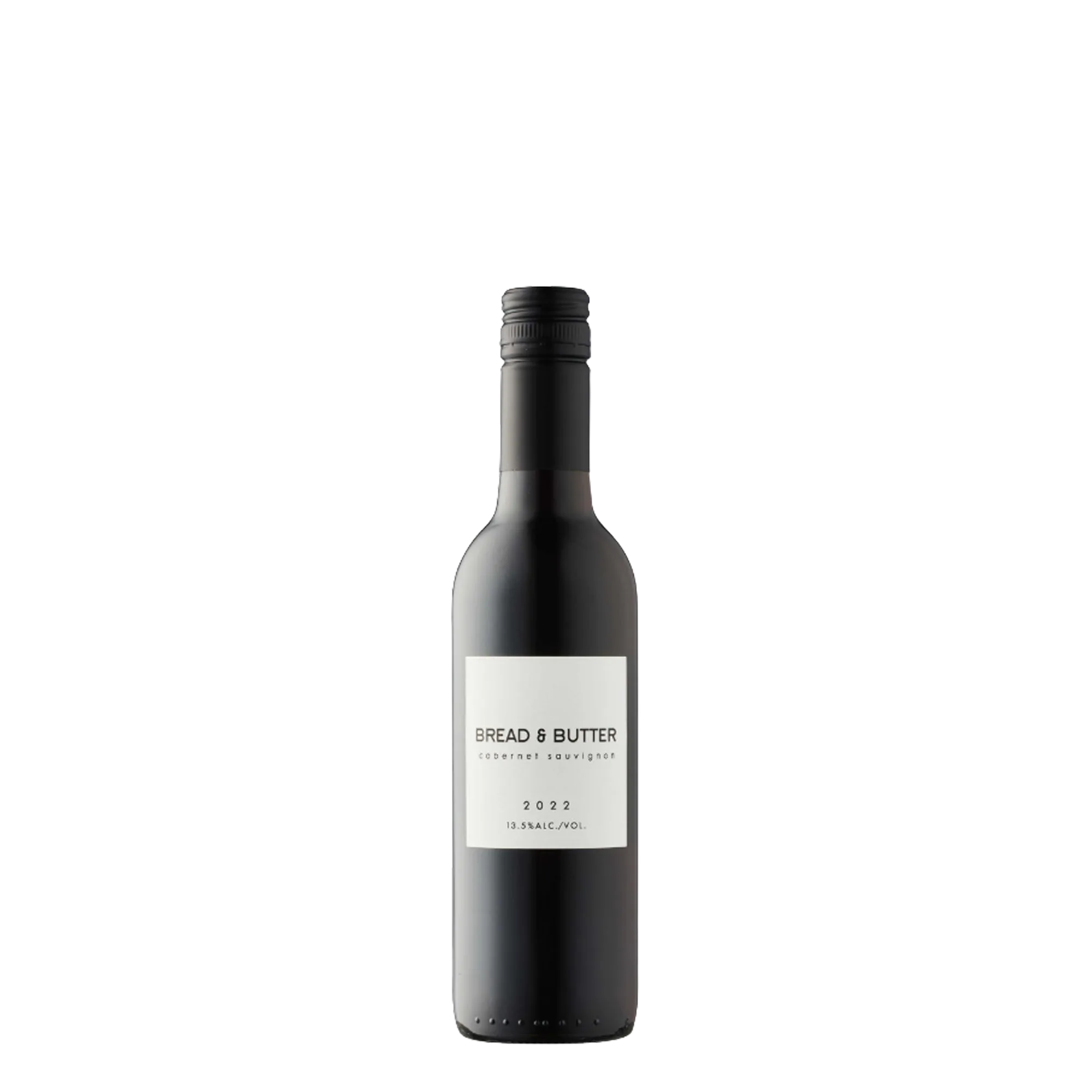
Buy the Bread & Butter Cabernet 375ml if you want one or two generous glasses of a soft, mocha-and-blackcurrant Cabernet without opening a full bottle. It is a strong fit for solo dinners, hotel rooms, and tasting flights. Skip it if you routinely pour for three or more people, because the small format runs out fast and costs more per ounce than a standard bottle.
What a 375ml wine bottle actually gets you
A 375ml bottle holds half the volume of a standard 750ml bottle, which works out to roughly two 6-ounce glasses or three modest 4-ounce pours. That is the whole math behind the format: fewer glasses, less leftover wine, and a lower upfront price than a full bottle.
The tradeoff is cost per ounce. Small formats usually carry a higher unit cost because bottling, glass, and shipping are spread across less wine. So the question is not whether the half bottle is cheaper overall, but whether you will actually finish what you open. If a full bottle tends to go stale in your fridge, the 375ml wins on value even at a higher per-ounce price.
How the Bread & Butter Cabernet tastes in a half bottle
The wine itself is a soft, round Cabernet with layers of mocha, fresh berries, blackcurrant, and subtle black pepper, plus toasted oak and vanilla. Tannins are soft, and the finish lingers on sweet vanilla rather than drying grip. That profile matters for the half-bottle decision: because the tannins are gentle and the fruit is forward, this is a wine you can open and drink without a long decant.
Small-format bottles age faster than standard ones because there is more oxygen relative to wine. For a soft, fruit-driven Cabernet meant for near-term drinking, that is not a problem. It is a reason to treat the 375ml as a drink-now bottle rather than something to cellar for years.
When a half bottle beats a full bottle
The format shines in specific situations: a weeknight dinner for one, a two-person meal where each person wants one glass, a picnic where you do not want to carry a full bottle home, or a tasting where you are comparing several reds side by side.
It also solves the leftover problem. If you like a glass of red two or three nights a week but rarely finish a 750ml before it fades, the 375ml lets you open something fresh each time. For a soft Cabernet with vanilla and berry notes, fresh is exactly how you want it.
When to choose a different bottle or format
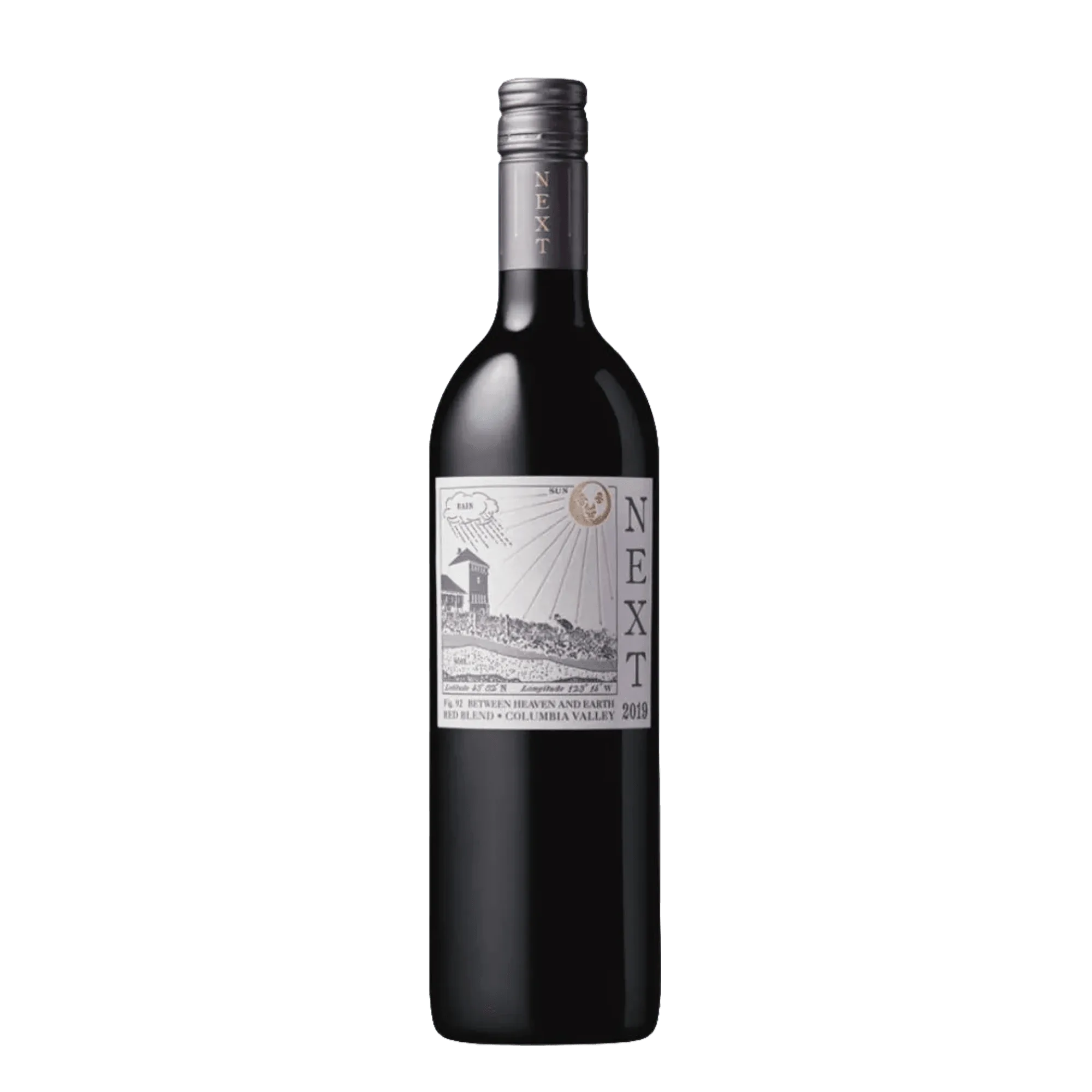
If you are pouring for a group of four or more, a half bottle will not cover the table. In that case, a full bottle of a versatile red blend makes more sense. The Next Wines Between Heaven and Earth Red Blend is full-bodied but softer than a Cabernet Sauvignon and heavier than a Pinot, and it is built to work with food or on its own, which makes it easier to stretch across a mixed group.
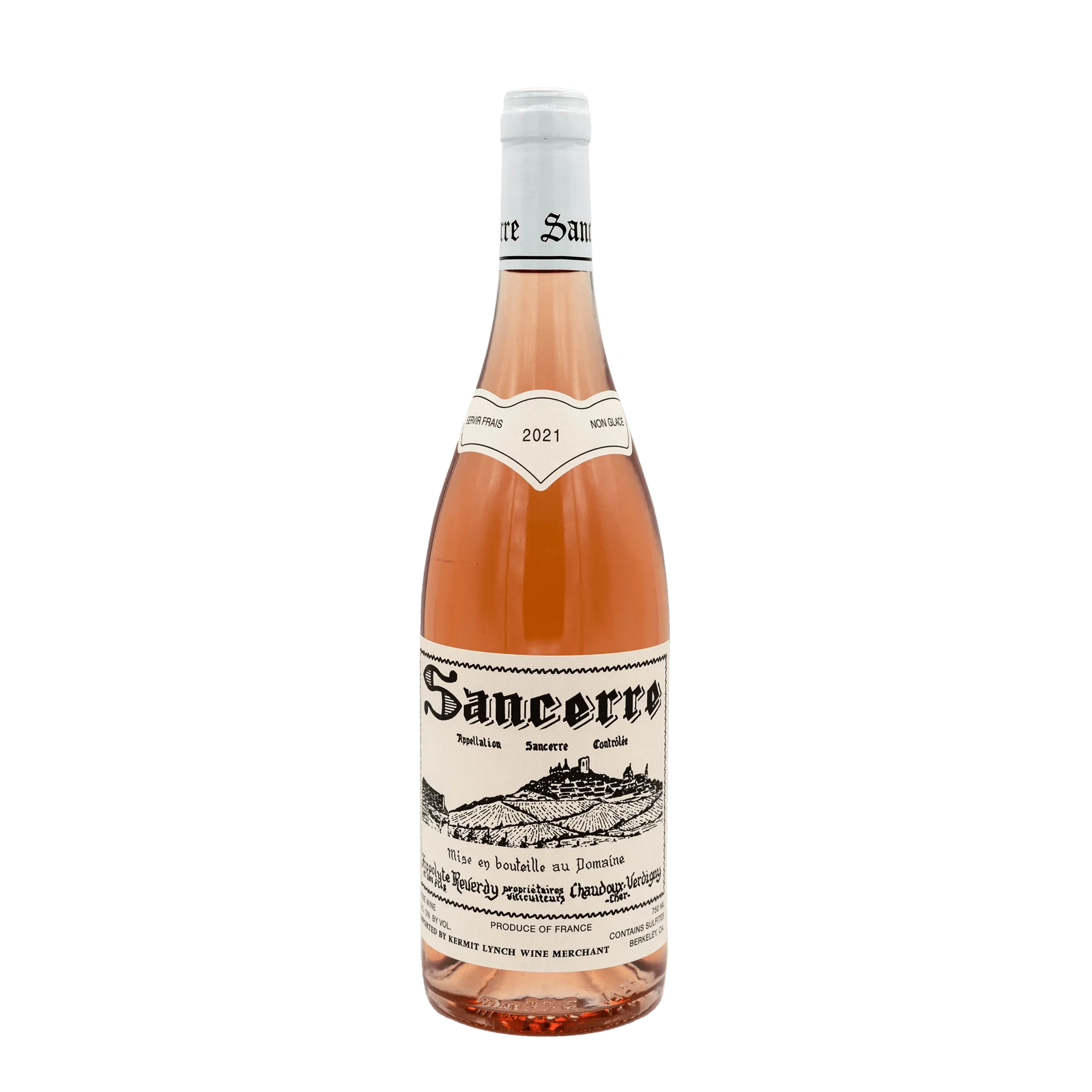
If you want something crisp and chilled instead of a red, a rosé is a different lane entirely. The Hippolyte Sancerre Rose brings limestone and wet-rock aromas with citrus and green pear, a crisp texture, and clean acidity. It is not a substitute for a Cabernet, but it is the right pick when the meal calls for something bright rather than round.
Practical serving and storage notes for the 375ml
Serve this Cabernet slightly below room temperature, around 60–65°F, to keep the vanilla and oak in check. Because the bottle is small, it warms quickly in the hand, so pour what you plan to drink and set the bottle back down rather than holding it.
If you do not finish the half bottle in one sitting, stopper it and refrigerate it. Red wine can take a chill for a day or two; let the last glass warm up for 10–15 minutes before drinking. A six-bottle tote is useful if you are carrying several small formats to a dinner or picnic, since it keeps them upright and separated.
Decision rules for buying the half bottle
- Rule 1: Count your glasses first: A 375ml bottle gives roughly two 6-ounce glasses. If your table needs more than that, buy a full bottle or a second half bottle. Two glasses or fewer: half bottle. Three or more: full bottle.
- Rule 2: Match the format to your drinking pace: If you rarely finish a 750ml before it fades, the half bottle reduces waste even though it costs more per ounce. Frequent small pours favor the 375ml.
- Rule 3: Choose by food, not just size: This Cabernet's mocha, blackcurrant, and vanilla profile suits red meat and richer dishes. For a mixed table or lighter food, a versatile red blend or a crisp rosé fits better. Pick the wine style first, then the format.
- Rule 4: Treat it as a drink-now bottle: Small formats age faster. This soft, fruit-forward Cabernet is built for near-term drinking, so buy it to open, not to cellar. No long aging; serve within the season you buy it.
Product facts
- Bread & Butter Cabernet 375ml: Bread & Butter Cabernet 375ml is a robust wine with layers of mocha, fresh berries, blackcurrant, subtle black pepper, toasted oak, and vanilla, with soft tannins and a lingering finish of sweet vanilla. The soft tannins and fruit-forward style mean you can open and pour it without a long decant, which suits the drink-now nature of a half bottle.
- Next Wines Between Heaven and Earth Red Blend: Next Wines Between Heaven and Earth Red Blend is a full-bodied Washington red that is softer than a Cabernet Sauvignon yet heavier than a Pinot, and it works well with food or on its own. If you need one bottle to cover a group and a range of dishes, this blend is a more flexible choice than a half bottle of Cabernet.
- Hippolyte Sancerre Rose: Hippolyte Sancerre Rose has aromas of limestone and wet rocks with citrus and green pear, plus a crisp texture, clean finish, and great acidity. Choose this when you want a chilled, crisp wine instead of a round red; it is a different style, not a smaller version of the Cabernet.
- Bottles 6Btl Tote Bag: Bottles 6Btl Tote Bag is a bar and wine accessory designed to carry up to six bottles, listed under Bar & Wine Supplies with a single Standard option. Useful if you are transporting several 375ml bottles to a dinner or tasting and want to keep them upright and separated.
Who should buy it
Best for
- Solo drinkers or couples who want one or two glasses of red without opening a full bottle
- Weeknight dinners, hotel rooms, picnics, and small tasting flights
- Anyone who likes a soft, round Cabernet with mocha, berry, and vanilla notes and gentle tannins
Not for
- Groups of four or more, who will need a full bottle or a second half bottle
- Buyers focused on the lowest cost per ounce, since small formats cost more per glass
- Anyone looking for a crisp, chilled wine, who should choose a rosé instead