Bread plates may seem like a minor detail, but they play a surprisingly important role in a well-set table. They give each diner a dedicated spot for rolls, sliced baguette, or crackers, keeping crumbs contained and making the meal feel more polished. Whether you're upgrading a full dinner set or adding individual pieces, choosing the right bread plate requires considering size, style, and how it fits with your existing tableware.
This bread plate buying guide walks you through the key factors—from standard diameters to material choices—so you can confidently select plates that look great and work well for everyday meals or special occasions. We'll also touch on how to coordinate them with other tabletop pieces for a cohesive, inviting look.
Bread Plate Size: What Diameter Works Best?
Most bread plates range from 5 to 7 inches in diameter. A 5-inch plate is compact and ideal for a single roll or a small slice, while a 6- to 7-inch plate offers room for a larger piece of bread, a pat of butter, and maybe a small spread. Your choice should depend on how much bread you typically serve and the size of your other dinnerware.
A good rule of thumb is to keep the bread plate smaller than the salad or dinner plate so it doesn’t crowd the place setting. If you're buying a bread plate for dinner set, measure your dinner plate and salad plate to ensure a pleasing scale. For example, a 10.5-inch dinner plate paired with a 6-inch bread plate creates a balanced arrangement. If you often serve hearty slices of artisan bread, consider a slightly larger plate to avoid a cramped look.
- Tip: Hold the bread plate next to your dinner plate before buying to check proportions.
- Smaller tables or tighter settings benefit from a 5-inch plate, while larger tables allow for 6- to 7-inch options.
Bread Plate Styles: Round, Square, and Everything In Between
Round bread plates are the classic choice—they mimic the shape of dinner plates and fit naturally within a traditional place setting. Square or rectangular bread plates offer a modern alternative, adding geometric interest and a contemporary edge. Some sets also feature scalloped rims or hand-painted details that can reflect a rustic or artisanal aesthetic.
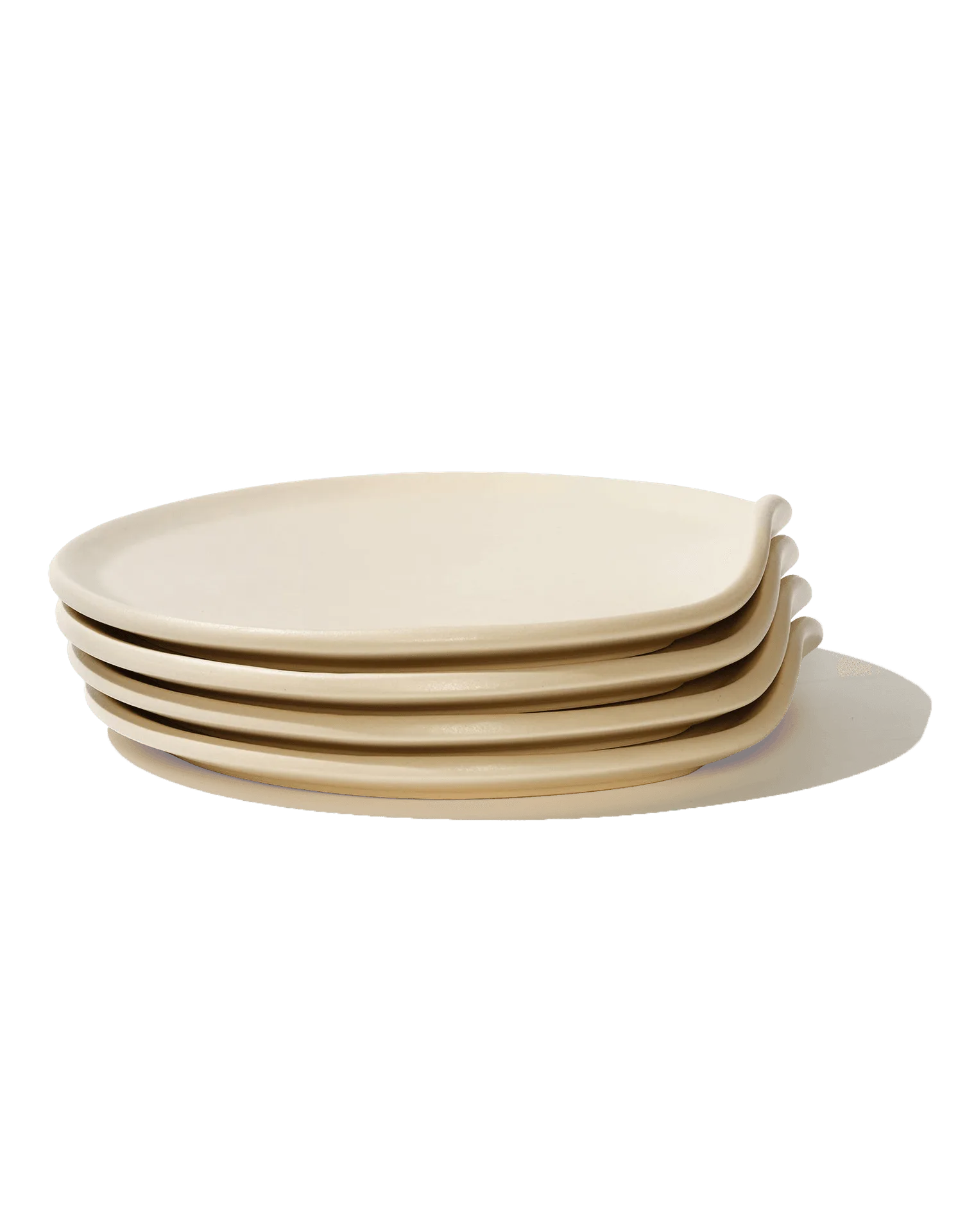
When choosing bread plate styles, consider the overall theme of your tabletop. If your dinnerware leans minimalist or modern, a clean square plate works well. For a more traditional or country-style table, look for plates with subtle rim detailing. The Goun Set, for instance, includes beautifully glazed ceramic bread plates that complement its dinner plates, making it easy to build a cohesive set. Whether you prefer matching or mixing, the key is to pick a style that feels intentional rather than random.
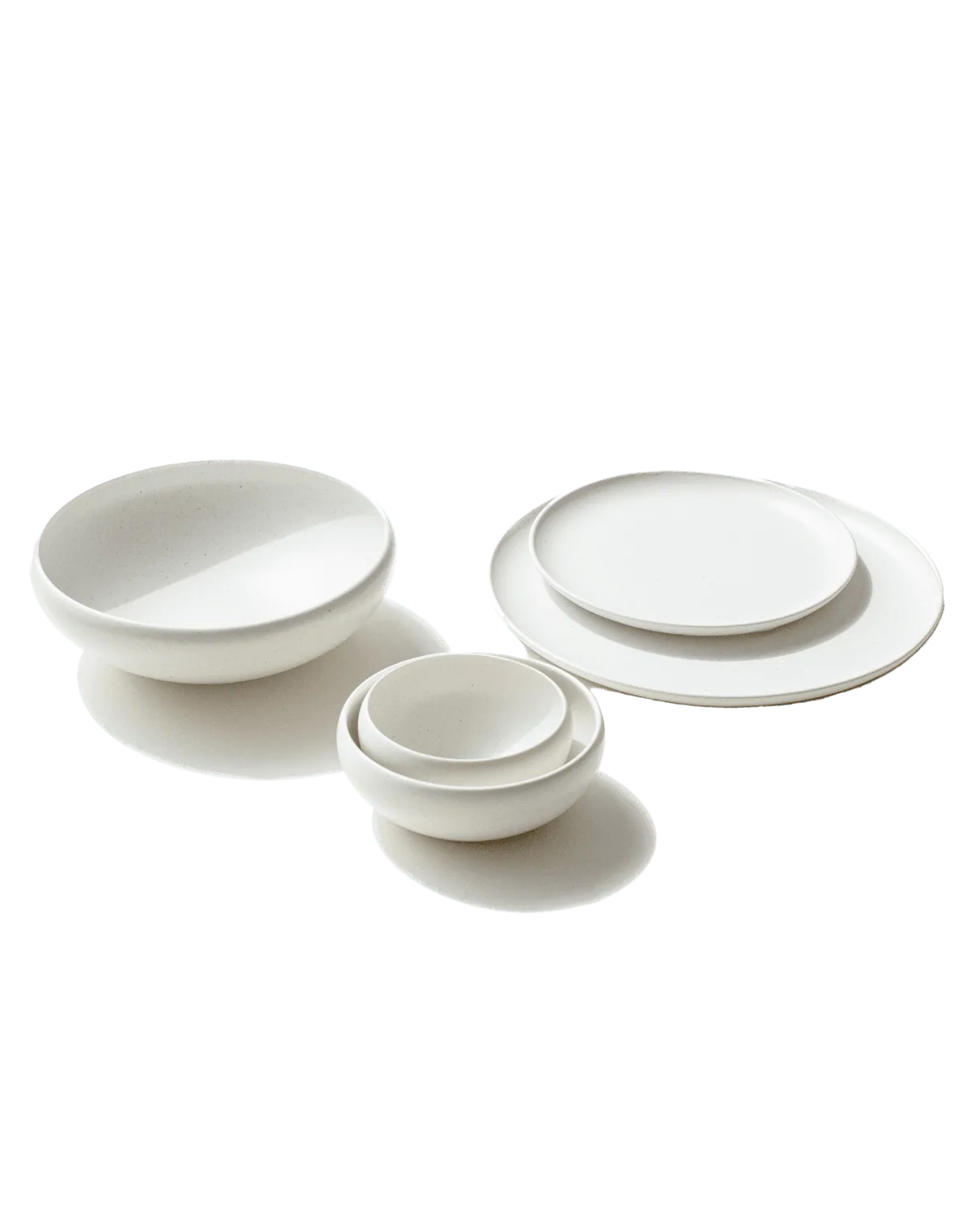
The Goun Set
- Mixing shapes (e.g., round bread plates with square dinner plates) can create visual interest if done consistently.
Material and Durability: Choosing the Right Bread Plate for Everyday Use
Bread plates come in a range of materials, each affecting weight, durability, and care. Porcelain and stoneware are popular for everyday use because they resist chipping and handle frequent washing. Earthenware offers a warmer, handcrafted feel but is more prone to scratching. Melamine is a lightweight, unbreakable option for outdoor dining or family meals with kids.
If you're pairing bread plates with an existing dinner set, matching the material ensures consistent durability and dishwasher safety. Ceramic sets like The Goun Set are oven-safe and dishwasher-friendly, making them practical for daily use. Avoid extremely lightweight plates if you want a substantial feel, and check that the glaze is smooth and free of pinholes to prevent staining from butter or oil.
- For formal occasions, consider porcelain or fine stoneware. For casual meals, melamine or earthenware work well.
- Always verify manufacturer care instructions, especially for hand-painted or metallic finishes.
How to Coordinate Bread Plates with Your Dinner Set and Linens
A bread plate should complement your dinnerware without clashing. One simple approach is to choose an exact match from the same collection—this guarantees a seamless look. Another option is to select a complementary color or pattern that ties your table together. For example, if your dinnerware is white, a soft gray or light blue bread plate adds a subtle accent.
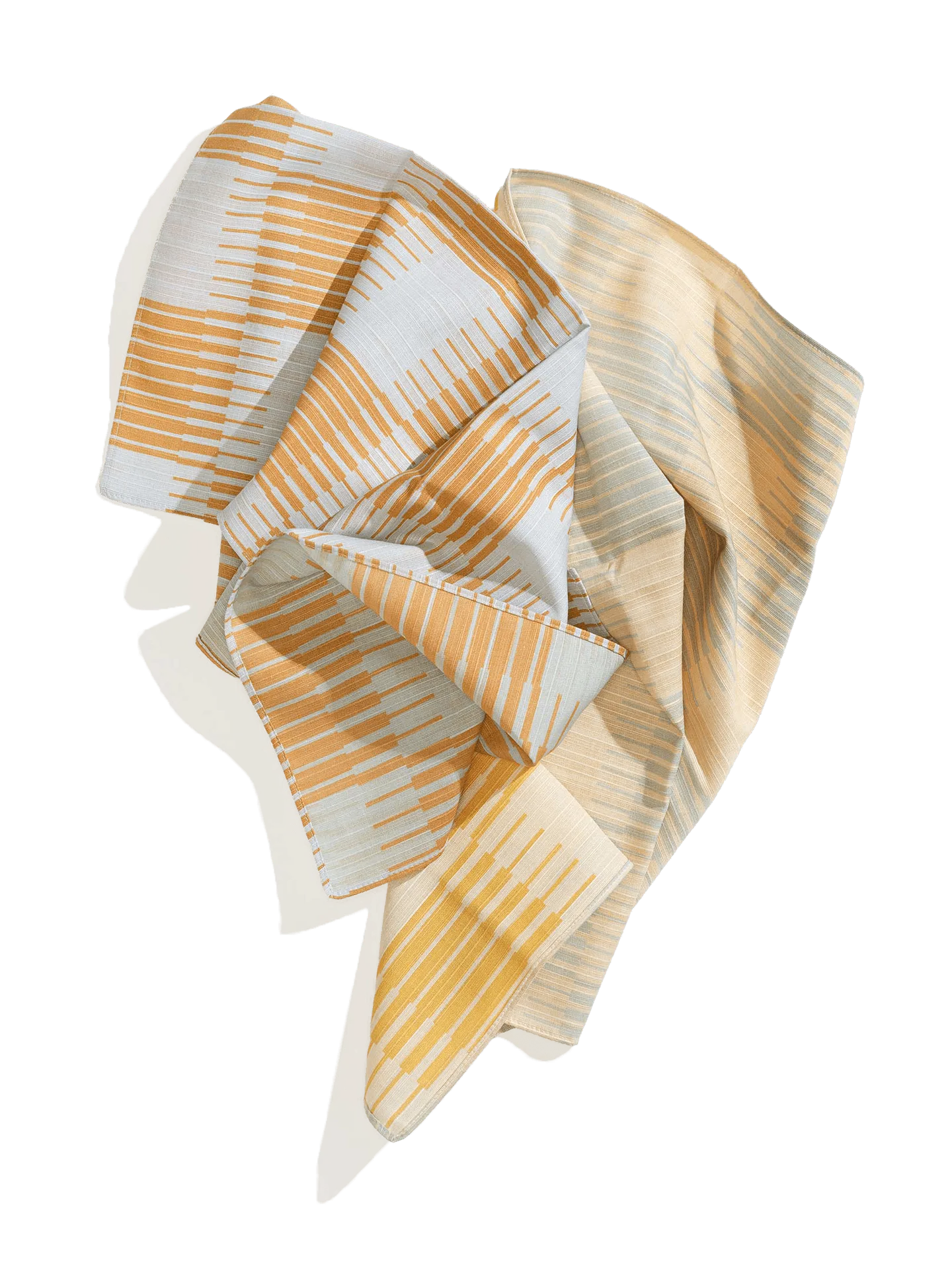
You can also coordinate with table linens for a cohesive tablescape. The Dinner Napkins Double Sided Checker in Quiet Season patterns pair beautifully with solid or subtly patterned bread plates, bringing a touch of texture and color to the setting. Don't forget that bread plates often sit above the forks on the left side of the place setting, so their visibility makes them a great opportunity to introduce a new hue or pattern without overwhelming the table.
- Place the bread plate to the left of the dinner plate, above the forks, to follow traditional table-setting etiquette.
Practical Tips for Serving Bread at the Table
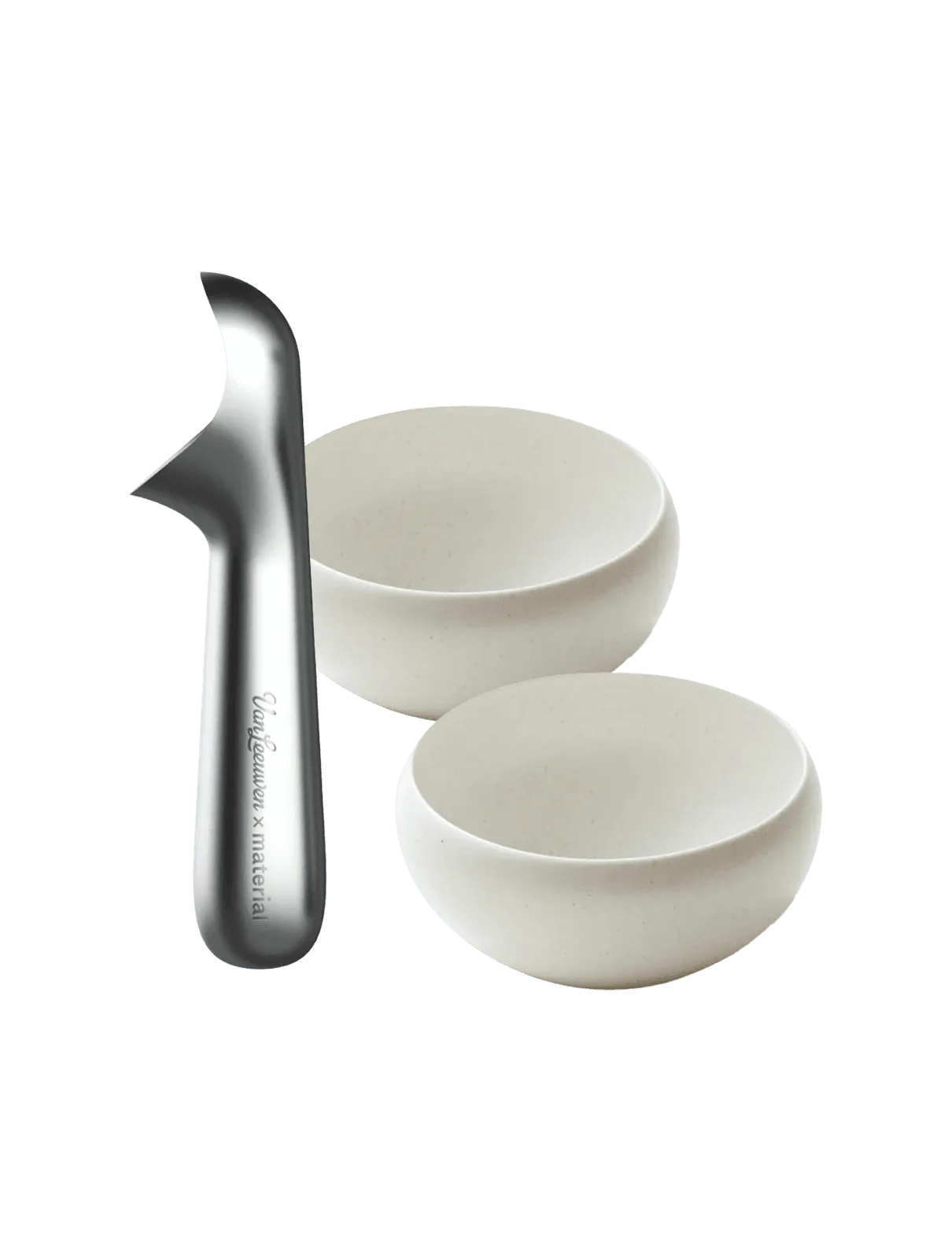
Beyond choosing the plate itself, consider how you'll present and serve bread. A dedicated cutting board, like The Angled Board, offers a stable, slightly tilted surface for slicing rustic loaves and can double as a serving board. Place it in the center of the table alongside a bread plate at each setting, so guests can help themselves.
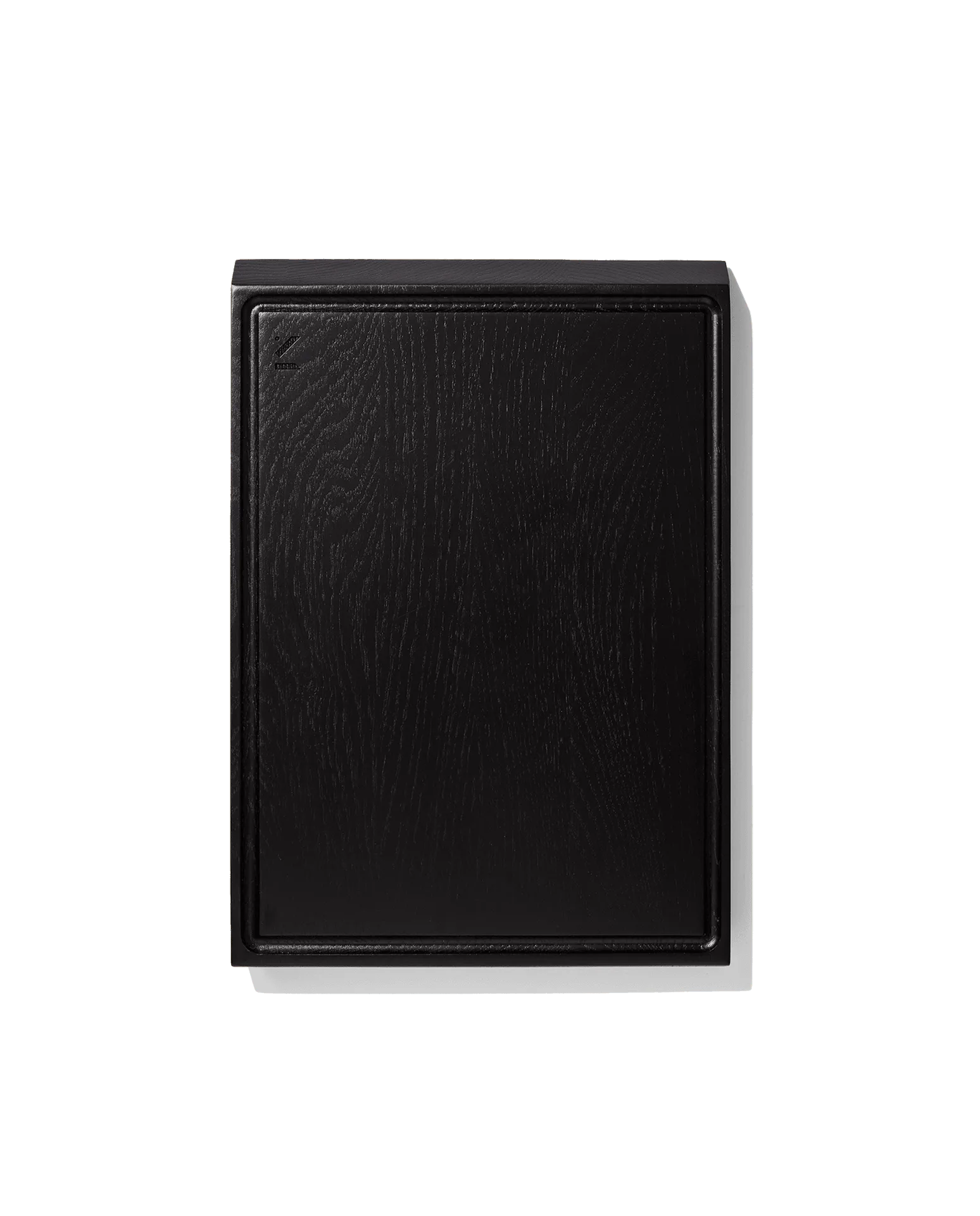
The Angled Board
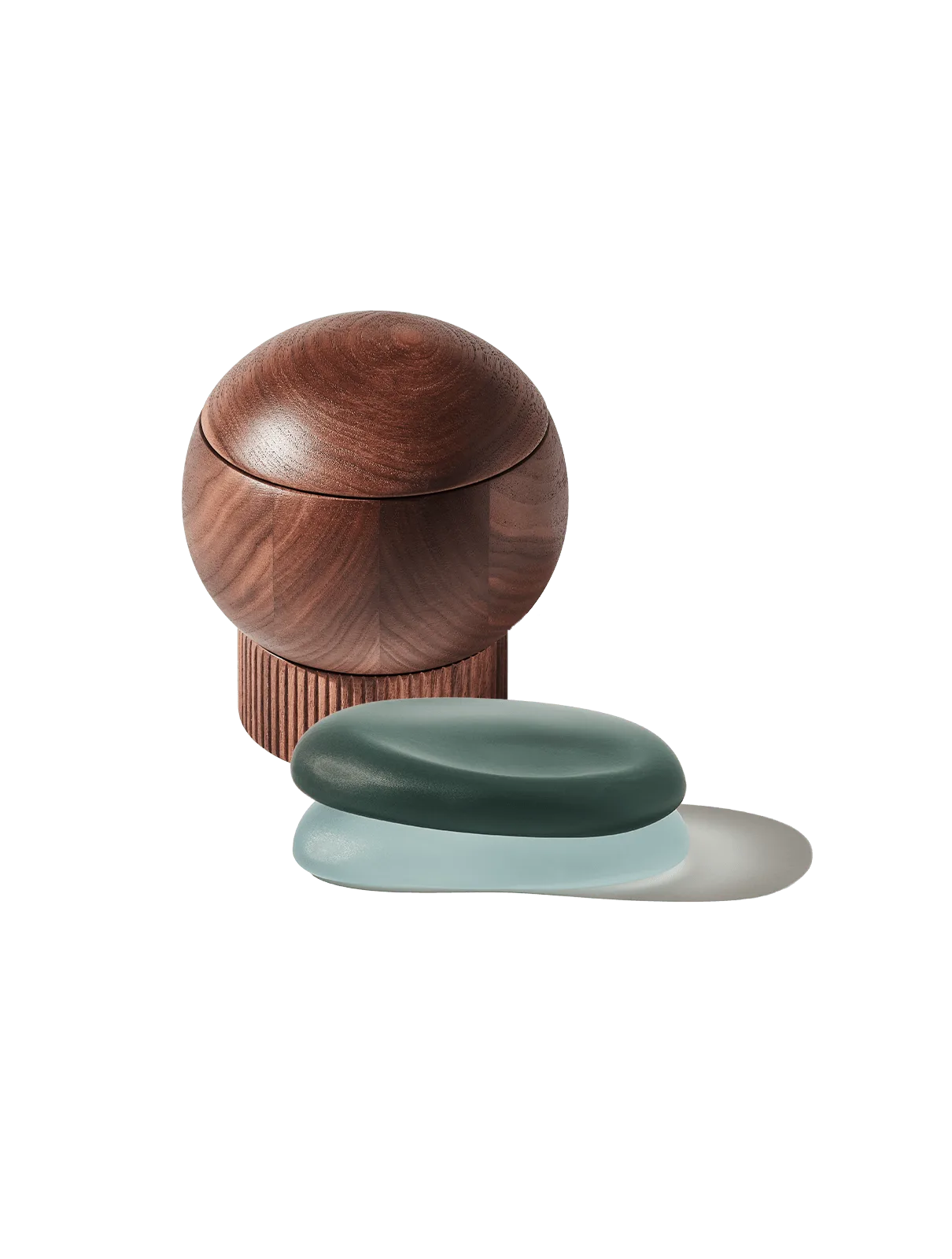
Keep butter, olive oil, or salt within easy reach using small dishes or a salt cellar. The Salt Sphere is a stylish way to add finishing salt to bread plates. And if you often serve warm bread, a felt trivet such as the Artisan Felt Pom Pom Trivet can protect your table while adding a decorative touch. These small additions turn a simple meal into a thoughtful dining experience.
- Slice bread just before serving to keep it fresh, and offer a variety of spreads to let guests customize.
Choosing the right bread plate comes down to size, style, and how it fits with the rest of your tabletop. Whether you opt for classic rounds from a matching set like The Goun Set or mix shapes and patterns for a personal touch, paying attention to these details elevates everyday meals. Pair your plates with complementary linens and serving tools such as The Angled Board, and you'll set a table that's both functional and inviting.