Quick answer
Break in new leather hiking boots by wearing them for short indoor sessions, then gradually increasing time and distance over 1–2 weeks before any long hike. Always wear moisture-wicking socks, lace snugly but not tight, and stop at the first sign of a hot spot. Full-grain leather boots like Zamberlan's Vioz GTX require patience, but the payoff is a supportive, blister-free fit.
Why leather boots need a gradual break-in
Full-grain leather is durable and supportive, but it starts stiff. As you wear the boots, the leather gradually molds to your foot's shape, creases form at flex points, and the midsole softens. Rushing this process causes friction, which leads to blisters. The goal is to apply gentle, repeated pressure over several days so the boot adapts without damaging your feet or the leather.
Choose the right socks and lacing for break-in
Sock choice matters more than most people think. Moisture-wicking merino wool or synthetic socks keep feet dry, reducing friction. Avoid cotton, which holds sweat and softens skin. For lacing, use a heel-lock pattern: lace to the top, then loop the laces back down through the top eyelets before tying. This holds your heel in place and prevents toe jam on descents.
Use a break-in schedule that builds gradually
Start with 20–30 minutes indoors or on flat pavement. Next, wear them for 1–2 hours around the house or on errands. Then progress to 2–3 mile walks on gentle trails. Increase distance by about 10–15% each time. If you feel a hot spot, stop and adjust. After each wear, let boots dry naturally away from direct heat.
Condition the leather to speed up softening
A light application of leather conditioner before the first wear can make stiff leather more pliable. Use a product recommended for your boot's finish—Zamberlan's Hydrobloc treatment is designed for their full-grain leather. Apply a thin layer, let it absorb, then buff. Don't over-condition; too much can soften support.
When to expect full break-in and how to test it
Most leather hiking boots need 20–40 miles of wear to feel fully broken in. You'll know they're ready when the leather flexes smoothly at the ball of your foot, your heel stays locked without pressure, and you can wear them for hours without hot spots. Test with a short overnight hike before committing to a multi-day trip.
Break-in steps: from box to trail
- Step 1: Inspect and condition new boots: Check for any defects, then apply a thin layer of leather conditioner if the leather feels dry or stiff. This starts the softening process. Mistake to avoid: over-conditioning, which can weaken leather structure.
- Step 2: Wear them indoors for 20–30 minutes: Put on your hiking socks and lace the boots with a heel-lock. Walk around the house to begin flexing the leather. Checkpoint: no hot spots? If any, adjust lacing or socks before continuing.
- Step 3: Graduate to short outdoor walks: Wear boots for 1–2 hours on flat, paved surfaces. Increase to 2–3 mile walks on gentle trails over the next few days. Mistake to avoid: jumping straight into a long hike; this causes blisters and slows the break-in.
- Step 4: Add weight and terrain gradually: Start carrying a light backpack and walking on uneven trails. This stresses the boot in different ways, molding it to your foot. Checkpoint: heel should stay locked; if it slips, re-lace or consider a different size.
- Step 5: Test with a short overnight hike: Before a major trip, do a 5–8 mile hike with your full pack. This simulates real conditions and reveals any remaining issues. If you feel pressure points, stop and address them—don't push through pain.
Zamberlan boots built for gradual break-in
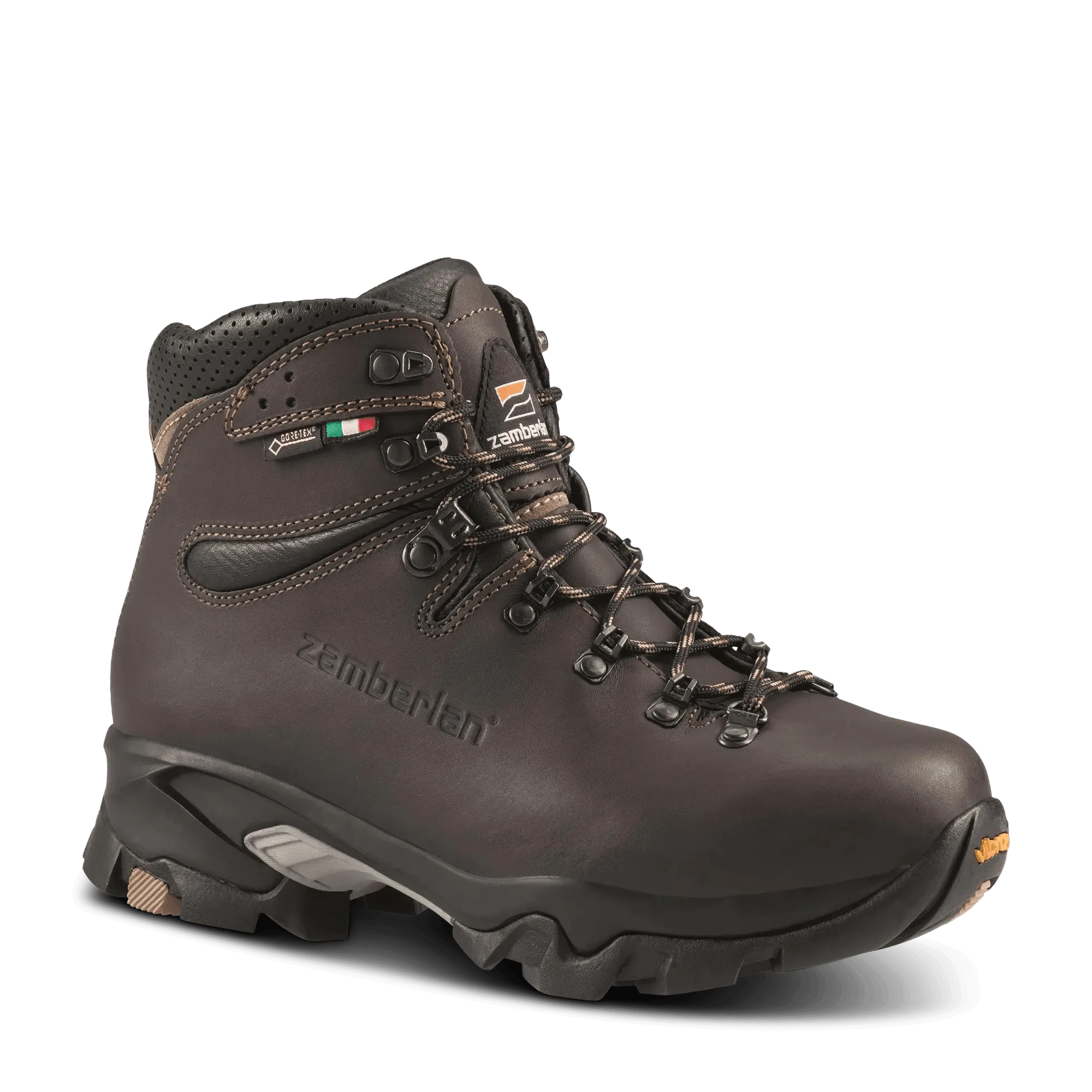
- VIOZ GTX WNS - Dark Brown: Zamberlan Vioz GTX WNS (Dark Brown) features Hydrobloc full-grain leather uppers and a Gore-Tex Performance Comfort lining. Hydrobloc leather resists water and conditions well, while the Gore-Tex lining adds waterproof breathability—so you can break them in on damp trails without soaking your feet.
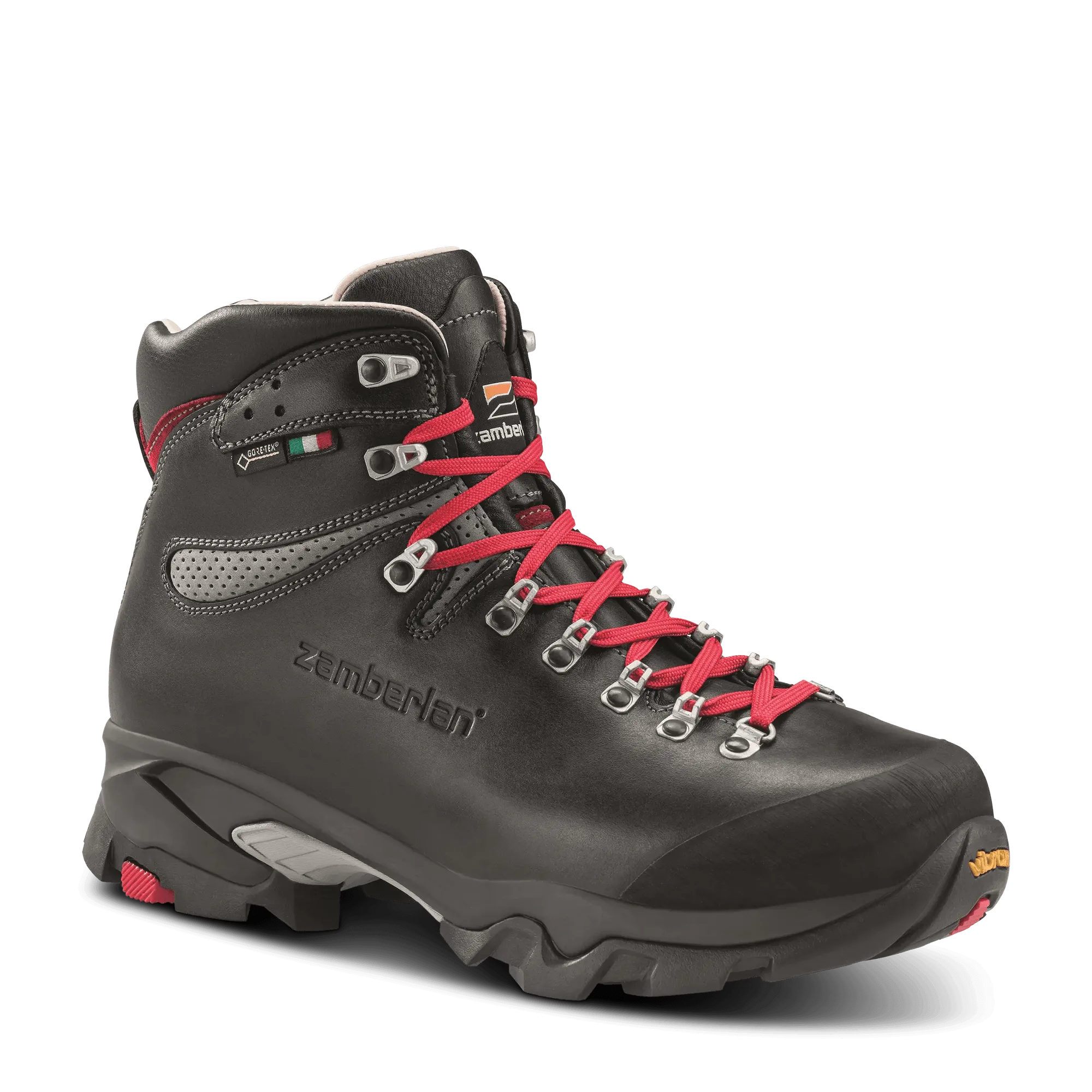
- VIOZ LUX GTX - Waxed Black: Zamberlan Vioz Lux GTX (Waxed Black) uses thick waxed Tuscan leather and offers width options. Waxed leather is naturally water-repellent and softens with wear; width options help you get a precise fit, reducing pressure points during break-in.