Quick answer
Start with a spare set of the parts that touch milk, then add replacements for the pieces that wear out first. For most pumpers, that means one extra tubing and connector set for a Thrive pump, a spare diaphragm for a wearable, and a simple kit that covers the basics. Buy based on your pump model and how often you pump, not on the longest accessory list.
The three accessory groups that matter
Pumping accessories fall into three practical groups: parts that contact milk and need frequent cleaning, parts that wear out and affect suction, and convenience items that make pumping away from home easier. You do not need every item in every group. You need at least one clean set in rotation, a backup for the parts most likely to fail, and a way to carry or store them safely.
- Milk-contact parts: flanges, valves, diaphragms, and collection containers. These need washing after every use, so a second set reduces middle-of-the-night washing.
- Wear parts: diaphragms, valves, and tubing. These degrade with use and can quietly reduce suction before they look damaged.
- Convenience items: extra pumping sets, carrying bags, and kits that bundle the small pieces you would otherwise buy one at a time.
Match accessories to your pump type first
Accessories are not universal. A tubing and connector set for a Thrive 2-in-1 pump will not fit a wearable pump, and a wearable diaphragm is specific to that pump's design. Before buying anything, confirm the pump model name and check whether the accessory is listed as compatible. If a listing does not state compatibility, treat that as a reason to ask the seller rather than guess.
- For a Thrive 2-in-1 pump, look for Thrive-specific tubing, connectors, and expression sets.
- For a DiscreetDuo wearable pump, look for DiscreetDuo-specific diaphragms and cups.
- For any pump, replacement parts should be described as genuine or designed for that model.
When to replace rather than clean
Cleaning handles hygiene. Replacement handles performance. If suction feels weaker, pumping takes longer, or you notice milk backing up into tubing, replace the suspect part instead of washing it more aggressively. Tubing that stays damp inside is hard to dry fully and can affect airflow. Diaphragms that look stretched or cloudy may no longer seal well. Keep one spare of each wear part so you can swap immediately and troubleshoot without a gap in your schedule.
How many spare sets do you actually need
One extra set is enough for most people who pump at home and work. If you pump exclusively or return to a workplace without a kitchen, two sets can be worth it because you can wash one while using the other. If you pump only occasionally, one spare set of the most fragile parts is usually sufficient. The goal is to avoid being stuck with wet or worn parts during a pumping session.
Budget trade-offs: kits versus single parts
Single replacement parts cost less up front and let you replace only what failed. Kits cost more but cover several needs at once, which is useful for a first-time setup or a baby shower gift. If you already know your pump model and have a working routine, buy singles. If you are starting from scratch or want a ready-made gift, a kit reduces the chance of missing a small but necessary piece.
Decision rules for buying pump accessories
- If you pump more than once a day: Buy a second set of milk-contact parts so one can dry while you use the other. Two sets is the practical minimum for frequent pumpers.
- If suction feels weaker than usual: Replace the diaphragm or valve before buying a new pump. Wear parts are the usual cause. Swap the cheapest suspect part first.
- If you pump away from home: Carry a spare tubing and connector set and a clean diaphragm in your pump bag. A small backup prevents a missed session.
- If you are buying a gift: Choose a bundled kit rather than guessing individual part sizes. Kits reduce the risk of an unusable gift.
Products that fit common pumping needs
- Thrive 2-in-1 Breast Pump Tubing and Connectors: Thrive 2-in-1 Breast Pump Tubing and Connectors is a spare set of parts for when you pump away from home or need to replace parts that wear over time. A second tubing and connector set means you can keep pumping if one set is wet, lost, or no longer sealing well.
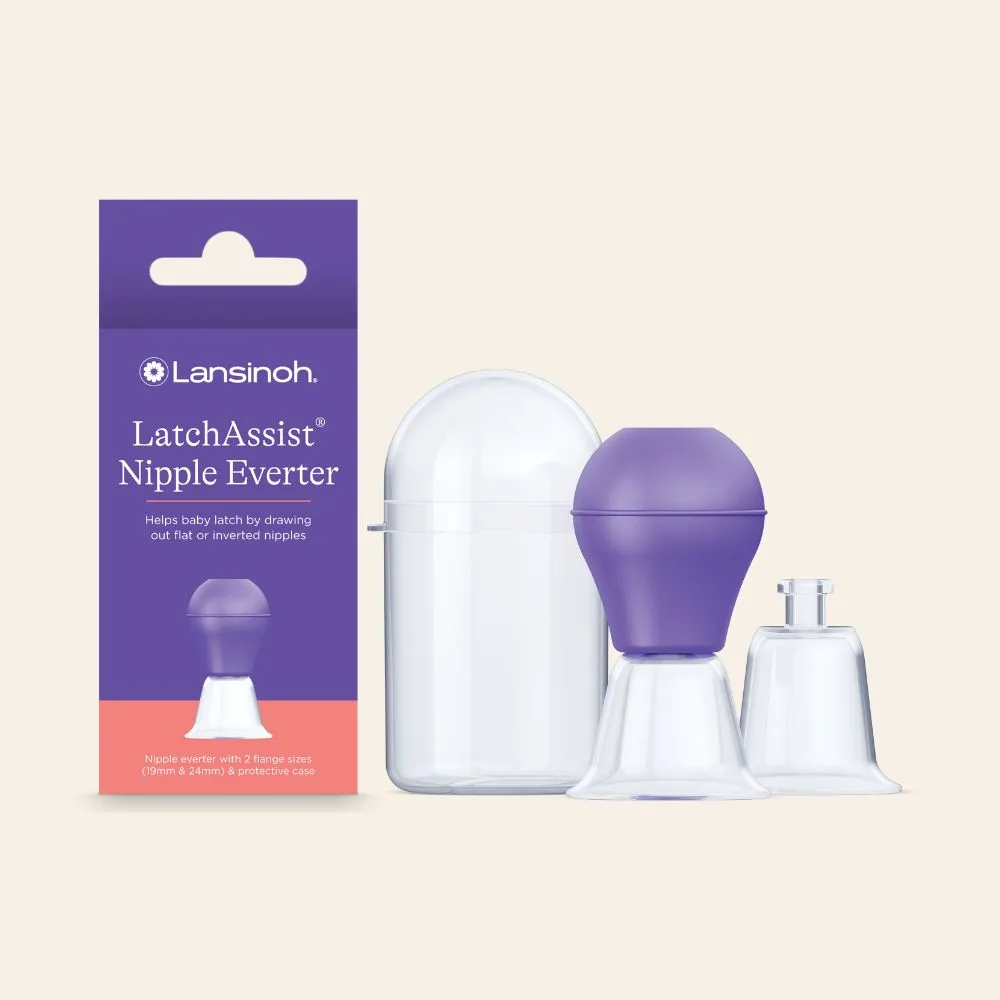
- Breastfeeding Essentials: Breastfeeding Essentials is one simple kit with products loved by moms and recommended by doctors, described as a baby shower gift that includes everything a mom needs to start breastfeeding with confidence. A bundled kit is a practical starting point if you would rather not research each small item separately.
- DiscreetDuo Wearable Pump - Diaphragm (1 count only): DiscreetDuo Wearable Pump Diaphragm is a genuine single-count replacement designed for hygiene and consistent performance, and it helps maintain pump suction and performance. Keeping one spare diaphragm on hand lets you replace a worn seal quickly instead of waiting on a reorder.
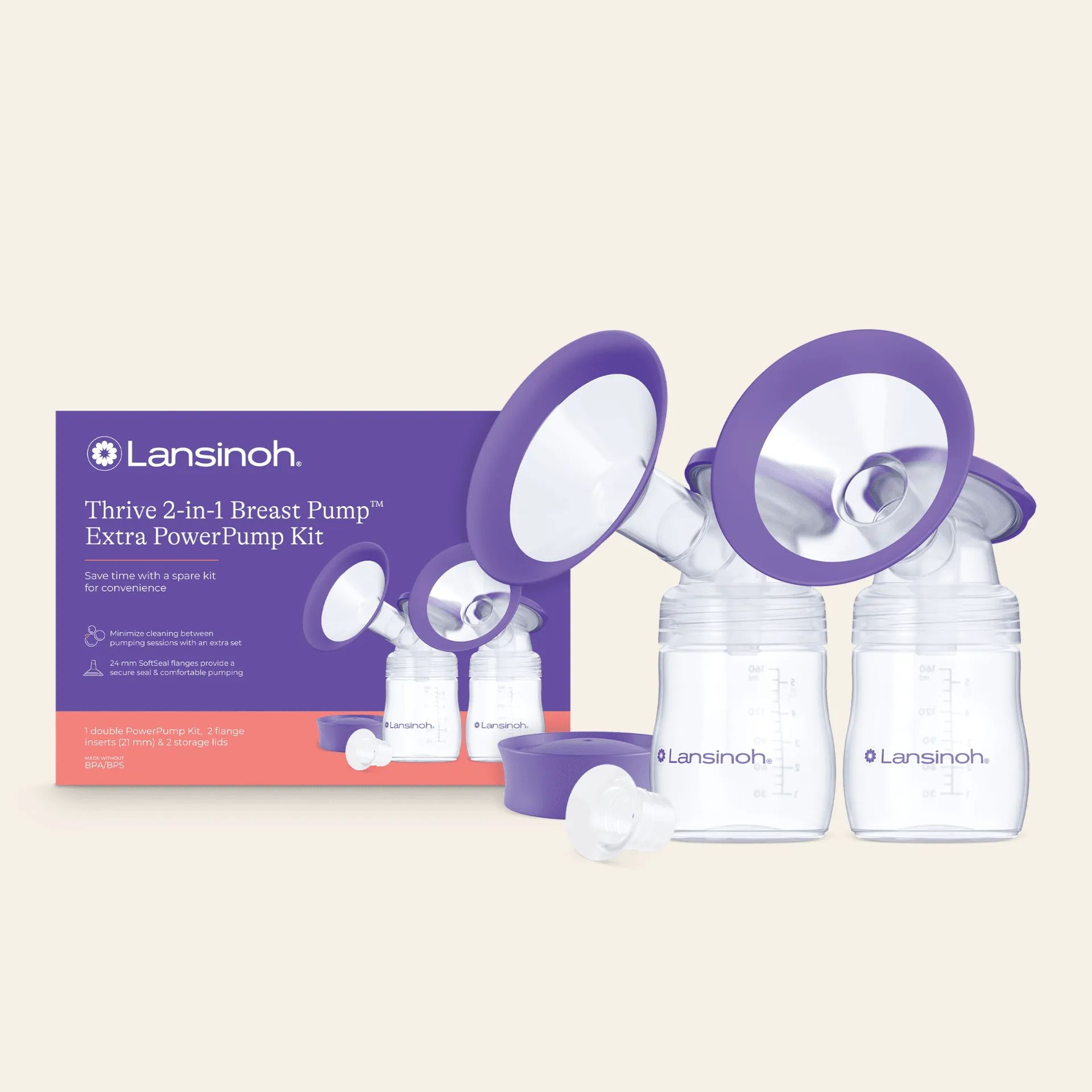
- Thrive 2-in-1 Hybrid Base Extra Pumping Set (expression set): Thrive 2-in-1 Hybrid Base Extra Pumping Set (expression set) includes essential parts for the Thrive 2-in-1 Hybrid Base pump system and is designed as an extra set for convenient rotation or backup. An extra expression set supports a wash-and-rotate routine so you are not hand-washing the same parts multiple times a day.
Is this accessory plan right for you?
Best for
- Parents who pump daily and want fewer washing emergencies
- Anyone replacing worn tubing, diaphragms, or connectors on a Thrive or DiscreetDuo pump
- Shoppers looking for a practical baby shower gift
Not for
- Parents who need a new pump rather than replacement parts
- Anyone unsure of their pump model and unwilling to check compatibility first