Quick answer
Replace breast pump valves and membranes every 2–3 months or sooner if you notice weak suction, backflow, or reduced milk output. Worn parts are the most common cause of pump inefficiency and are inexpensive to swap out.
Why valves and membranes wear out
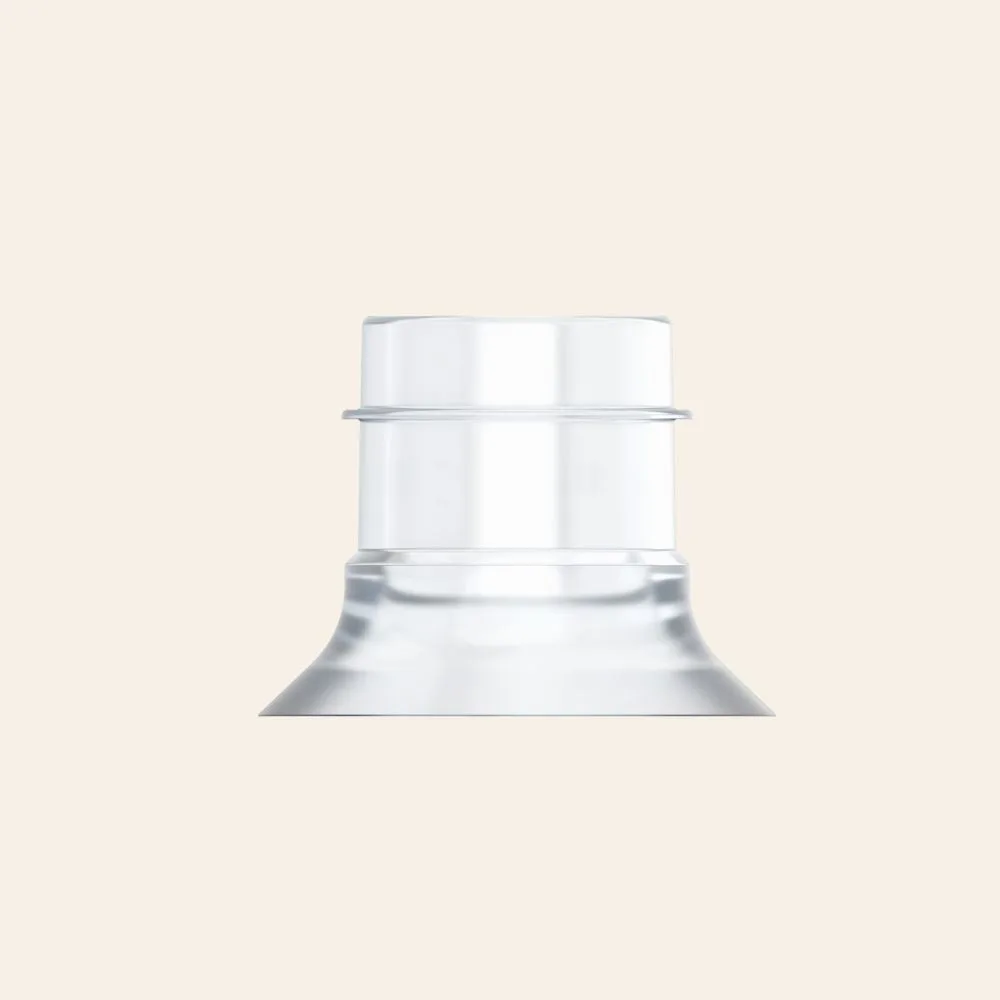
Valves and membranes are the small silicone pieces that create the one-way airflow needed for suction. Over time, daily use, heat from washing, and normal flexing cause them to lose their seal. Once they stretch or develop micro-tears, air leaks in and suction drops. This is not a sign of a failing pump motor — it is simply a maintenance item that every pumping parent encounters.
How often should you replace them?
For a full-time pumper (8+ sessions per day), plan to replace valves and membranes every 2 to 3 months. Occasional or part-time pumpers can stretch to 4 months, but always inspect the parts monthly. If you notice any visible warping, cracking, or a loose fit on the pump, replace them immediately regardless of the calendar.
Can you clean them instead of replacing?
Cleaning removes milk residue but does not restore stretched silicone. You should still wash valves and membranes after every use with warm soapy water and air-dry them completely. However, once the material has lost its original shape or elasticity, cleaning alone will not fix the suction. At that point, replacement is the only effective solution.
Diagnosis: Is it time to replace?
- Symptom: Suction feels weaker than when the pump was new, or milk output has noticeably dropped over several sessions. Checkpoint: Compare current output to your usual volume. A sudden or steady drop points to worn parts.
- Likely cause: Valves or membranes have lost their seal due to daily flexing, heat exposure, or normal wear after 2–3 months of use. Verdict: This is almost never a motor issue. Start with the cheapest fix — replace the small silicone parts first.
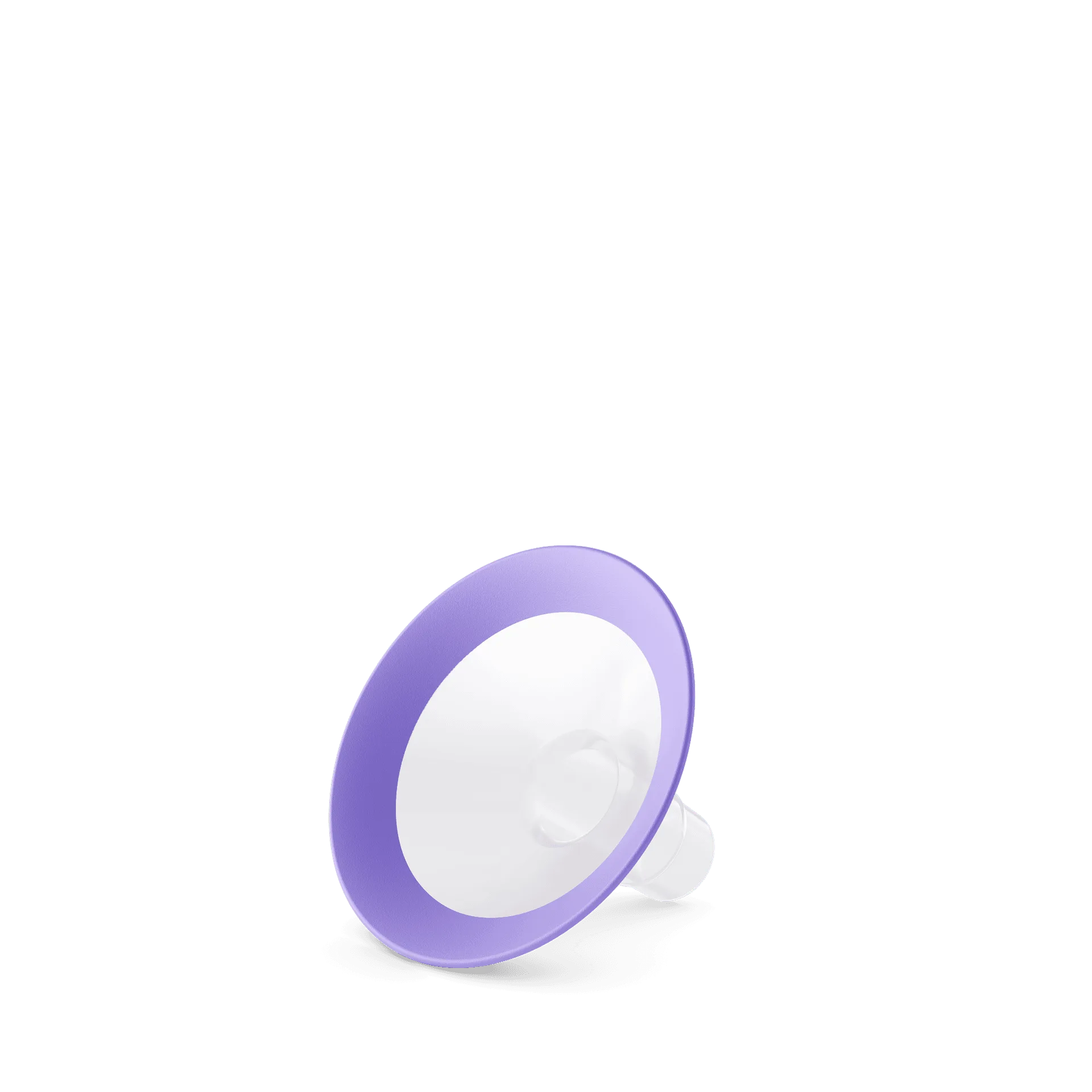
- Corrective action: Remove old valves and membranes, wash the pump flange, install new genuine replacement parts, and test suction with a quick session. Next step: If suction returns to normal, you are done. If not, inspect tubing and connectors for cracks or blockages.
- Stop or choose another option: If new valves and membranes do not restore suction and tubing is clear, the pump motor may be failing. At that point, consider contacting the manufacturer or replacing the pump unit. Final checkpoint: A pump with a worn motor is not worth repairing — compare the cost of a new pump against continued frustration.
Parts that help you maintain performance
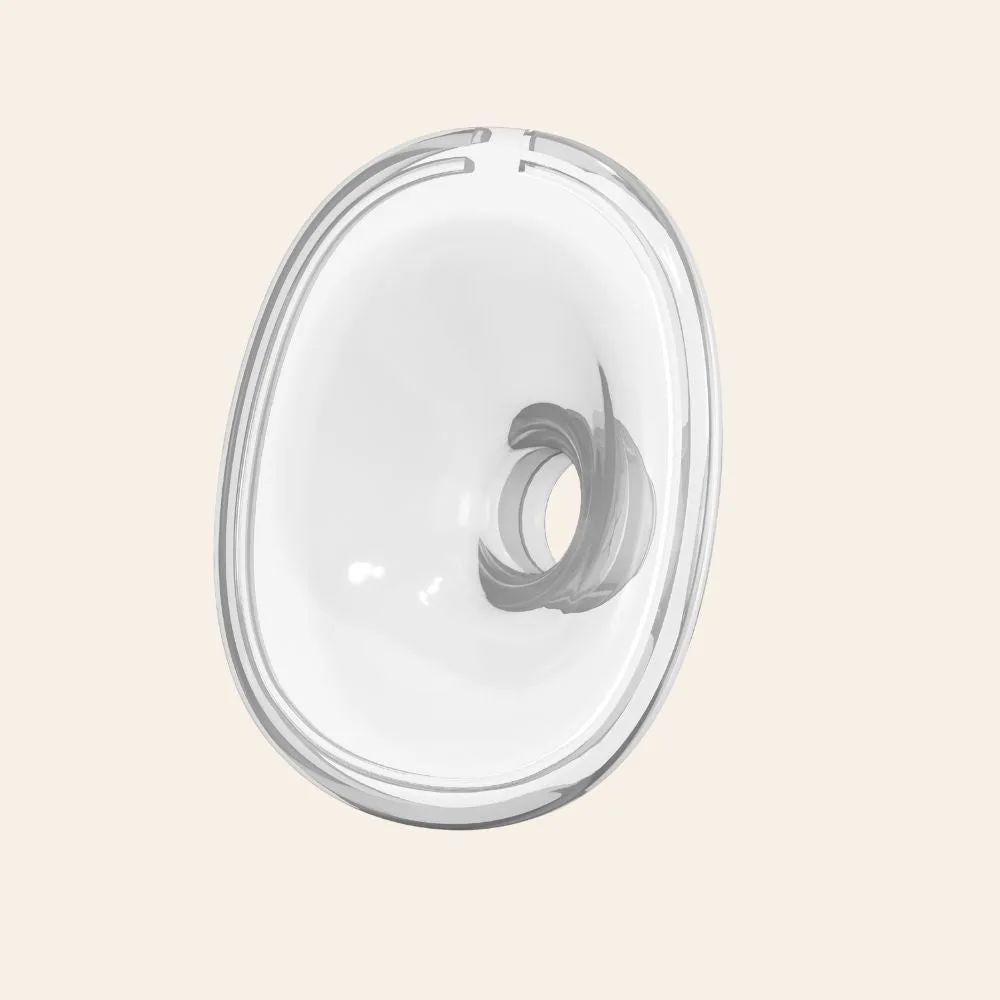
- DiscreetDuo Wearable Pump - Diaphragm (1 count only): Replace the diaphragm in your DiscreetDuo Wearable Pump with this genuine replacement part. Designed for hygiene and consistent performance, this single-count diaphragm helps maintain your pump's efficiency. A fresh diaphragm restores the seal that keeps suction strong. If your wearable pump feels weaker than usual, this is the first part to check and swap.