Quick answer
Pack in layers: a power layer (a USB magnetic cable that fits your wearable pump), a fit layer (the flange insert size you actually measured), and a backup layer (spare pads or storage caps). If you only add one item to your bag this week, make it the correct flange insert size, because fit affects comfort and milk removal more than any other accessory. Everything else is convenience.
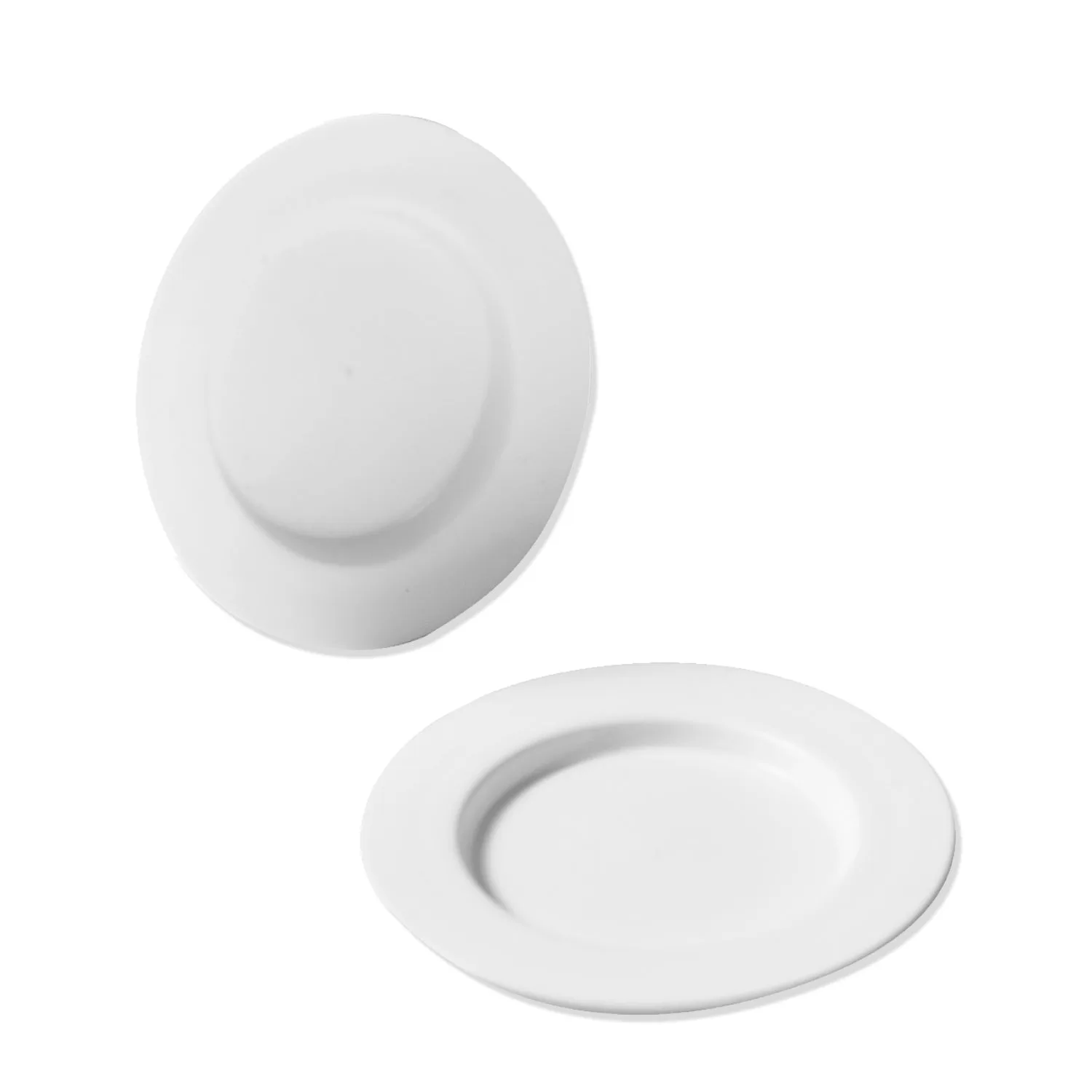
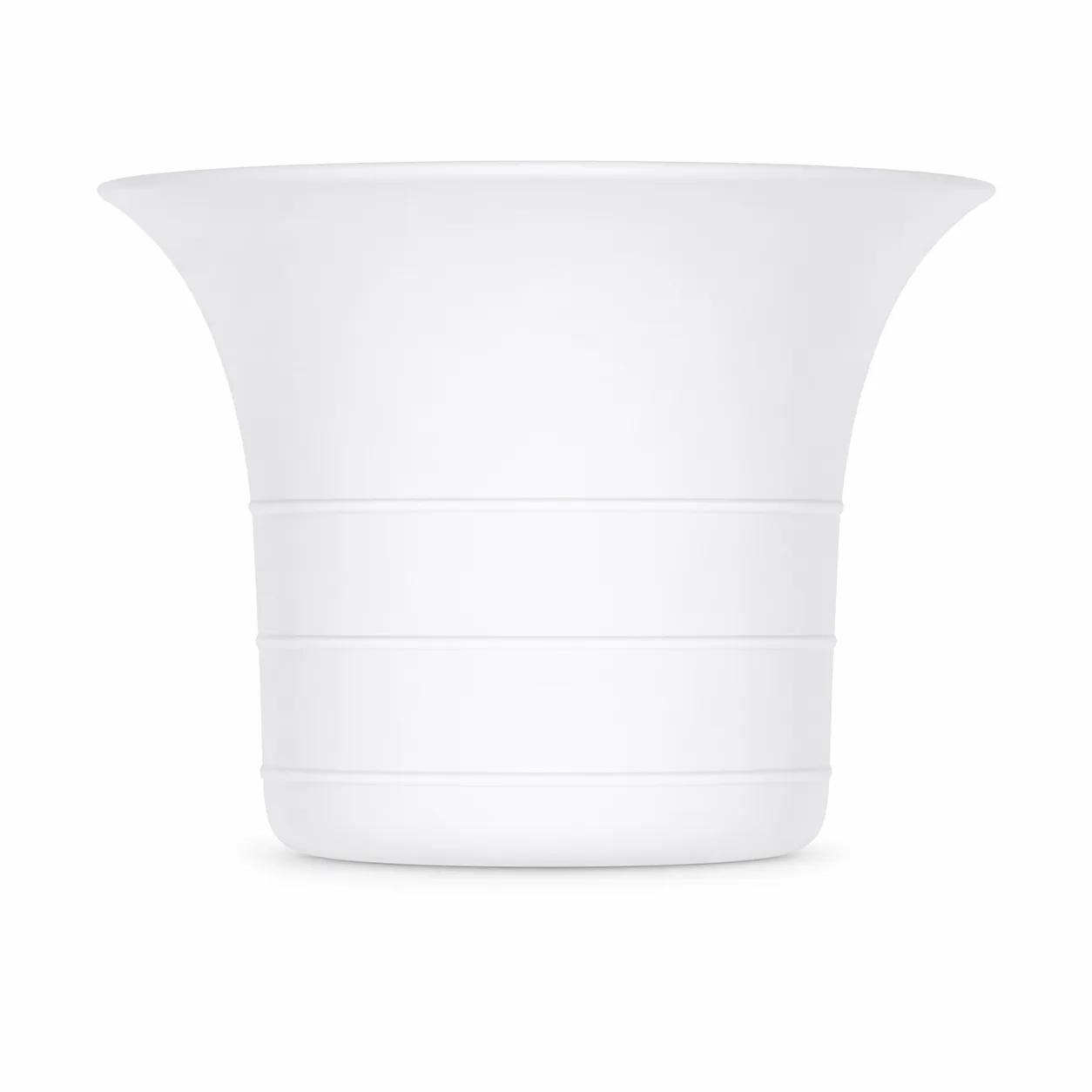
storage caps
Build the bag in three layers
A breast pump bag checklist works best when you stop treating it as one long list. Split it into three layers and you can pack in under two minutes, even one-handed.
Power layer: the charging cable and a way to plug it in. Fit layer: the flange insert size that matches your measurement, plus one size up or down if you are still narrowing it down. Backup layer: the consumables you would hate to run out of mid-day, such as pads or storage caps. If a bag item does not belong to one of those three layers, it probably belongs in your regular purse, not your pump bag.
- Power layer: cable, wall adapter or power bank, pump charged the night before
- Fit layer: measured flange inserts, one spare size, a small towel or wipe
- Backup layer: pads, storage caps, a wet bag for used parts
Why the cable is not a generic one
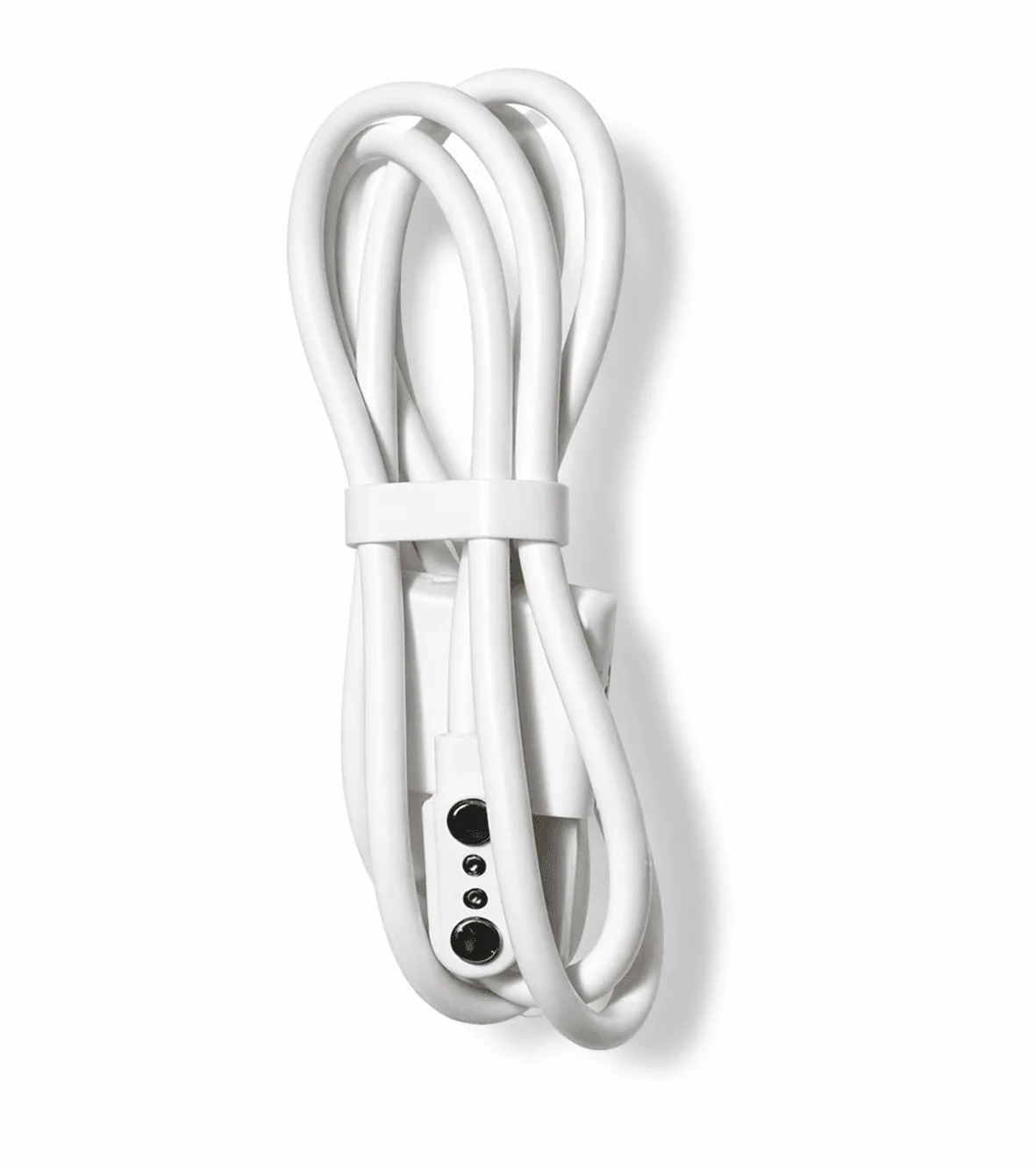
A wearable pump usually charges through a magnetic connector rather than a standard plug. That connector is shaped and rated for a specific pump, so a random cable from a drawer may not attach securely or may not deliver a reliable charge. A loose connection is the kind of problem you discover at minute two of a session, not before.
Keep one cable permanently in the bag and one at home. That way you never unpack your bag to charge at your desk, and you never arrive at a session with a dead pump because the cable stayed on the kitchen counter.
Fit is the accessory that changes your session
Flange inserts change the opening size of a 24mm flange, which is how you tune a pump to your body without buying a whole new flange. The practical effect is better nipple alignment, less friction, and more effective milk removal. Comfort and output usually move together here: when the fit is wrong, sessions get longer and less productive.
Measure before you buy, and re-measure if pumping has become uncomfortable. If you are between sizes, pack the smaller insert in the bag and keep the larger one at home until you know which one you reach for. Sizing guidance is covered in more depth in our flange insert sizing guide, so this checklist only covers what to carry.
What to leave out
A heavy bag gets left at home, and a bag left at home is worse than a lightly packed one. Skip the full backup pump if you already carry a manual option, and skip bulk consumables you can restock from a desk drawer or car console. Pack for one full day plus one extra session, not for a week.
Also skip accessories that duplicate a function you already have. Two cables, two sizes of insert, and one set of backup consumables covers most days. Add a second set of everything only if you routinely pump away from home for more than one day at a time.
Decision rules for packing your pump bag
- If you pump away from home daily: Carry a dedicated cable, your measured flange inserts, and one set of backup consumables. Restock the backup layer weekly rather than daily. This is the minimum viable bag.
- If you are still finding your flange size: Pack your best-guess insert plus one size up or down. Track which one you reach for across three sessions before buying more. Do not stock up on a size you have not tested.
- If your pump battery rarely drops below half: Keep the cable in the bag anyway, but skip the power bank. Add it back for travel days or long outings. Match power backup to your real routine, not a worst case.
- If your bag is already heavy: Cut duplicate cables and bulk consumables first. Keep fit and power items, since those are the ones that stop a session from working. Weight is a reason bags get left behind.
Accessories that earn their place in the bag
- USB magnetic cable (1-pack) for Wearable Breast Pump ONLY: USB magnetic cable (1-pack) for Wearable Breast Pump ONLY, with a magnetic connector for easy, secure attachment and a design intended to reduce wear on the charging port. A dedicated magnetic cable keeps the pump charged without stressing the port, and a spare in the bag means a low battery never ends a session early.
- Flange Inserts – 17mm (2-pack) for Wearable Breast Pump and 24mm Flanges: 17mm flange inserts (2-pack) for the wearable pump and 24mm flanges, designed to help with alignment, comfort, and milk expression. If your measured size is on the smaller end, this is the fit layer of the checklist and the item most likely to change how a session feels.
- Flange Inserts – 21mm (2-pack) for Wearable Breast Pump and 24mm Flanges: 21mm flange inserts (2-pack) for the wearable pump and 24mm flanges, made for a better fit, alignment, and comfort during pumping. The mid-range size covers many pumpers, so it is a sensible spare to keep in the bag while you confirm your size.
Who this checklist fits
Best for
- Pumpers who leave the house with a wearable pump and want one bag that always works
- Anyone who has had a session cut short by a dead battery or a poor flange fit
- Parents building a bag for work, travel, or a return to in-person schedules
Not for
- Pumpers who only ever pump at home next to a dedicated station
- Anyone who has not yet measured their flange size and is still deciding on a pump