Quick Answer
If your pump is losing suction, the cause is almost always a worn valve, a stretched diaphragm, or a loose tubing connection — not the motor. Check those three parts first. Replace any part that is torn, discolored, or no longer sealing snugly. If suction is still weak after replacing valves, diaphragms, and tubing, the pump body itself may need service or replacement.
How to Tell Whether the Problem Is the Pump or the Parts
Start by separating a motor problem from a parts problem. Turn the pump on without any collection kit attached. If the motor sounds normal and you can feel steady suction at the pump's tubing port, the motor is likely fine and the issue is downstream in the kit. If the motor sounds strained, surges, or produces no suction at the port, stop troubleshooting parts and contact the manufacturer — that is a pump-body issue, not a maintenance fix.
Next, inspect the kit under good light. Look for milk residue in the tubing, moisture inside the diaphragm cap, or a valve that no longer lies flat. These are the three most common culprits behind weak breast pump suction, and all three are inexpensive to correct compared with replacing a pump.
Check the Valve First
The valve is a small silicone or duckbill piece that opens and closes with each suction cycle. When it weakens, air leaks back into the system and suction drops noticeably. A healthy valve sits flat, feels springy, and snaps back into shape when you flex it. A failing valve looks wavy, curled, or cloudy, or it stays bent after you press it.
Replace the valve if it shows any of those signs. This is the cheapest and fastest fix in breast pump suction troubleshooting, and it resolves a large share of weak-suction complaints. If your pump uses multiple valves, replace them as a set so they wear evenly.
Inspect the Diaphragm and Tubing Seals
The diaphragm is the barrier between the pump's suction and your milk collection kit. Over time it can stretch, develop pinholes, or lose its seal against the cap. A diaphragm that no longer seats firmly lets air slip past, which reduces suction at the breast even though the motor is running normally. If you need to replace breast pump diaphragm parts, do it as soon as you notice stretching or a loose fit — a stretched diaphragm will not recover on its own.
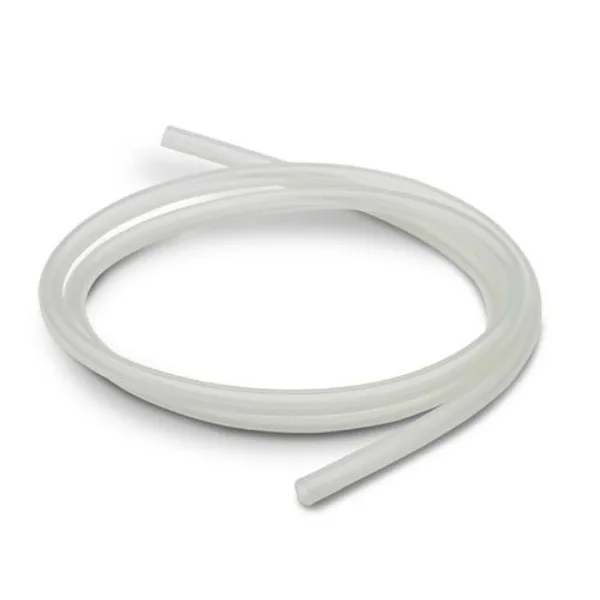
Tubing matters too, but for a different reason. Tubing carries air, not milk, so a crack, a pinhole, or a loose push-fit at either end will bleed off suction. Check both the pump-end and kit-end connections. Push each tube firmly onto its port and listen for a change in motor pitch — a proper seal often makes the motor sound slightly more loaded.
Flange Fit and Assembly Errors That Mimic Suction Loss
Sometimes the pump is working correctly but the flange is not sealing against the breast. A flange that is too large pulls in areola, breaks the seal, and feels like weak suction. A flange that is too small causes pinching and poor milk removal, which moms often describe as the pump 'not pulling.' Neither is a mechanical failure, so no amount of part replacement will fix it.
Assembly order is the other common trap. If the diaphragm cap is not fully seated, the valve is inserted backward, or the kit is connected to the wrong port, suction will be weak from the first pump. Rebuild the kit from scratch following the manufacturer's diagram before you assume a part has failed.
When to Stop Troubleshooting and Replace the Pump
Set a limit on how much you are willing to spend chasing the problem. If you have replaced valves, diaphragms, and tubing and confirmed correct assembly and flange fit, and suction is still weak, the remaining suspect is the pump body. At that point, compare the cost of service or a new pump against the value of your time and milk supply.
If you pump exclusively or depend on your pump to maintain supply, do not wait weeks to resolve weak suction. A persistent drop in suction can reduce milk removal and signal your body to produce less. Treat it as urgent, not optional.
Suction Diagnosis: Symptom, Cause, Action, Stop Point
- Suction drops gradually over weeks: Most likely a worn valve or a slowly stretching diaphragm. Inspect both under bright light. Replace the valve if it is wavy, curled, or cloudy, and replace the diaphragm if it no longer seats firmly. If suction returns to normal, you have found the cause. No pump replacement needed.
- Suction is weak from the first pump of a new kit: This is an assembly or fit problem, not wear. Rebuild the kit following the manufacturer's diagram, confirm the valve orientation, and re-check flange size against your nipple diameter. Correct assembly and flange fit should restore full suction immediately. If not, inspect the tubing adapter for cracks.
- Motor sounds strained or surges; no suction at the port: This points to the pump body, not the kit. Do not keep buying replacement parts. Contact the manufacturer for service or evaluate a replacement pump. Stop troubleshooting parts here. Further part replacement will not fix a motor or pump-body fault.
- Suction is fine but milk output is low: Suction strength and milk removal are different problems. Re-check flange size, pumping rhythm, and whether you are using single or double pumping. A tubing adapter that supports both modes lets you switch without buying a second kit. If output stays low despite good suction, the issue is fit or technique, not the pump.
Parts and Pumps That Address Suction Problems
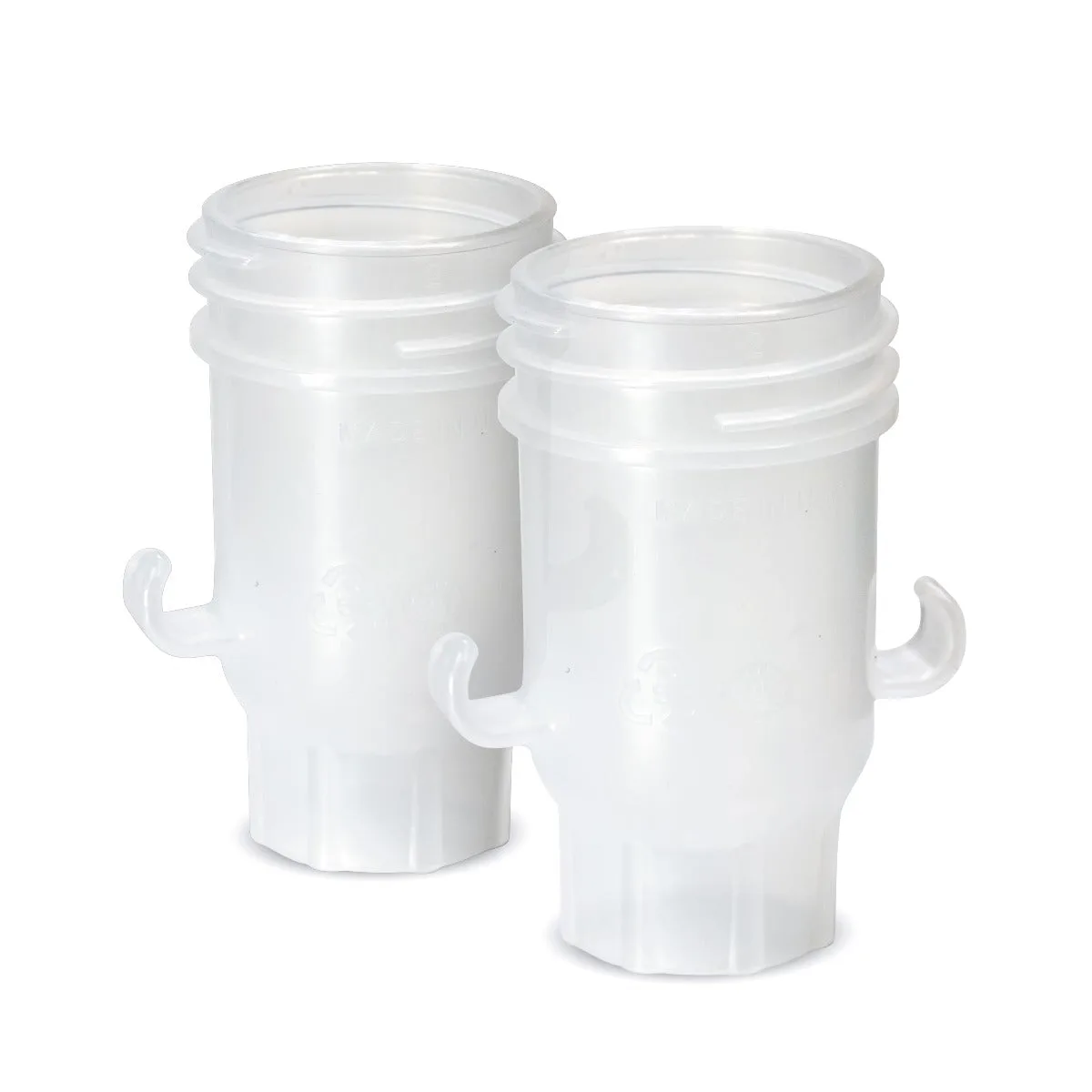
- Ameda HygieniKit® Tubing Adapter: Tubing adapters connect the tubing of the HygieniKit Milk Collection Systems to the electric breast pump body, and they are found in and compatible with all Ameda HygieniKit Milk Collection Systems. If the adapter is cracked, loose, or missing, air escapes before it reaches the kit and suction drops. Replacing this small part is far cheaper than replacing a pump.
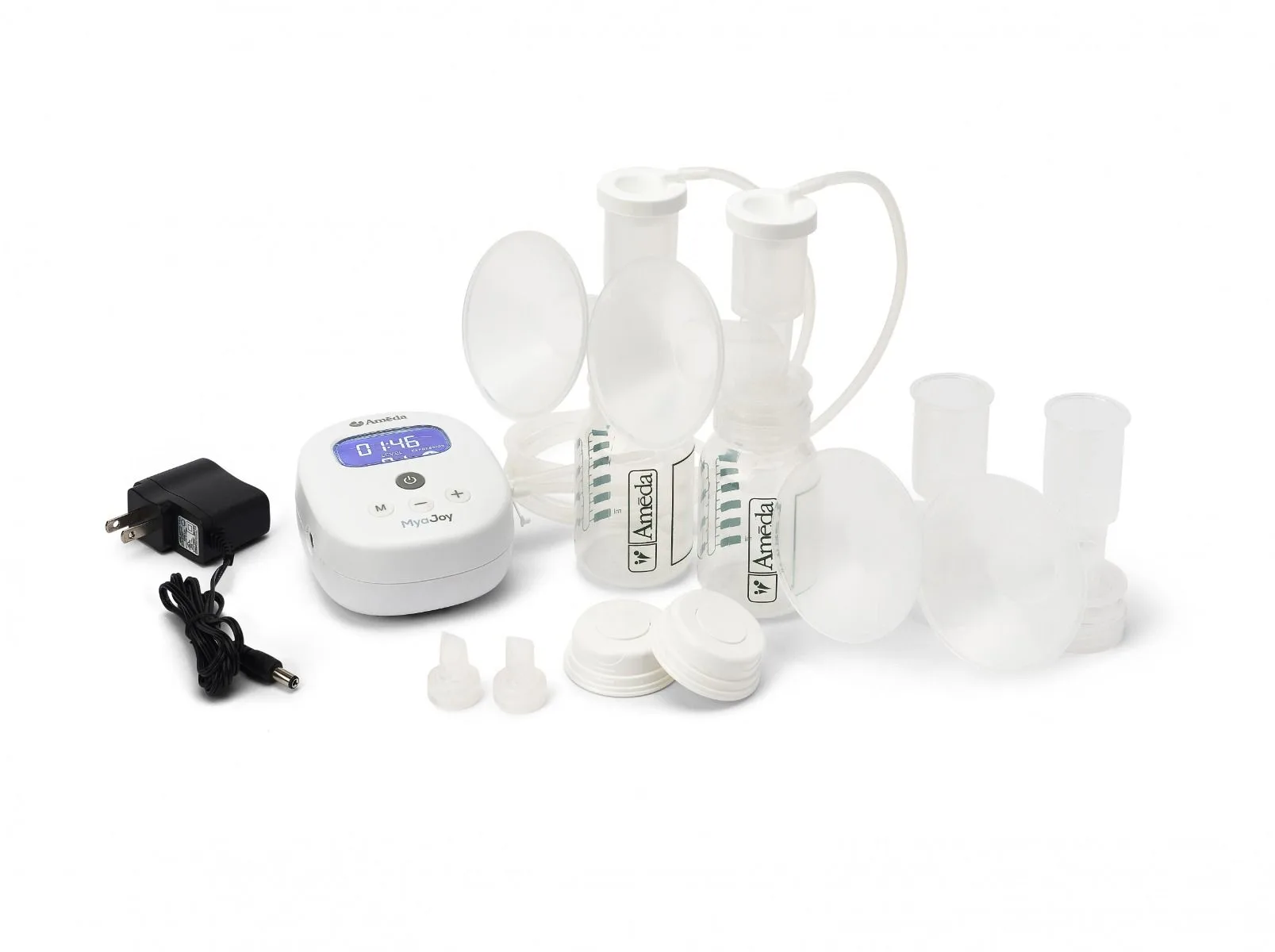
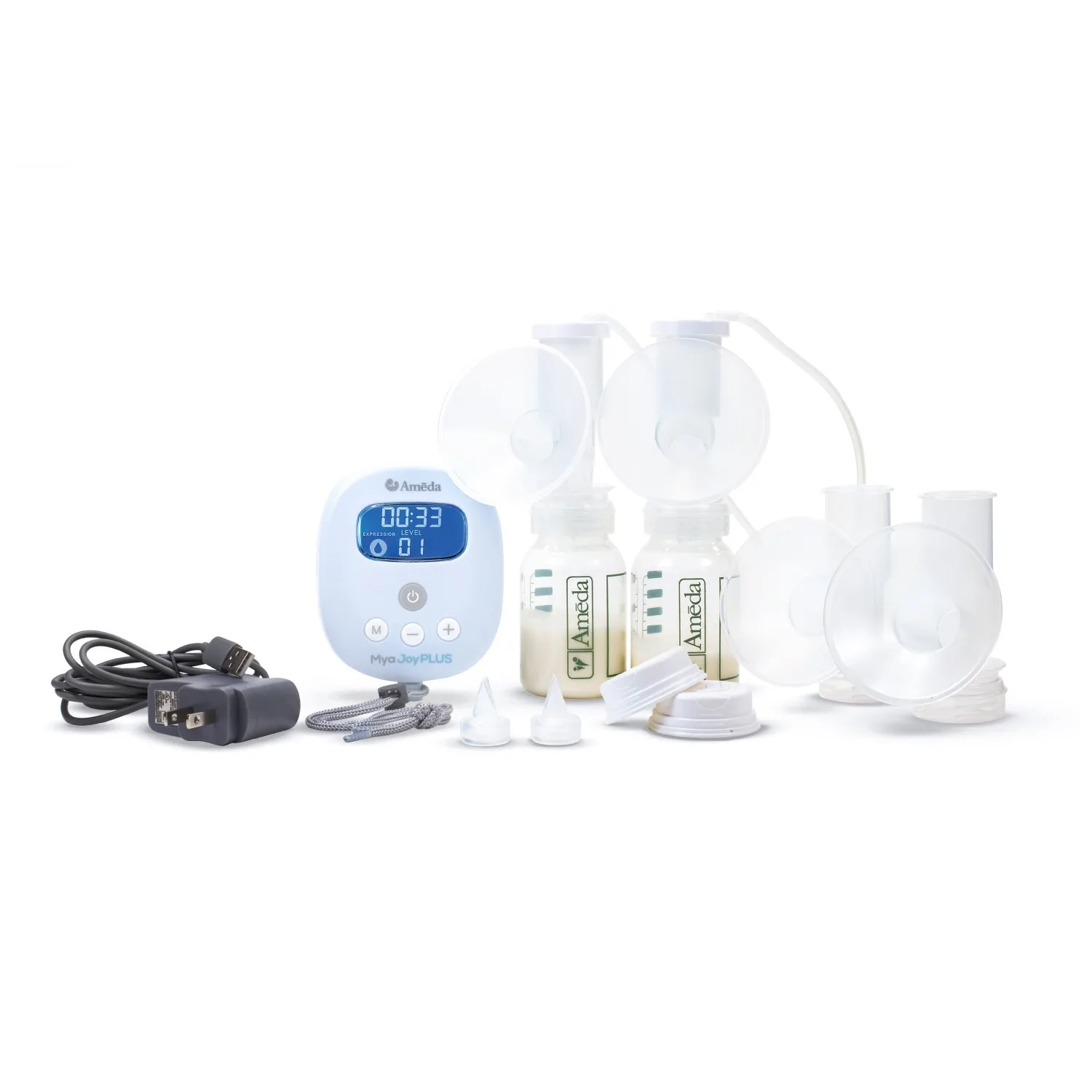
- Ameda Mya Joy PLUS Rechargeable, Quiet, and Portable Double Breast Pump: The Mya Joy PLUS is a rechargeable, portable double breast pump with hospital strength performance and whisper quiet operation in a palm-sized design. If you have replaced valves, diaphragms, and tubing and suction is still weak, a portable double pump like this one lets you maintain double pumping without a full hospital-grade setup.
- Ameda® Pearl® Multi-User Hospital Grade Breast Pump: The Pearl Multi-User Hospital Grade Breast Pump is designed to build milk supply among pump-dependent, preterm, and term moms, combining durability for multi-user environments with lifestyle features. If you are pump-dependent and weak suction has affected your supply, a hospital-grade pump is the appropriate step up when maintenance no longer restores performance.