Quick answer
Breast pump valves wear out from normal use, cleaning, and the natural breakdown of silicone. Replace them every 1–3 months or sooner if you notice weak suction, milk backing up into the tubing, or a valve that stays open or doesn't seal properly.
Why breast pump valves wear out
Breast pump valves are typically made of thin silicone or rubber that flexes with each pump cycle. Over time, the material loses elasticity from repeated stretching, exposure to heat during sterilization, and contact with milk fats. Even careful cleaning can accelerate wear because the valves are delicate and can tear if handled roughly.
The valve works with the diaphragm to create a one-way seal that maintains suction. As the material degrades, the seal weakens, and the pump can no longer build or hold the vacuum needed to express milk effectively.
Common signs your valve needs replacing
The most obvious sign is a sudden drop in suction or a pump that feels weaker than usual. You might also notice milk pooling in the tubing or backflow into the flange, which indicates the valve isn't closing properly. Visually inspect the valve: if it looks warped, has a visible crack or tear, or stays open instead of snapping shut, it's time for a new one.
Another telltale sign is that the pump runs but produces little or no milk. This can happen even when the valve looks fine, because micro-tears or loss of elasticity aren't always visible to the naked eye. If cleaning and reassembling the parts doesn't restore suction, the valve is the likely culprit.
Diagnosis guide: Is your valve worn out?
- Symptom: Weak or inconsistent suction, longer pumping sessions, or less milk output than usual. Check the valve before assuming the pump motor is broken.
- Likely cause: Degraded or damaged valve silicone from age, frequent use, or cleaning. The valve may have micro-tears or lost its shape. Valves are the most common wear part on a breast pump.
- Corrective action: Remove the valve and inspect it. Look for warping, cracks, or a valve that stays open. If in doubt, replace it with a fresh one. Keep spare valves on hand so you can swap quickly.
- When to stop or choose another option: If replacing the valve doesn't fix the suction problem, the issue may be with the diaphragm, tubing, or pump motor. At that point, consult the pump manual or consider a pump replacement. A new valve is a low-cost fix; don't replace the whole pump until you've ruled out the valve.
Product facts
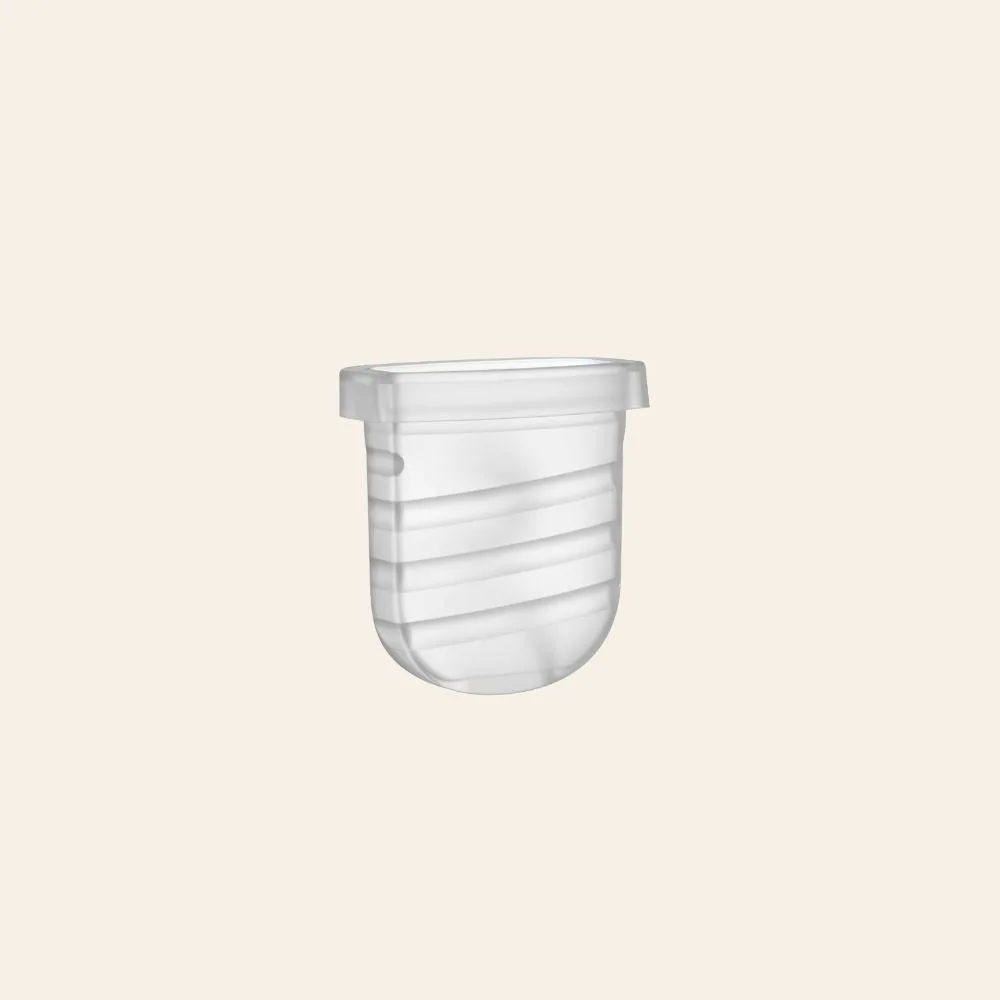
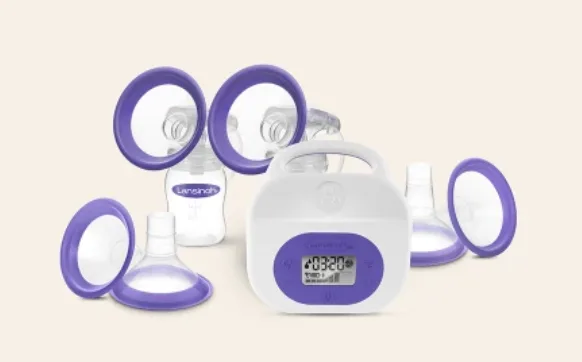
- Pump Valves - 4 Pack for Signature Pro and Smartpump: These breast pump valves attach to the flange body (for both Lansinoh double electric breast pumps or manual breast pump) and work with the diaphragm to ensure proper suction. Lansinoh valve replacements are compatible with Smartpumps, Signature Pro, and Lansinoh Manual Breast Pump. BPA free. Sold individually. Using the correct replacement valves ensures your pump maintains the intended suction level, so you can express milk efficiently without frustration.
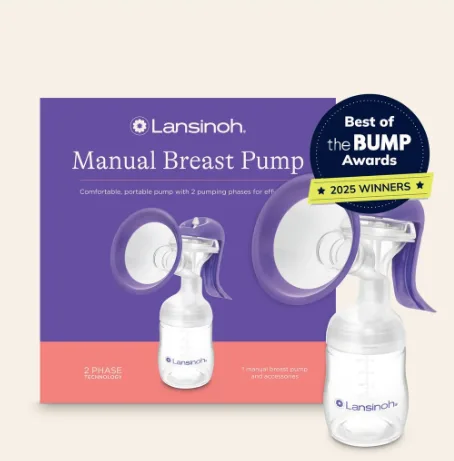
manual breast pump