Quick answer
Teething doesn't mean you have to stop nursing. Most biting happens at the start or end of a feed, when your let-down is slow or your baby is already full. Break the suction, say no calmly, and offer a chilled teether instead. If biting continues or your nipples are cracked and bleeding, pause nursing on that side and talk to a lactation consultant or doctor.
Your baby finally latches comfortably, the let-down arrives, and then—ouch. A tiny tooth scrapes your nipple. Breastfeeding and teething can feel like a betrayal of the calm nursing relationship you built. The good news: most babies don't bite because they want to hurt you. They bite because their gums ache, because milk flow slows down, or because they're experimenting with a new skill.
This guide separates the symptom (pain, biting, refusal) from the likely cause, gives you corrective actions you can try today, and tells you when to stop and choose another option. You'll also find practical ways to use teethers and comfort items so your baby gets relief without turning you into a chew toy.
Why babies bite while breastfeeding
A baby who bites during a feed is usually trying to solve a problem. If your milk flow slows near the end of a session, your baby may bite to trigger another let-down. If their gums are swollen, counter-pressure from biting feels good. And if they're simply done eating, they may bite as a way to say 'I'm full.' Teething and nursing pain often peak when a new tooth is cutting through, because the gum is tender and your baby wants to press on it.
Knowing the timing helps you respond correctly. A bite at the very start usually means your baby is impatient for milk. A bite in the middle can mean a slow let-down or a distraction. A bite at the end is often a signal that the feed is over. Watch for the pattern before you change anything.
- Offer the breast before your baby gets frantic with hunger.
- If your let-down is slow, compress the breast gently to keep milk flowing.
- End the session when sucking slows and your baby starts squirming.
How to stop the bite without a scene
When your baby clamps down, slide your finger into the corner of their mouth to break the suction, then remove them from the breast. Say 'no biting' in a calm, firm voice. Don't yell or pull away—pulling can hurt you more. Wait a few seconds, then offer the breast again. If your baby bites a second time, end that feeding and try again later. Consistency teaches the cause and effect: biting stops the milk.
Some parents find that offering a chilled teether before a feed helps. A cold surface numbs sore gums just enough that your baby can latch without needing to gnaw. Keep the teether in the fridge, not the freezer, and always wash it before use. If your baby is very distracted, try nursing in a quiet, dim room without screens or siblings.
- Break suction with a clean finger before removing your baby.
- Use a calm, low voice—not a yelp—to signal 'no.'
- Offer a chilled teether 5–10 minutes before nursing if gums are very sore.
Soothing your nipples between feeds
Even if you correct the biting, your nipples may need TLC. Express a little breast milk onto the nipple after feeding and let it air-dry. A thin layer of lanolin or nipple cream can help with cracking. If you're sore, try changing nursing positions so your baby's mouth isn't pressing on the same spot every time. A nipple shield may help short-term, but talk to a lactation consultant before relying on one, because it can affect milk transfer.
Pain that lasts more than a few days, or pain that feels like burning or stabbing rather than soreness, may point to a different issue like a poor latch or an infection. That's a signal to get help rather than push through. Teething pain is temporary, but untreated nipple damage can make you dread feeding.
- Air-dry nipples after feeds and use a pea-sized amount of nipple cream.
- Rotate between cradle, cross-cradle, and side-lying positions.
- If pain is sharp or persistent, check with a lactation consultant.
When to offer a teether instead of the breast
Sometimes your baby isn't hungry—they just need to chew. If your baby has recently fed and is still fussy, try a teether before offering the breast again. This prevents the 'comfort nursing to sleep' loop that can lead to biting when milk isn't the goal. A teether with different textures lets your baby choose the pressure that feels best on sore gums.
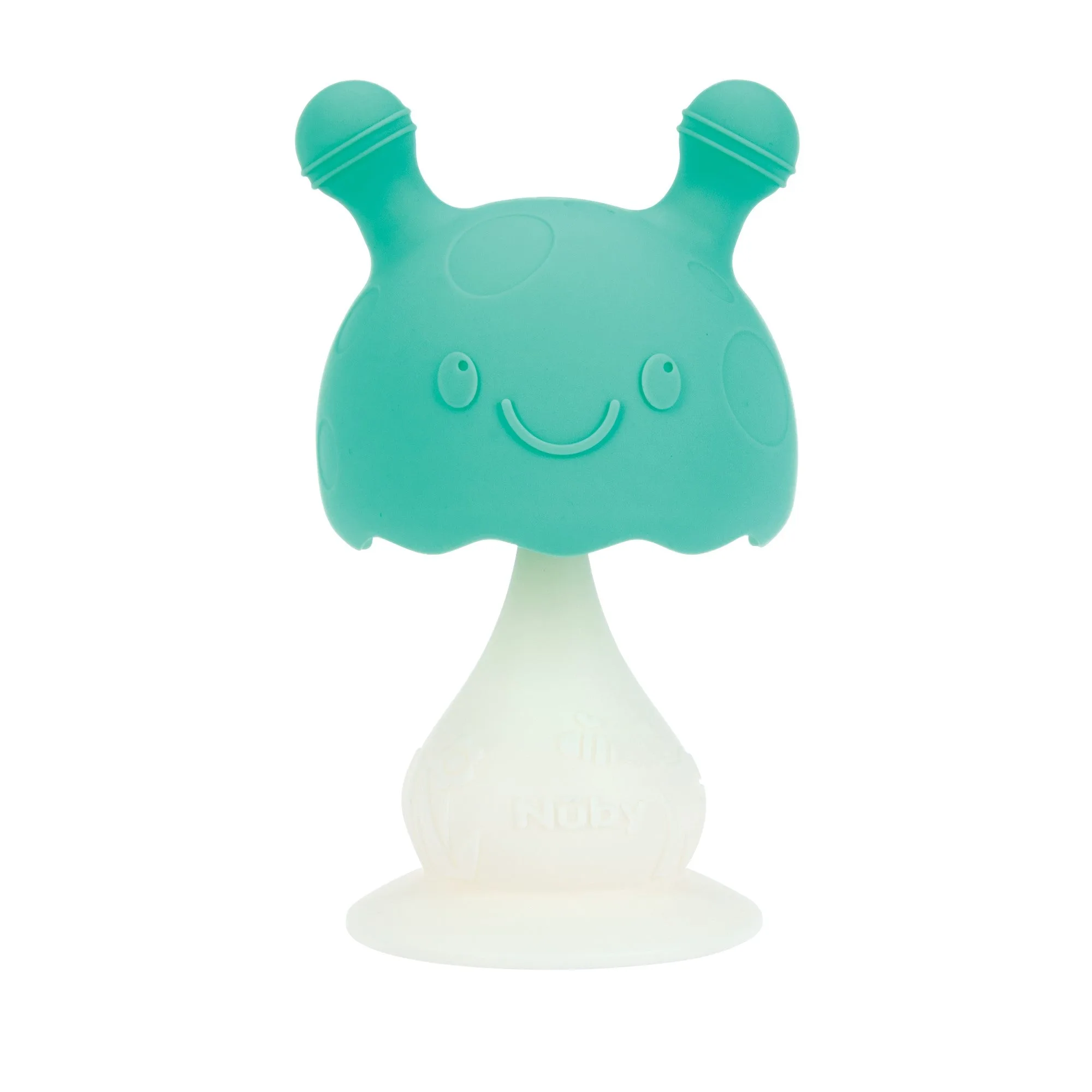
For babies who are learning to grasp, a lightweight teether with a suction base can stay put on the high chair tray or floor, so your baby can lean in and chew without you holding it. That frees you to sit nearby and rest. The goal isn't to replace nursing—it's to give your nipples a break between feeds while still meeting your baby's need to chew.
- Offer a teether after a full feed if your baby still seems mouthy.
- Keep a teether in the fridge so it's ready when gums flare up.
- Use teething time as a chance to check for other hunger cues before nursing again.
Diagnosis: symptom, cause, action, stop point
- Symptom: Sharp pain at the start of a feed: Likely cause: your baby is impatient for milk and clamping down before let-down. Action: express a few drops before latching, or compress the breast to speed milk flow. If pain continues for more than a week, get a latch check.
- Symptom: Biting at the end of a feed: Likely cause: your baby is full or bored. Action: end the session when sucking slows, and offer a chilled teether instead of letting them linger. Two bites in one feed means it's time to stop and try again later.
- Symptom: Cracked, bleeding, or burning nipples: Likely cause: repeated biting, poor latch, or an infection. Action: pause nursing on the affected side, hand-express or pump, and see a lactation consultant or doctor. Do not push through severe pain—this is the stop point where you choose another option.
Teethers that help during nursing breaks
- Mushroom Bobble Head Teether Toy: Made of super soft silicone, it's gentle on sensitive gums and has a suction base that sticks to most surfaces, keeping it steady for little hands. A suction base means your baby can chew independently while you take a break, and the soft silicone is less likely to feel like a hard bite on your nipple if they grab it instead of you.
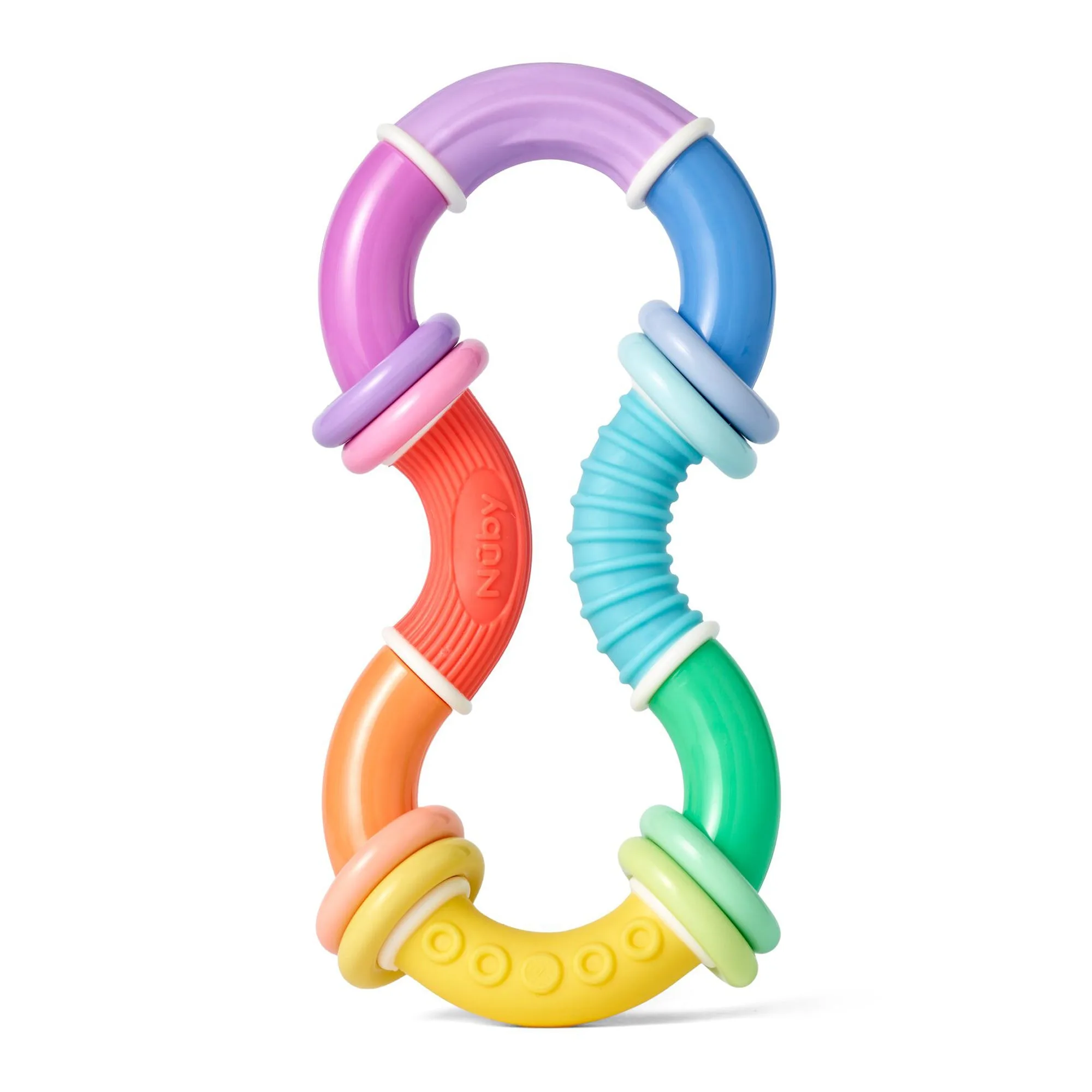
- Twista Rattle Teether Toy | Colorful Rings: Features textured surfaces that provide relief and bright colors and fun sounds that stimulate senses while helping develop dexterity and hand-eye coordination. The textured rings give your baby a specific place to gnaw, which can redirect biting urges away from the breast during a fussy teething phase.
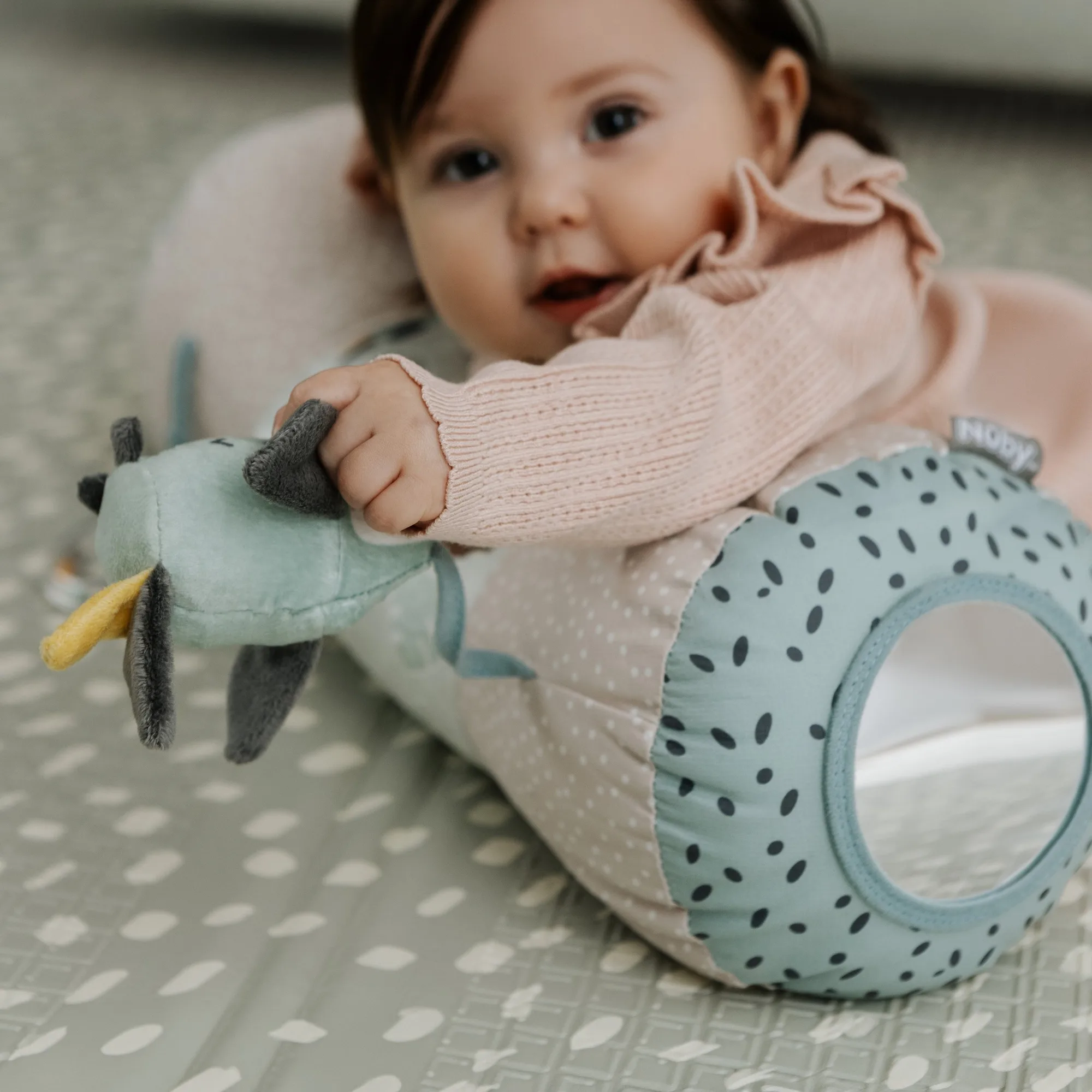
- Animal Adventures Tummy Time Pillow: Multi-functional pillow gives your baby a comfortable place to lounge and features a baby-safe mirror that promotes self-awareness. A safe spot for supervised tummy time or lounging gives you a hands-free moment to apply nipple cream or rest between feeds, while the mirror keeps your baby engaged.
Teething is a phase, not a reason to stop breastfeeding. By reading your baby's biting pattern, correcting it calmly, and keeping a chilled teether within reach, you can protect your comfort and your nursing relationship. If pain or biting doesn't improve, reach out to a lactation professional—you don't have to figure it out alone.