Quick answer
For a balanced espresso shot from Aponte Inga dark roast whole bean, start with a fine grind, 18g dose, and aim for a 28–32 second extraction at 200°F. Adjust grind size to tame or highlight the honey-processed sweetness.
Why dark roast espresso needs a different approach
Dark roast whole bean coffee like Aponte Inga is more porous and soluble than lighter roasts. That means it extracts faster, so your usual espresso recipe can easily over-extract and turn bitter. The honey process adds a natural sweetness that shines when you keep the extraction time on the shorter side.
Step-by-step espresso brewing process
- 1. Grind fine, but not too fine: Set your grinder to a fine setting similar to table salt. For Aponte Inga dark roast, start slightly coarser than you would for a light roast to avoid choking the machine. A common mistake is grinding too fine, which stalls the shot and brings out harsh, ashy flavors. If your first shot takes over 35 seconds, grind a notch coarser.
- 2. Dose 18g and distribute evenly: Weigh 18g of ground coffee into the portafilter. Use a distribution tool or your finger to level the bed before tamping. An uneven bed creates channeling, where water rushes through weak spots and leaves other grounds under-extracted. Always weigh your dose—volume alone is unreliable for dark roasts.
- 3. Tamp with consistent pressure: Apply about 30 pounds of pressure straight down. The goal is a compact, level puck. Over-tamping won't fix a bad grind, but under-tamping can cause a fast, watery shot. Check that the puck is level after tamping. A level puck is more important than maximum pressure.
- 4. Brew at 200°F with a 28–32 second target: Preheat your machine and pull the shot at 200°F (93°C). Aim for a 1:2 ratio (18g in, 36g out) in 28–32 seconds. If the shot runs faster than 25 seconds, the grind is too coarse and the espresso will taste sour. If it runs longer than 35 seconds, the grind is too fine and bitterness will dominate. Time your shot from the moment water hits the puck, not from when you press the button.
- 5. Taste and adjust one variable at a time: After your first shot, note the flavor. If it's sour, grind finer or increase dose slightly. If it's bitter, grind coarser or reduce dose. Only change one variable per attempt—changing both at once makes it impossible to know what worked. Keep a small notebook or app log for your recipe adjustments.
Coffee used in this guide
-
Aponte Inga Dark Roast Whole Bean 4oz Bag: A rare dark roast honey-processed coffee regeneratively grown by the Inga people of the southwest region of Colombia. The honey process leaves some fruit mucilage on the bean during drying, which gives the espresso a rounded sweetness that balances the dark roast's boldness.
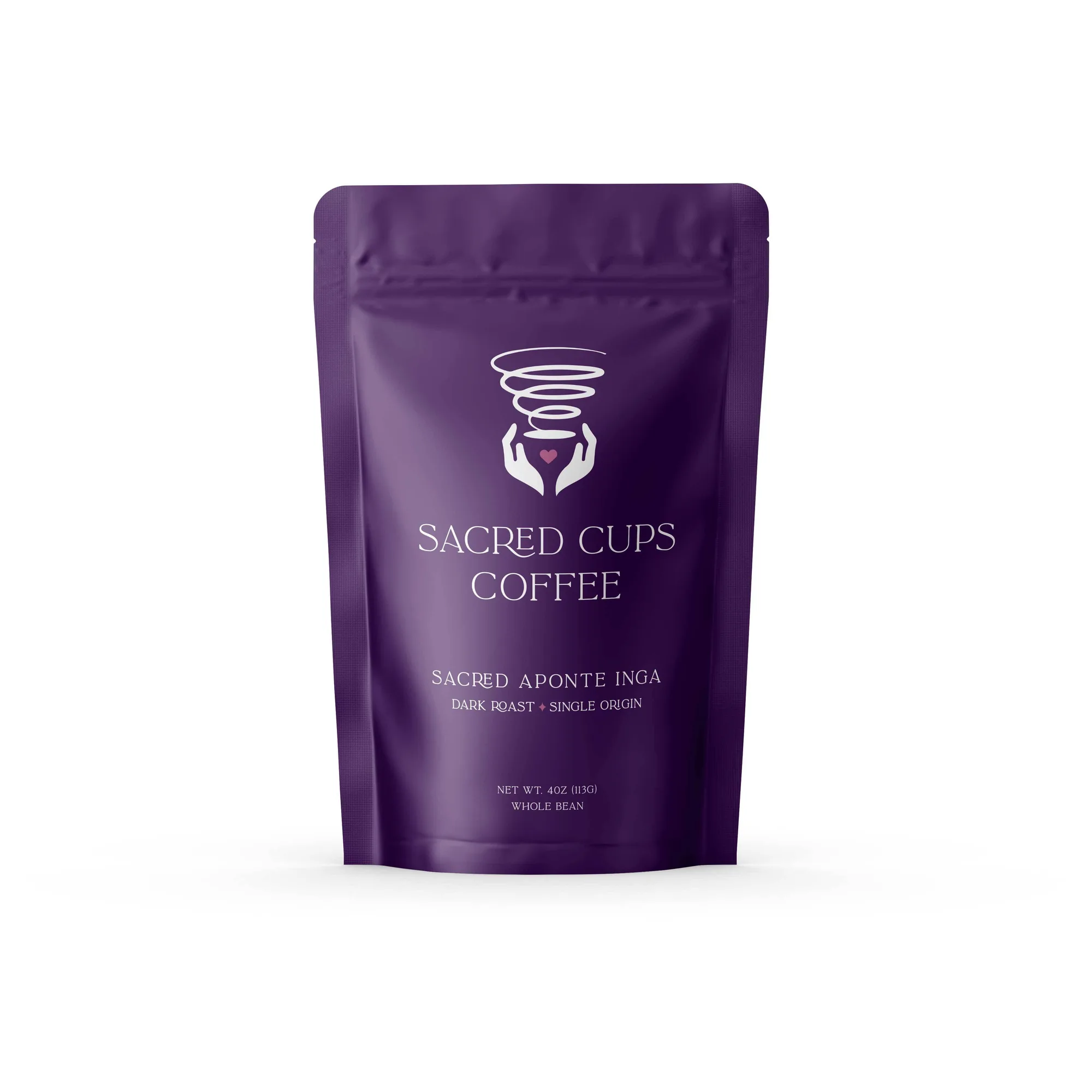
Aponte Inga Dark Roast Whole Bean 4oz Bag