Quick answer
Choose bridal separates when you want to control the fit of the top and skirt independently, build a two piece wedding dress you can rewear, or create two looks from one outfit. Choose a traditional gown when you want one seamless silhouette, a single fitting decision, and the drama of a continuous line from shoulder to hem. Most brides who love separates are also comfortable with a little styling work.
A two piece wedding dress is not a compromise on formality. It is a different way of building the same polished look, with the top and skirt chosen as separate pieces so each can fit and function on its own terms. That flexibility is exactly where the trade-offs begin.
This comparison looks at what you gain and what you give up with bridal separates versus a traditional gown, using real pieces from our collection to show how the decisions play out in practice.
Fit: two pieces to tailor, or one line to trust
With bridal separates, the top and skirt are fitted separately, which helps when your bust and hip measurements fall into different sizes. A lace blouse can be taken in at the waist without touching the skirt, and a tulle skirt can be hemmed without altering the bodice. The trade-off is that you now have two garments to fit, and the waistband of the skirt must sit cleanly against the hem of the top.
A traditional gown is cut as one continuous garment, so the waistline is designed to fall correctly and there is no gap or overlap to manage. The trade-off is less room to adjust one area without affecting the other. If you often need a different size on top than on the bottom, separates usually solve that problem more directly.
- Try the top and skirt together before any alterations so you can see the waistline overlap.
- Ask whether the skirt waistband is meant to sit at your natural waist or slightly lower.
Budget: how separates change what you spend
Separates let you allocate budget where it shows most. You might invest in a lace top you will wear again and pair it with a simpler tulle skirt, or do the reverse. Because each piece is priced on its own, you can also add a second top later for the reception without buying a second full gown.
A traditional gown bundles the cost of bodice, skirt, lining, and construction into one price, which can be simpler to plan around. The trade-off is that changing one element usually means changing the whole dress. With separates, the risk is the opposite: small add-ons can quietly add up if you keep collecting pieces.
Styling: two looks from one outfit, or one strong statement
The clearest advantage of wedding separates is the ability to change your look without a full costume change. A lace top and tulle skirt can carry the ceremony, then the same skirt can pair with a simpler top or a cover up for the reception. This is especially useful for outdoor ceremonies with a different indoor reception.
A traditional gown delivers one deliberate silhouette from the first look to the last dance. The trade-off is that a single dramatic gown can feel like a lot of dress for a long day, and you may still want a cover up or second look for comfort. Separates build that flexibility in from the start.
- Plan your second look before alterations so both tops fit the same skirt waistband.
- If you want one uninterrupted line in photos, a gown still has the edge.
Practicality: movement, storage, and rewear
Separates are easier to store and travel with because the pieces fold independently, and a tulle skirt can be hung while the top goes in a garment bag. Many brides rewear the top with jeans or a plain skirt after the wedding, which is harder to do with a full gown.
A traditional gown is one item to keep track of on the day, with no risk of the top riding up or the skirt twisting. The trade-off is storage and cleaning: a full gown takes more space and usually needs specialist care. If you want the lowest-maintenance option on the wedding morning, a gown is simpler.
Trade-offs at a glance
- Fit control: Separates let you size the top and skirt independently, which suits brides whose bust and hip measurements fall into different sizes. A gown gives one continuous line with no waistline gap to manage. If your top and bottom sizes differ by more than one, separates usually need fewer compromises.
- Budget shape: Separates spread cost across pieces you can prioritize and rewear, but add-ons can accumulate. A gown bundles everything into one price that is easier to plan around. Set a total budget for the full separates look before you start adding pieces.
- Styling range: Separates can create a ceremony look and a reception look from the same skirt. A gown delivers one strong silhouette that carries the whole day. Decide whether you want two looks or one uninterrupted statement in photos.
- Day-of simplicity: A gown is one garment to put on and keep in place. Separates require the top and skirt to sit correctly together, especially after dancing or sitting. If you want the lowest-maintenance morning, a gown is the simpler choice.
Real pieces that show the trade-offs
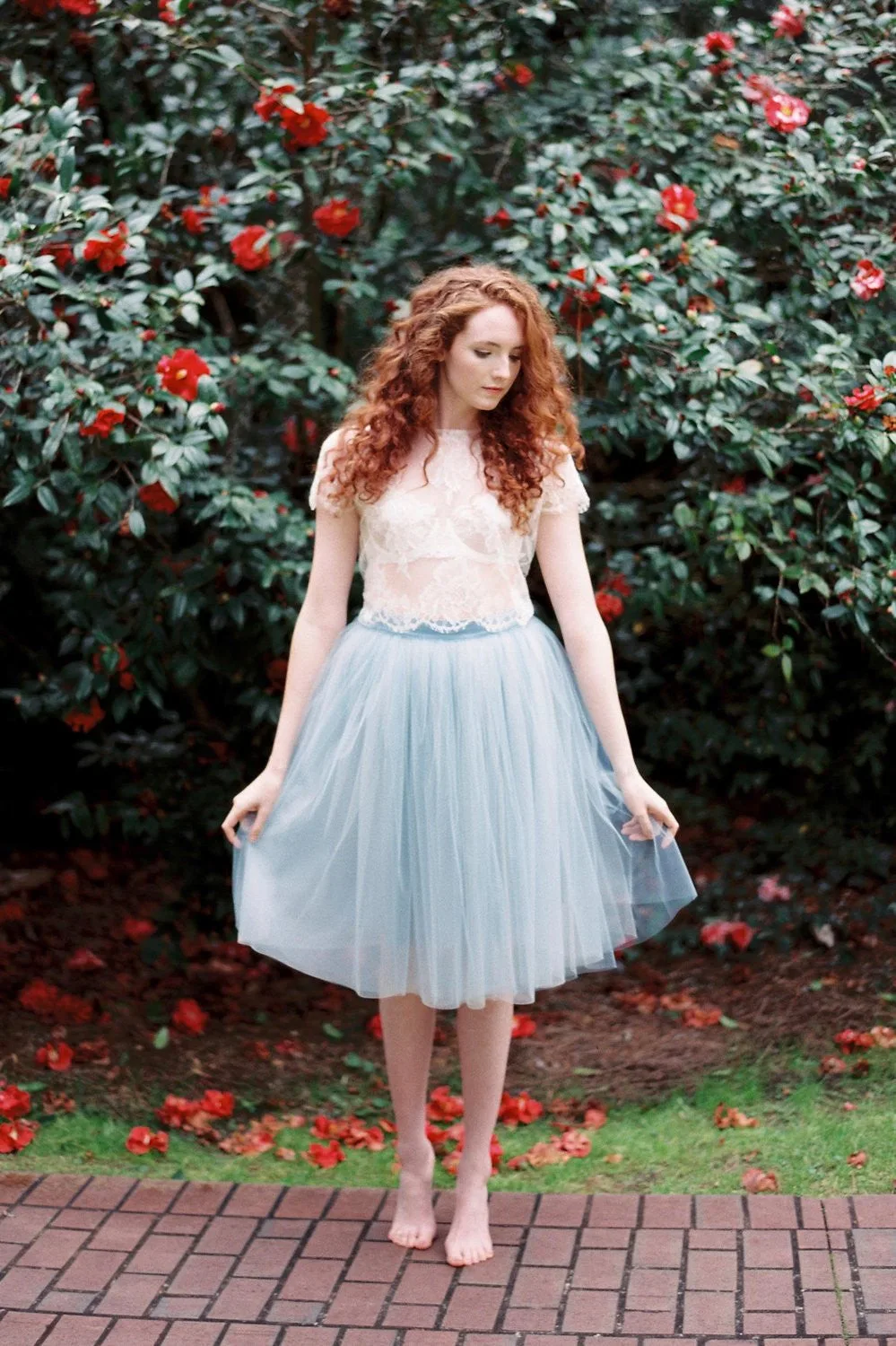
- Lydia Tonal Tulle Skirt in powder blue: An ethereal tonal tulle skirt with a French grosgrain ribbon-trimmed waist and layers of tulle that give volume without overwhelming, designed to pair with a lace blouse or crop top. It is a ready-made separates base: the grosgrain waist gives a clean line where a top can tuck or sit, and the tonal powder blue reads as a deliberate color choice rather than a plain white skirt.
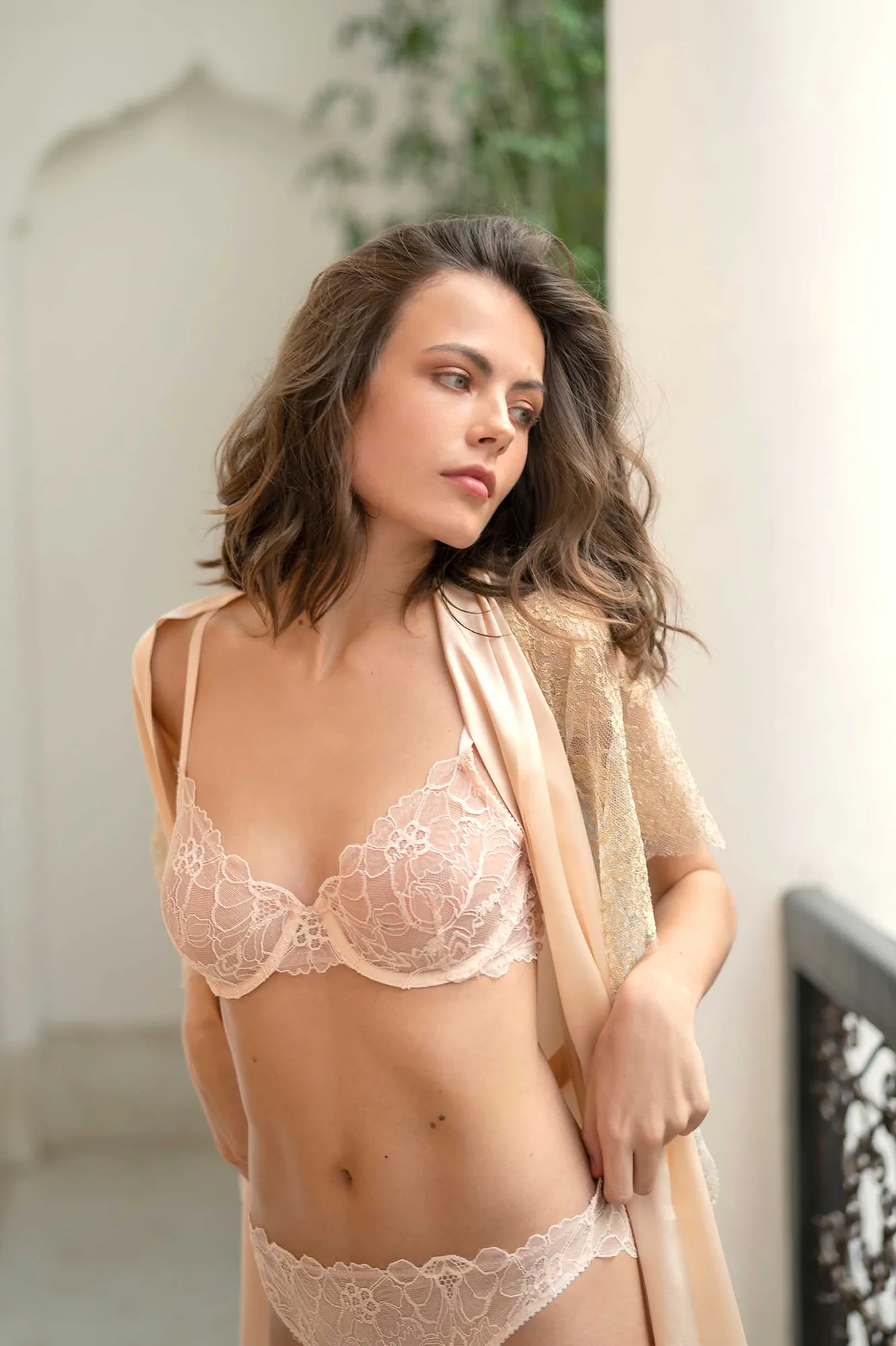
- Ines French Lace underwire Full cup bra: A full cup silhouette in stretch French Leavers lace with underwire for support, lift, and shape, plus a stretch tulle back and hook and eye closure. If your separates top is sheer or low-backed, the bra becomes part of the look, so support and a smooth line matter as much as the outer layer.
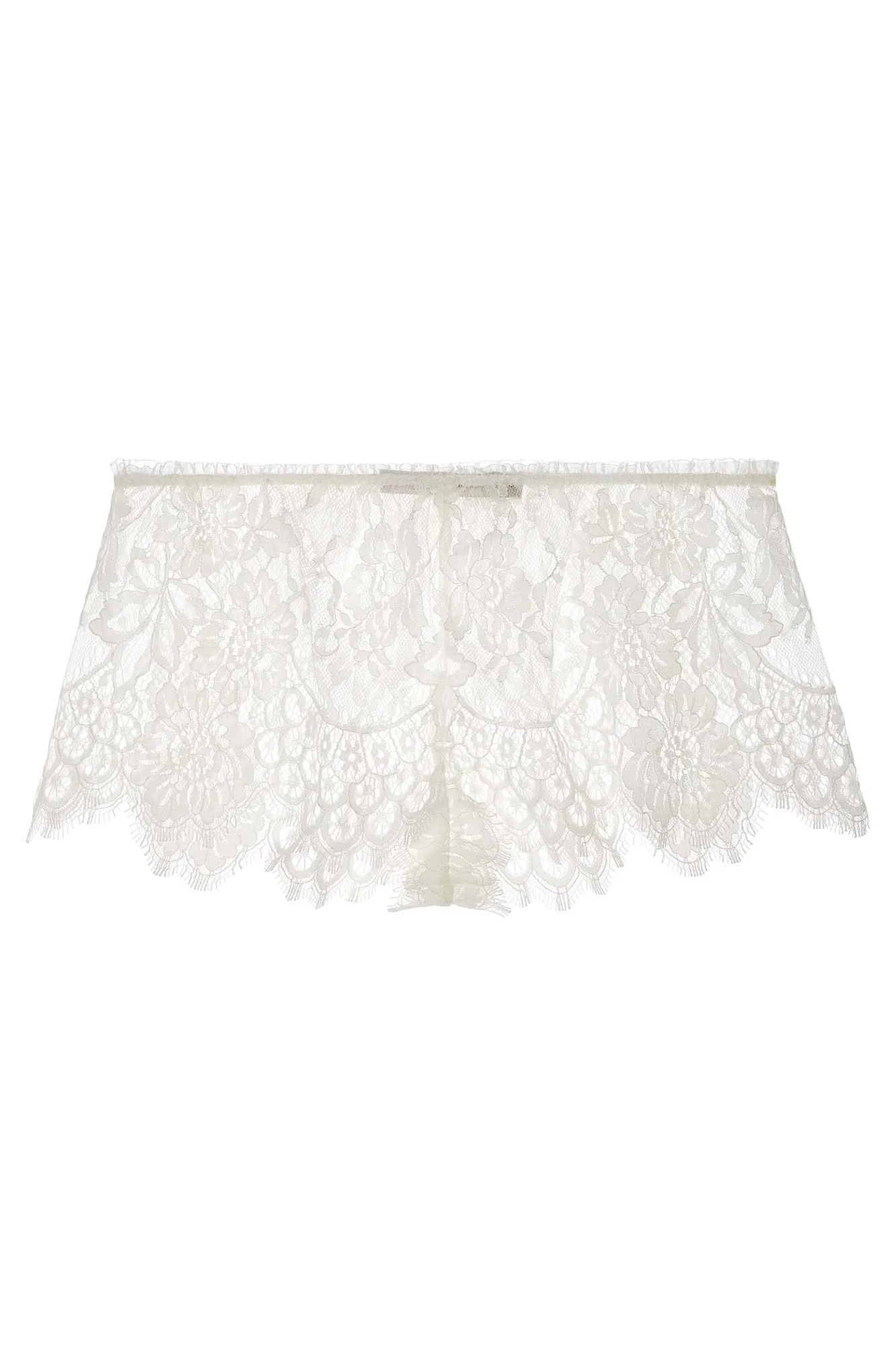
- Swan Queen Scalloped lace shorties shorts in Ivory: Flirty shorties in floral French lace with scallop edges and a soft organza ruffle stretch waist, available in Ivory and Black and handmade in the USA. Under a tulle skirt, smooth lace shorties prevent visible lines and add a finished look if the skirt moves or lifts during dancing.
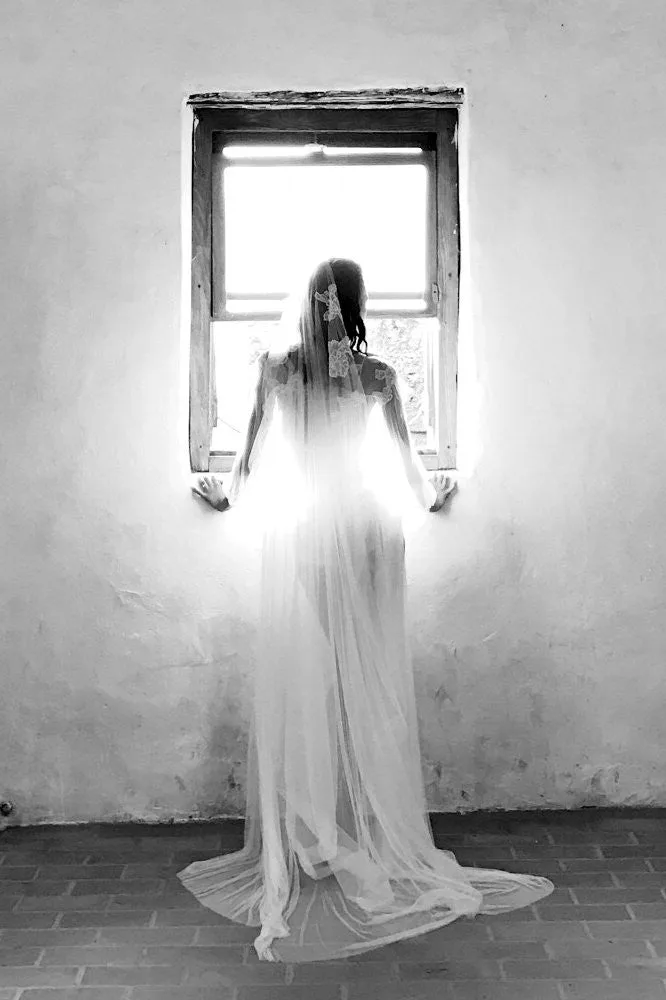
- Sally French lace and dreamy tulle single layer veil: A single layer of Italian tulle accented with sheer hand-cut French lace appliques at the cap, suggested for minimal and architectural gowns. A sleek single-layer veil keeps a separates look from feeling busy, and the lace cap ties the veil back to a lace top.
Which should you choose?
Best for
- Brides whose top and bottom measurements fall into different sizes and who want to tailor each piece separately
- Brides who want a two piece wedding dress they can rewear or restyle after the wedding
- Brides planning two looks, such as a ceremony top and a reception top with the same skirt
Not for
- Brides who want one seamless silhouette and a single fitting decision
- Brides who prefer the lowest-maintenance option on the wedding morning
- Brides who do not want to manage how a top and skirt sit together throughout the day
There is no universally better choice here, only a better match for how you want to fit, spend, and move on your wedding day. If independent fit and a second look matter most, build your outfit from separates. If a single uninterrupted line and a simpler morning matter most, choose the gown.