When you're setting up a space for card games, one of the first decisions you'll face is choosing the right table. The terms 'bridge table' and 'poker table' are often used interchangeably, but they serve different purposes and cater to different styles of play. Understanding the differences can help you pick the table that best fits your needs, whether you're hosting a weekly bridge club or a casual poker night.
In this guide, we'll break down the key distinctions between bridge tables and poker tables, including size, shape, portability, and features. By the end, you'll know exactly which table is the right investment for your game room.
What Is a Bridge Table?
A bridge table is a compact, foldable table designed specifically for card games like bridge, canasta, and rummy. Typically square, bridge tables measure around 34 inches per side, which comfortably seats four players. The surface is often covered with a soft, felt-like material to reduce card wear and provide a smooth playing surface.
Bridge tables are built for portability and convenience. Most models fold flat for easy storage, making them ideal for homes with limited space or for players who like to take their game to a friend's house. The classic bridge table features a sturdy frame and a removable top, which can be replaced if it wears out over time.
- Compact square design fits four players
- Foldable and lightweight for easy storage
- Felt or padded surface protects cards and dampens noise
What Is a Poker Table?
A poker table, on the other hand, is typically larger and oval or octagonal in shape, designed to accommodate more players—usually six to ten. The playing surface is often covered with a padded, speed-cloth material that makes it easy to slide cards and chips. Poker tables may have built-in cup holders, chip trays, and a raised rail for comfort.
Poker tables are less portable than bridge tables. They are often heavy and may require assembly, and they take up significant floor space. Some models fold, but even folding poker tables are bulkier than bridge tables. They are designed for a dedicated game room or a space that can permanently host the table.
- Oval or octagonal shape for 6-10 players
- Padded rails and cup holders for comfort
- Heavier and less portable; often a permanent fixture
Key Differences at a Glance
The most obvious difference between a bridge table and a poker table is size and shape. A bridge table is square and compact, while a poker table is oval or octagonal and much larger. This affects how many players can sit comfortably and the overall footprint in your room.
Portability is another major factor. Bridge tables fold easily and can be stored in a closet, whereas poker tables are typically too large to move frequently. If you have a dedicated game room, a poker table might be a great addition, but if you need a versatile table for multiple uses, a bridge table is more practical.
- Bridge tables: 4 players, square, foldable
- Poker tables: 6-10 players, oval/octagonal, permanent
- Bridge tables are more affordable and versatile
Bridge Table Features to Look For
When shopping for a bridge table, consider the build quality and surface material. A sturdy frame with a locking mechanism ensures stability during play. The playing surface should be smooth and durable, preferably with a padded felt that reduces noise and protects your cards.
Look for a table that comes with a cover or a replaceable top, as the surface can wear over time. Some bridge tables also have a built-in card tray or cup holders, which can be handy. For example, the Bridge Folding Table - Classic offers a traditional design with a foldable frame, making it a reliable choice for regular bridge games.
- Check the frame material: steel or aluminum for durability
- Ensure the table locks securely when open
- Consider a table with a padded surface to protect cards
Poker Table Features to Look For
If you're leaning toward a poker table, focus on the playing surface and the number of players you expect. A quality poker table will have a padded rail, cup holders, and a smooth surface that allows cards to glide. Some tables come with a dealer position and chip trays built in.
Since poker tables are larger, measure your space carefully. You'll need at least a 10-foot by 10-foot area to accommodate a standard 8-player table. Also, consider whether you want a foldable model for occasional use or a permanent table for a serious game room.
- Measure your room before purchasing
- Look for a table with a padded rail and cup holders
- Decide between a folding or permanent table
Which Table Is Right for You?
Your choice ultimately depends on the games you play most often and your available space. If you primarily play bridge, canasta, or other four-player card games, a bridge table is the perfect fit. It's compact, portable, and easy to store. Pair it with comfortable chairs, like the Lattice Back Bridge Folding Chairs - Set of 2, and you'll have a complete setup.
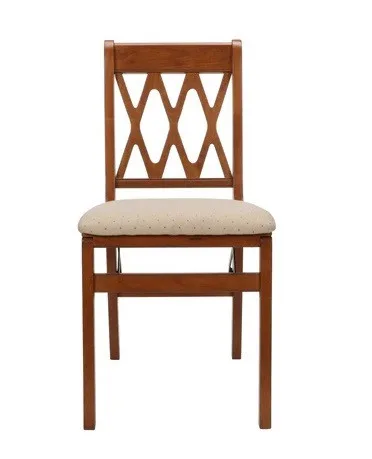
Lattice Back Bridge Folding Chairs - Set of 2
If you're into poker and regularly host 6-10 players, a poker table is worth the investment. It creates an immersive gaming experience and can become the centerpiece of your game room. However, if you want a table that can serve multiple purposes—like a dining table or a workspace—a bridge table is more versatile.
- Bridge tables are best for 4-player games and small spaces
- Poker tables are ideal for large gatherings and dedicated game rooms
- Consider your budget and storage space
In the end, the 'right' table is the one that fits your gaming habits and your home. If you're a bridge enthusiast, a quality bridge table will serve you well for years. For poker fans with room to spare, a poker table will elevate your game nights. Whichever you choose, make sure it's built to last and suits your style of play. If you're ready to upgrade your card game setup, check out the Bridge Folding Table - Classic for a dependable and classic option.