Quick answer
Bright Line Eating offers clear, structured rules for those who thrive on boundaries and need a concrete plan. Intuitive Eating emphasizes internal cues and flexibility, ideal for people who want a sustainable relationship with food without rigid restrictions.
The core difference: rules vs. intuition
Bright Line Eating (BLE) is built on strict guidelines around sugar, flour, meal portions, and timing. These 'bright lines' are designed to break addictive eating patterns and provide a clear framework for weight loss. Intuitive Eating, by contrast, rejects food rules and encourages you to trust your hunger and fullness signals, aiming to eliminate guilt and shame around eating.
Which approach works better depends on your personality and history with food. If you've struggled with binge eating or feel out of control around certain foods, BLE's structure can be a powerful reset. If you're comfortable with moderation and want to heal your relationship with food long-term, Intuitive Eating may serve you better.
Weight loss outcomes: predictable vs. gradual
Bright Line Eating typically leads to faster, more predictable weight loss, especially in the initial phase. The rules remove guesswork and decision fatigue. Intuitive Eating focuses on weight neutrality and body acceptance; weight loss, if it happens, is a side effect of improved eating habits and is usually slower and less consistent.
If your primary goal is significant weight loss and you prefer a clear roadmap, BLE is more likely to deliver. If you're more concerned with mental well-being and long-term habits, Intuitive Eating may be a better fit even if the scale moves slowly.
Trade-offs at a glance
- Structure vs. flexibility: BLE offers a clear set of rules (no sugar, no flour, measured portions, set meal times). Intuitive Eating has no rules, relying on internal cues like hunger and satisfaction.
- Speed of results vs. sustainability: BLE often produces faster weight loss, but the rigidity can be hard to maintain long-term. Intuitive Eating is more sustainable but weight loss is slower and not guaranteed. Consider how you handle rules: if you tend to rebel against them, BLE may feel restrictive; if you need boundaries, Intuitive Eating may feel too vague.
- Emotional relationship with food: BLE aims to break addictive patterns by removing trigger foods entirely. Intuitive Eating works to remove guilt and shame, allowing all foods in moderation.
Product spotlight
-
The Official Bright Line Eating Cookbook: The Official Bright Line Eating Cookbook by Susan Peirce Thompson provides recipes and meal plans that follow the Bright Line Eating rules. This cookbook gives you a practical, ready-to-use resource to implement the BLE structure without having to design meals from scratch.
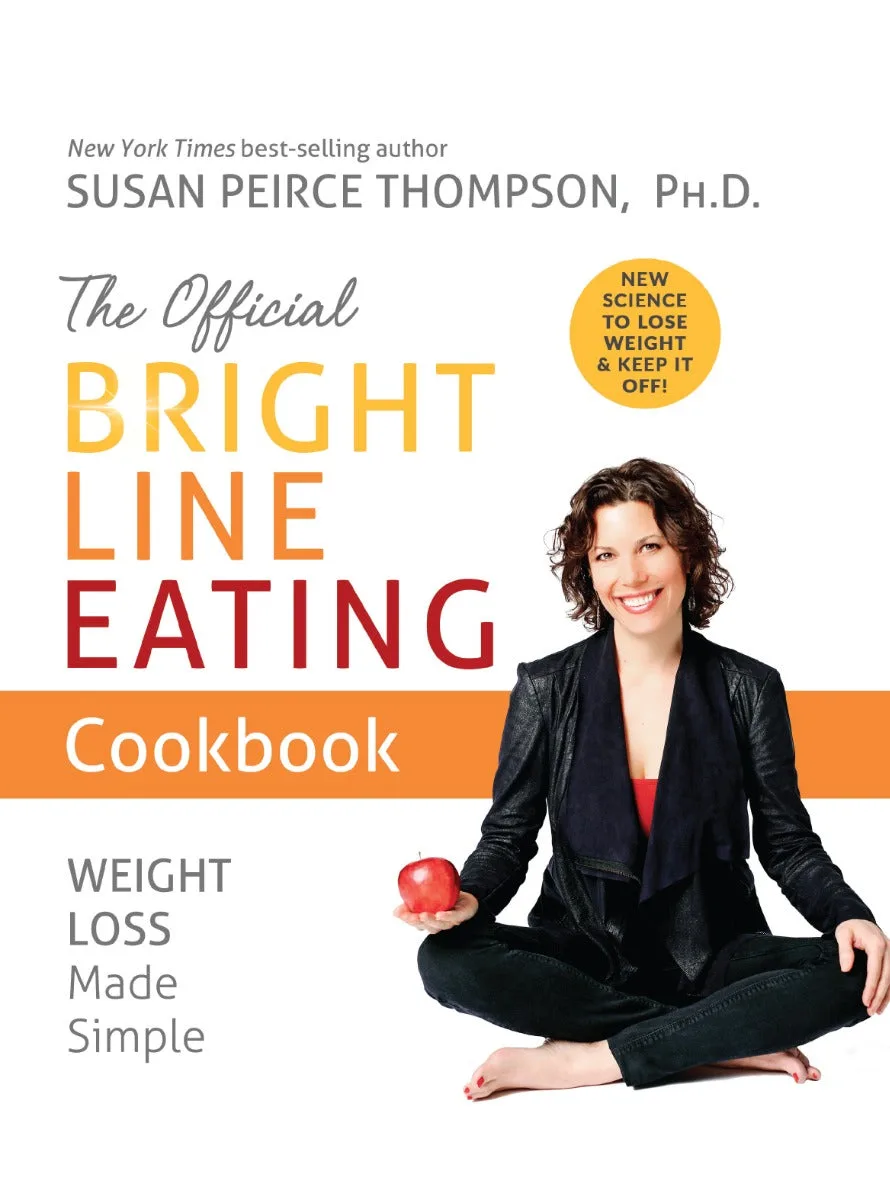
The Official Bright Line Eating Cookbook
Which approach is right for you?
Best for
- People who want clear, actionable rules and struggle with willpower around specific foods (Bright Line Eating).
- Those who prefer a flexible, non-diet approach and want to rebuild trust with their body (Intuitive Eating).
Not ideal for
- Bright Line Eating is not ideal for people with a history of restrictive eating disorders or those who find rigid rules triggering.
- Intuitive Eating is not ideal for people who need a structured plan to jumpstart weight loss or break addictive eating patterns.