Quick Answer
To build a competitive deck from starter decks and boosters, start with a preconstructed deck that fits your playstyle, then use booster packs to upgrade it with stronger cards and fill gaps. Focus on consistency, curve, and synergy rather than just high-rarity cards.
Building a competitive deck doesn't have to mean buying expensive singles or cracking dozens of boxes. With a starter deck and a few booster packs, you can create a solid foundation that holds its own at casual and local competitive events. The key is knowing how to evaluate what you have and what you need.
This guide walks you through a practical process to transform a ready-to-play starter into a tuned deck using only boosters. You'll learn how to assess your base, set goals, open boosters strategically, and refine your list—all while keeping your budget in check.
Start with the Right Starter Deck
Your starting point matters. Starter decks are designed to be playable out of the box, but they often have a straightforward strategy. Choose one that matches your preferred playstyle—aggressive, defensive, or combo-oriented. For example, the Attack on Titan: Battle For Humanity Clash Deck Mikasa offers a 60-card preconstructed deck that's ready to play immediately, perfect for newcomers and veterans alike.
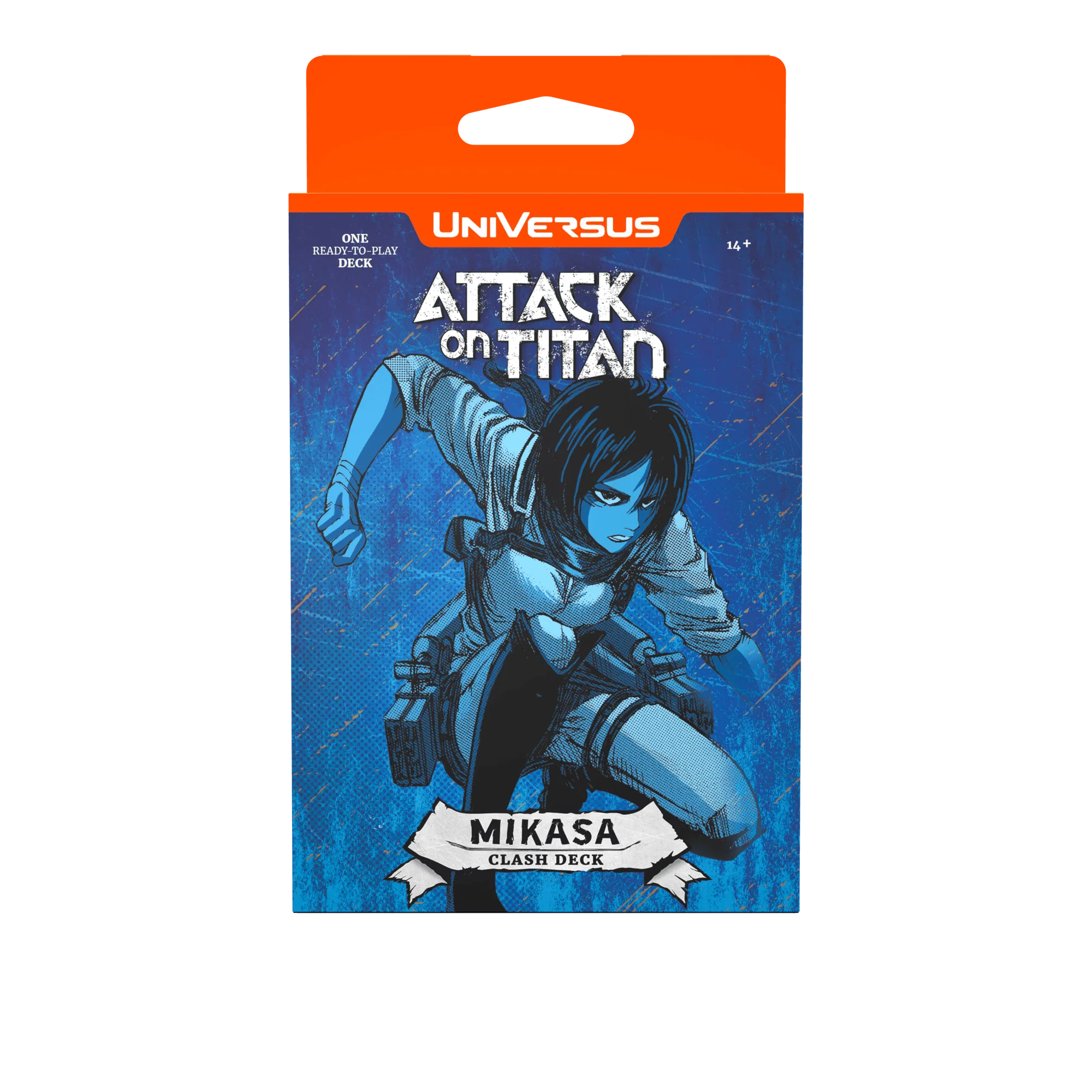
Attack on Titan: Battle For Humanity Clash Deck Mikasa
Consider the synergy within the deck. Look for a starter that has a clear game plan and a solid core of characters and attacks. This gives you a strong base to build on. Avoid starters that feel disjointed or lack a cohesive theme, as they'll require more work to make competitive.
- Pick a starter deck that fits your playstyle, not just your favorite character.
- Check that the deck has a clear win condition and consistent card types.
Set a Budget and Goals
Before opening boosters, decide how much you're willing to spend and what you want to achieve. Are you aiming for a local tournament, or just want a stronger deck for casual play? Setting a budget prevents overspending on boosters that might not yield useful cards.
Define your deck's goals: What turn do you want to win by? What are your key combos? This helps you identify which cards you need from boosters. For instance, if your starter lacks card draw, prioritize boosters that might include draw engines.
- Set a booster budget, e.g., one or two booster displays max.
- Write down your deck's must-have upgrades before opening packs.
Open Boosters Strategically
When opening boosters, don't just look for rare cards—look for cards that fit your deck's strategy. For example, the Attack on Titan: Origins of Power Booster Display contains over 180 cards, offering a wide variety of options to upgrade an Attack on Titan deck. Focus on cards that enhance your existing synergies or fill gaps in your curve.
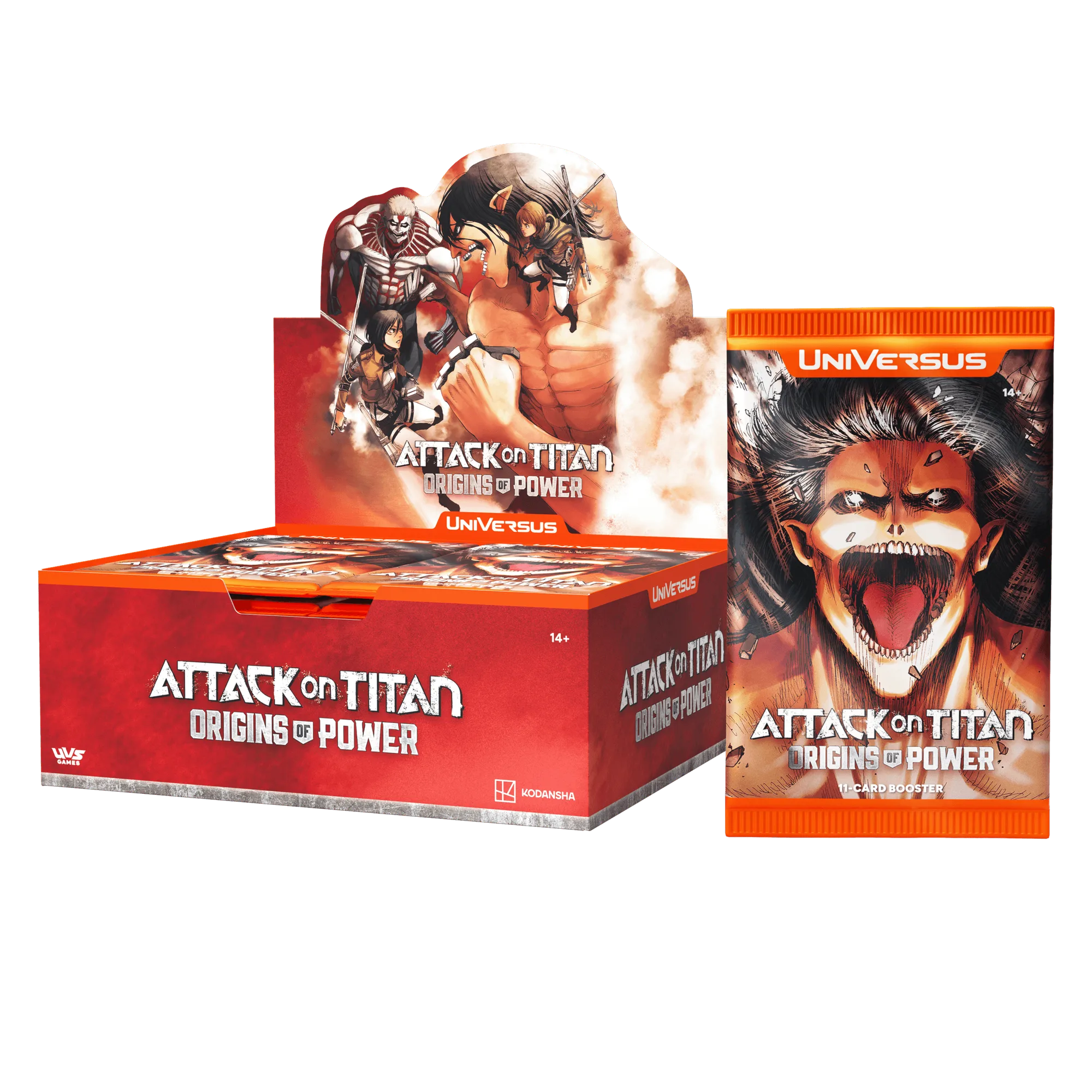
Attack on Titan: Origins of Power Booster Display
Sort your pulls into 'keep' and 'sideboard' piles. Keep cards that directly improve your deck's consistency or add new tools. Sideboard cards are situational but might be useful in certain matchups. Be honest about what's actually an upgrade—higher rarity doesn't always mean better for your deck.
- Use a checklist of needed card types (attacks, foundations, characters) while opening.
- Trade or save extra rares that don't fit your deck for future trades or other decks.
Refine and Test Your Deck
After integrating your best pulls, playtest your deck against various opponents. Note which cards underperform and which strategies struggle. This iterative process is crucial for building a competitive deck.
Don't be afraid to cut cards that don't work, even if they're rare. Consistency is king. Aim for a balanced curve and a clear game plan. If your deck stalls, consider adding more card draw or cheaper attacks. Testing helps you make those decisions.
- Track win/loss ratios and identify recurring weaknesses.
- Make small changes one at a time to see what works.
Step-by-Step Process
- Choose your starter deck: Select a starter deck that matches your preferred playstyle and has a clear strategy. For example, the Mikasa Clash Deck is ready to play and offers a strong base. Checkpoint: Ensure your starter has a cohesive theme and a clear win condition.
- Analyze the deck's strengths and weaknesses: Play a few games to identify what the deck does well and where it struggles. Note cards that underperform and missing card types. Checkpoint: List 3-5 specific gaps to fill with booster pulls.
- Open boosters with a purpose: Set a budget and open boosters from a set that supports your deck's theme. Look for cards that fill gaps or enhance synergies, not just high-rarity cards. Checkpoint: Sort pulls into 'keep' and 'sideboard' piles based on your needs.
- Upgrade your deck: Incorporate the best pulls, replacing weak cards. Maintain a balanced curve and ensure your deck remains consistent. Checkpoint: Your deck should have a clear game plan and no obvious dead draws.
- Playtest and refine: Test your upgraded deck against various opponents. Track performance and make incremental changes based on what you learn. Checkpoint: After several games, your deck should feel smoother and more competitive.
Products to Consider
- Attack on Titan: Battle For Humanity Clash Deck Mikasa: Each of these 60-card, preconstructed decks is ready to play straight out of the box, making them perfect for both newcomers and seasoned players. This starter gives you a complete foundation, saving you time and money while you learn the game or build a competitive deck.
- Attack on Titan: Origins of Power Booster Display: This set will blow your expectations away with more than 180 cards! A booster display provides a large pool of cards to upgrade your starter, offering plenty of options to find the missing pieces for your competitive deck.
Building a competitive deck from starter decks and boosters is a rewarding process that combines smart budgeting with strategic card evaluation. By starting with a solid precon, setting clear goals, and making purposeful upgrades, you can create a deck that competes without breaking the bank. Remember to playtest and refine—your deck will evolve as you learn.