Quick answer
Buy classic building blocks if you want open-ended, quiet, screen-free play that grows from stacking toddlers into older builders. Buy magnetic blocks if your child gets frustrated when towers fall and you want fast, satisfying builds that hold together. Many families end up owning both, because they support different kinds of play rather than competing for the same shelf space.
Walk down any toy aisle and you will see two very different ideas of what a building toy should be. One is a pile of wooden or plastic blocks that stay put only when gravity cooperates. The other is a set of magnetic tiles or cubes that snap together and stay together, even in midair.
The building blocks vs magnetic blocks question is really a question about your child. Some kids love the challenge of balancing a wobbly tower. Others want to build a castle without it collapsing every thirty seconds. This comparison looks at what each type does well, where each one falls short, and how to decide without buying both on the same afternoon.
How classic building blocks actually play
Classic blocks are the original open-ended toy. A wooden block has no correct answer, no instructions, and no batteries. A toddler can stack two and knock them down. A seven-year-old can build a bridge, a garage, or a city block. Because nothing connects, every build depends on balance, patience, and a little trial and error.
That friction is the point. When a tower falls, your child learns to adjust the base, move the heavy piece down, and try again. Blocks also work as loose parts alongside other toys, so a block tower can become a parking garage for toy cars or a pen for animal figurines. The trade-off is that block play is slower and often noisier when everything topples.
- Choose blocks with smooth, splinter-free edges if a younger sibling is likely to mouth them.
- Store blocks in a shallow bin so kids can see and grab pieces without dumping the whole set.
How magnetic blocks change the experience
Magnetic blocks solve the falling-down problem. Tiles and cubes click together along their edges, so a wall stays a wall and a roof can angle without support. That instant success keeps younger builders engaged longer, and it makes magnetic sets a common first choice for kids who get discouraged easily.
The trade-off is that magnets guide the build. Pieces want to line up in certain ways, and some children spend more time clicking than designing. Magnetic sets also tend to be more expensive per piece, and small magnets mean you should check the age rating and inspect pieces regularly for cracks or loose edges.
- Check the manufacturer's age rating before buying, especially if there is a toddler in the house.
- Inspect tiles periodically and retire any piece with a cracked shell or exposed magnet.
What each type teaches
Blocks build patience and physical problem-solving. Your child has to think about weight, balance, and gravity, and there is no shortcut. This is why blocks show up in Montessori-style playrooms and early childhood classrooms: the material itself teaches the lesson, and an adult does not need to direct it.
Magnetic blocks build spatial reasoning and confidence. Kids can plan a shape, test it, and revise it quickly because the pieces hold. That speed encourages bigger ideas, like towers taller than the builder. Neither toy is more educational than the other; they simply practice different muscles, and many kids benefit from both.
- Rotate toys rather than leaving everything out at once so each type gets real attention.
- Join in for ten minutes and build alongside your child instead of directing the build.
Cost, storage, and cleanup
Blocks are usually the better value per piece. A basic wooden set can last through multiple children and rarely has parts to lose. Magnetic sets cost more because each piece contains magnets, and losing a few tiles can limit what a set can build. If budget is tight, start with blocks and add magnetic pieces later.
Cleanup differs too. Blocks go back in a bin in one sweep. Magnetic tiles stack flat and take up little shelf space, but they attract each other and can clump, which slows tidying. Either way, a labeled bin and a two-minute cleanup routine prevent the toy from becoming floor clutter.
- Count magnetic pieces occasionally so you notice missing or damaged tiles early.
- Keep a small basket near the play area so cleanup does not require a trip across the house.
Where other building toys fit
Blocks and magnetic tiles are not the only options. Interlocking brick sets and building toy kits add instructions and themed builds, which suits kids who want a goal to follow. Those sets trade open-ended freedom for a finished model, and they often appeal to builders who like a clear endpoint.
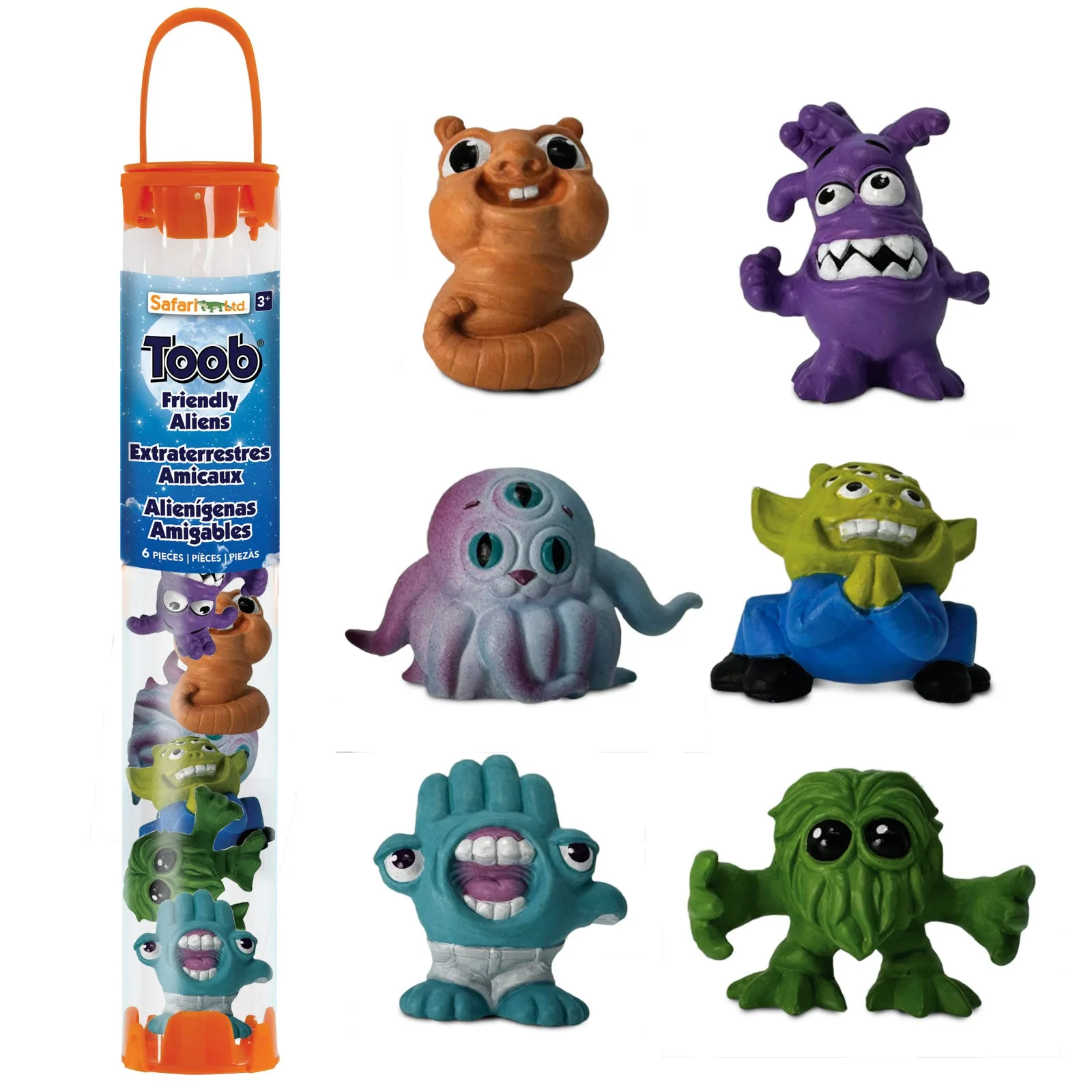
If your child already enjoys pretend play, pair building toys with small figures. A block castle becomes a home for a Pink Unicorn, and a magnetic tile spaceship becomes a landing pad for the Friendly Aliens Designer TOOB. That combination stretches one toy purchase into several kinds of play.
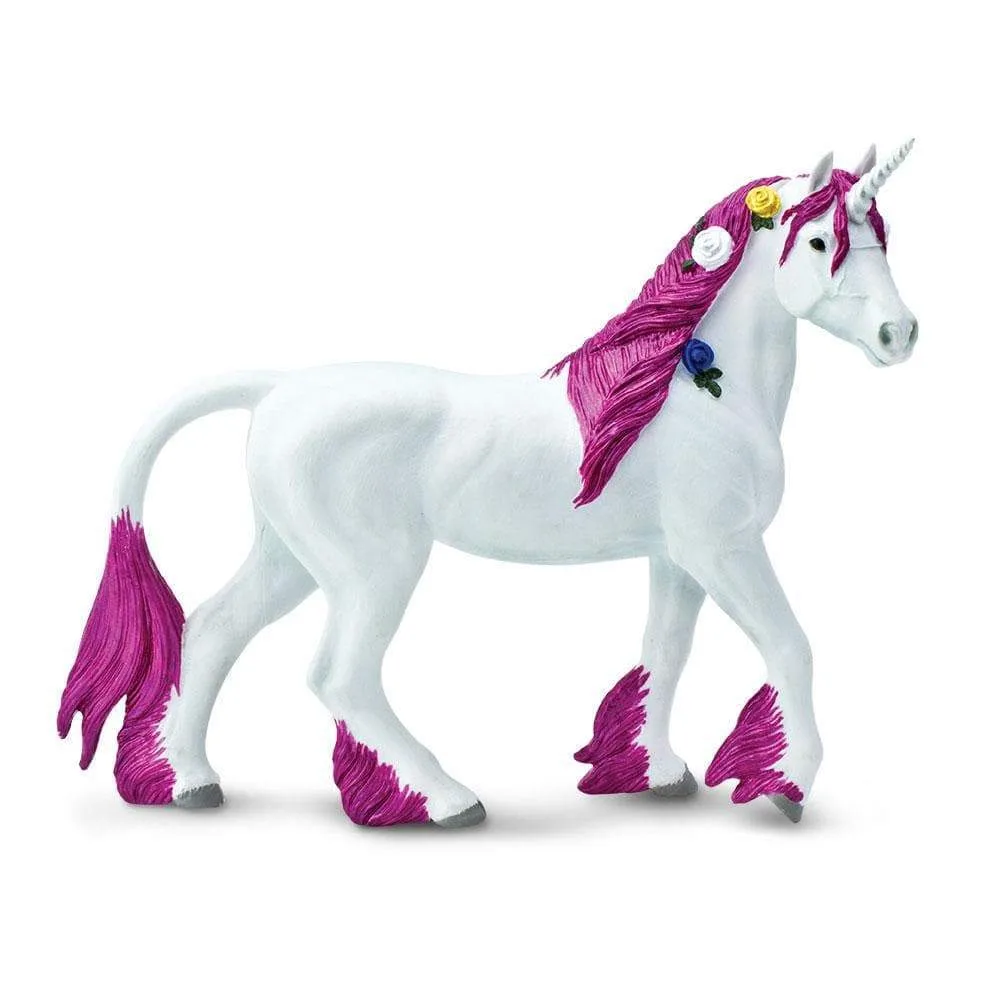
Pink Unicorn
- Keep one open-ended set and one instruction-based set available so kids can choose their mood.
- Add a few small figures to a building set to encourage storytelling after the build is done.
The trade-offs at a glance
- Stability vs. open-ended freedom: Magnetic blocks hold their shape, so builds stay up and kids stay encouraged. Classic blocks do not hold, so every build depends on balance and gravity. Pick magnetic if frustration ends play. Pick blocks if you want the challenge itself to be the lesson.
- Cost per piece vs. cost per successful build: Wooden blocks are typically cheaper per piece and last for years. Magnetic sets cost more because each piece contains magnets, and missing tiles reduce what you can build. Start with blocks on a tight budget, then add magnetic pieces once you know your child enjoys building.
- Quiet, slow play vs. fast, satisfying play: Block play is quiet and gradual, often with crashes along the way. Magnetic play is quick and clicky, with near-instant results. Match the toy to your child's temperament and to the noise level your household can tolerate.
Building toys worth knowing about
- Friendly Aliens Designer TOOB®: This set includes 6 alien mini figurines: The Slug Alien, the Purple Alien, the Spider Alien, the Cattopus Alien, the Huggy Alien, and the Hand Alien. Small figures give block and tile builds a story to serve, which keeps kids building after the first tower is finished.
- Pink Unicorn: The pink unicorn is described as the spirited branch of the unicorn family, with bright-colored manes passed from generation to generation. A character like this turns a plain block structure into a stable, castle, or hidden grove, adding pretend play to building time.
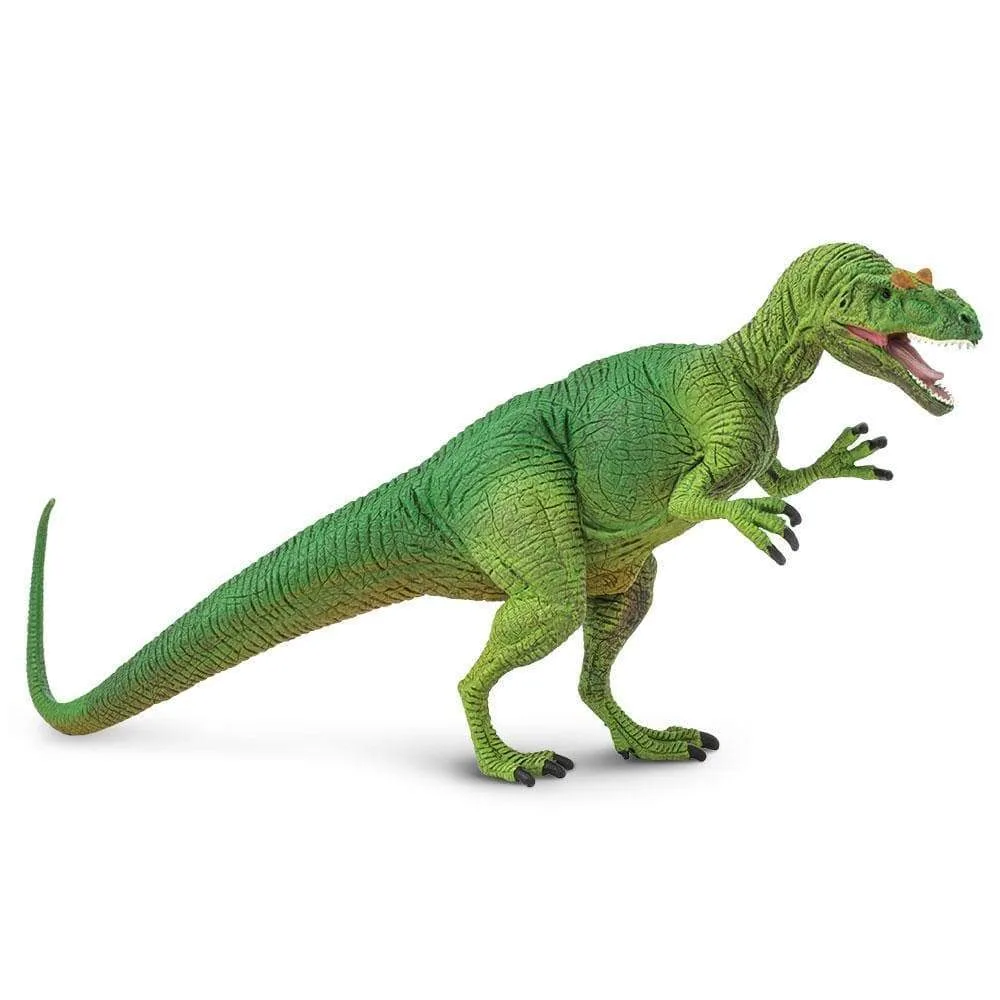
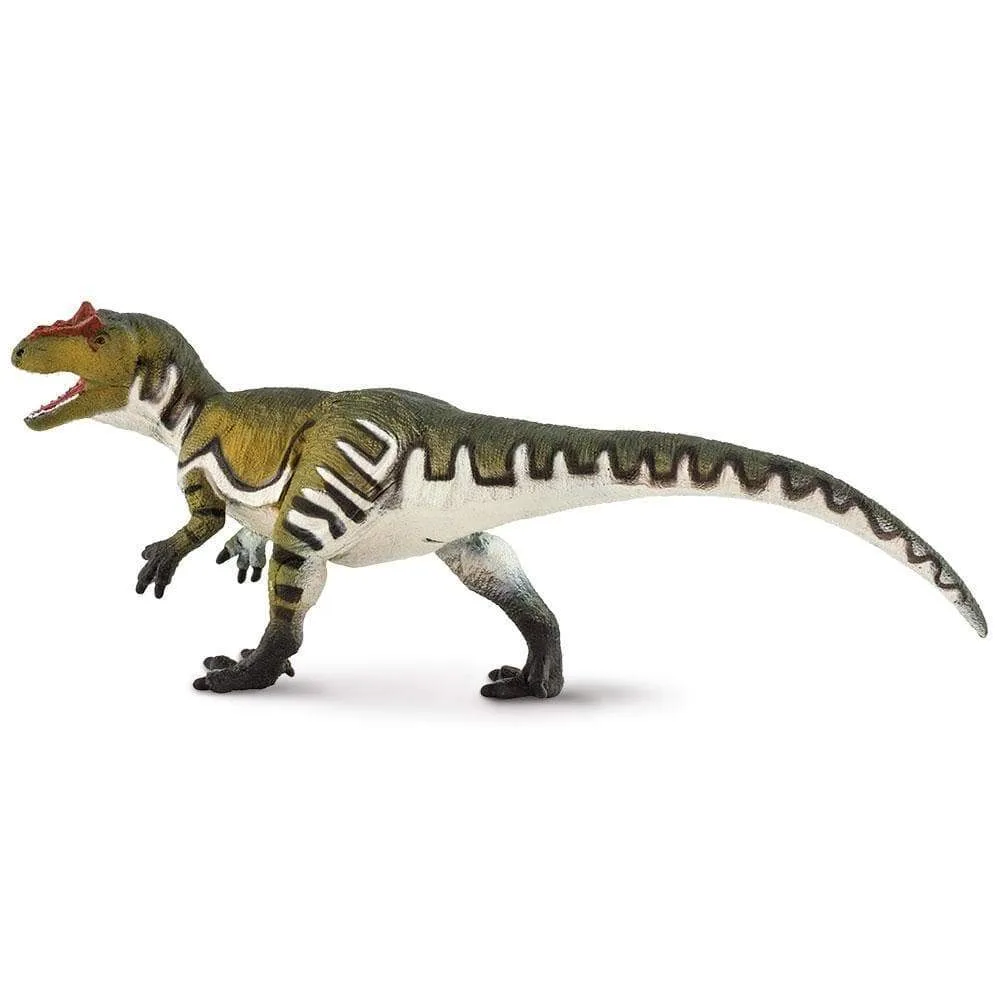
- https://safariltdexn.com/products/wild-safari-prehistoric-world-allosaurus-figurines-2849-1ebbd2fd50472690040490f9-1379072Allosaurus Toy: Allosaurus was one of the best known large carnivorous dinosaurs from North America and Europe and hunted during the Jurassic, around 150 million years ago. Dinosaur figures pair naturally with block habitats, so a building set can double as a prehistoric landscape for older kids.
Which building toy fits your child?
Best for
- Toddlers and preschoolers who are still learning to stack, balance, and knock things down
- Families who want one durable, open-ended toy that works for multiple ages
- Kids who enjoy quiet, self-directed play and loose parts they can combine with figures
Not for
- Children who get upset when a tower falls and abandon the activity
- Households with very limited storage where loose pieces tend to scatter
- Kids who prefer clear instructions and a finished model over open-ended building
There is no single winner in the building blocks vs magnetic blocks decision. Blocks reward patience and teach balance; magnetic blocks reward ideas and keep frustration low. If you can only buy one, choose based on how your child handles a falling tower. If you can buy two, keep both on the shelf and let the play decide.