Quick answer
Buy individual pieces when you need a small number of specific tiles to finish a layout or fix a weak spot in your collection. Buy a set when you need a full room or a repeatable building block. For the tightest budget, start with one or two versatile singles such as Corner A (Unpainted) or Diagonal Hip Roof - Green (Painted), then add a discounted set only when it solves a problem singles cannot.
A dungeon table does not have to start with a big box. Individual pieces let you buy exactly the tiles you are missing, so your money goes toward the layout you actually run instead of a pile of extras.
The trade-off is planning. Singles are efficient only when you know what role each piece plays. This guide gives you decision rules for choosing between singles and sets, plus concrete pieces that earn their place in a budget build.
Why individual pieces work for a budget build
Sets are priced and packed for a complete scene. If you only need one more corner, one more wall with an insert slot, or a single roof, a set can force you to pay for pieces you already own. Individual pieces let you fill those gaps directly, which is how a collection grows without wasted duplicates.
The catch is that singles rarely cover a whole encounter on their own. Treat them as finishing tools: they make an existing layout work better, but they are not a substitute for a core of walls and floors. Budget builders get the most value by buying a small core first, then using singles to adapt it.
- Write down the exact piece you keep wishing you had during play, then buy only that piece.
- Check whether an unpainted single costs less than the painted version and whether you are willing to paint it.
Where to spend first: pieces that do the most work
Some pieces appear in almost every layout. Corners close rooms, walls with insert slots let you change a facade without buying a new building, and a distinctive roof or stair piece turns a plain room into a memorable location. These are the singles worth buying early because they multiply the usefulness of tiles you already own.
Decorative or highly specific pieces are better saved for later. They look great but solve fewer layout problems per dollar. If your budget is tight, ask whether a piece can appear in at least three different encounters. If not, it is a reward purchase, not a foundation purchase.
- Prioritize pieces that connect or close other pieces over pieces that only decorate.
- A single insert-slot wall can change the look of a fortress more cheaply than buying a second building.
When a discounted set beats buying singles
Sets become the better deal when you need several copies of the same piece or a full room in one purchase. A discounted set can cost less than assembling the same coverage from individual pieces, especially when the set is a closeout or a fill-in pack for an existing pledge.
The decision rule is simple: if you need three or more pieces from the same set, compare the set price against the singles you would otherwise buy. If the set is cheaper and you will use most of its contents, take the set. If you would use only one or two pieces, stay with singles.
- Count the pieces you would genuinely use, not the pieces you might use someday.
- Retiring sets can disappear, so buy a set you need before it sells out rather than waiting for a future restock.
Painted versus unpainted on a tight budget
Unpainted pieces usually cost less and let you match your existing paint scheme, but they require time and supplies. Painted pieces cost more upfront and save you a weekend of work. Neither choice is wrong; the right one depends on whether your limited resource is money or hobby time.
A practical middle path is to buy unpainted for pieces you will use in large numbers and painted for centerpiece pieces where the finish matters most. That keeps the budget low without leaving a half-painted table in the middle of a campaign.
- If you already own paint and brushes, unpainted singles stretch a budget further.
- If you have no paint setup, factor the cost of paint and time into the comparison before choosing unpainted.
How to plan a piece-by-piece purchase order
Start with the encounter you run most often, such as a small dungeon room or a gatehouse. List the pieces required to build it, then buy the missing ones as singles. Once that layout works, add one new capability at a time, such as elevation, a second room, or an exterior wall.
This order keeps spending tied to actual play. It also prevents the common budget mistake of buying a large assortment that does not fit together. If you track what you own and what you still need, each purchase has a clear job.
- Build one complete small layout before expanding to a second one.
- Keep a wish list ranked by how often you would use each piece.
Decision rules for budget dungeon terrain
- Need one or two specific pieces: Buy individual pieces. You avoid paying for duplicates and put money only into the gap in your layout. Checkpoint: if the piece appears in at least three planned encounters, buy it now.
- Need three or more pieces from the same set: Compare the set price against the singles total. A discounted set often wins when you will use most of its contents. Checkpoint: if you would use less than half the set, stay with singles.
- Limited money, some hobby time: Choose unpainted singles for high-count pieces and painted pieces only for centerpieces where the finish matters. Checkpoint: include paint and brush costs in the comparison before deciding.
- Limited time, some money: Choose painted pieces so the table is ready to play. Paying more upfront replaces the hours you would spend painting. Checkpoint: buy painted for the pieces you use every session.
- Filling out an existing pledge or collection: Look for closeout or fill-in sets that target missing and low-quantity pieces instead of starting a new collection. Checkpoint: retiring sets can sell out, so buy the fill-in set while it is available.
Pieces and sets that fit a budget plan
- Corner A (Unpainted): Catalog price USD 2.12, compared with a catalog comparison price of USD 4.23. A low-cost way to close rooms and connect wall runs, so a few dollars can make an existing layout playable.
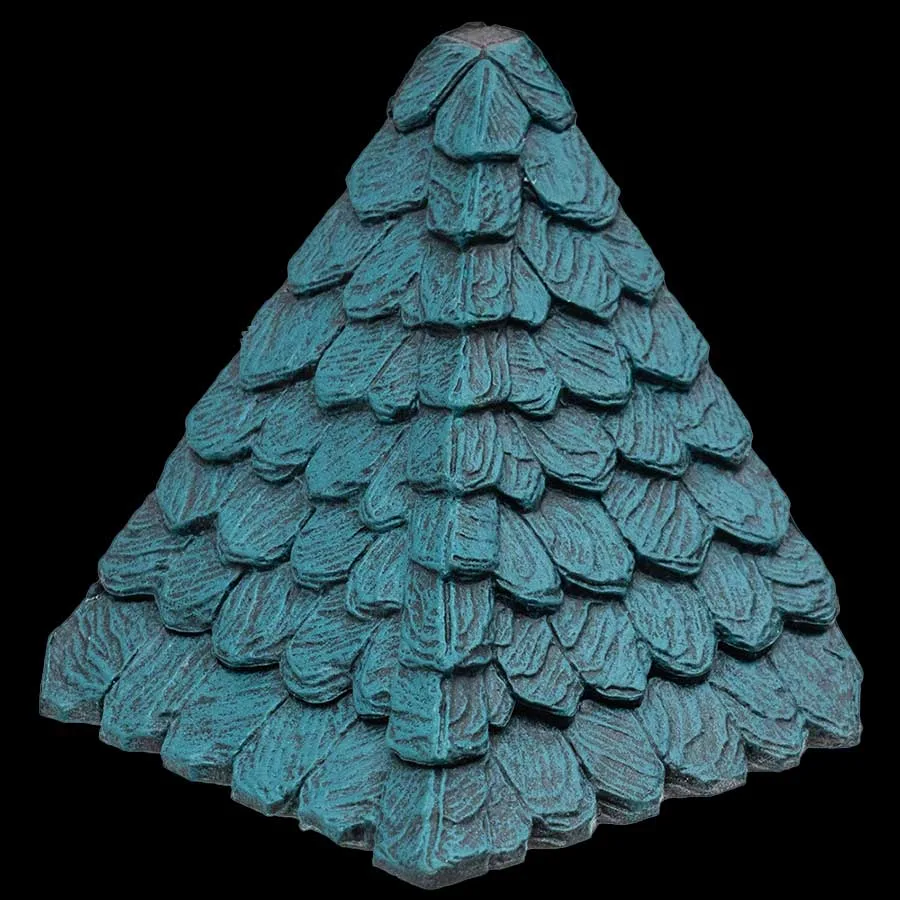
- Diagonal Hip Roof - Green (Painted): Catalog price USD 7.22, compared with a catalog comparison price of USD 14.43. Compatible with biscuits and pegs, which are not included. A painted roof single that finishes a building without buying a full roof set, though you need biscuits and pegs on hand to use it.
- Alpha Window Wall (Painted): Catalog price USD 10.70, compared with a catalog comparison price of USD 21.39. Compatible with biscuits and pegs, which are not included. Adds a window feature to an existing wall for less than a full building set, useful when you want variety without new footprint.
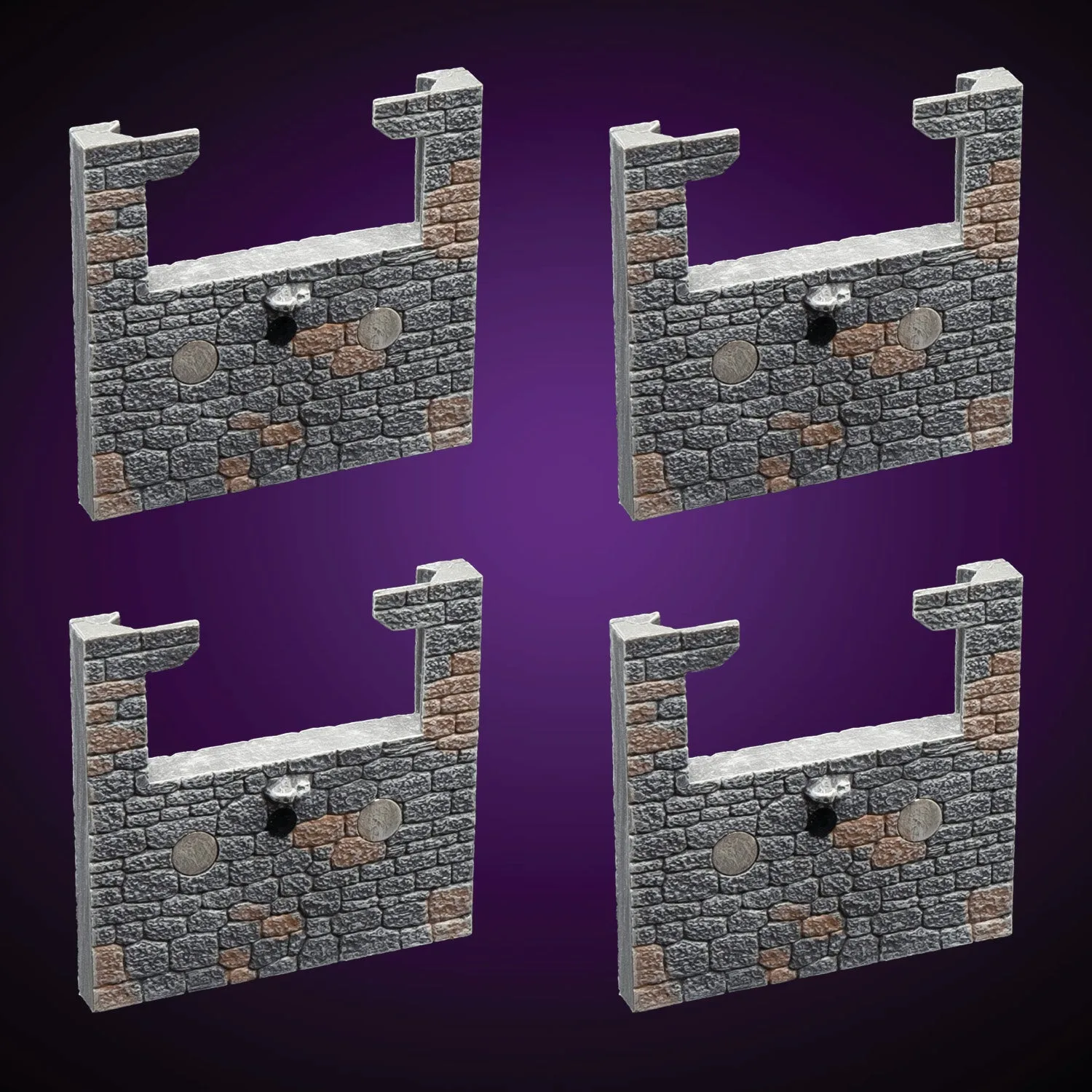
- Modular Wall of Doom (Painted): Each Modular Wall replaces one standard 4-inch castle wall, interior or exterior. The set contains 4 pieces, including the 4-WS-015 Insert Slot Wall 4. Lets you add doors, windows, and balconies to a fortress by swapping walls you already have, which can be cheaper than buying a new building.
Is piece-by-piece buying right for you?
Best for
- Builders who already own some walls or floors and need specific pieces to finish layouts
- Gamers who want affordable Dwarvenite terrain and are willing to plan purchases around actual encounters
- Hobbyists who paint their own terrain and want to lower cost per piece
Not for
- New players who need a complete, playable room immediately and have no core pieces yet
- Buyers who want a single purchase to cover many different encounter types
- Collectors who prefer matching painted sets and do not want to assemble coverage piece by piece
Budget dungeon terrain is less about finding the cheapest piece and more about buying the right piece at the right time. Start with the singles that close rooms and connect walls, add a discounted set only when it replaces several singles, and let each purchase solve a problem you actually have at the table.