Quick answer
Buy bullet connectors when you need a compact, reusable inline joint that locks into a mating socket or receptacle; buy banana plugs when you need a single-pole plug that pushes into a binding post or panel jack. For most hobby speaker and bench wiring, a 10 set connector pack of gold plated banana plugs plus a small bullet assortment covers both jobs. Match the barrel diameter, wire gauge, and plating to your project before you buy.
Bullet vs banana: the shape that decides the job
A bullet connector is a male pin with a rounded nose that slides into a matching female receptacle, usually as an inline pair for a wire-to-wire joint. A banana plug is a single-pole plug with spring leaves or a solid barrel that pushes into a binding post, panel jack, or speaker terminal. The physical interface is different, so they are not interchangeable even when the nominal size sounds similar.
Choose bullet connectors for harnesses, motor leads, and speaker runs you want to disconnect without unsoldering. Choose banana plugs for bench power supplies, amplifier outputs, and test leads where you plug into a socket rather than join two wires. If your device has a binding post, a banana plug is the direct fit; if it has a wire tail or a bullet receptacle, a bullet connector is the direct fit.
- Bullet: inline male/female pair, compact, often crimped.
- Banana: single-pole plug into a jack or binding post, often soldered or screw-fixed.
- Measure the mating part before buying; nominal sizes vary between brands.
Crimp or solder: pick by how often you rework
Bullet connector crimping is fast and repeatable when you have the right crimp tool and the correct terminal size for your wire. A proper crimp forms a gas-tight joint without heat, which matters near plastic housings or already-populated boards. The trade-off is that a bad crimp with the wrong die or too-large wire can pull loose, so test each joint with a gentle tug before you bundle the wires.
Soldering gives a solid, low-resistance joint and is the usual method for banana plugs that use a solder bucket. It takes longer, needs heat management, and is harder to redo in tight spaces. If you plan to swap connectors often, crimp; if you want the smallest, most permanent joint, solder. For bench wiring where you may change tips, a screw-fixed banana plug can split the difference.
- Crimp: fast, no heat, needs matched tool and terminal.
- Solder: permanent, low resistance, needs heat control.
- Screw-fix: reworkable, but check the screw tension periodically.
Plating, pack size, and what the numbers mean
Gold plated banana plugs resist corrosion and keep contact resistance stable in humid or frequently mated setups, which is why they are common on bench and audio gear. Plain brass or nickel plating costs less and is fine for dry, low-cycle connections. Plating does not fix a loose fit; the mechanical size and spring tension do the real work.
Pack size is a practical decision. A 10 set connector pack is usually the right starting point if you are wiring a pair of speakers and a bench lead, because you get spares for mistakes. Smaller packs suit a single repair. Before ordering, confirm the wire gauge range, the barrel or pin diameter, and whether the connector is male, female, or a pair. If a listing does not state a specification you need, treat that as a limitation and ask before buying rather than assuming.
- Gold plating: better for humid rooms and repeated mating.
- Nickel or brass: fine for dry, set-and-forget joints.
- 10 set pack: good default for speaker plus bench projects.
- Missing spec: ask, do not guess.
Speaker and bench wiring: two different fit checks
For speakers, the fit check starts at the terminal: measure the binding post or the existing plug, then confirm the wire gauge you plan to use. A 1W 8 Ohm loud speaker with a self-adhesive gasket is a small driver, so heavy-gauge wire and large banana plugs are overkill; keep the connector light so it does not stress the terminal. For bench wiring, the fit check is the jack: a 2.1mm DC power male plug connector is a different interface from a banana jack, so do not mix them even if both are round.
When you build a set, label both halves of each bullet pair before you crimp. Once the housing is on, it is hard to see which wire is positive. For banana plugs, check that the spring leaves are not bent and that the plug seats fully without forcing. A connector that wobbles will give intermittent readings on a bench supply and can damage a speaker terminal over time.
- Measure the mating jack or post, not just the connector.
- Match wire gauge to the terminal range.
- Label polarity before assembly.
- Reject any plug that wobbles or needs force.
Decision rules for buying bullet and banana connectors
- Rule 1: Match the interface, not the size: If the mating part is a binding post or panel jack, buy a banana plug. If it is a wire tail or bullet receptacle, buy a bullet connector. A 3.5mm bullet and a 3.5mm banana are not the same fit. Checkpoint: confirm the mating part before adding to cart.
- Rule 2: Choose crimp for rework, solder for permanence: Crimp bullet connectors when you need speed and no heat. Solder banana plugs when you want the smallest joint. Use screw-fix only if you accept periodic re-tightening. Checkpoint: own the right crimp tool before buying crimp terminals.
- Rule 3: Buy plating for the environment, pack size for the project: Gold plated banana plugs suit humid rooms and repeated mating. A 10 set connector pack covers a speaker pair plus bench leads; a smaller pack suits one repair. Checkpoint: if a spec is missing, ask before buying.
Parts that fit these jobs
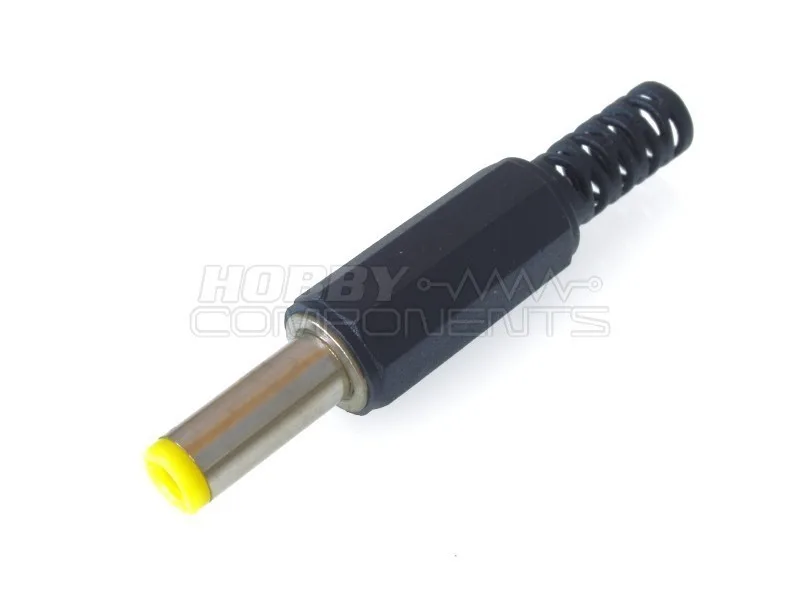
- 2.1mm DC Power Male Plug Connector: 2.1mm DC Power Male Plug Connector with a 2.1mm inner diameter, plastic and metal construction, and solder connections. Useful when your bench project needs a DC barrel power joint rather than a banana or bullet interface; the solder tabs suit permanent wiring.
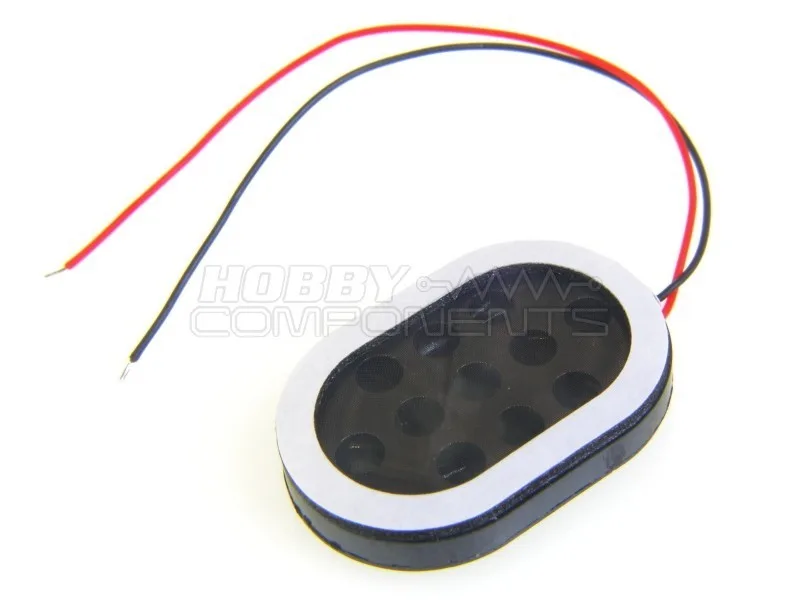
- 1W 8 Ohm loud speaker with self adhesive gasket: 1W 8 Ohm loud speaker with a self-adhesive gasket and colour-coded tinned leads. A small speaker like this pairs best with light-gauge wire and compact connectors, so you avoid straining the terminals.
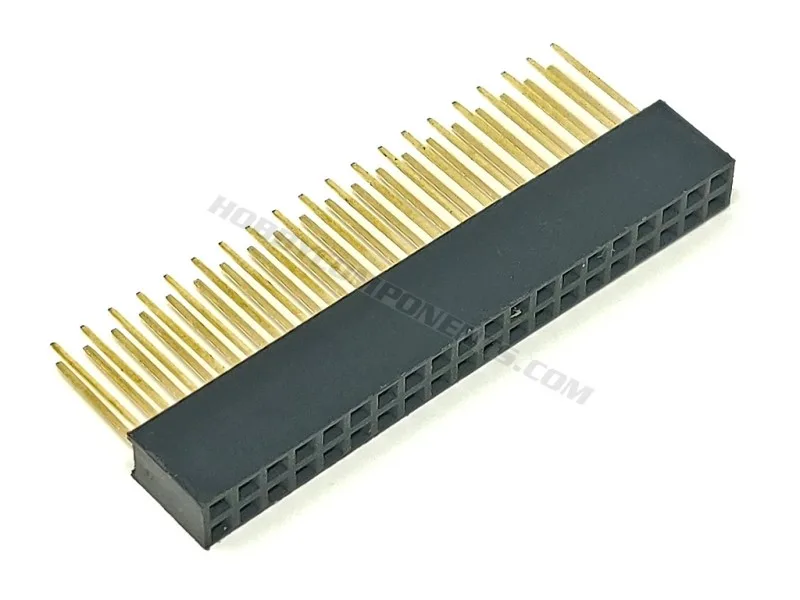
- 40 Way (2 x 20) IDC Double Female Header: 40 Way (2 x 20) IDC Double Female Header with 2.54mm pitch, 19.5mm overall height, 11mm pins, and suitability for Raspberry Pi models with a 40 pin GPIO header. Relevant when your speaker or bench build also needs a board-to-board or ribbon connection; it is a different interface, so do not confuse it with audio connectors.
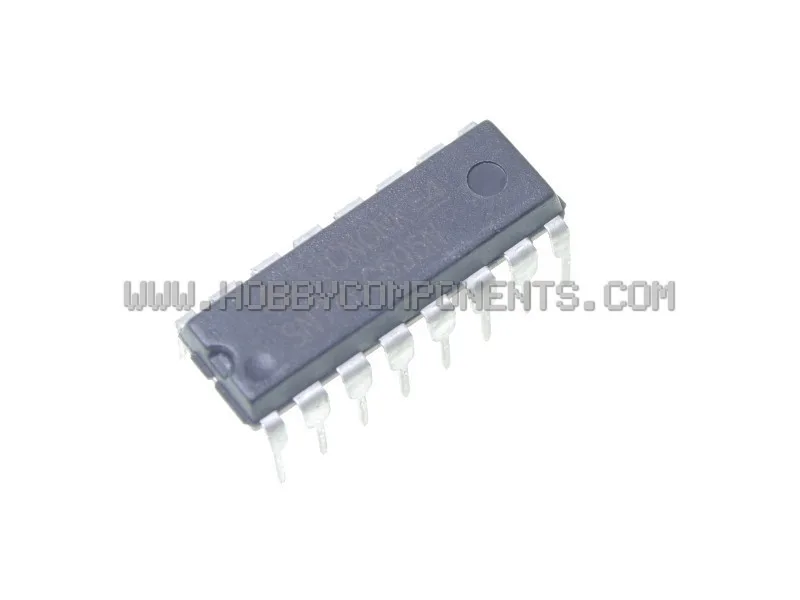
- 74HC595 8 bit Serial Shift Register (DIP 16) (Pack of 5): 74HC595 8 bit Serial Shift Register (DIP 16) in a pack of 5, with a datasheet on the support forum and manufacturer subject to change. Useful if your bench setup drives indicator LEDs or logic outputs alongside audio wiring; the DIP package suits breadboard and through-hole builds.
Who should buy which
Best for
- Hobbyists wiring speakers, test leads, or bench power runs who need a reusable inline or plug connection.
- Anyone building a kit with a 10 set connector pack who wants spares and consistent plating.
- Projects that mix audio and logic wiring and need clear interface choices.
Not for
- Mains voltage wiring, which needs certified connectors and enclosures, not hobby plugs.
- High-current battery or motor circuits where the connector current rating is unstated.
- Anyone who cannot confirm the mating jack or post size before buying.