Quick answer
If your dog pulls, has sensitive skin, or wears a collar all day, a neoprene padded dog collar is usually the more comfortable choice than a plain flat nylon collar. The Bully Tuff comfort dog collar is built around that padding idea, but the right pick still comes down to measuring your dog's neck correctly and matching the collar's adjustment range to that number. A padded collar for dogs helps most when the fit is snug enough not to slide and loose enough to slip two fingers underneath.
Collars are one of those purchases you make once and then live with every single day, so the difference between a collar that works and one that rubs is mostly about padding, width, and fit. This comparison looks at the Bully Tuff comfort dog collar against a typical neoprene padded dog collar, and explains how to size an adjustable dog collar for large dogs without ordering the wrong thing twice.
The honest trade-off is simple: padded collars cost more and can hold water or dirt longer than bare nylon, but they spread pressure across the neck instead of concentrating it on a thin strip. If your dog is a strong puller, a senior with thinner coat or skin, or simply wears a collar 24/7, that padding earns its keep. If your dog swims in muddy water weekly and you want something you can hose off in seconds, plain webbing may still be the smarter pick.
What the Bully Tuff comfort dog collar is actually for
A comfort dog collar is designed around daily wear rather than training or heavy pulling. The padded layer sits between the webbing and your dog's neck, which reduces the friction that causes bald patches and redness on the throat area. That matters most for large dogs because their collars are wider and heavier, and a heavy collar with no padding transfers every tug straight to the skin.
The Bully Tuff comfort dog collar fits that description: it is a padded collar for dogs that prioritizes everyday comfort. What it is not is a replacement for a harness during leash training. If your dog lunges at squirrels, no collar, padded or not, is the right tool for controlling that. Use the collar for identification and casual walks, and step up to a harness or head halter for serious pulling.
- Padded collars reduce rubbing on short-coated and senior dogs.
- A collar is not a training tool for hard pullers; that is harness territory.
- Check the collar weekly for fraying at the buckle and D-ring.
Bully Tuff vs a standard neoprene padded dog collar
Neoprene is the common padding material because it is soft, slightly stretchy, and dries faster than foam or fleece. A neoprene padded dog collar typically has a smooth outer layer and a cushioned inner layer, which makes it a good middle ground between a bare nylon collar and a full fleece-lined collar. The trade-off is that neoprene can trap heat against the neck in hot weather and can hold onto odors if it stays damp.
The Bully Tuff comfort dog collar takes the padded approach and aims it at large dogs, where the extra width distributes pressure better than a narrow collar. Compared with a cheap flat nylon collar, you get noticeably less edge friction. Compared with a fleece-lined collar, you get something that resists dirt and water better. Neither option is universally better; it depends on your dog's coat, climate, and how often the collar gets wet.
- Neoprene dries faster than fleece but can feel warm in humid climates.
- Wider collars spread pressure better on large breeds.
- Wash padded collars by hand and air dry to protect the padding layer.
How to measure for an adjustable dog collar for large dogs
Measure your dog's neck with a soft tape measure, snug but not tight, right where the collar normally sits, usually just behind the ears and above the shoulders. Add about two inches to that number to get your target collar size, then check that the collar's adjustment range includes that target in the middle of the range, not at the very end. A collar adjusted to its last hole is more likely to slip or fail under load.
For large dogs, width matters as much as length. A one-inch collar is fine for a forty-pound dog, but a dog over eighty pounds generally does better with a wider collar that will not dig in. Also confirm the buckle type: plastic side-release buckles are lighter and easier to clip, while metal buckles last longer but add weight. Whichever you choose, the fit rule stays the same: two fingers should slide under the collar, and it should not rotate freely around the neck.
- Measure at the collar's normal resting position, not the widest part of the neck.
- Aim for the middle of the adjustment range, not the last hole.
- Recheck fit after a bath or a grooming session, since coats compress.
Where padded collars fall short
Padding is not free. A padded collar costs more than a basic webbing collar, takes longer to dry, and needs more careful cleaning because the padding layer can absorb sweat and dirt. Dogs that swim daily in lakes or pools are often better off with a quick-drying webbing or rubberized collar that you can rinse and wipe. Dogs with very thick double coats may also find padding unnecessary, since their fur already cushions the neck.
There is also a safety angle. Any collar, padded or not, can catch on crate bars, fence posts, or branches. If your dog is crated or left in a yard with obstacles, consider a breakaway collar or removing the collar indoors. Comfort features do not change that basic risk, so match the collar to the environment, not just to the dog.
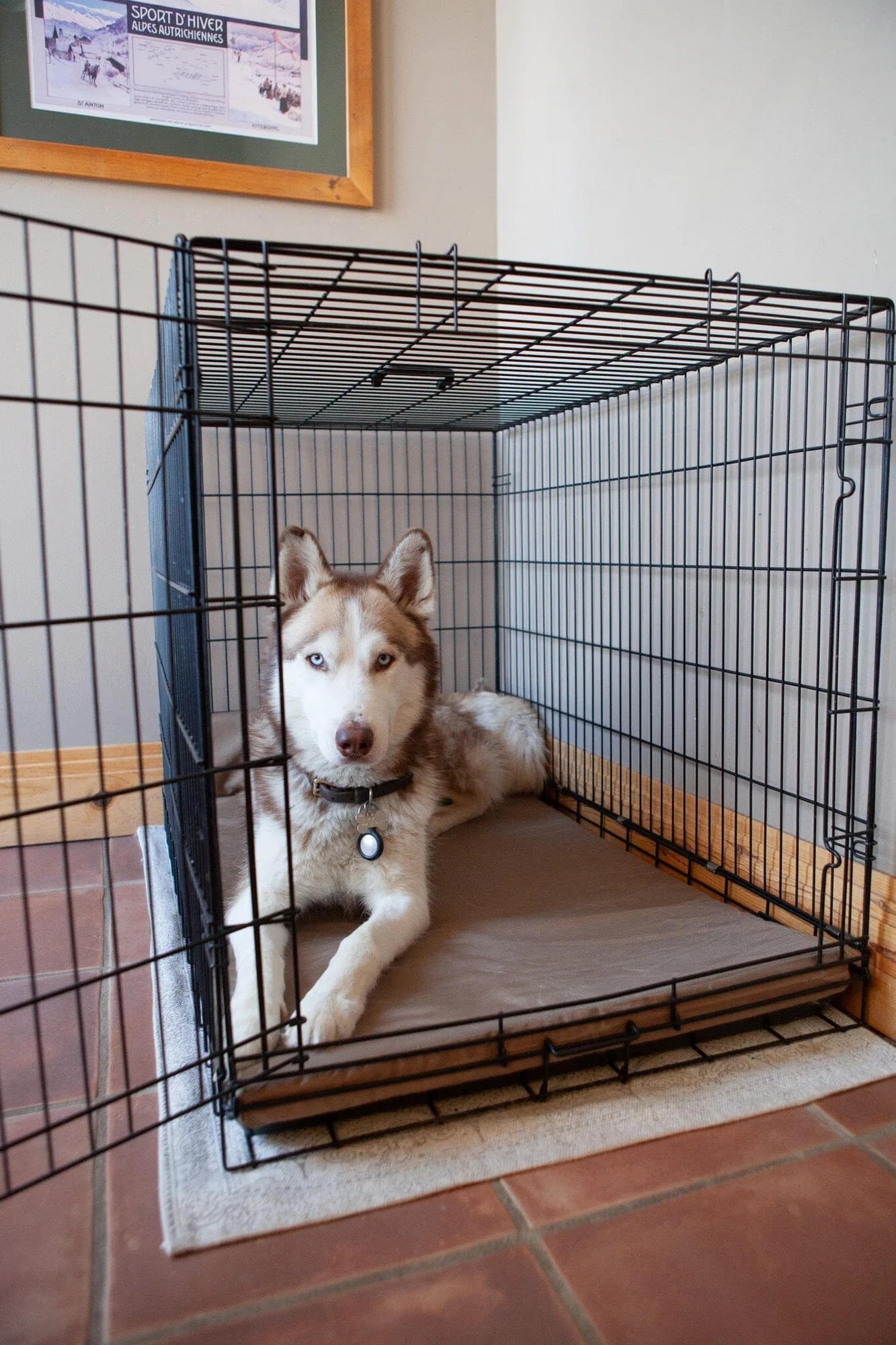
- Remove collars before crating to prevent snagging.
- Rubberized or webbing collars dry faster for frequent swimmers.
- Double-coated breeds may not need padding at all.
Trade-offs to weigh before you buy
- Comfort vs drying time: A padded collar reduces friction on the neck, but the padding layer holds moisture longer than bare webbing after rain, swimming, or a bath. Choose padding for daily wear; choose webbing or rubberized material for a dog that is wet most days.
- Width vs weight: Wider collars spread pressure better on large dogs, but they add bulk and can feel heavy on a dog with a thin coat or a slender neck. Match width to body weight, not to breed reputation.
- Adjustability vs security: A collar adjusted near the end of its range is more likely to slip or pop open under a hard pull than one adjusted near the middle. Measure first, then buy the size whose middle range matches your dog's neck.
- Everyday collar vs training tool: No padded collar is designed to manage serious pulling or lunging; that job belongs to a harness or head halter. Keep the collar for ID and calm walks, and use separate equipment for training.
Catalog facts that affect your choice
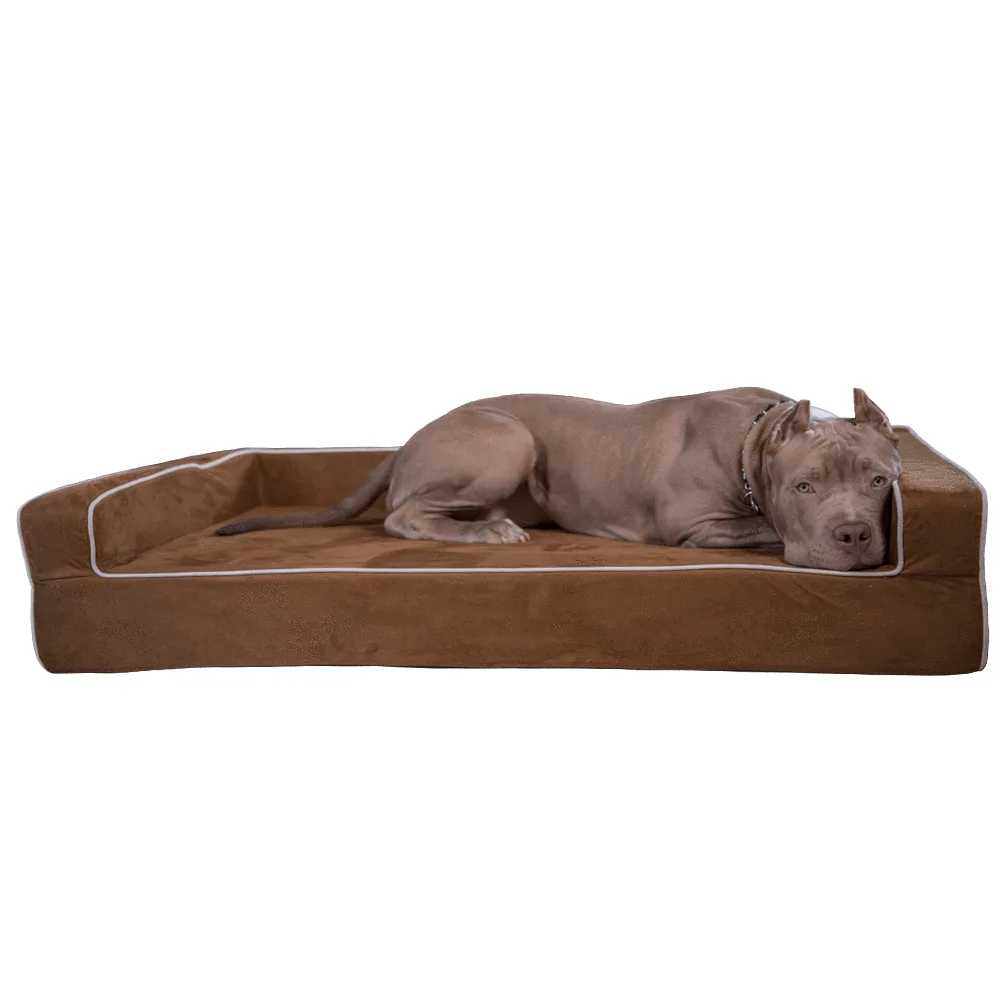
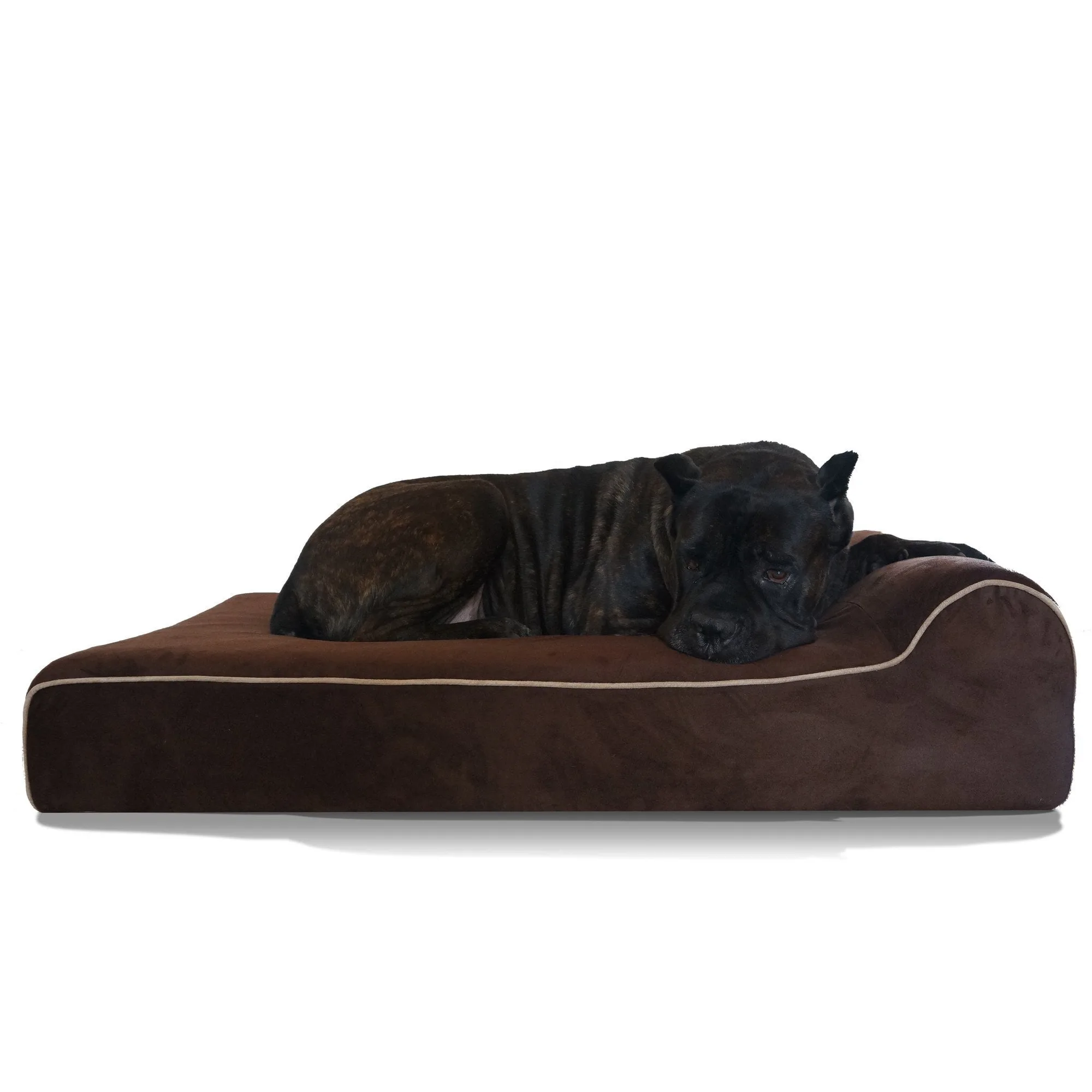
- Original Bully Bed - Large Orthopedic Dog Bed: Comes in sizes from Medium to XXL with 4.5lb density human grade memory and support foam, and is described as ideal for elderly, large arthritic dogs and those with joint and muscular problems. If your large dog already needs orthopedic support for joints, matching that same size range to a collar purchase keeps your sizing consistent across gear.
- Chew Proof Crate Pad For Dogs (with a 200 Day Guarantee): Designed for dogs over 40 lbs and for dogs that tend to chew, with a 200 day guarantee. A dog that chews through bedding is also likely to chew at a collar, so check hardware and stitching more often on any collar you buy for that dog.
- Orthopedic 3 Sided Dog Bed With Bolsters: Waterproof and washable with human grade 4.5lb density orthopedic memory and support foam, tailored toward large breeds like Great Danes and Mastiffs. Very large breeds need gear sized for their frame; the same logic applies to choosing a wider, properly measured collar rather than a one-size-fits-most option.
Who should choose which
Best for
- Large dogs that wear a collar all day and show redness or thinning fur on the neck
- Short-coated, senior, or sensitive-skinned dogs that rub easily against webbing
- Owners who want one comfortable everyday collar and are willing to hand-wash and air dry it
Not for
- Dogs that swim or get soaked daily, where a quick-drying webbing or rubberized collar is easier to maintain
- Hard pullers that need a harness or head halter rather than any collar
- Dogs that are crated or left near snag hazards, where a breakaway collar or no collar is safer
The Bully Tuff comfort dog collar makes sense when comfort and daily wear are the priority, and a neoprene padded dog collar is a reasonable alternative if you prefer faster drying. Either way, measure your dog's neck, aim for the middle of the adjustment range, and treat the collar as everyday gear rather than training equipment. Get the fit right and the rest is easy.