Quick answer
If you only buy one, choose burp cloths: they cover the shoulder, lap, and feeding surface where spit-up actually lands, and they double as reusable wipes. Bandana bibs are the better second purchase once drooling starts around 3–4 months, because they stay on a moving baby and catch saliva at the chin. Many parents end up with both, but they are not interchangeable.
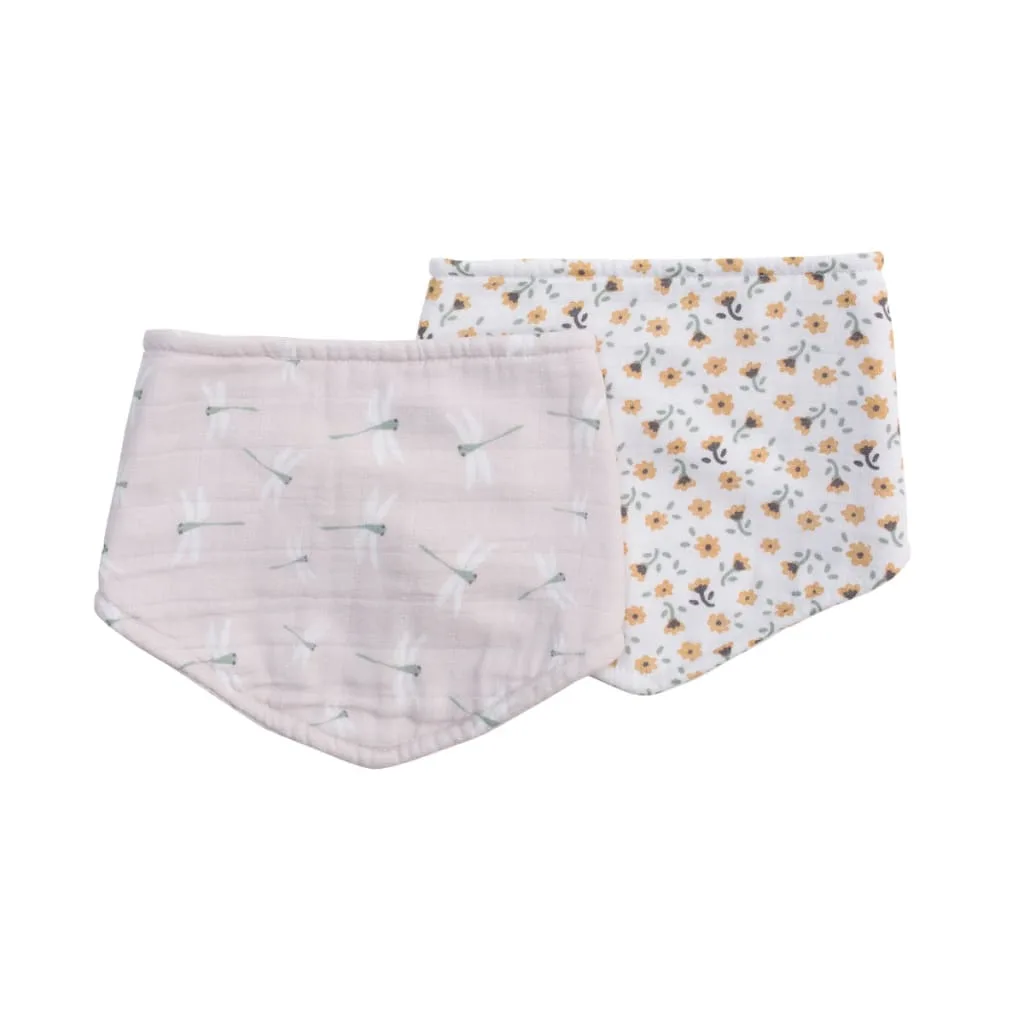
Bandana bibs
What each one actually does
A burp cloth is a flat, absorbent rectangle you drape over your shoulder or lap before a feed. Its job is to catch milk that comes back up during burping, and to wipe faces, necks, and surfaces afterward. Because it is not attached to your baby, you can reposition it mid-feed, fold it to a dry spot, and toss it in the wash without unclipping anything.
A bandana bib is a small, curved cloth that fastens around the neck and hangs in a triangle over the chest. It stays put while your baby moves, which makes it the practical choice for drool that runs all day rather than spit-up that happens in bursts. The trade-off is coverage: a bib protects the chin and upper chest, not your shoulder or the couch.
When burp cloths earn their keep
Newborn feeding essentials are built around frequency. In the first three months, you may feed eight to twelve times a day, and spit-up often follows each burp. A burp cloth within arm's reach of every feeding chair, bassinet, and diaper bag saves you from changing your shirt at 3 a.m.
Burp cloths also pull double duty. Parents use them as reusable wipe cloths for faces, high chairs, and pump parts, which is why they tend to disappear into the laundry faster than expected. If you are asking do I need burp cloths, the honest answer for most families is yes, and more than the three that come in a typical pack.
When bandana bibs take over
Around the time drooling ramps up, usually before teething, a bib becomes the item you reach for every morning. Bandana bibs for drooling work because they sit against the chin and absorb saliva before it soaks the onesie. That reduces the constant outfit changes that come with a wet chest.
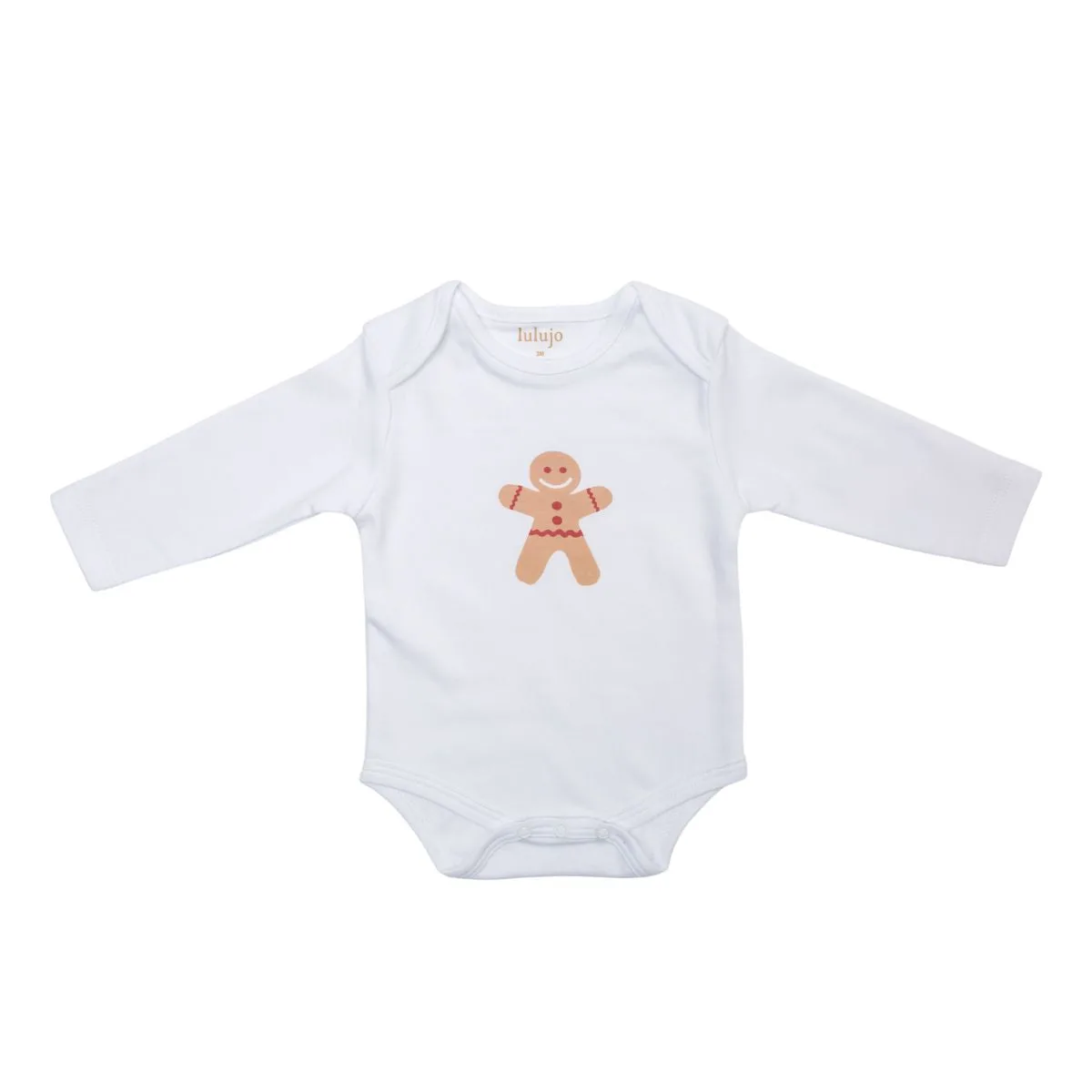
onesie
They are also the more socially convenient option once your baby is sitting up, playing, and being passed around. A bib stays on through wiggling and rolling; a burp cloth left on the shoulder does not. The limitation is capacity: a thin bib saturates faster than a folded burp cloth, so you will go through several in a day.
How many to buy and how to wash them
A workable starting count is six to twelve burp cloths and four to eight bandana bibs. That covers one full day plus a wash cycle without panic, and it lets you keep a spare set in the diaper bag. If your baby spits up heavily or drools constantly, add more rather than washing more often.
Wash both with baby's regular laundry using a gentle, fragrance-free detergent. Skip fabric softener, which coats fibers and reduces absorbency over time. Air-drying or a low tumble keeps cotton and muslin from shrinking, and it helps bibs hold their shape through repeated fastening.
Trade-offs at a glance
- Coverage vs. staying put: Burp cloths cover your shoulder, lap, and the couch, but they slide off and need repositioning. Bandana bibs stay on your baby through movement but only protect the chin and upper chest. Choose burp cloths for feeding surfaces; choose bibs for all-day drool.
- Absorbency vs. convenience: A folded burp cloth holds more liquid before it needs swapping. A bandana bib is easier to put on and take off, so you can change it without undressing your baby. Heavy spit-up favors burp cloths; light but constant drool favors bibs.
- Laundry volume vs. outfit changes: Burp cloths add to the wash pile but save your clothes. Bibs reduce onesie changes but you may go through four or more a day once drooling peaks. Buy enough of whichever one you use most so you are not washing daily.
Products that fit this comparison
- Organic Cotton Wash Cloths: Organic Cotton Wash Cloths are 8" x 8" (20 cm), made of 80% cotton and 20% polyester, and described as extra soft and gentle on delicate skin. These are not burp cloths, but they cover the same reusable-wipe role for faces, necks, and pump parts. The small square size suits detail cleaning, while a larger burp cloth is better for shoulder coverage.
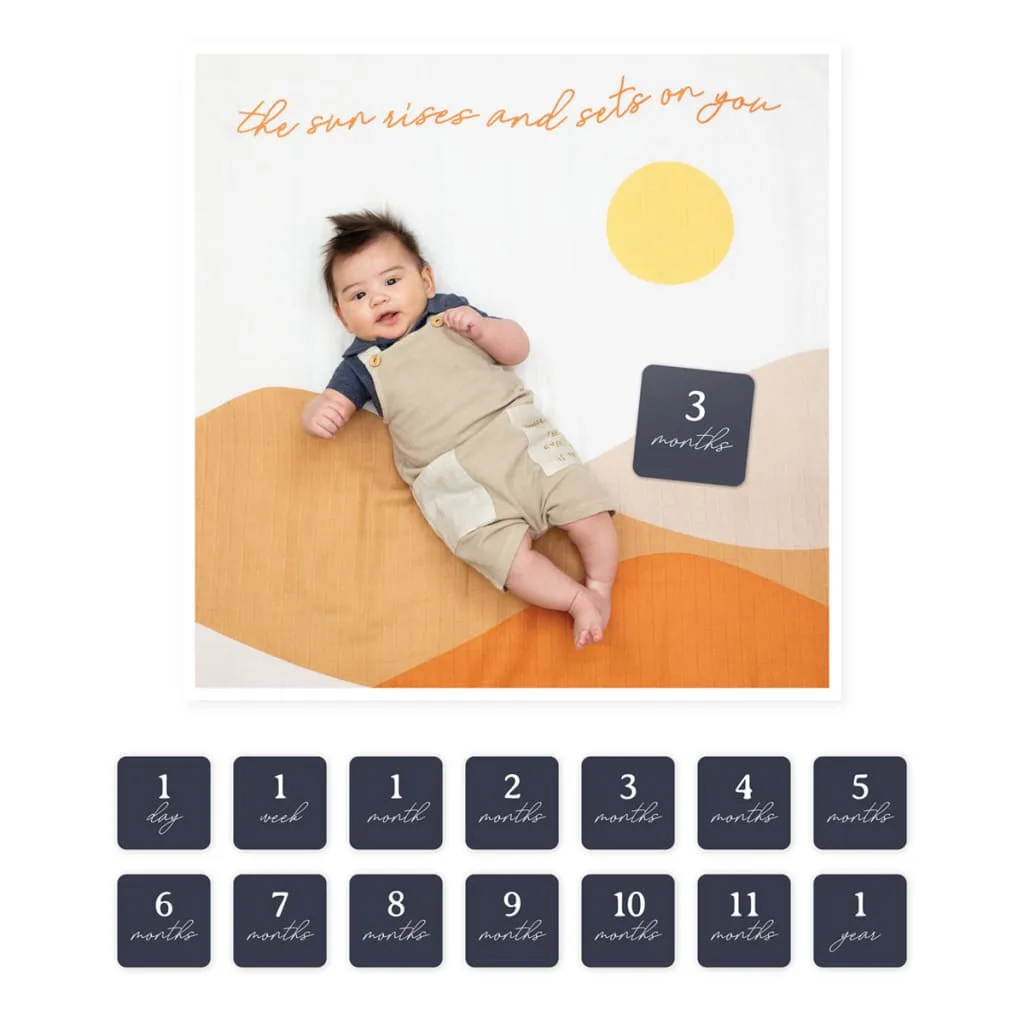
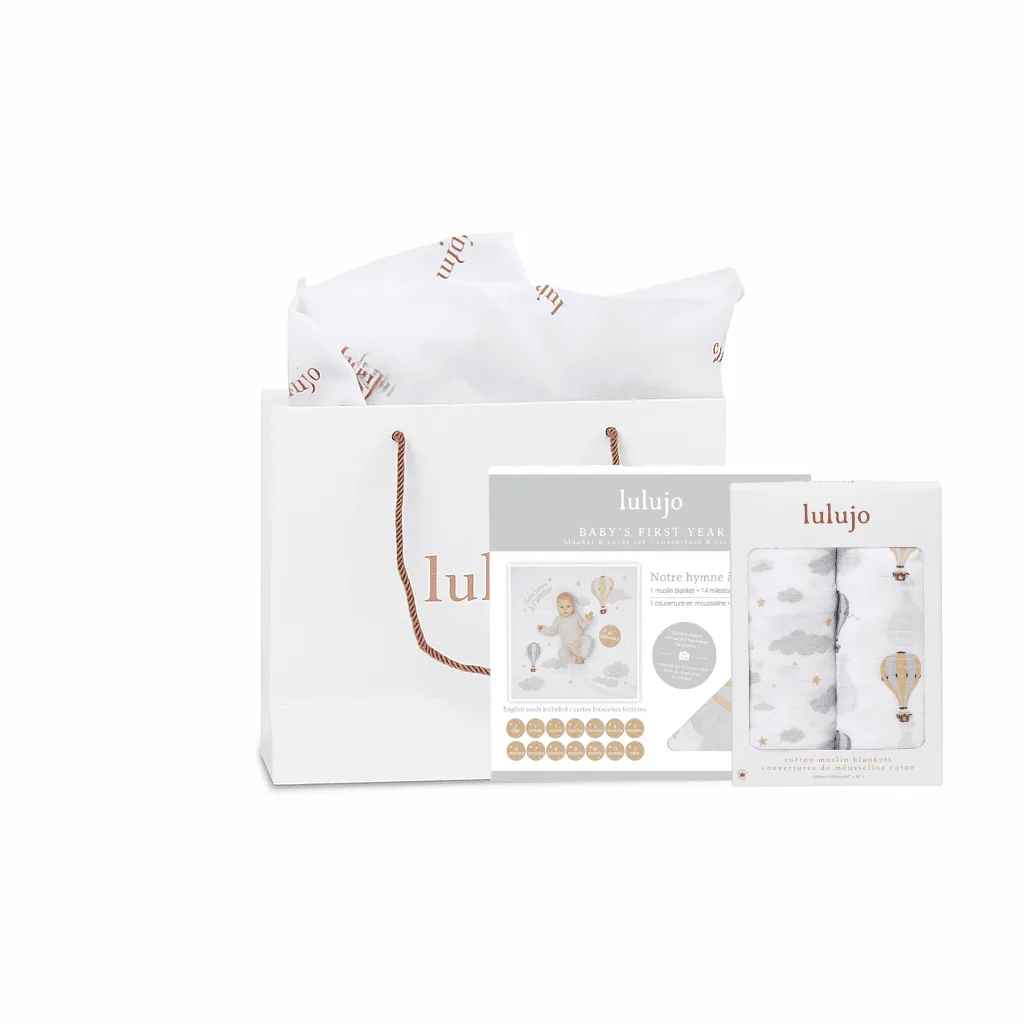
- Notre Hymne a L'amour Gift Bundle: The Notre Hymne a L'amour Gift Bundle includes a milestone blanket set for documenting growth month by month and a 2-pack of Hot Air Balloon & Clouds swaddle blankets. If you are building a newborn feeding and photo setup at once, this bundle covers the milestone photos and swaddling layers. It does not replace burp cloths or bibs, so pair it with absorbent cloths rather than expecting it to handle spit-up.
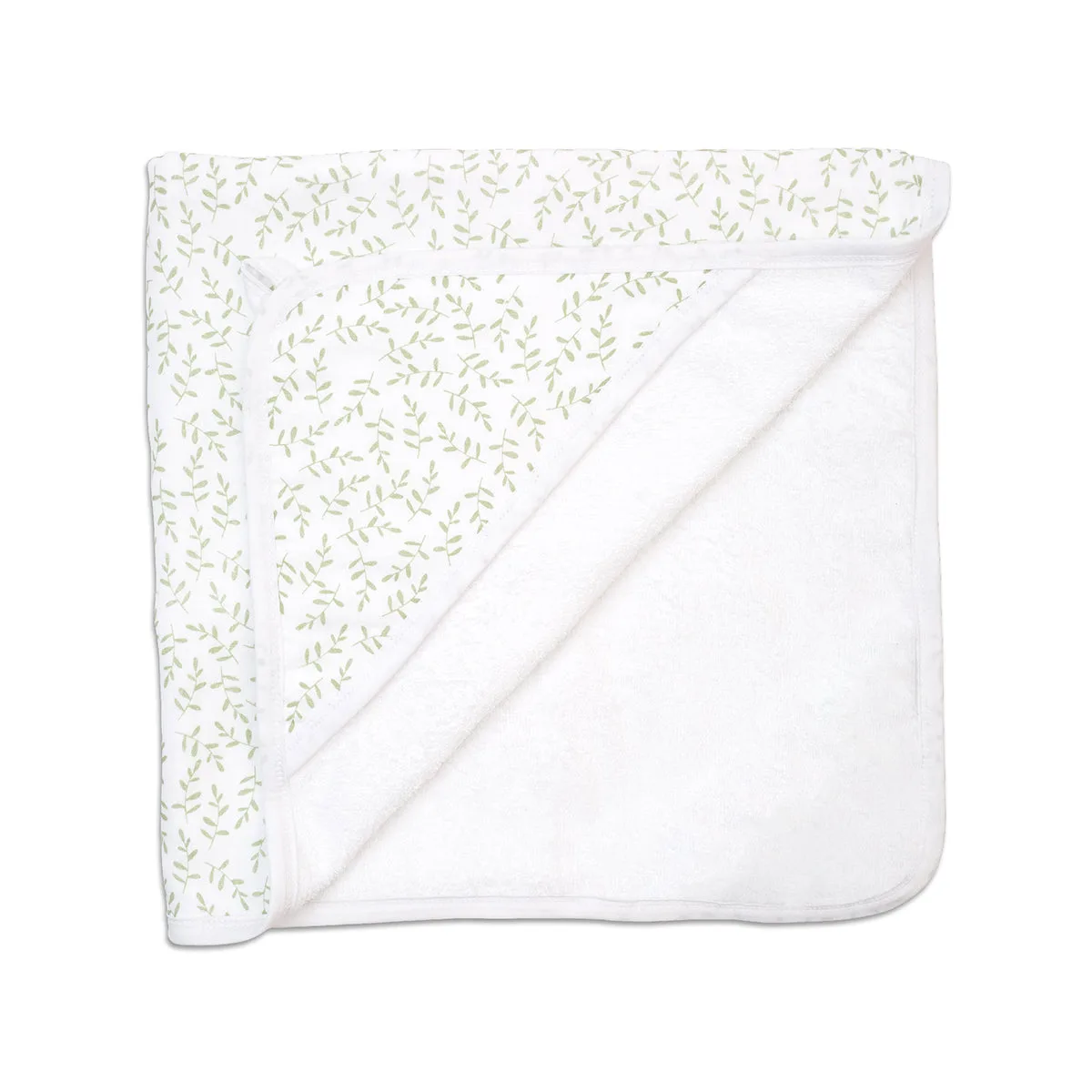
- Hooded Towel: The Hooded Towel has a cozy hood, a hang hook, and a dual-layer design of muslin and absorbent terry cloth, available in multiple prints. Bath time is the other place babies get wet and cold. A muslin-and-terry towel dries quickly and the hang hook keeps it off the floor, which matters when you are juggling a slippery baby and a pile of used cloths.
Which should you buy?
Best for
- Parents of newborns and babies under 3 months who feed frequently and deal with spit-up
- Anyone who wants a reusable cloth for wiping faces, necks, and pump parts
- Caregivers who need a portable cloth for diaper bags and feeding stations
Not for
- Babies who drool constantly and need chin coverage that stays on while moving
- Parents who want a single item to handle both feeding mess and all-day saliva
- Anyone expecting a bib to protect their own shoulder or lap during burping