Quick answer
A bustier is a structured, often underwired top that shapes and supports the bust without tightly cinching the waist; a corset is a rigid, laced garment designed to compress and contour the midsection. Choose a bustier for comfort, versatility, and easy styling; choose a corset when you want dramatic waist definition or a more theatrical silhouette. Most everyday lingerie wardrobes benefit from a bustier first, with a corset as a special-occasion piece.
If you've ever stood in a lingerie aisle wondering whether you're looking at a bustier or a corset, you're not alone. The two terms get used interchangeably, but they serve different purposes, feel different on the body, and call for different styling approaches. Knowing the difference between bustier and corset helps you shop smarter and get more wear out of whatever you bring home.
This comparison breaks down construction, fit, styling, and care so you can decide which piece belongs in your wardrobe. We'll use real examples from Oh La La Cheri to show how these differences play out in practice, and we'll be honest about the trade-offs of each.
Construction and structure: what actually separates them
A bustier is built around the bust. It typically has molded or underwired cups, a fitted bodice that ends around the waist or high hip, and often a hook-and-eye or zipper closure. The goal is lift, shape, and a smooth line under clothing. Boning, if present, is light and flexible. A corset, by contrast, is built around the torso. It uses rigid boning, a laced back or front, and extends from bust to hip to compress the waist and create a curve. The goal is dramatic reshaping, not everyday comfort.
That structural difference shapes everything else. A bustier can be worn for hours, layered under a blazer, or styled as outerwear. A corset is more of a commitment: it takes time to lace, it restricts movement, and it's usually the focal point of an outfit rather than a hidden layer. Neither is better; they're just built for different jobs.
- Bustier: underwire or soft cups, light boning, front closure, ends at waist or high hip.
- Corset: rigid boning, back or front lacing, extends over hips, designed for compression.
- If you want lift without restriction, start with a bustier. If you want waist definition, look at corsets.
Fit and sizing: how to get each right
For a bustier, fit is about the bust first. The band should sit snug against your ribcage without digging, and the cups should contain your breast tissue without spillage or gaping. If you're between sizes, size up in the band and consider adjusting the straps. A well-fitted bustier should feel supportive but not tight, and you should be able to breathe deeply and sit comfortably. The Julia Sheer Lace 3-Piece Bra Set is a good example of a bra set that includes a garter belt and G-string, giving you a coordinated look without the rigidity of a corset.
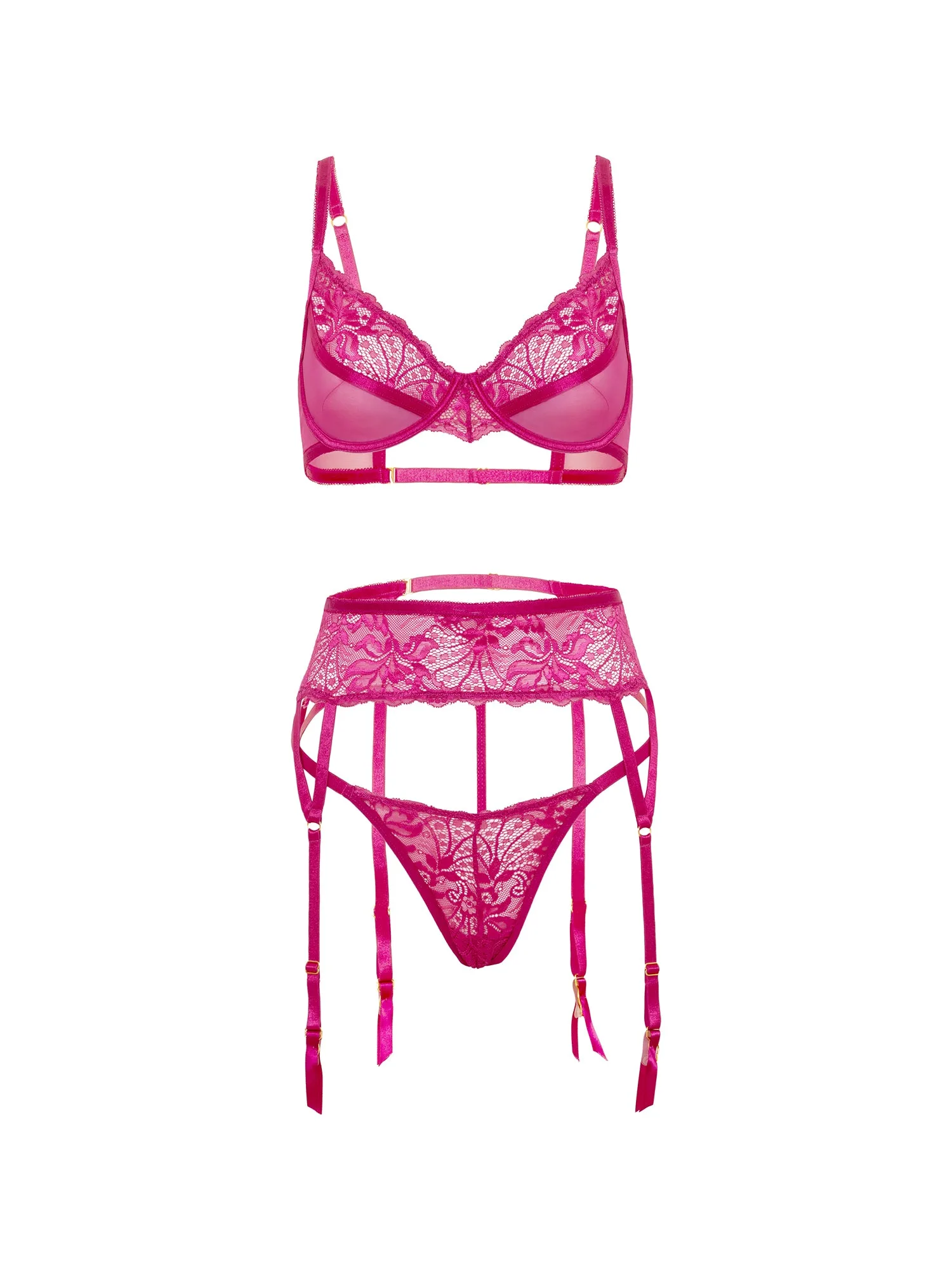
Julia Sheer Lace 3-Piece Bra Set
For a corset, fit is about the waist and torso length. Measure your natural waist and compare it to the corset's waist measurement; a good starting point is 2–4 inches smaller than your natural waist for a noticeable cinch without pain. Torso length matters too: a corset that's too long will dig into your hips when you sit, while one that's too short won't compress effectively. Always check the size chart and, if possible, read reviews about how the corset runs.
- Bustier: prioritize bust fit; the band should be snug but not painful.
- Corset: prioritize waist measurement and torso length; start with a 2–4 inch reduction.
- When in doubt, size up in bustiers and consult the size chart for corsets.
Styling tips for bustiers
Bustiers are versatile because they read as both lingerie and outerwear. For a night out, pair a lace bustier with high-waisted trousers and a tailored blazer; the bustier becomes a statement top, and the blazer keeps it polished. For a romantic evening, wear it with a sheer robe or a skirt. The Alessandra Bra Set is a wire-free stretch lace and satin option that works well under a loose blouse or as a layered piece with an open back.
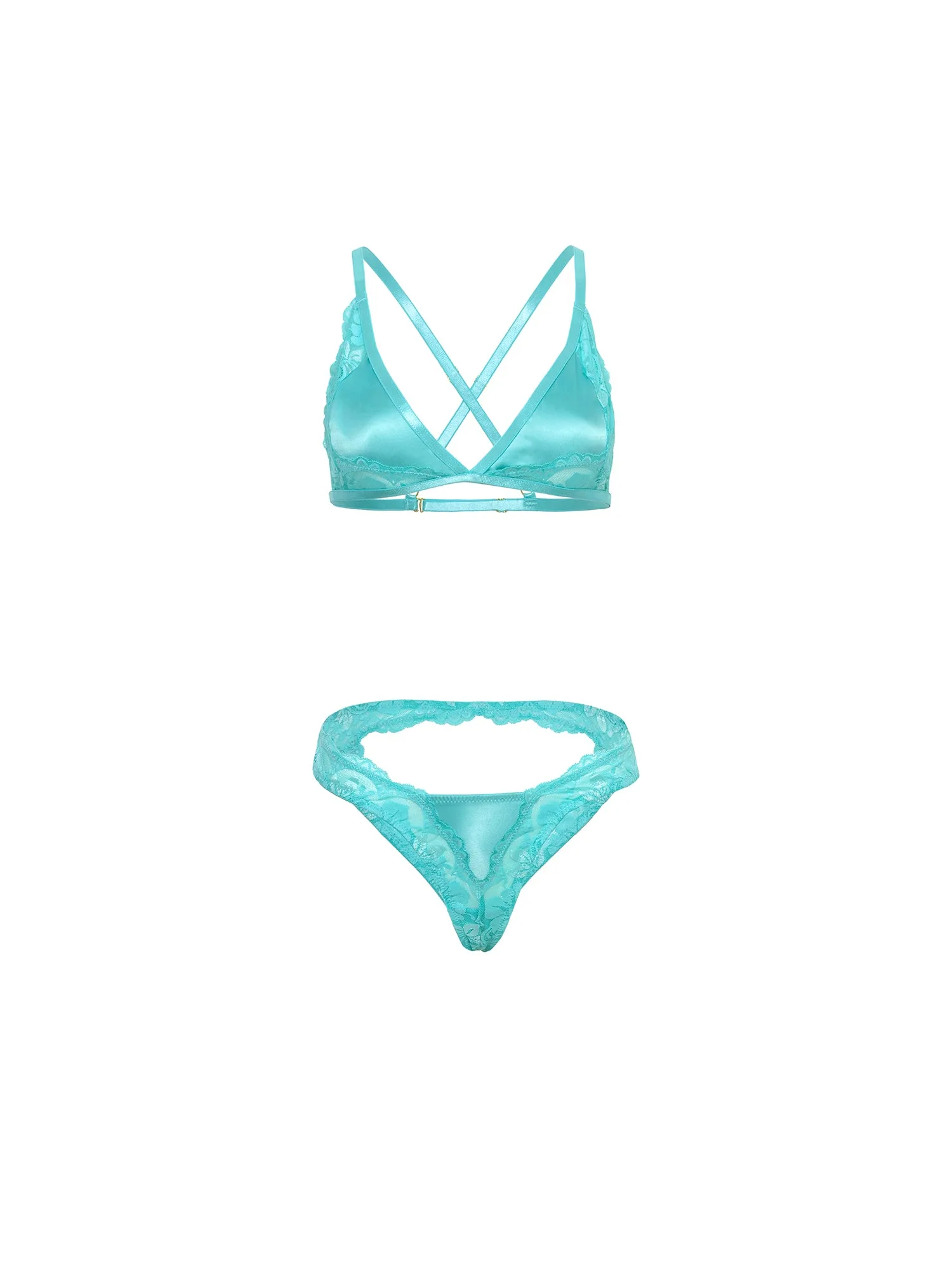
Alessandra Bra Set
If you want to lean into the bustier-as-top trend, choose a style with enough structure to hold its shape without a bra. Look for underwire cups or a firm bodice. For a softer look, a wire-free style like the Alessandra works beautifully. And don't overlook the power of a matching set: a bustier with coordinating panties feels intentional and elevated.
- Layer a bustier under a blazer for a polished evening look.
- Choose underwire for structure; wire-free for comfort and a softer silhouette.
- Match with high-waisted bottoms to balance the proportions.
Styling tips for corsets
Corsets are inherently dramatic, so let them be the centerpiece. Wear a corset over a fitted dress or a simple slip to add waist definition and texture. For a modern take, pair a corset with wide-leg jeans and a crisp shirt left open; the corset becomes a layering piece rather than a hidden foundation. If you're wearing a corset for waist training, start with short sessions and gradually increase wear time as your body adjusts.
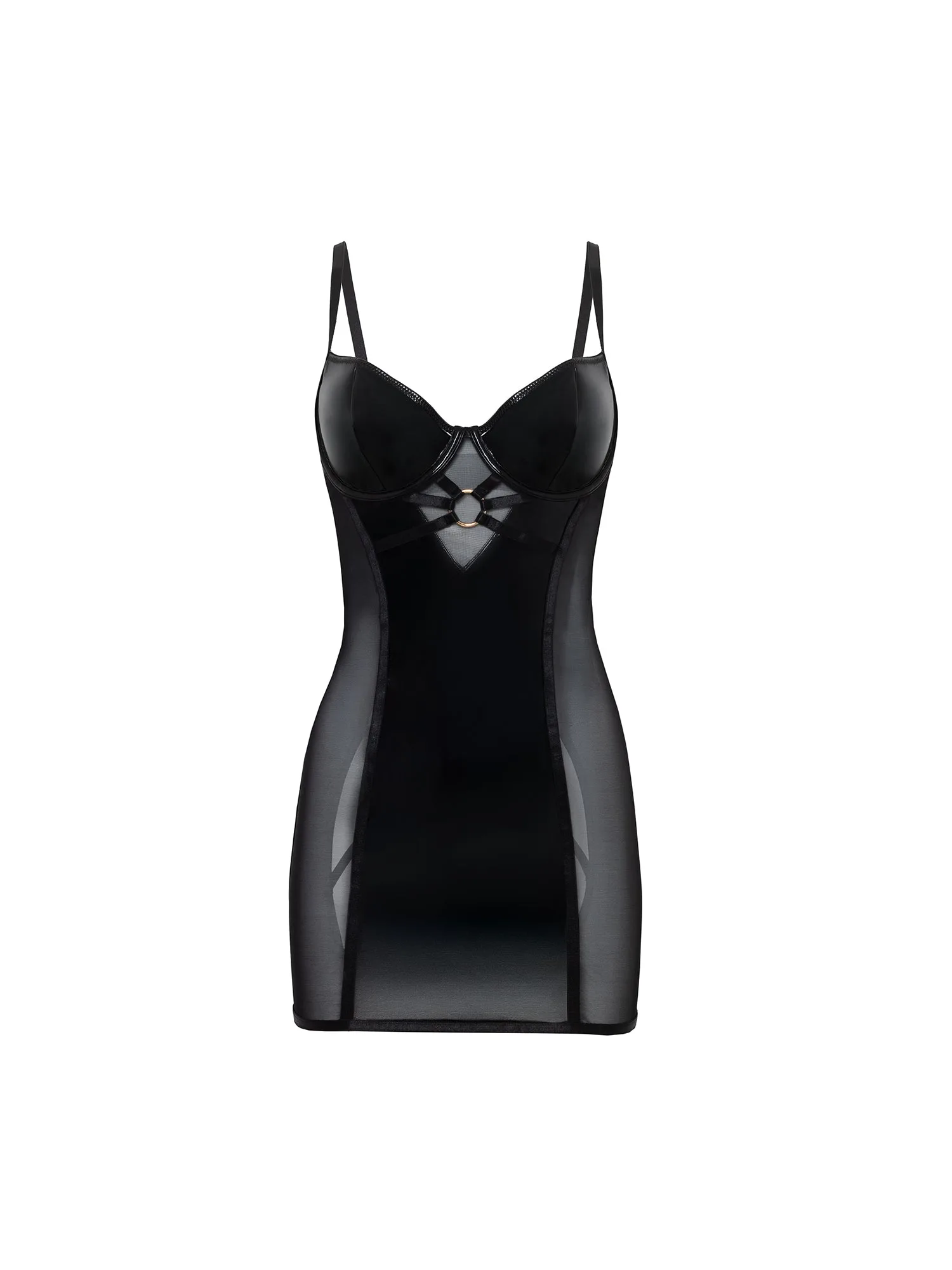
For a bold, fashion-forward look, consider a vinyl or leather corset-style piece. The Fetish Strap Me Down Babydoll Dress isn't a traditional corset, but it shares the caged, structured aesthetic with a dramatic caged back and underwire cups. It's a good example of how corset-inspired details can appear in other silhouettes, giving you the look without the lacing.
- Let the corset be the focal point; keep other pieces simple.
- For waist training, build up wear time gradually and listen to your body.
- Corset-inspired pieces like caged-back dresses offer the aesthetic with less restriction.
Care and longevity
Bustiers are generally easier to care for. Most can be hand-washed in cold water and laid flat to dry. Check the label: lace and mesh need gentle handling, and underwire cups should not be twisted. Store bustiers flat or hanging to keep their shape. Corsets require more attention. They should be aired out after each wear, spot-cleaned as needed, and never machine-washed. If your corset has a steel busk, store it flat or rolled loosely to avoid bending the bones.
The trade-off is clear: bustiers are lower maintenance and more forgiving, while corsets demand care but can last for years if treated well. If you're new to structured lingerie, a bustier is the easier entry point. If you're ready to invest in a piece that will hold its shape and deliver a specific silhouette, a corset is worth the effort.
- Hand-wash both; never machine-wash a corset.
- Store corsets flat or loosely rolled to protect the boning.
- Air out corsets after each wear to prevent odor and moisture buildup.
Trade-offs at a glance
- Comfort vs. control: Bustiers prioritize comfort and can be worn all day; corsets prioritize waist control and are best for shorter wear or special occasions. Choose a bustier for daily wear, a corset for targeted shaping.
- Versatility vs. drama: Bustiers layer easily under or over clothing; corsets are statement pieces that demand attention and limit outfit options. If you want one piece that works for multiple looks, go bustier.
- Ease of care vs. longevity: Bustiers are simpler to wash and store; corsets require careful maintenance but can last for years with proper care. Factor in maintenance time when deciding which to buy first.
Real pieces that show the difference
- Julia Sheer Lace 3-Piece Bra Set: The unlined underwire lace bra offers a naturally lifted shape, while the sheer lingerie details create a see-through effect that’s light, breathable, and irresistibly sultry. Finished with a matching G-string and an adjustable lace garter belt. This is a bustier-adjacent set: it gives you lift and a coordinated look without the rigid compression of a corset. The garter belt adds styling flexibility for evenings out.
- Alessandra Bra Set: Delicately crafted without wires for ultimate comfort, this set includes a stylish open back lace panty. SOFT CUP SATIN BRA STANDARD ADJUSTABLE STRAPS STRETCH SATIN AND LACE OPEN BACK. A wire-free option that prioritizes comfort. It’s a good choice if you want the bustier look but find underwire uncomfortable, and the open back makes it easy to layer under backless tops.
- Fetish Strap Me Down Babydoll Dress: Designed with a dramatic caged back, glossy vinyl, and revealing mesh panels, this fitted dress doesn't believe in subtlety. The underwire cups sculpt and lift, while O-ring accents and strappy details deliver the perfect finishing touch. This piece borrows corset-style structure (underwire cups, caged back, strappy details) but wears like a dress. It’s a way to get the dramatic silhouette without committing to a traditional laced corset.
Which should you choose?
Best for
- Anyone who wants bust support and a smooth silhouette without restricting the waist.
- Shoppers looking for a versatile piece that can be worn as lingerie or styled as outerwear.
- First-time buyers of structured lingerie who want an easy, comfortable entry point.
Not for
- People seeking dramatic waist reduction or waist training; choose a corset instead.
- Those who prefer a soft, unstructured fit; consider a wire-free bra set like the Alessandra Bra Set.
- Anyone who wants a piece that requires minimal care and maintenance.
The bustier vs. corset decision comes down to what you want from your lingerie: everyday lift and versatility, or dramatic shaping for specific moments. Start with a bustier if you're building a foundational wardrobe, and add a corset when you're ready for a piece that delivers a bold, structured silhouette. Either way, fit is everything—measure carefully, read the size chart, and choose pieces that make you feel confident.