Quick answer
For everyday outfits, choose lightweight pinback buttons that swap easily. For collecting, enamel pins offer more durability and display options, but pinback buttons are more affordable and fun to rotate.
Everyday Wear: Lightweight and Swappable
Pinback buttons like the Heart Balance Hug Button or Take Your Time Snail Button are 1.25 inches across, made with recycled paper and steel. They attach easily to jackets, bags, or lanyards and are light enough not to weigh down fabric. Their flat profile means they sit flush against clothing, reducing snagging.
Because they cost around $2 each, you can buy several and swap them daily based on mood or outfit. This makes them ideal for casual, low-commitment accessorizing.
Collecting: Durability and Display
Enamel pins are typically metal with a hard enamel coating, making them more scratch-resistant and heavier. They are better for long-term display on pin boards, framed cases, or dedicated bags. However, they cost more and are harder to swap daily.
Pinback buttons are more delicate—paper and steel construction means they can dent or scratch if handled roughly. For serious collectors who want to preserve condition, enamel pins are the safer bet.
Display Ideas for Both
Pinback buttons work well on cork boards, felt grids, or magnetic boards because they are lightweight. You can also pin them to a canvas tote or a denim jacket for a rotating gallery. Enamel pins need sturdier backings like rubber clutches and are often displayed in shadow boxes or on dedicated pin banners.
For a mixed collection, consider using the same 1.25-inch size—most pinback buttons match that standard, so they fit many display accessories.
Trade-offs at a glance
- Cost per pin: Pinback buttons are around $2 each, enamel pins often $8–$15. For collecting on a budget, pinback buttons let you build a large set quickly.
- Durability: Enamel pins resist scratches and dents; pinback buttons can get bent or scratched. If you plan to keep pins pristine, enamel wins.
- Ease of swapping: Pinback buttons attach with a simple metal clasp and are easy to change daily. Enamel pins often use rubber clutches or locking backs that are slower to remove. For outfit rotation, stick with pinback. For long-term display, enamel is better.
- Display flexibility: Both types fit standard 1.25-inch display frames. Pinback buttons are lighter and can be pinned to fabric without sagging; enamel pins need sturdier boards.
Product facts
-
Heart Balance Hug Button: The Heart Balance Hug Button is a 1.25 inch pinback button made in Portland, Oregon, USA, using recycled paper and steel. It is lightweight and eco-friendly, perfect for daily wear without damaging fabric.
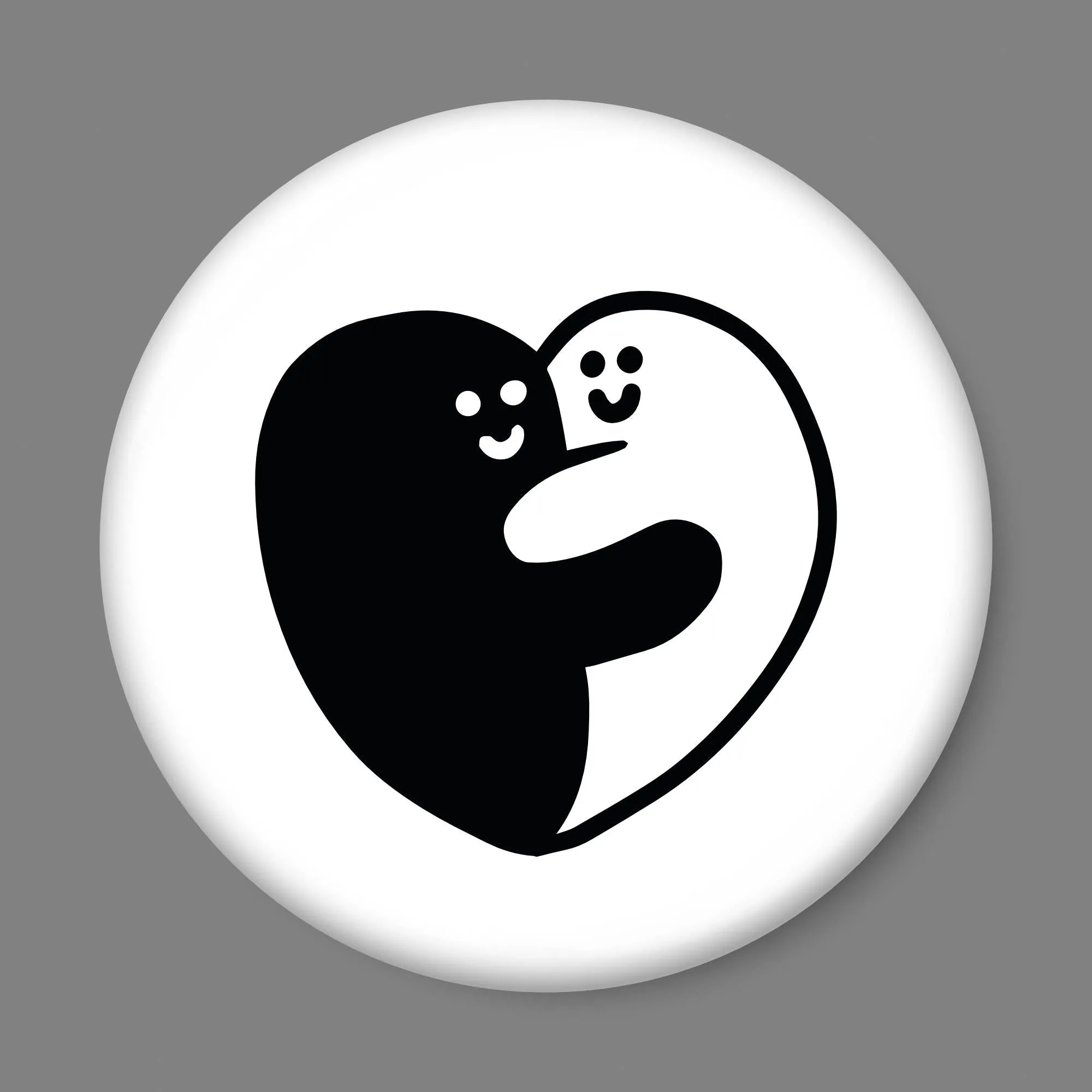
Heart Balance Hug Button
-
Take Your Time Snail Button: The Take Your Time Snail Button is a small pinback button made in the USA in Portland, Oregon, using recycled paper and steel. Its simple design and low cost make it easy to collect multiple for rotation or display.
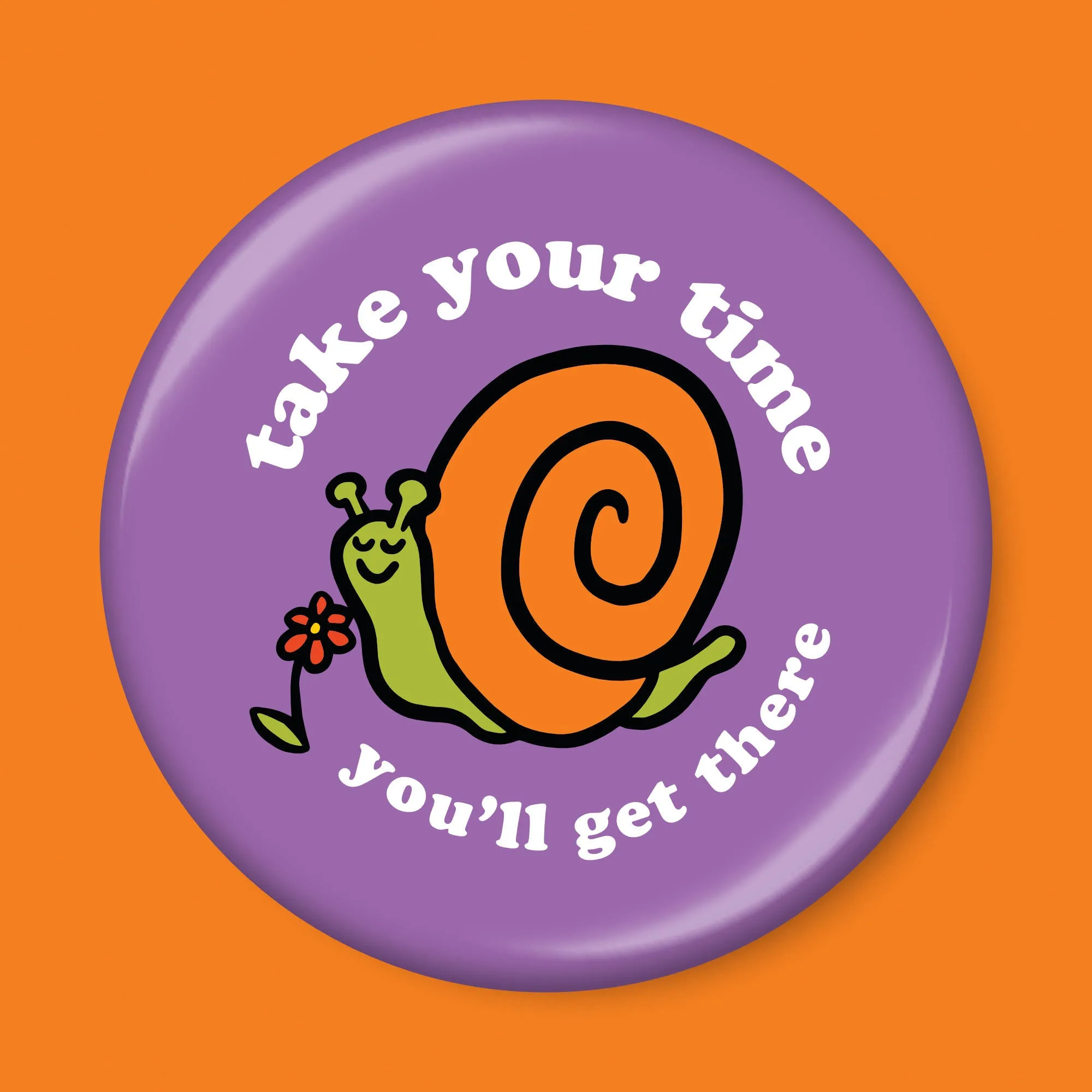
Take Your Time Snail Button
Which should you choose?
Best for
- Daily wearers who want to swap pins often to match outfits or moods
- Budget-conscious collectors who want many designs without high cost
Not for
- Serious collectors who need maximum durability and scratch resistance
- People who want a single, high-investment pin for long-term display