Quick answer
Choose snap fasteners for baby clothes, kids' wear, and anything that needs quick, one-handed opening. Choose buttons for quilts, heirloom garments, and projects where decorative detail matters more than speed. If you want the best of both, use snaps on the inside for function and add buttons on the outside for looks.
How buttons and snaps actually differ in use
Buttons require a buttonhole, which means extra steps: interfacing, marking, stitching, and often a buttonhole foot on your machine. Snaps are metal or plastic and attach with hand sewing or a setting tool, and they open and close with a simple pull. That difference in effort and motion is the real trade-off.
On a baby onesie, a snap lets you change a diaper without undoing the whole garment. On a quilt, a button adds a decorative, soft touch that a snap would interrupt. Neither is universally better—it depends on who will use the item and how often it needs to open.
When snap fasteners win
Snaps are the practical choice for anything that needs to come apart quickly. They are strong, low-profile, and work well on knits, fleece, and laminated fabrics where buttonholes can stretch or pucker. They also avoid the choking hazard of small buttons on children's clothing, though snaps must still be securely set and checked regularly.
The downside: snaps can pop open under strain, and a poorly set snap can pull through the fabric. They also add a metal or plastic feel that may not suit a delicate heirloom piece. For everyday baby clothes, activewear, and bags, though, snaps are hard to beat.
When buttons win
Buttons shine when you want a classic, customizable look. You can match them to fabric, use them as a design feature, and replace them easily if one breaks. On quilts, buttons can be used to tack layers together or add a vintage touch without hardware that might snag.
The trade-off is time and skill: buttonholes take practice, and buttons can come loose. They are also not ideal for garments that need to open quickly, like a baby's sleep sack in the dark. For quilts, bags, and garments where appearance matters most, buttons are often the better choice.
Fabric and project considerations
Lightweight fabrics like cotton lawn and silk drape better with small buttons, while snaps can add unwanted bulk. Heavy fabrics like denim and canvas handle both well, but snaps need a strong setting to avoid pulling through. Knits and stretch fabrics often favor snaps because they move with the fabric.
If you are making a quilt that will be washed often, consider that snaps can rust over time if not rust-proof, while buttons are generally washable and replaceable. Always test your closure on a scrap of the same fabric before committing to the full project.
Trade-offs at a glance
- Speed of use: Snaps open and close in one motion; buttons require unbuttoning and buttoning, which is slower and harder one-handed. Choose snaps for baby clothes and bags; buttons for items where you don't mind the extra seconds.
- Installation effort: Buttons need buttonholes, interfacing, and precise spacing; snaps need a setting tool or hand sewing but no buttonhole. If you dislike making buttonholes, snaps can save time, but practice setting them to avoid pull-through.
- Durability and repair: Buttons can be re-sewn if loose; snaps can fail if poorly set and may be harder to replace without visible marks. For heirloom quilts, buttons are easier to repair; for everyday wear, check snaps regularly.
- Aesthetic and fabric pairing: Buttons offer decorative variety and suit lightweight wovens; snaps are low-profile and work well on knits and activewear. Match the closure to the fabric weight and the look you want.
Labels that complement your closure choice
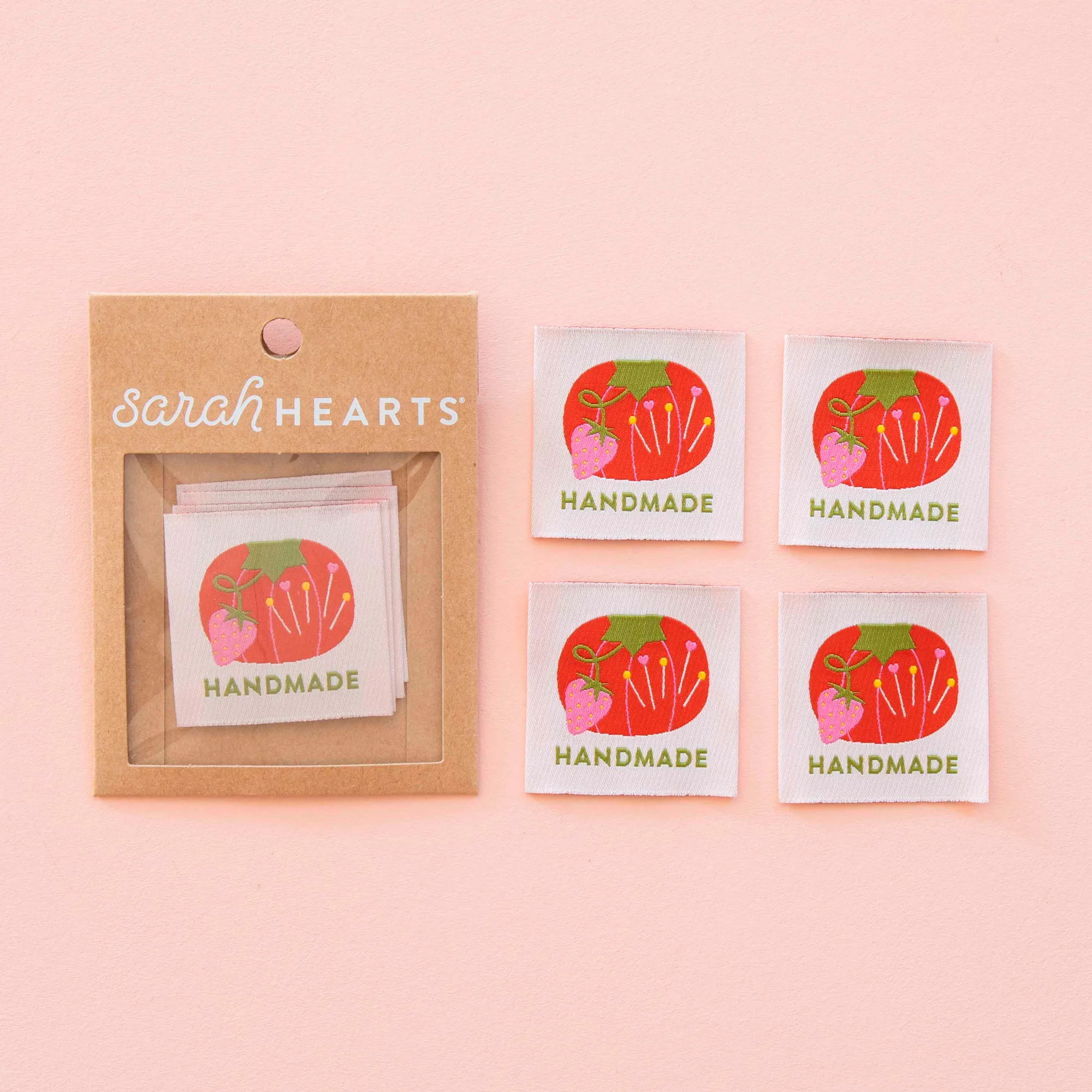
- Tomato Pincushion Handmade Large Woven Sewing Labels: Tomato Pincushion Handmade Large Woven Sewing Labels are sold in packs of 4, measure 4.5cm x 4.5cm, and have an end fold design. These vintage-style labels add a charming finish to quilts, garments, and bags, and the end fold makes them easy to sew into a seam near your closure.
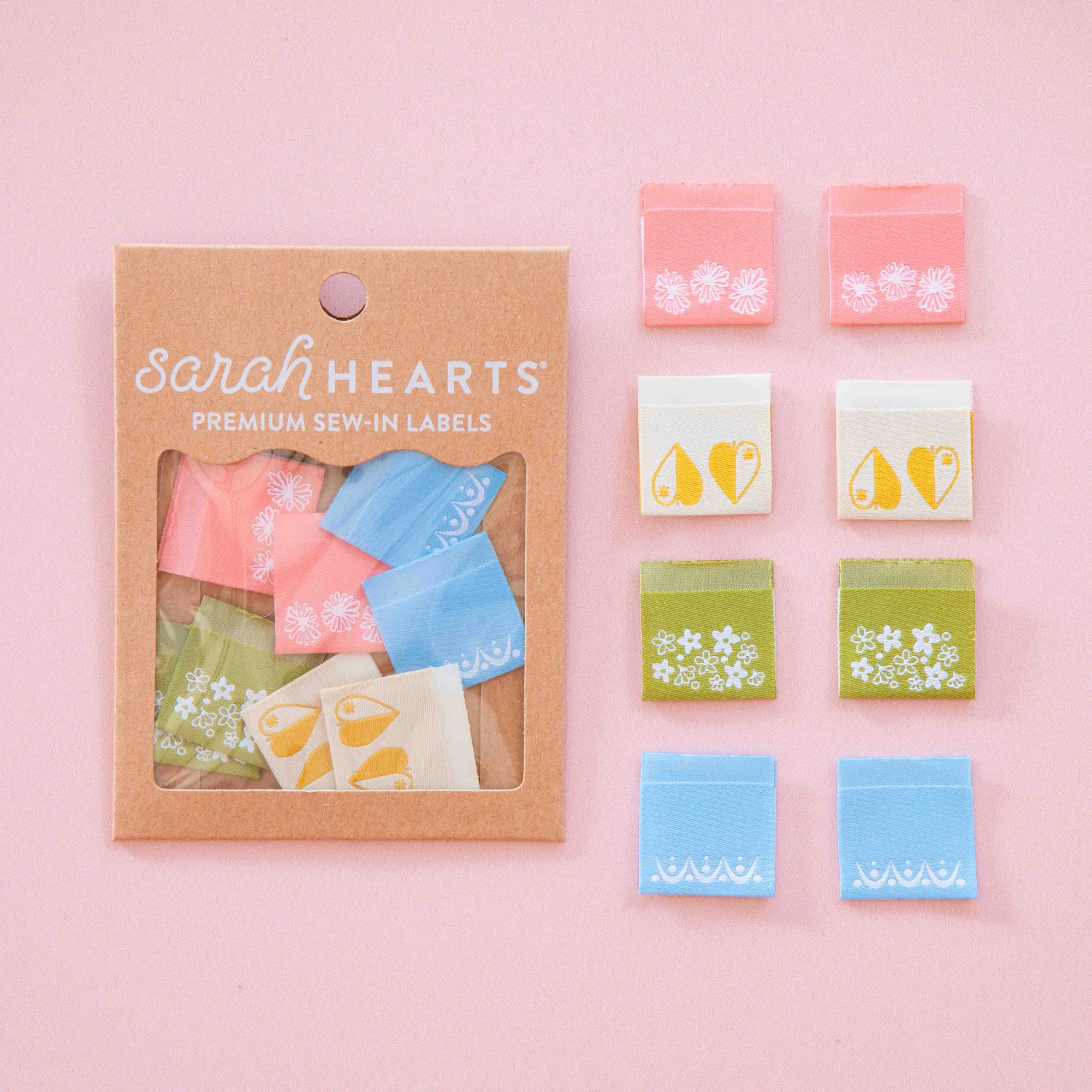
- Pyrex-Inspired Multipack Woven Sewing Labels: Pyrex-Inspired Multipack Woven Sewing Labels come in packs of 8 and are OEKO-TEX Standard 100 certified. The retro patterns suit cottage-core projects, and the certification gives peace of mind for items that will be worn or washed often.
Which should you choose?
Best for
- Baby clothes and children's wear where quick changes matter
- Activewear and bags that need secure, low-profile closures
- Knits and stretch fabrics that resist buttonholes
Not for
- Heirloom quilts where decorative buttons are preferred
- Projects where you want to avoid metal hardware entirely
- Garments that will be ironed directly over the closure