Quick answer
Choose a basket-style muzzle for breeds that pant heavily or need to drink water while wearing it, and a leather or soft strap muzzle for short-term handling like vet visits or grooming. For short-nosed (brachycephalic) breeds, a specially designed short-nosed muzzle is essential to avoid breathing obstruction.
Basket Muzzle vs Leather Strap Muzzle: Key Tradeoffs
Basket muzzles allow your dog to pant, drink, and take treats, making them suitable for extended wear during training or walks. They are typically made of plastic or wire and provide good airflow. The tradeoff is that they can be bulkier and more visible, which may startle other people or dogs.
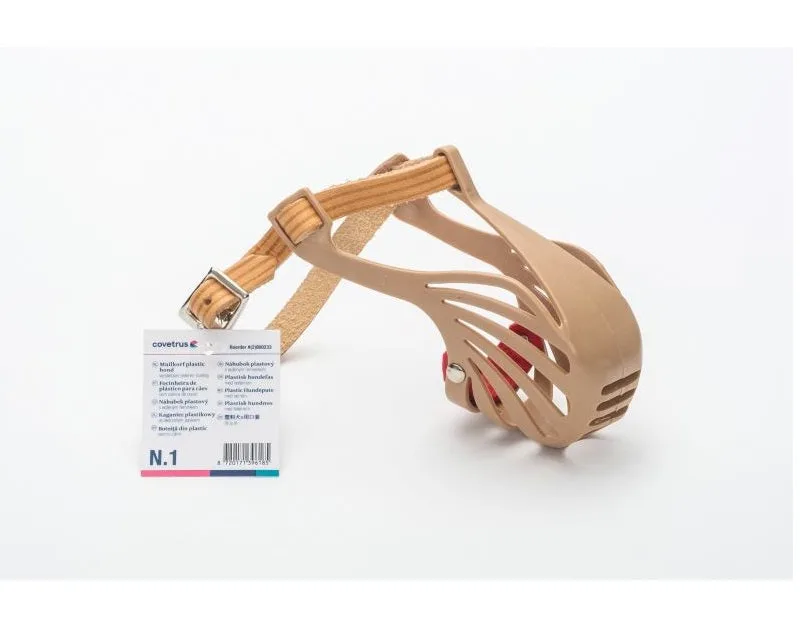
Leather strap muzzles, like the CVET Dog Muzzle Leather Strap, are lightweight and less obtrusive. They are designed for short-term use such as vet exams or grooming, where the dog is supervised the whole time. Because they hold the mouth closed, they are not safe for prolonged wear or hot weather, as the dog cannot pant effectively.
Fit Guidance: How to Measure Your Dog for a Muzzle
A properly fitted muzzle should be snug but not tight. Measure the circumference of your dog's snout at the widest point (about 1 cm behind the nose), and also measure the length from the nose to the eyes. For basket muzzles, add about 1 cm of space at the tip of the nose to allow panting. The CVET Dog Muzzle Leather Strap is available in 12 sizes and includes an adjustable leather strap for a customized fit.
For short-nosed breeds (e.g., Bulldogs, Pugs, Boxers), standard muzzles are often too long and can press on the nostrils. Look for a muzzle labeled specifically for brachycephalic breeds. These have a shorter snout area and a wider opening to ensure the dog can breathe freely. Avoid any muzzle that forces the dog's mouth completely closed.
When to Use a Muzzle and When Not To
Use a muzzle for vet visits, grooming, nail trims, or any situation where your dog may be stressed or in pain and could react defensively. Never use a muzzle as a punishment or for long periods without breaks. Dogs need to pant to regulate body temperature, so limit continuous wear to 20-30 minutes in mild weather, and less in heat.
If your dog shows signs of distress such as pawing at the muzzle, excessive drooling, or trying to rub it off, remove it immediately and reassess fit or conditioning. A muzzle should be introduced gradually with positive reinforcement so the dog associates it with good things like treats or walks.
Decision Rules for Choosing a Dog Muzzle
- Breed snout length: Measure snout length and circumference. Short-nosed breeds need a muzzle designed for brachycephalic dogs. Long-nosed breeds can use standard basket or leather muzzles. Always measure before buying; size charts vary by brand.
- Duration of wear: For short-term handling (vet, groomer), a leather strap muzzle works well. For longer walks or training, choose a basket muzzle that allows panting and drinking. Basket muzzles are safer for extended use.
- Behavioral context: If your dog is reactive to other dogs or people, a basket muzzle allows them to pant and reduces stress. For muzzle training, start with a basket style so you can reward with treats. Basket muzzles support positive reinforcement training.
- Material and maintenance: Plastic basket muzzles are easy to clean and durable. Leather strap muzzles are comfortable but may need conditioning and are not waterproof. Plastic is low-maintenance; leather requires care.
Product Facts at a Glance
- CVET Dog Muzzle Leather Strap: Durable plastic muzzles with an adjustable leather strap for a secure and comfortable fit. Designed for safety and comfort, these durable plastic muzzles feature a soft leather strap and adjustable fit. Available in 12 sizes, they provide a secure and lightweight solution for both short- and long-term use. Ideal for veterinary, grooming, or everyday handling needs. The adjustable leather strap and 12-size range make it easier to get a secure fit for different snout shapes, and the lightweight design is comfortable for short-term wear.
- BUSTER Collar Classic Clear for Dogs: Protective disposable collar for dogs. An inexpensive solution to prevent the patient from reaching and damaging wounds on the body. Flexible and easy to handle. Easy to fit on the patient. Made of 100% polypropylene. Transparent. While not a muzzle, this disposable collar is a practical alternative for preventing licking or biting at wounds, especially for dogs that resist wearing a muzzle during recovery.
Best For vs Not For
Best For
- Short-term handling at vet or groomer – choose a leather strap muzzle for quick, supervised use.
- Training or walks with a reactive dog – choose a basket muzzle that allows panting and treat rewards.
Not For
- Brachycephalic breeds (Bulldogs, Pugs, Boxers) – standard muzzles may obstruct breathing; use a short-nosed-specific muzzle.
- Extended wear without supervision – no muzzle should be left on for hours; basket muzzles are safer but still need breaks.