Watercolor pencils have carved out a niche in the model-building world, offering a versatile and forgiving way to add color, shading, and weathering details. Unlike traditional paints, these pencils let you apply dry pigment first, then activate it with a damp brush for soft, translucent washes. For hobbyists who want precision without the setup of an airbrush, watercolor pencils are a game-changer.
But not all watercolor pencils are created equal. Some are too hard, some lack pigment intensity, and others simply don't hold a fine point for detail work. In this guide, we'll walk you through the key factors to consider—pigment quality, binder type, hardness, and color range—so you can pick the perfect set for your next project. Whether you're a beginner or a seasoned builder, this buying guide will help you make an informed choice.
Why Use Watercolor Pencils for Model Detailing?
Watercolor pencils offer a unique blend of control and flexibility. You can draw sharp lines for panel lines, then blend them with water for smooth gradients or weathering effects. This makes them ideal for adding subtle shading to edges, creating rust streaks, or even painting small details like eyes and insignias. Unlike acrylic paints, they don't dry on the brush or require immediate cleanup, and you can easily correct mistakes by lifting pigment with a damp cloth.
For modelers who prefer a non-toxic, low-odor option, watercolor pencils are a fantastic alternative to solvent-based products. They're also travel-friendly—no need for a full paint station. Whether you're working on a Gunpla kit or a scale model aircraft, these pencils can enhance your detailing without a steep learning curve.
- Precision: Fine points allow for intricate panel lines and small details.
- Blendability: Activate with water for soft washes or keep dry for crisp lines.
- Easy cleanup: Mistakes can be lifted with a damp brush or eraser.
- Versatility: Works on bare plastic, primed surfaces, and over painted coats.
Key Factors to Consider When Choosing Watercolor Pencils
Pigment concentration is the most critical factor. High-quality pencils like those from AK Interactive deliver rich, opaque color even after activation. Cheaper pencils often fade or leave chalky residue. Look for pencils that list lightfastness ratings and use artist-grade pigments. For model detailing, you want pencils that can hold a sharp point without crumbling—this indicates a well-balanced binder.
Binder type affects how the pencil reacts to water. Some binders are wax-based, which resist water and are better for dry techniques. Others are gum arabic-based, which dissolve easily for smooth washes. For model work, water-soluble binders are preferred because they allow you to blend with a brush. Test a few brands to see which feel most comfortable in your hand and on plastic.
Hardness is another consideration. Soft pencils (B range) deposit more pigment and are great for shading, while harder pencils (H range) are better for fine lines and details. A set that includes a range of hardnesses gives you maximum flexibility. Finally, consider the color range. For model detailing, you'll want earth tones, metallics, and a few primary colors for mixing.
- Pigment quality: Look for high lightfastness and intense color payoff.
- Binder: Choose water-soluble gum arabic for easy blending.
- Hardness: A mix of soft and hard pencils covers shading and fine lines.
- Color selection: Earth tones and metallics are essential for weathering and details.
Top Watercolor Pencil Options for Hobbyists
While there are many brands on the market, AK Interactive's watercolor pencil line has gained a strong following among modelers. Their pencils are designed specifically for hobby use, with a soft core that applies smoothly on plastic and a water-soluble binder that reactivates with a damp brush. For example, the WT04 - Water Based Weathering Paint Gouache Light Rust is a popular choice for adding rust streaks and stains—it's not a pencil, but it pairs beautifully with pencil detailing for layered effects.
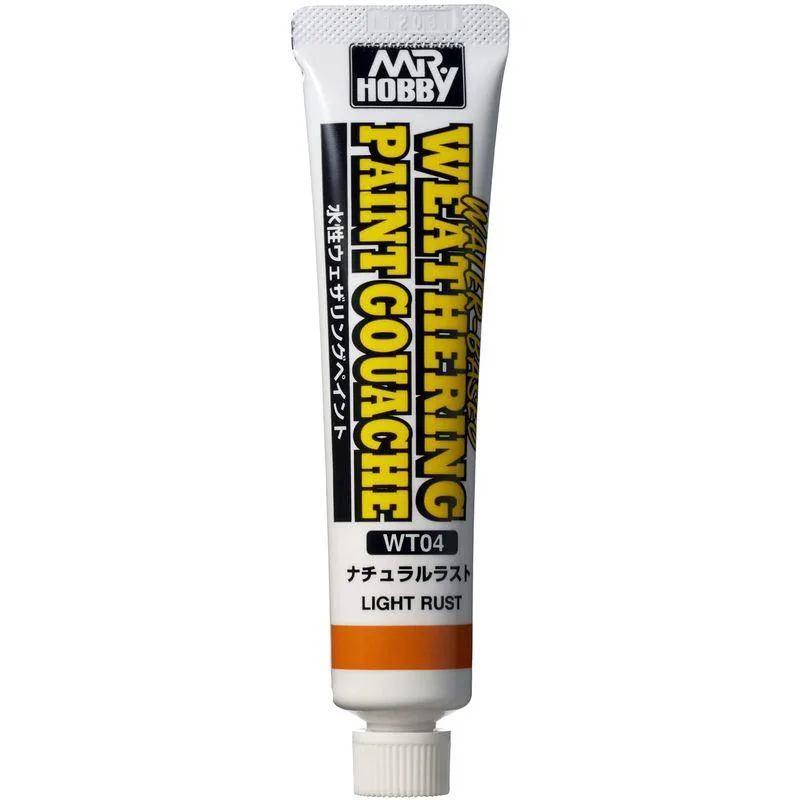
WT04 - Water Based Weathering Paint Gouache Light Rust
Another option is the Acrysion N6 - Green (Gloss/Primary), which is a paint, but when used alongside watercolor pencils, it can provide a base coat that accepts pencil pigment well. For pencil-specific sets, look for ones that include a range of earth tones and a sharpener. Many hobby stores offer starter sets that come with a few essential colors, which is perfect for beginners.
Acrysion N6 - Green (Gloss/Primary)
Acrysion N6 - Green (Gloss/Primary)
- AK Interactive watercolor pencils: Designed for hobbyists, with a soft core and water-soluble binder.
- Starter sets: Ideal for beginners, often include earth tones and a sharpener.
- Complementary products: Water-based weathering paints can enhance pencil effects.
How to Test and Evaluate Watercolor Pencils Before Buying
Before committing to a full set, test individual pencils on a scrap piece of plastic. Draw a line, then activate it with a wet brush. Observe how the pigment spreads, whether it leaves streaks, and how it dries. High-quality pencils will produce a smooth wash without beading. Also, check if the color remains vibrant after drying—some pigments shift dramatically.
Another test is to layer colors. Apply a yellow base, then a red over it, and blend with water. Good pencils will mix cleanly without muddying. Finally, see how the pencil feels on the plastic surface. It should glide smoothly without scratching or leaving waxy buildup. If it feels dry or gritty, it may not be suitable for fine detailing.
- Test on scrap plastic: Draw, activate, and observe the wash.
- Check color stability: Ensure the hue doesn't fade or shift after drying.
- Layer test: Blend two colors to see if they mix cleanly.
- Feel test: The pencil should glide smoothly without scratching.
Alternatives and Complementary Tools
While watercolor pencils are excellent, they aren't the only tool for detailing. Colored pencils, pastels, and even markers can achieve similar effects. For instance, the X-6 Orange (Enamel) 80006 is a great addition for adding vibrant orange details that stand out. Enamel paints offer a different finish and durability, which can be useful for high-wear areas.
For those who prefer a more traditional approach, the Iwata Fluid Needle 0.2mm B/SB 1 I0752 is an airbrush accessory that can help you apply paints with precision, but it requires more setup. Watercolor pencils remain the most accessible option for quick, precise detailing without the need for an airbrush.
- Colored pencils: Similar control but not water-soluble.
- Pastels: Great for weathering but messier to apply.
- Markers: Convenient but less blendable.
- Enamel paints: Durable but require solvents for cleanup.
Final Tips for Using Watercolor Pencils on Models
To get the most out of your watercolor pencils, always start with a clean, primed surface. A matte primer provides tooth for the pencil to grip, while gloss surfaces can cause the pigment to bead. Use a light touch for initial layers, and build up color gradually. If you make a mistake, use a damp cotton swab to lift the pigment before it dries.
Seal your work with a clear coat to protect the pencil from smudging. A matte varnish will preserve the flat look, while a gloss coat can give a shiny finish. Experiment with different techniques—dry pencil for crisp lines, wet brush for washes, and even a wet pencil for intense color application. With practice, you'll find the perfect balance for your detailing needs.
- Prime with matte for better pigment adhesion.
- Build color gradually with light layers.
- Lift mistakes quickly with a damp swab.
- Seal with a clear coat to protect your work.
Choosing the right watercolor pencils for model detailing comes down to pigment quality, binder type, and your personal technique. Whether you're adding subtle rust streaks or crisp panel lines, the right set will elevate your builds. Explore our selection at Panda Hobby, including the WT04 Water Based Weathering Paint Gouache Light Rust, to start your detailing journey today.