Quick answer
For portrait photography, a silver bounce umbrella gives you contrast and direction, while a shoot-through umbrella spreads soft, even light. Choose based on your subject and desired mood: silver bounce for dramatic portraits, shoot-through for flattering, wrap-around light.
Silver Bounce vs Shoot-Through: What's the Difference?
A silver bounce umbrella reflects light off a metallic interior, creating a more specular, directional beam that adds texture and dimension to skin and clothing. A shoot-through umbrella uses a translucent fabric that diffuses light directly through it, producing a softer, broader source that wraps around the subject. The choice affects shadow falloff, catchlights, and overall contrast in your portraits.
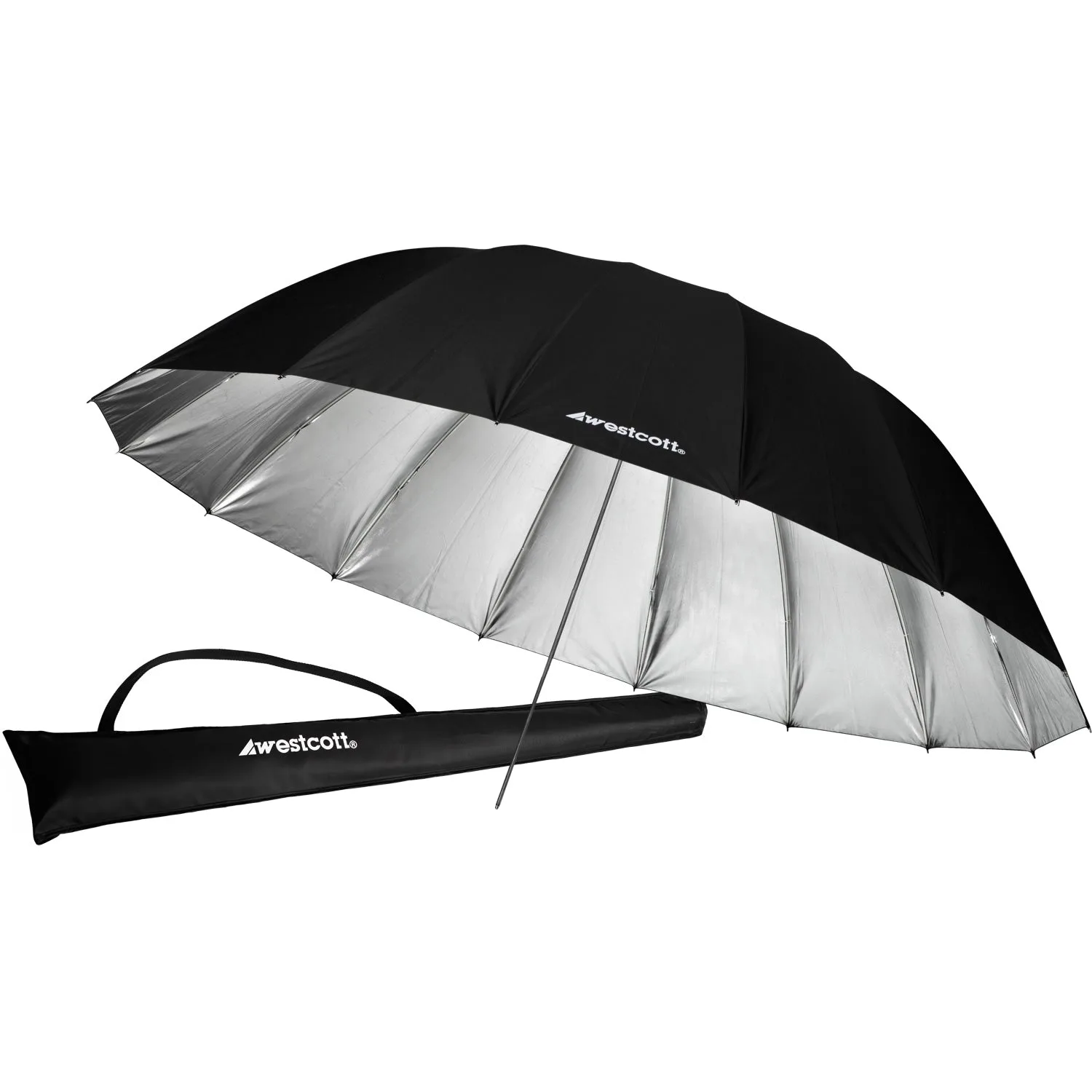
Silver bounce umbrellas like the Westcott Standard Umbrella - Silver Bounce (7') use a reflective interior to soften and broaden bounced light while eliminating unwanted back spill. This design helps you control where light falls, making it ideal for rim lighting or adding separation from the background. The trade-off is that the light is less diffused than a shoot-through, so it may emphasize skin texture on close-ups.
Shoot-through umbrellas (not listed in this guide but widely available) produce a larger, softer light source that flatters most subjects. However, they spill light in all directions, making them harder to control in tight spaces or when you need precise light placement. Many portrait photographers own both types and switch based on the look they want.
How to Match Umbrella Size to Your Portrait Setup
Umbrella diameter directly affects light quality. A 7-foot umbrella like the Westcott Standard Umbrella - Silver Bounce gives you a large source that can cover full-body portraits from head to toe while still producing soft, flattering light. Smaller umbrellas (32–45 inches) are easier to position for headshots but create harder shadows and less wrap-around.
For a single portrait subject, a 7-foot umbrella placed close to the subject creates a soft, enveloping quality similar to a large softbox. For group portraits or full-length shots, the same umbrella can be pulled back to cover more area, though the light becomes harder. If you frequently shoot both headshots and full-body, a 7-foot umbrella offers the most versatility.
Consider your studio space. A 7-foot umbrella requires at least 8–10 feet of ceiling height to tilt properly. If your studio has low ceilings, a 45-inch umbrella may be more practical. The included travel and storage case for the Westcott Standard Umbrella makes it easy to transport and protect when not in use.
Build Quality and Durability for Studio Use
Portrait sessions can be demanding on gear, especially if you travel or shoot on location. Look for umbrellas with a sturdy frame and shaft that can withstand repeated setup and breakdown. The Westcott Standard Umbrella features a 16-rib fiberglass framework and durable dual-wall shaft rods for extra support, which helps prevent bending or breaking during adjustments.
Fiberglass ribs are lighter than metal and resist rust, but they can snap under extreme pressure if over-flexed. The dual-wall shaft rods add rigidity where the umbrella connects to the light stand, reducing wobble. This is especially important when using a large 7-foot umbrella in a breeze or with a heavy speedlight attached.
A carrying case is a practical feature that protects the umbrella fabric and ribs during transport. The included travel and storage case for the Westcott Standard Umbrella keeps the umbrella organized and prevents punctures or tears. If you plan to move your gear frequently, prioritize models with a dedicated case.
Decision Rules for Buying a Portrait Umbrella
- Rule 1: Match umbrella type to your lighting style: Choose silver bounce for contrast and direction (dramatic portraits, rim lighting). Choose shoot-through for soft, even light (beauty, flattering headshots). If you shoot both styles, get one of each.
- Rule 2: Size your umbrella to your subject distance: A 7-foot umbrella works for headshots to full-body when placed close. Smaller umbrellas (32–45 inches) are easier to position but create harder shadows. A 7-foot umbrella is the most versatile single size for portraits.
- Rule 3: Prioritize build quality for frequent use: Look for fiberglass ribs and reinforced shafts to withstand travel and adjustments. A carrying case extends the umbrella's life. The Westcott Standard Umbrella's 16-rib frame and dual-wall shaft meet this need.
Product Facts
- Standard Umbrella - Silver Bounce (7'): 16-rib fiberglass framework; durable dual-wall shaft rods; softens and broadens bounced light; eliminates unwanted back spill light; included travel and storage case. The fiberglass frame keeps the umbrella light and rust-resistant for location work, while the dual-wall shaft rods prevent wobble during portrait sessions. The case protects the umbrella when not in use.
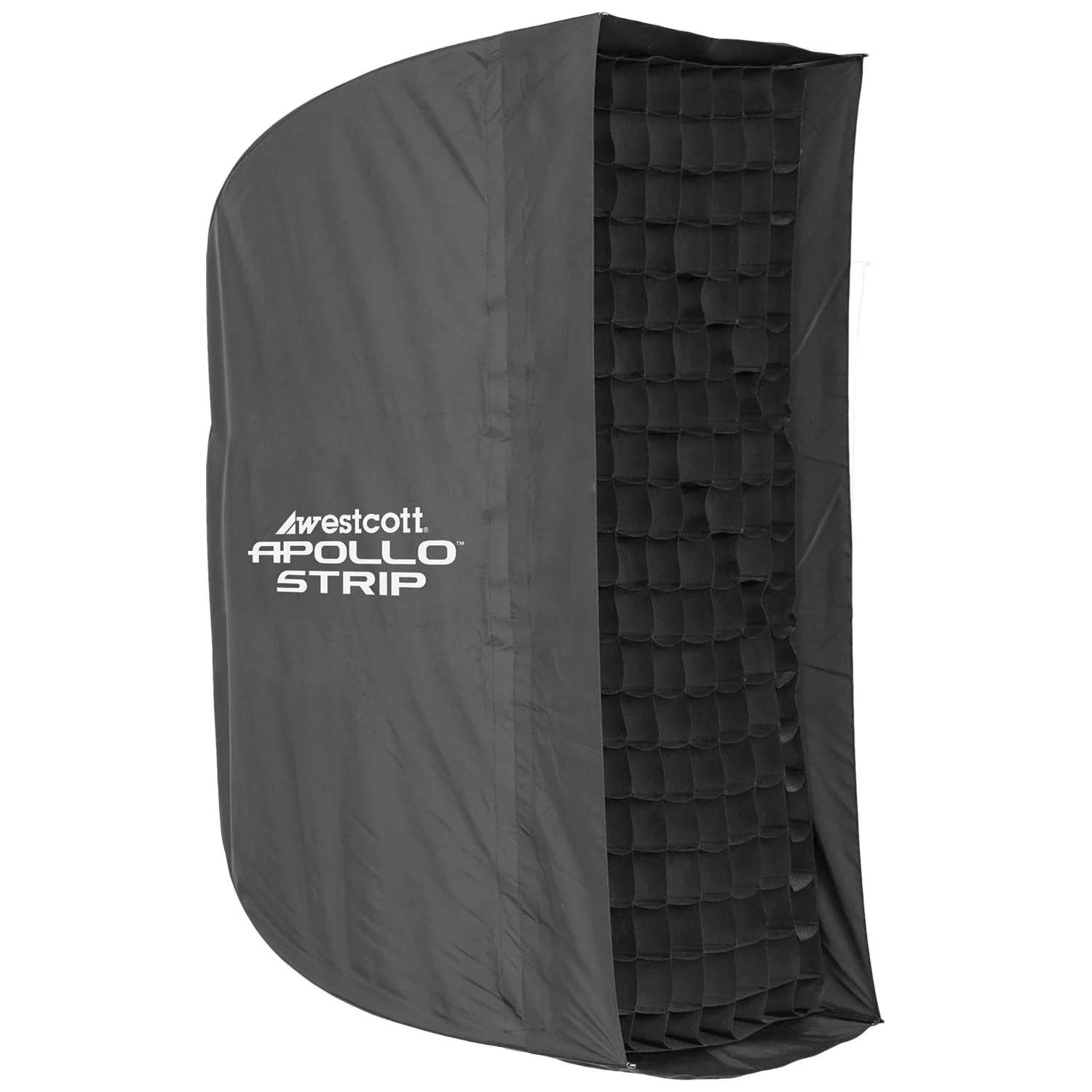
- 40-Degree Egg Crate Grid for Apollo Strip (12" x 36"): Further control light spill and flare with your 12" x 36" strip softbox; attaches to softbox instantly with heavy-duty touch fastener; durable lightweight construction; collapses instantly into included case. If you already use a strip softbox for rim or hair lights, this grid gives you precise control over spill, letting you shape light exactly where you want it without affecting the background.
Which Umbrella Fits Your Portrait Work?
Best for
- Portrait photographers who want controlled, directional light with contrast
- Studio and location shooters who need a durable, portable 7-foot modifier
Not for
- Photographers who need extremely soft, wrap-around light with minimal shadows (choose a shoot-through umbrella or softbox instead)
- Tight spaces with low ceilings where a 7-foot umbrella cannot be positioned properly