Quick answer
Buy open-ended wooden toys that let your child assign the story, not toys that prescribe one. Prioritize simple shapes, movable parts, and sets that combine with what you already own. For a first imaginative-play purchase, choose a versatile set like What’s Up? for emotional role play or Mountain Pass Stack for loose-parts building; add a themed set such as the Cosmic Rocket Set only when your child already shows a specific interest.
You want a wooden toy that sparks stories, not one that sits on a shelf after a week. The difference usually comes down to how open-ended the toy is: can your child decide what it is, what it does, and who it becomes? This guide gives you concrete rules for choosing wooden toys for imaginative play, plus the trade-offs that matter at home.
We’ll look at what makes pretend play wooden toys worth the money, when a themed set beats a generic one, and how to mix open ended wooden toys with the toys you already have. You’ll also see how specific Tender Leaf Toys sets fit different play styles, so you can match a purchase to your child rather than to a trend.
Rule 1: Choose toys with more than one job
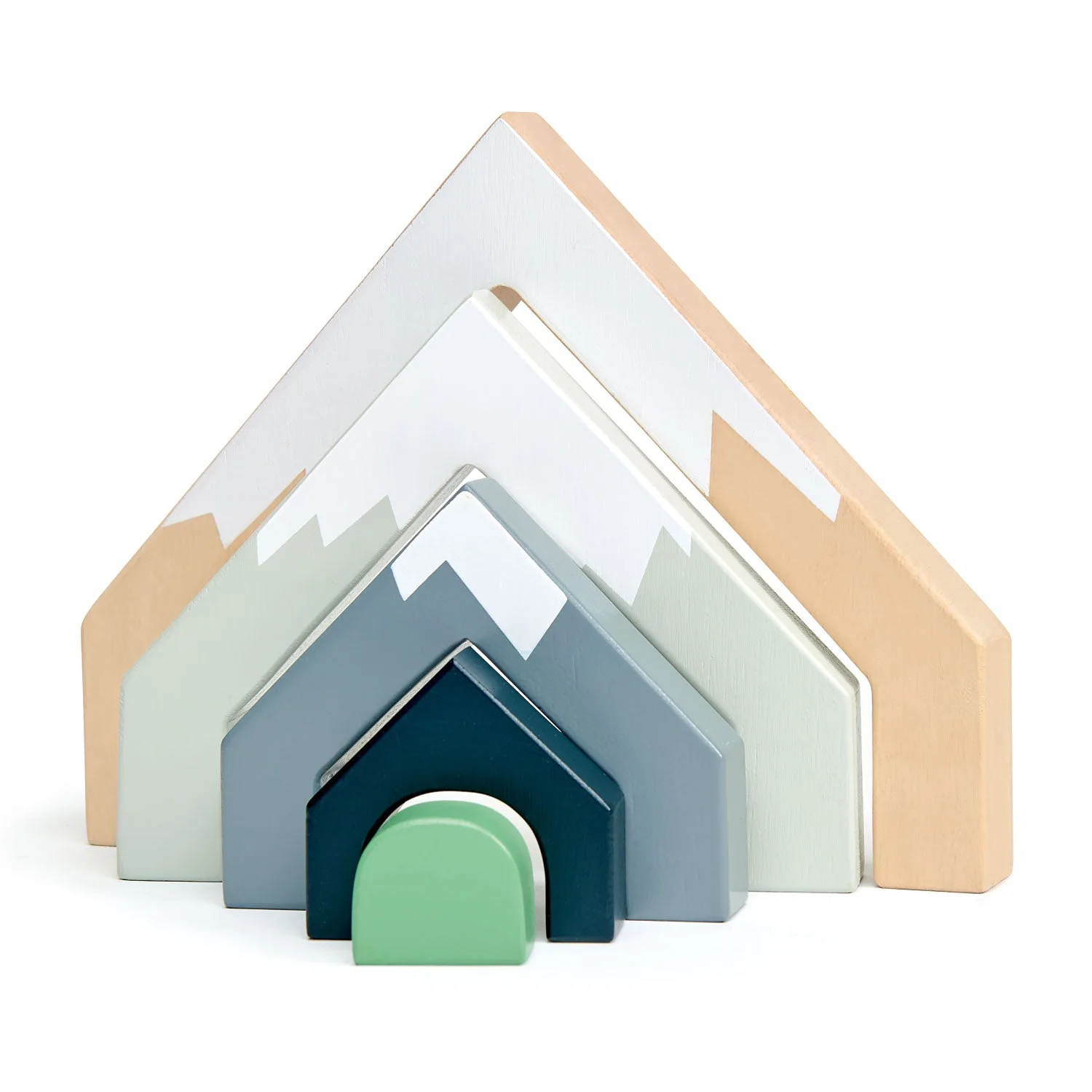
The fastest test for open ended wooden toys is to ask, “What else can this be?” A stack of arches can become a tunnel, a bridge, a mountain, or a hiding place. A single-purpose figure that only does one thing runs out of play value quickly. Look for pieces that can be rearranged, combined, or repurposed across different stories.
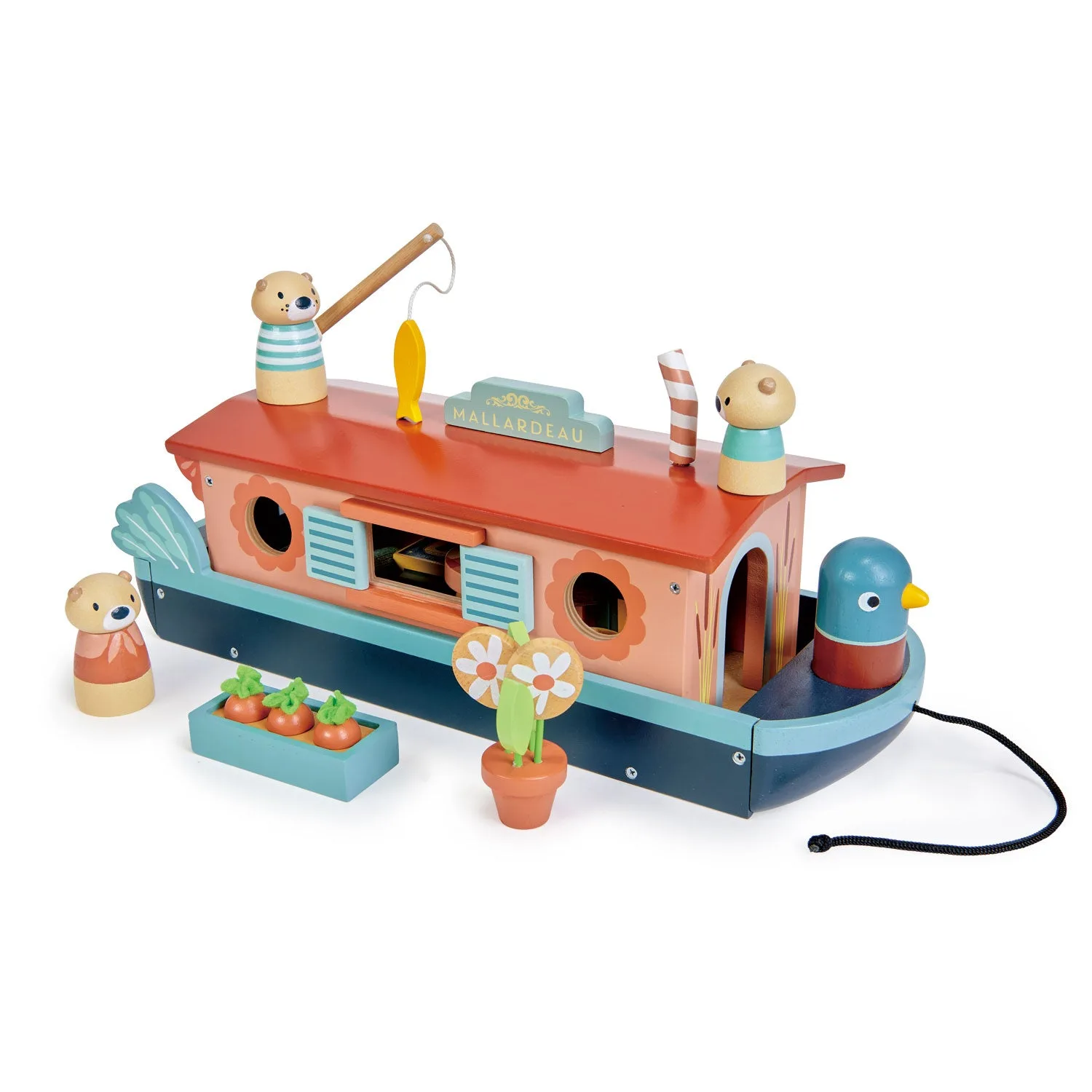
This doesn’t mean every toy must be abstract. A canal boat with a removable roof and a lift-out cabin gives children a clear starting point but still lets them decide who lives there and what happens next. The best pretend play sets offer a setting plus loose parts, so the story can change from day to day.
- Pick toys with removable or movable parts rather than fixed, painted-on details.
- Favor sets that can merge with blocks, dolls, or vehicles you already own.
Rule 2: Match the toy to your child’s current play stage
A two-year-old mostly explores with their hands: stacking, sorting, and carrying. A four-year-old starts assigning roles and acting out scenes. A six-year-old wants rules, quests, and complex narratives. Buying for the stage your child is in—not the stage you hope they’ll reach—prevents frustration and wasted money.
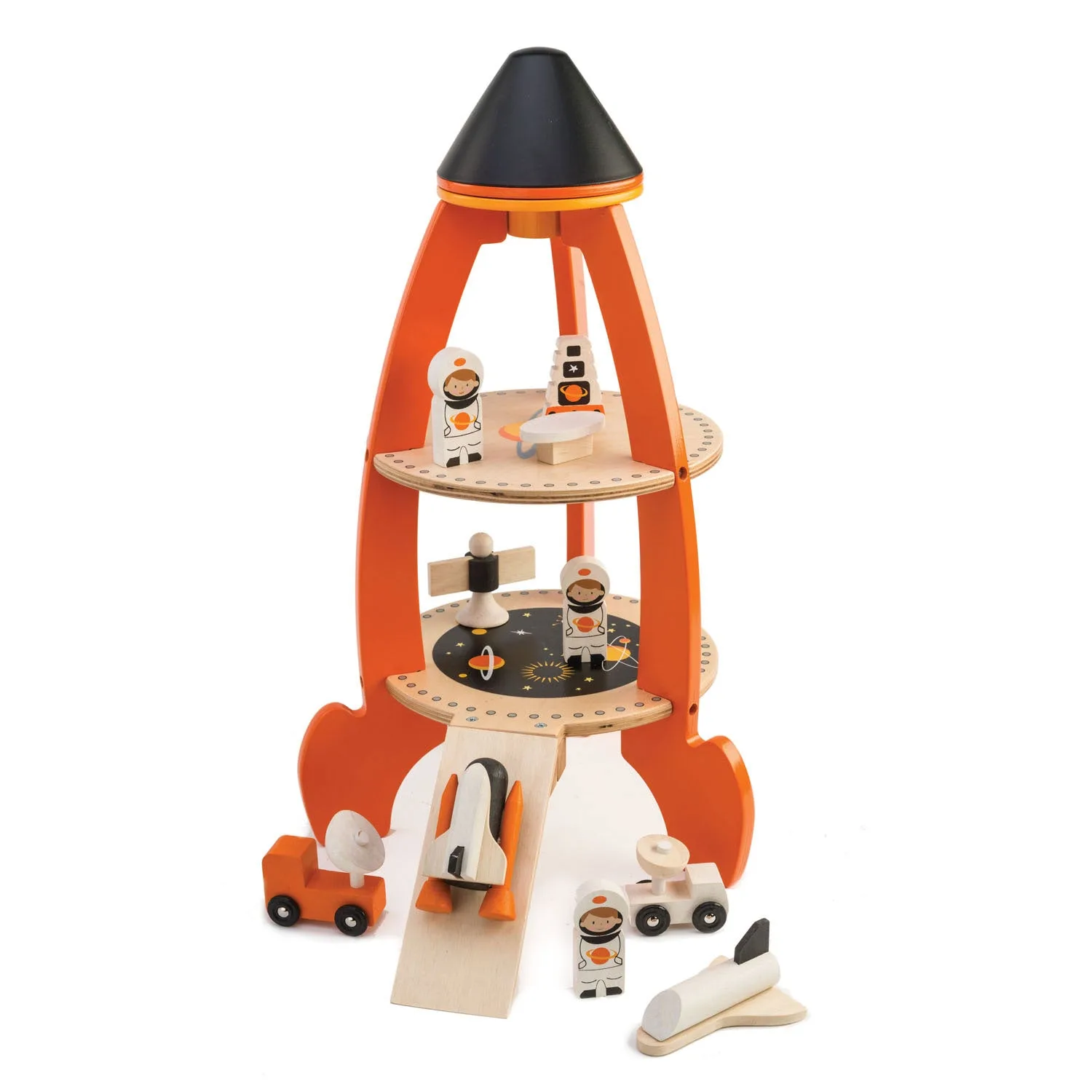
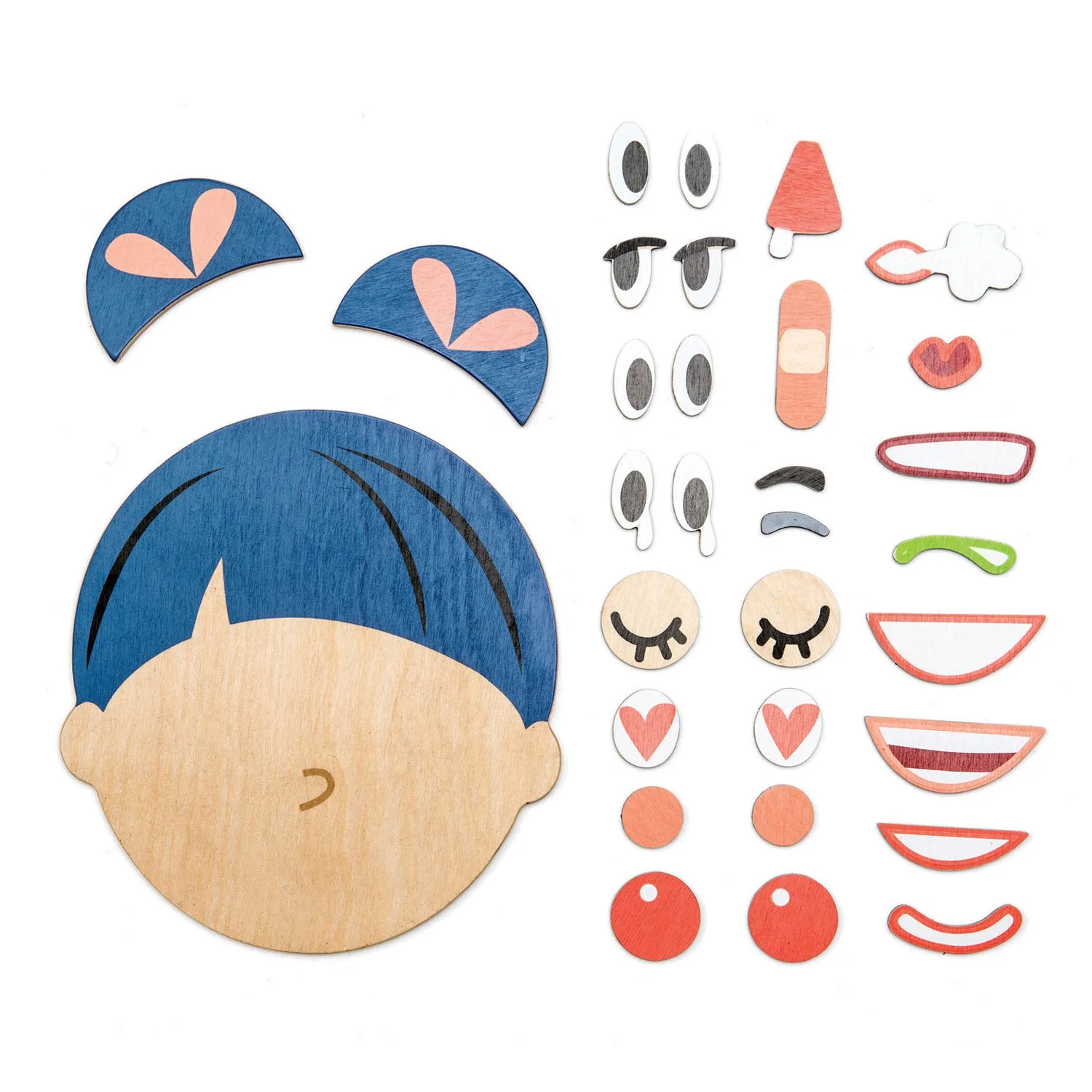
If you’re between stages, choose a set that scales. A magnetic face set with 28 parts can be simple matching play for a toddler and become an emotions game for an older child. A rocket set with shuttles and satellites can be a simple launch toy first and a full space mission later.
- For toddlers, prioritize chunky pieces and simple cause-and-effect.
- For preschoolers, look for role-play props and character-driven sets.
- For early elementary, add sets with rules, tools, or building challenges.
Rule 3: Decide between a themed set and a loose-parts set
Themed sets like a rocket or a canal boat come with a ready-made story world. They’re brilliant when your child already loves space, animals, or vehicles, because the theme gives immediate traction. The trade-off is that a themed set can feel finished once the obvious story is told, unless it includes loose parts or can be combined with other toys.
Loose-parts sets—arches, stackers, foraged treasures—are slower to grab attention but have a longer shelf life. They ask more of the child at first, which is exactly why they build creativity. Many families do best with one themed anchor set plus a loose-parts collection that can feed into it.
- Buy the theme your child already talks about, not the one you find cutest.
- Add a loose-parts set to refresh a themed toy after the first novelty fades.
Rule 4: Check the practical details before you commit
Open-ended play often means pieces end up on the floor, in bags, and under sofas. Check whether the set has a storage solution, how many small parts it includes, and whether those parts are easy to replace or substitute. A set with 28 magnetic pieces needs a home, or it becomes clutter you resent.
Also consider materials and finish. Wooden toys generally handle drops better than thin plastic, but painted pieces can chip if thrown. If your child is still mouthing toys, avoid sets with tiny parts. For children who build elaborate scenes, choose pieces that stand up on their own so the story doesn’t collapse every time someone bumps the table.
- Count the small parts: more pieces mean more play potential but more tidying.
- Look for a tray, trug, or box that makes cleanup part of the play.
Decision rules for buying wooden toys for imaginative play
- If your child is new to pretend play: Start with a set that has a clear entry point but flexible pieces, such as a stack or a simple character set. Avoid large themed sets until you see what they gravitate toward. Buy one versatile set first; add theme later.
- If your child already has a strong interest: Choose a themed set that matches it—space, animals, vehicles—because the built-in story will get used immediately. Then add one loose-parts set to extend it. Theme for traction, loose parts for longevity.
- If you want the longest possible play life: Prioritize open-ended pieces that can be combined with other toys and rearranged. Check that the set doesn’t depend on a single character or a single correct way to play. Fewer, more flexible pieces usually beat a big single-purpose set.
- If storage and cleanup are a concern: Count the pieces and decide where they will live before buying. Sets with many small parts need a dedicated tray or box, or they will scatter and get lost. No storage plan means fewer pieces will survive the first month.
- If your child is still mouthing toys: Skip sets with small magnetic parts or tiny accessories. Choose larger, solid wooden pieces with rounded edges and no loose small components. Safety first; revisit the small-part sets when mouthing stops.
How specific Tender Leaf Toys sets fit imaginative play
- What’s Up?: Includes a wooden face-shaped base, 2 hair buns, and 28 magnetic facial parts to convey emotions from happy to sad, sleepy to excited. This is a focused social-emotional toy. It gives children a concrete way to name feelings, which then feeds into richer pretend play with dolls or figures. The magnetic parts are small, so it suits children past the mouthing stage.
- Mountain Pass Stack: A set of 5 mountain-shape arches illustrated to evoke the natural world, usable as an accessory to the Treetops Train Set or as a tunnel toy on its own. A classic loose-parts buy. It works as a standalone tunnel for cars and animals, or as terrain for train play. Because it’s open-ended, it stays useful as your child’s stories move from simple stacking to full landscapes.
- Cosmic Rocket Set: A wooden rocket with space shuttles and satellites, designed to spark interest in astronomy, science, and imaginative role play. A themed anchor set. It’s a strong choice if your child already pretends to be an astronaut or asks about planets. The trade-off is that it suggests a specific story, so pair it with loose parts if you want the play to keep evolving.
- Little Otter Canal Boat: An otter family lives on a canal boat named Mallardeau, with a removable roof, a lift-out cabin, a fishing rod, and a stripy straw that doubles as a chimney; the set includes a wood-burning stove, matchbox drawer, and jam jar lid table. This is a setting-plus-props set. The removable roof and lift-out cabin let children reconfigure the space, while the small household items invite domestic role play. It’s a bigger purchase, so it suits families ready for sustained small-world play.
Who this buying approach fits
Best for
- Parents who want toys that grow with their child instead of being outgrown in weeks
- Families building a small collection of pretend play wooden toys that combine with each other
- Gift buyers who need a clear rule for choosing between a themed set and a loose-parts set
Not for
- Shoppers looking for a single electronic toy that entertains with lights and sounds
- Families who prefer fully scripted play with one correct outcome
- Buyers who need a complete playroom in one purchase rather than a curated set
Use the decision rules above to match the toy to your child’s stage and interests, not to a trend. Start with one open-ended set, add a theme only when it’s clearly wanted, and check storage and small parts before you buy. That approach keeps wooden toys for imaginative play useful for years, not just for the first week.