Quick answer
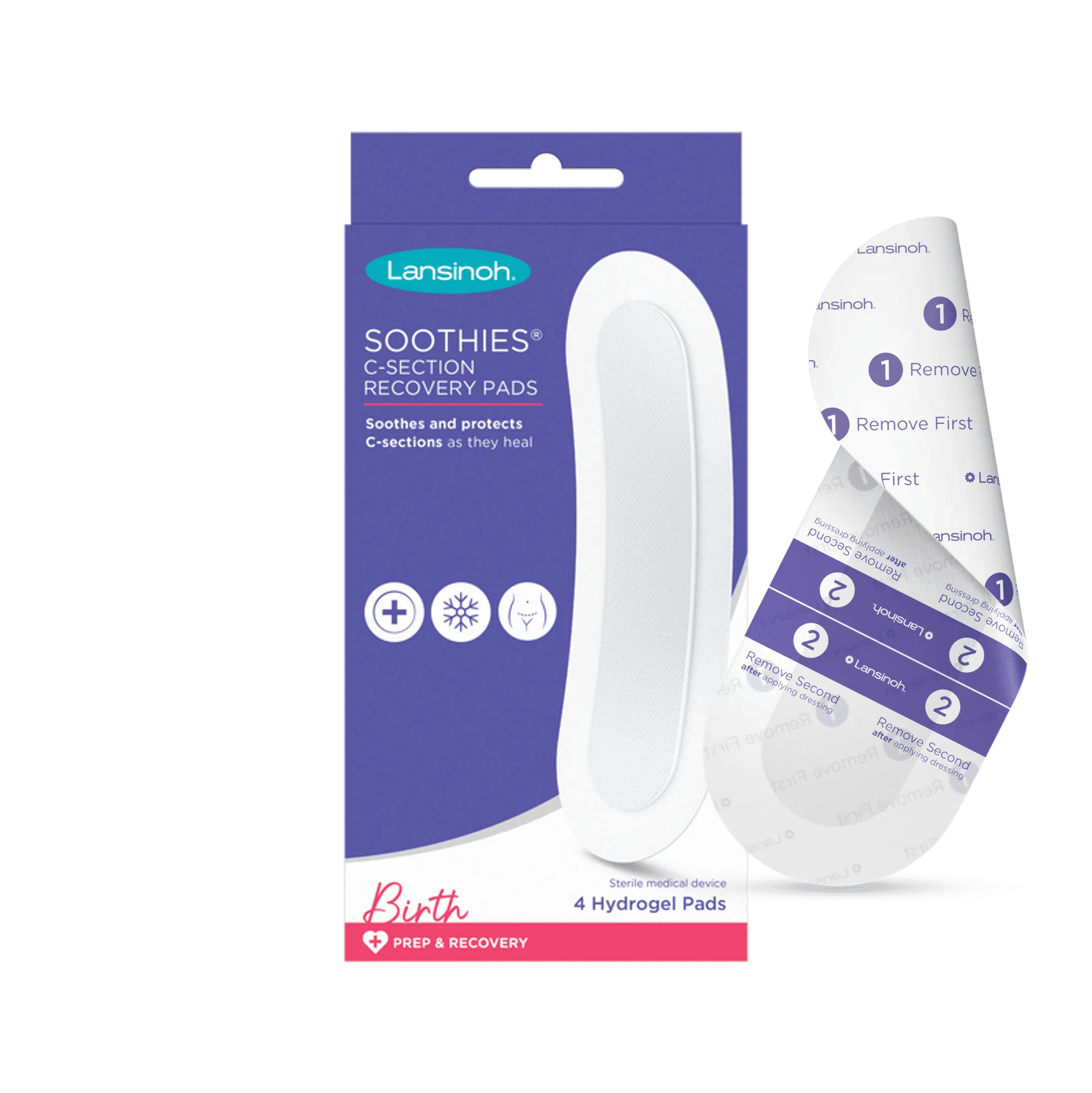
Soothies C-section Recovery Pads are soft, absorbent pads designed to sit over your incision and cushion it against clothing and movement while you heal. Use them as a comfort layer, not a treatment: change them when damp or soiled, and follow your care team's wound-care instructions. If you notice spreading redness, warmth, worsening pain, or discharge, stop using the pads and contact your provider.
What the pads actually do for a healing incision
A fresh C-section incision is sensitive to friction, pressure, and moisture. Soothies C-section Recovery Pads are crafted to fit comfortably over the scar area and help protect the incision while you heal. The soft, absorbent material cushions the site and helps keep the area clean and dry during recovery.
They are easy to place and meant to be a simple layer between your skin and your clothes or a support garment. Think of them as a barrier and cushion, not a bandage that closes the wound or delivers medicine.
How to place and change the pads
Wash your hands before and after touching the incision area. Place a fresh pad directly over the incision, smooth side against your skin if the pad has a distinct side, and let your underwear or postpartum support garment hold it in place. Change the pad whenever it feels damp, whenever it is soiled, and at least as often as your care team recommends.
If your provider gave you specific wound-care instructions, such as keeping a dressing on for a set number of days or cleaning with a particular solution, follow those first. The pads work alongside that plan, not instead of it.
When pads help and when they don't
Pads help most in the first weeks when clothing rubs, when you are moving in and out of bed, and when you want a light layer over a healing scar. They are not a solution for a wound that is opening, bleeding heavily, or showing signs of infection.
If the pad keeps sticking to the incision, if the area stays wet despite changing pads, or if you need more cushioning than a pad provides, that is a sign to check in with your provider rather than layering more pads.
Comfort habits that support the pads
High-waisted underwear that sits above the incision reduces rubbing. Loose clothing and avoiding heavy lifting for the first weeks also lower strain on the area. When you cough, sneeze, or laugh, support your incision with a hand or a small pillow.
Keep the area dry between pad changes. Pat the skin around the incision dry if it gets damp, and let air reach the area when you can.
Symptom, cause, action, and stopping point
- Pad sticks to the incision: The pad may be too dry or the incision may be weeping more than expected. Change the pad more often and keep the surrounding skin dry. If sticking continues or the incision looks wet, call your provider.
- Redness or warmth spreading around the scar: This is not a pad problem. Spreading redness, warmth, worsening pain, or discharge can signal infection or another complication. Stop using the pads and contact your care team the same day.
- Pad feels too bulky under clothes: A pad adds a layer, and some people prefer a thinner dressing or high-waisted underwear alone once the incision is less tender. Switch to a lighter option when your provider says the wound is healing well, or ask them what they recommend.
Product facts
- Soothies® C-section Recovery Pads: Lansinoh Soothies C-section Recovery Pads are designed to provide gentle support and comfort during postpartum recovery, with soft, absorbent material that cushions the incision site and helps keep the area clean and dry. This makes them a practical comfort layer over the scar while you heal, especially under clothing or a support garment.
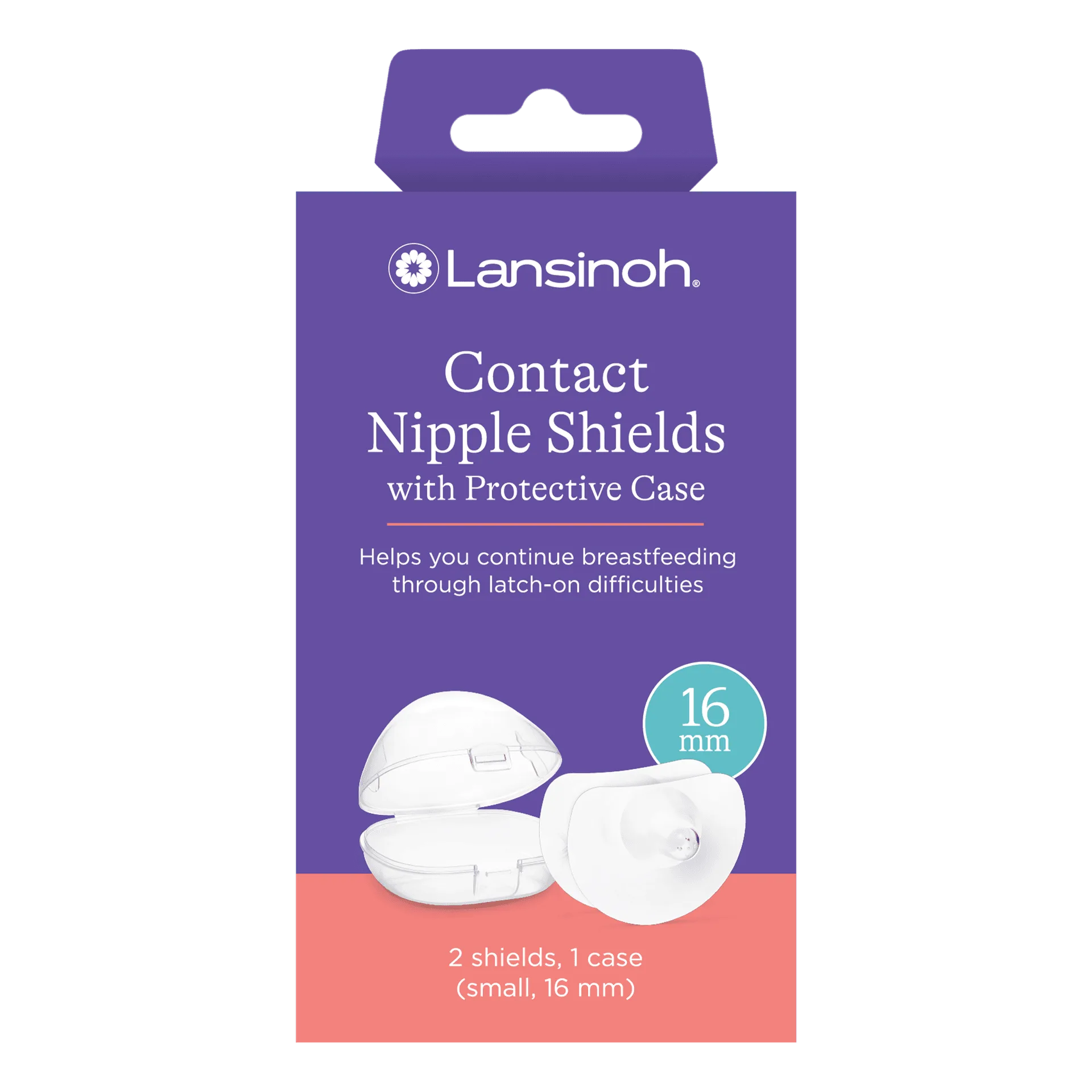
- Contact Nipple Shields: Lansinoh Contact Nipple Shields are ultra-thin, super-soft silicone shields intended for short-term latch-on challenges such as flat or inverted nipples, tongue tie, or overactive let-down, and should be used under the advisement of a breastfeeding professional. If you are also breastfeeding, a shield can help with latch issues, but it is a professional-guided tool, not a self-prescribed fix.