Quick answer
Choose a C-stand when you need precise placement, boom arms, or heavy modifiers and grip gear. Choose a light stand when you want fast, portable, inexpensive support for speedlights and small softboxes. Most home and small studios do best with one C-stand and two light stands rather than a full set of either.
What actually separates a C-stand from a light stand
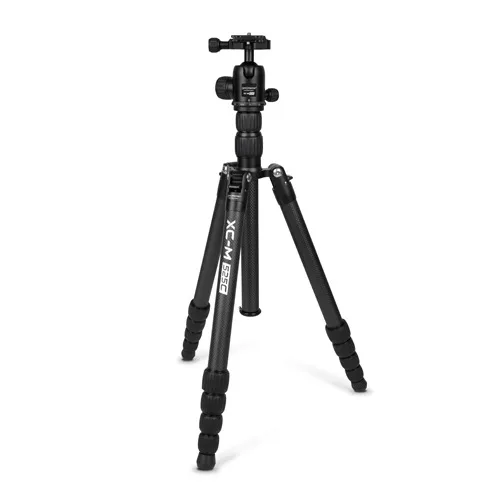
A C-stand is built around a sliding center column with a fixed grip head, so you can position a light or modifier at almost any height and angle without swapping hardware. Light stands use a simpler telescoping column and a fixed stud or spigot, which is faster to set up but less flexible once the light is mounted.
The trade-off is weight and footprint. C-stands are heavier, take up more floor space, and usually cost more. Light stands are lighter, pack smaller, and are easier to move between rooms or locations. Neither is universally better; the right choice depends on what you are supporting and how often you reposition it.
How grip heads and boom arms change your setup
A C-stand grip head setup lets you clamp a boom arm, flag, or reflector at an angle, which is difficult with a standard light stand stud. This matters when you want a hair light directly above a subject or a flag cutting spill from a background light. If your work involves shaping light rather than just holding a softbox, the grip head is the feature you are paying for.
Light stands can accept some grip accessories through adapters, but the connection is less secure and the stand may become top-heavy. If you plan to use a boom arm regularly, start with a C-stand rather than adding adapters to a light stand.
Weight capacity and the softbox question
Weight capacity is the specification most buyers overlook. A large softbox acts like a sail: even a modest breeze or a slight bump can tip a stand that holds the weight fine on paper. For a light stand for softbox use, check the manufacturer's stated capacity and keep the load well under it, especially when the modifier is extended away from the column.
C-stands generally handle heavier loads and resist tipping better because of their wider base and lower center of gravity. If you shoot with big modifiers or frequently move lights during a session, that stability is worth the extra weight. If you use small softboxes or speedlights, a light stand is usually sufficient and much easier to carry.
Matching support to the light you already own
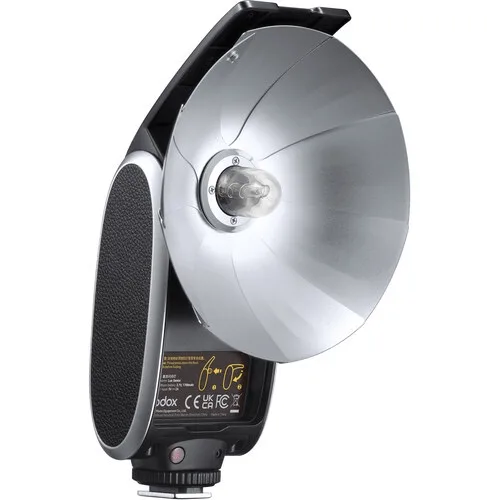
Support should match the light, not the other way around. A compact LED monolight with a small modifier is a natural fit for a lightweight stand. A retro-style flash with a simple dial, like the Godox Lux Senior Retro Camera Flash, is even easier to support because it is small and light, so a basic stand or a tabletop solution can work.
If you are building a first studio kit, buy one sturdy stand for your key light and a lighter stand for fill or background. Add a C-stand later if you start using boom arms, flags, or heavier modifiers. This staged approach keeps your initial cost down and lets you learn which support you actually reach for.
Decision rules for buying studio support
- If you use a boom arm or flags: Buy a C-stand with a grip head. A light stand with an adapter is a compromise that becomes unstable as the arm extends. C-stand first, light stand second.
- If you use a large softbox: Check the stand's stated weight capacity and keep your load well below it. A wide base and low center of gravity matter more than a high number alone. When in doubt, size up the stand, not the softbox down.
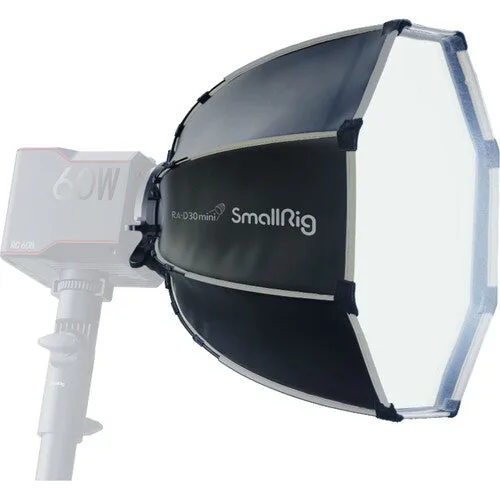
- If you move between rooms or locations: Choose light stands. They are lighter and faster to pack, and a compact modifier like the SmallRig RA-D30 keeps the whole kit manageable. Portability favors light stands.
- If you are building a first studio: Start with one sturdy stand for your key light and a lighter stand for fill or background. Add a C-stand only when your work demands boom arms or heavy modifiers. Buy for the light you own today, not the one you might own later.
Products that fit these decisions
- SmallRig RA-D30 mini Parabolic Softbox for RC 60B 4358: SmallRig RA-D30 mini Parabolic Softbox is optimized for the RC 60B Bi-Color LED Monolight, with an 11.8-inch diameter, 8.5-inch deep parabolic design, and 10.6 oz weight. Its light weight and compact size make it a good match for a standard light stand rather than a heavy C-stand, which keeps your kit portable.
- Godox Lux Senior Retro Camera Flash: Godox Lux Senior Retro Camera Flash is a compact flash with a simple dial for ISO, aperture, power level, and shooting distance, plus an Auto Mode that defaults to f/2.8 at ISO 100. Because it is small and light, it does not demand a high-capacity stand, so you can use a basic light stand or even a tabletop support.
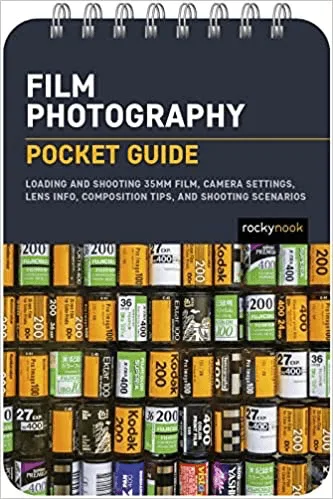
- Rocky Nook Film Photography: Pocket Guide: Loading and Shooting 35mm Film, Camera Settings, Lens Info, Composition Tips, and Shooting Scenarios (The Pocket Guide Series for Photographers): Rocky Nook Film Photography: Pocket Guide is a compact reference covering loading and shooting 35mm film, camera settings, lens information, composition tips, and shooting scenarios. Useful if you are mixing film and digital in the studio and want a quick reference for camera settings while you set up lights.
Who should choose which
Best for
- Photographers using small to medium softboxes and speedlights who need portable, affordable support
- Studio owners who need one C-stand for boom arms, flags, or heavy modifiers alongside lighter stands for fill lights
Not for
- Photographers who regularly use large, heavy modifiers and need maximum stability without adding adapters
- Buyers who want a single stand type to cover every possible lighting scenario