Quick Answer
For a versatile, food-friendly red, choose a lighter Cabernet Franc from the Loire or Friuli; for more structure, look to Bordeaux blends or New World bottlings.
Why Cabernet Franc Deserves a Spot on Your Table
Cabernet Franc is often overshadowed by its famous offspring, Cabernet Sauvignon, but it brings its own charm: aromatic, medium-bodied, and naturally lower in tannins. It thrives in cooler climates, where it develops herbal, floral, and sometimes smoky notes that pair beautifully with a wide range of dishes.
From the Loire Valley's focused, mineral-driven expressions to Italy's herbaceous versions and New York's light-bodied takes, Cabernet Franc offers a spectrum of styles. Understanding these regional differences helps you pick a bottle that matches your meal and your mood.
Regional Styles: What to Expect
In the Loire Valley, Cabernet Franc is often made as a single varietal, showcasing bright red fruit, pencil shavings, and a signature green bell pepper note. Biodynamic farming, as practiced at Chateau de Fosse Sèche, can heighten minerality and typicity.
Italy's Friuli Colli Orientali produces Cabernet Franc that is wonderfully herbaceous with delicate tannins and surprising complexity. Meanwhile, New York's Finger Lakes region yields light-bodied, earthy, and herbal styles with a hint of stone fruit. Bordeaux typically blends Cabernet Franc with other varieties, adding structure and aromatic lift.
Food Pairing Basics: What Works and Why
Cabernet Franc's natural acidity and moderate tannins make it a standout with food. It can handle everything from roast chicken to grilled vegetables and even lighter red meats. The herbal notes in the wine echo the herbs you might use in your cooking, creating a harmonious match.
For a lighter, more delicate style, think of dishes like mushroom risotto or salmon. For a slightly more structured bottle, try it with lamb chops or a tomato-based pasta. The key is to match the wine's body and intensity with the dish's weight.
Your Cabernet Franc Decision Rules
- Choose a Loire Cabernet Franc when...: You want a refined, mineral-driven red that pairs with roasted chicken, pork, or mushroom dishes. Look for biodynamic farming for extra typicity. Serve slightly chilled (60-65°F) to highlight freshness.
- Choose an Italian Cabernet Franc when...: You enjoy herbaceous, medium-bodied reds that work with tomato-based pastas, grilled vegetables, or soft cheeses like Taleggio. Decant for 30 minutes to soften the delicate tannins.
- Choose a New York or South African Cabernet Franc when...: You prefer a lighter, everyday red with earthy and herbal notes, ideal for casual dinners or as a crowd-pleasing pour. These wines are ready to drink now; no need to age.
Wines to Consider
-
Chateau de Fosse Sèche "Eolithe" Cabernet Franc 2022: Chateau de Fosse Sèche "Eolithe" is a Loire Valley Cabernet Franc grown using biodynamic farming, showing focused minerality and typicity. If you want a pure, terroir-driven expression of Cabernet Franc, this bottle offers a fresher, less barnyard-y style that pairs elegantly with roasted poultry or goat cheese.
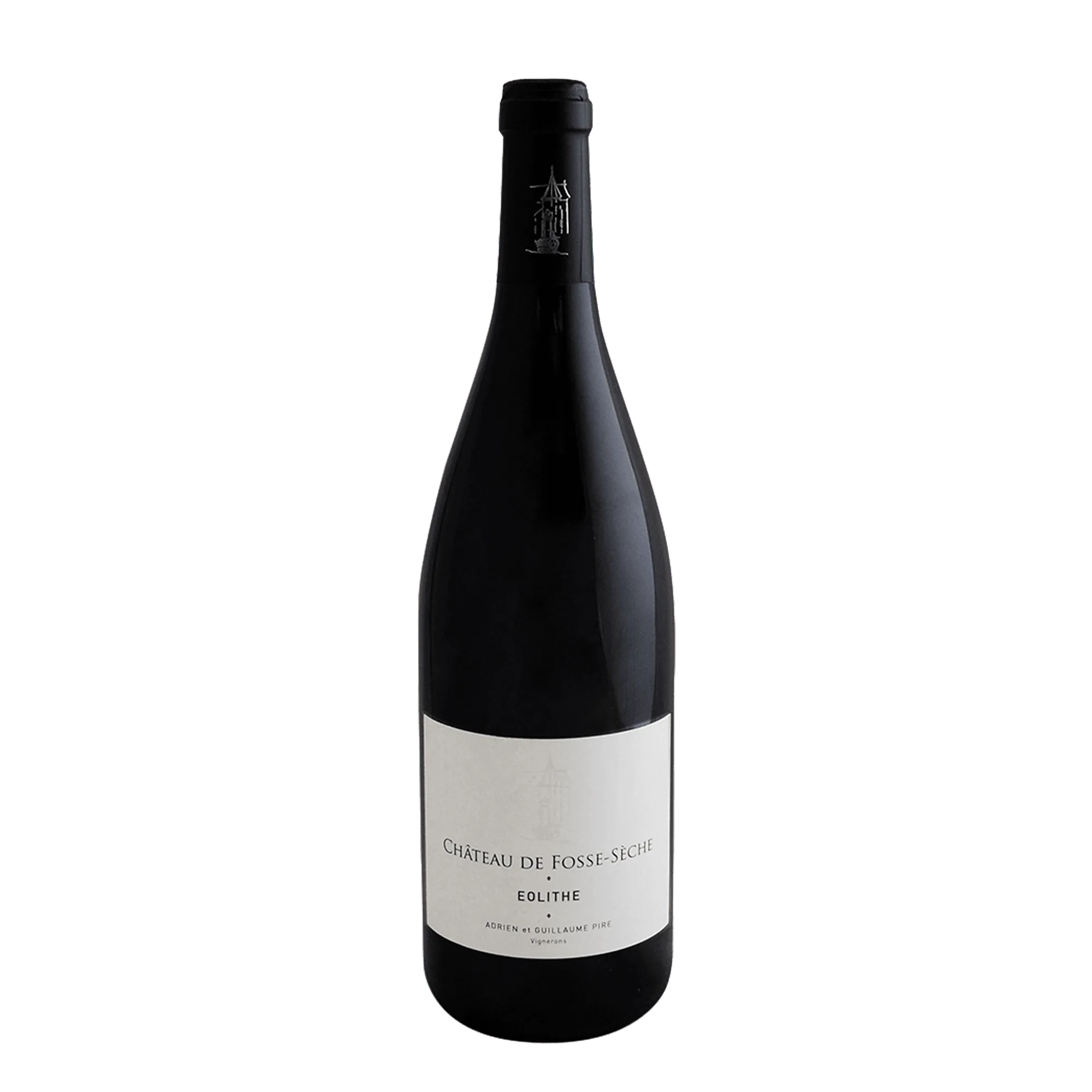
Chateau de Fosse Sèche "Eolithe" Cabernet Franc 2022
-
Scarpetta Cabernet Franc: Scarpetta Cabernet Franc comes from Friuli Colli Orientali in northeastern Italy, described as wonderfully herbaceous with delicate tannins and incredible complexity. This is a great pick for those who enjoy herbal notes and want a wine that can handle vegetarian dishes or grilled vegetables without overpowering them.
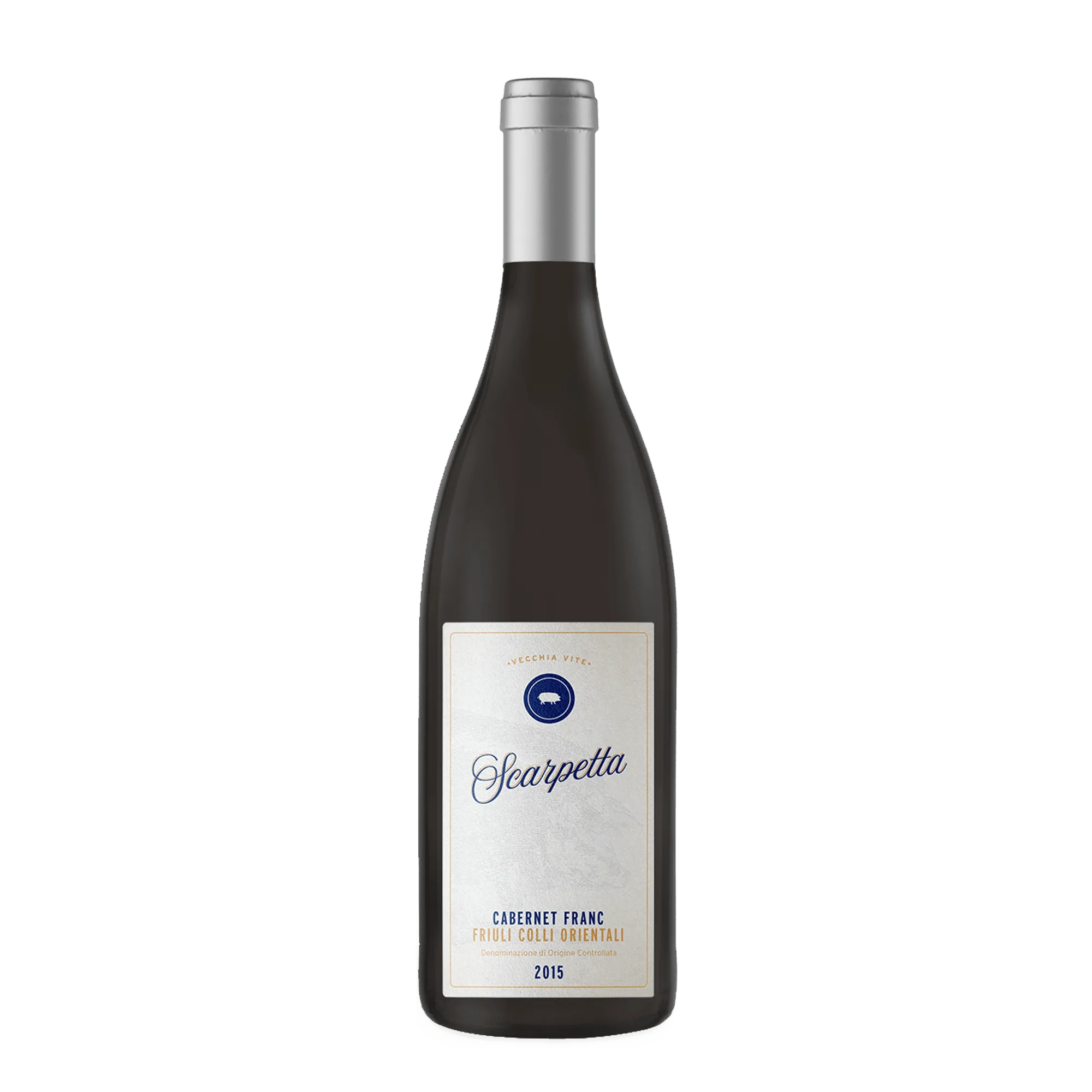
Scarpetta Cabernet Franc
Who Should Choose What
Best For
- Loire Cabernet Franc: lovers of elegant, terroir-driven wines
- Italian Cabernet Franc: fans of herbaceous, food-friendly reds
Not For
- Those who prefer bold, jammy reds like Australian Shiraz
- Anyone seeking a long-aging wine; most Cabernet Franc is meant to be enjoyed young