Quick answer
Caffeine-free means a beverage contains no caffeine naturally, not just a small amount. Herbal teas and rooibos are naturally caffeine-free, unlike decaf versions of regular tea, which still contain trace amounts. For a truly caffeine-free cup, choose rooibos or herbal blends.
When you see 'caffeine-free' on a tea label, it's easy to assume it means the same as decaf. But the two are not identical. Decaf tea starts with caffeinated leaves and goes through a process to remove most of the caffeine, leaving a small amount behind. Caffeine-free teas, on the other hand, come from plants that never contain caffeine in the first place.
This guide clears up common myths about caffeine content in herbal tea and rooibos, so you can choose the right cup for your afternoon or evening without the guesswork.
What does caffeine-free actually mean?
Caffeine-free means the plant itself does not produce caffeine. Herbal teas—like chamomile, peppermint, and rooibos—are made from leaves, flowers, roots, or bark of plants that naturally contain no caffeine. So when you brew a cup, you're getting zero caffeine, not a reduced amount.
This is different from decaf black or green tea, which still contains a small percentage of caffeine after the decaffeination process. If you're sensitive to caffeine or avoiding it entirely for health reasons, choosing a naturally caffeine-free herbal tea is the more reliable option.
- Check the ingredient list: if a blend includes true tea leaves (Camellia sinensis), it isn't caffeine-free.
- Rooibos is a naturally caffeine-free plant, so it's a safe choice for evening sipping.
Rooibos vs herbal tea: what's the difference?
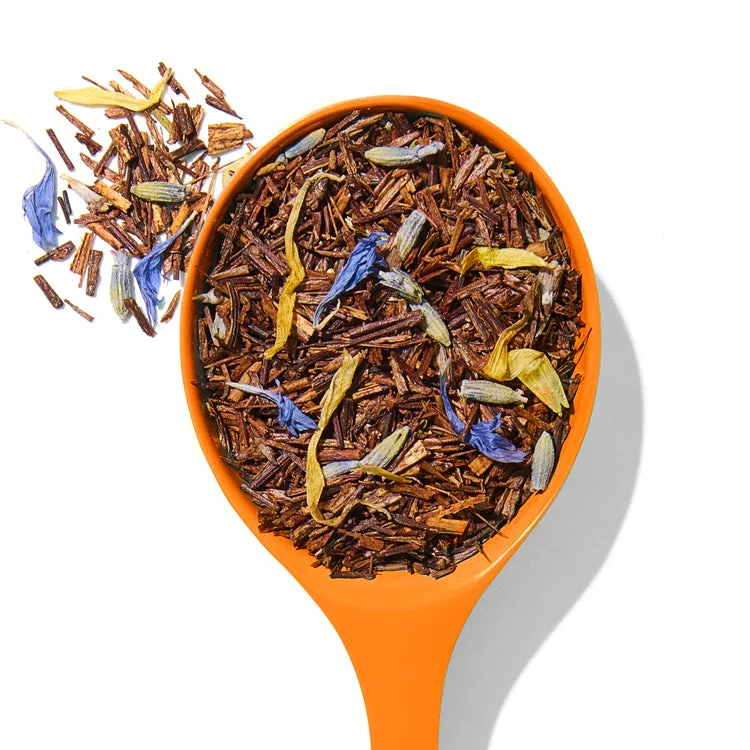
Rooibos is often grouped with herbal teas, but it's technically its own category. It comes from the Aspalathus linearis plant native to South Africa, while herbal teas can be made from a wide range of plants. Both are naturally caffeine-free, but rooibos has a distinct sweet, nutty flavor and is rich in antioxidants.
If you're looking for a caffeine-free alternative that mimics the body of black tea, rooibos is a great pick. Herbal teas like chamomile or peppermint offer their own benefits, but they don't have the same tea-like depth. Knowing the difference helps you choose based on flavor and purpose.
- Rooibos: naturally caffeine-free, sweet and earthy, good with milk or as a latte.
- Herbal teas: caffeine-free, but flavor varies widely—choose based on your taste and needs.
Common decaf tea myths, debunked
Myth: Decaf tea has no caffeine. Reality: Decaf still contains a small amount—usually around 2-5% of the original caffeine. For truly caffeine-free, look for herbal or rooibos blends.
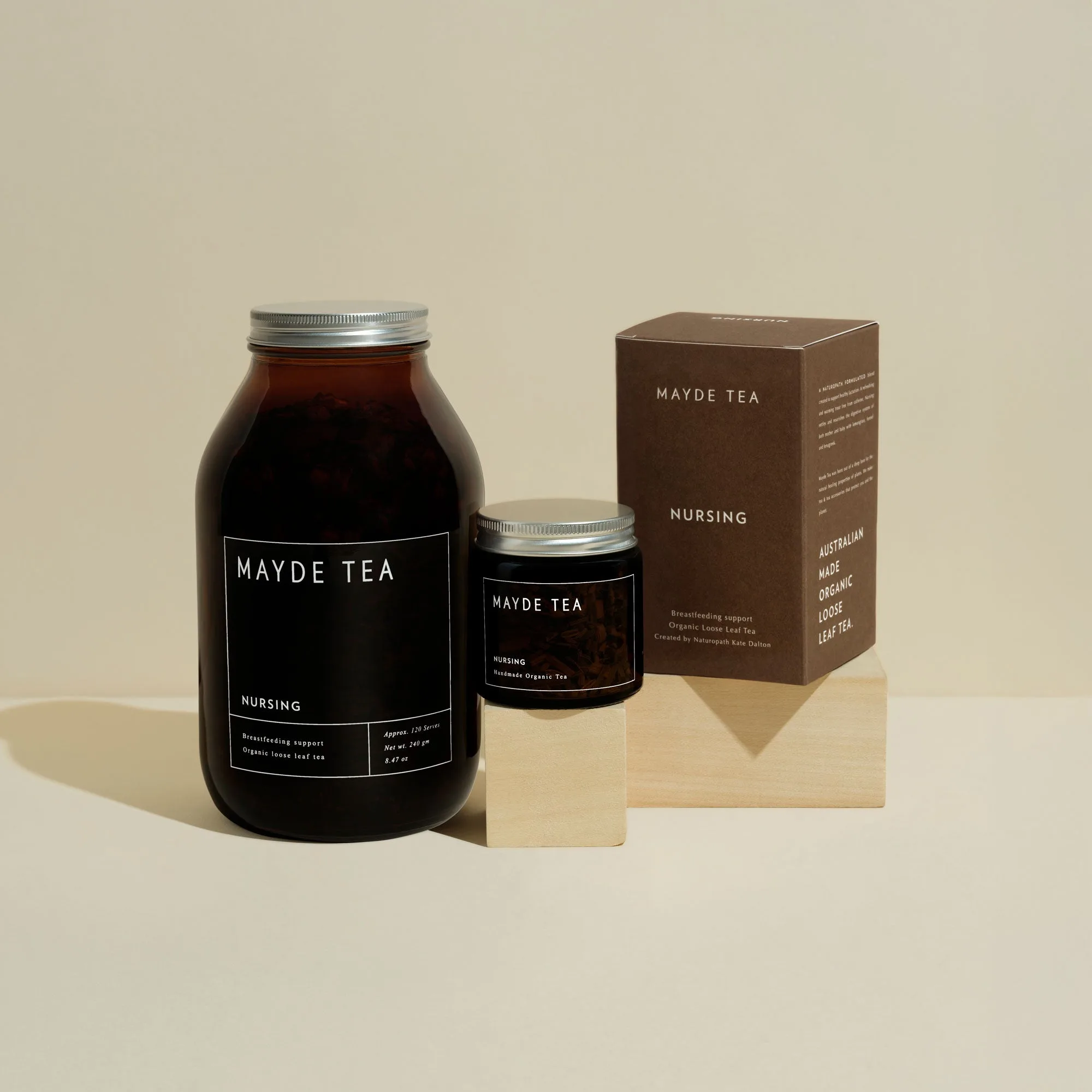
Myth: All herbal teas are caffeine-free. Reality: While most are, some blends include true tea leaves, which add caffeine. Always read the label. Mayde Tea's Nursing blend, for example, is naturally caffeine-free, making it a safe choice for new mothers.
- When in doubt, choose a single-ingredient herbal tea or rooibos.
- If a blend lists 'green tea' or 'black tea' as an ingredient, it contains caffeine.
Verdicts on caffeine-free claims
- Caffeine-free means zero caffeine: True. Herbal teas and rooibos naturally contain no caffeine, unlike decaf teas which retain trace amounts. Choose herbal or rooibos for a truly caffeine-free cup.
- Rooibos is just a type of herbal tea: Partly true. It's often grouped with herbal teas, but rooibos comes from a distinct plant and has a unique flavor profile. Try rooibos if you want a caffeine-free tea with a fuller body.
- Decaf tea has no caffeine: False. Decaf still contains a small amount of caffeine. Only naturally caffeine-free plants guarantee zero. Read labels and opt for herbal or rooibos when caffeine must be avoided.
Caffeine-free picks from Mayde Tea
- Nursing - Loose Leaf Tea: A naturopathically formulated blend created to support healthy lactation. A refreshing and warming treat free from caffeine. This caffeine-free blend is a practical choice for anyone who wants a soothing cup without caffeine, especially during postpartum or evening routines.
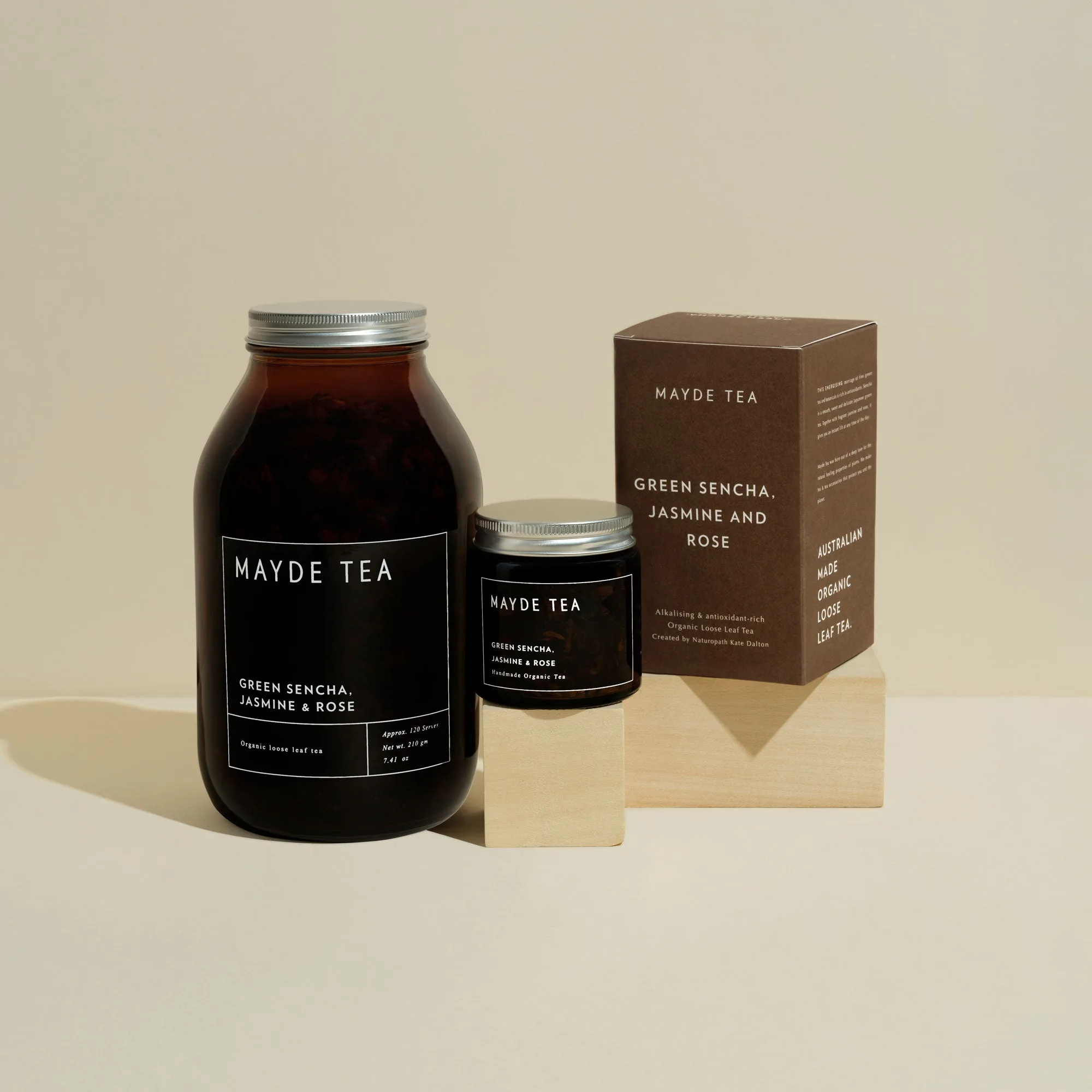
- Green Sencha, Jasmine and Rose - Loose Leaf Tea: This energising marriage of fine green tea and botanicals is rich in antioxidants. If you're not avoiding caffeine entirely, this green tea blend offers a gentle lift—unlike rooibos, it contains caffeine, so it's better for morning or early afternoon.
Understanding what caffeine-free really means helps you make better tea choices—whether you're avoiding caffeine for sleep, pregnancy, or personal preference. Look for naturally caffeine-free plants like rooibos and herbal blends, and always check the ingredient list to avoid hidden caffeine.